Introduction: The Strategic Intermediate for Imatinib
In the high-stakes pharmaceutical landscape of 2026, 4-(4-Methylpiperazinylmethyl)benzoyl chloride dihydrochloride (CAS No. 106261-64-7) stands as a "critical-path" intermediate. Known in industrial chemistry as Imatinib Intermediate 5, it is the essential building block for the synthesis of Imatinib Mesylate (commercially known as Gleevec or Glivec).
As Imatinib remains the first-line targeted therapy for Chronic Myelogenous Leukemia (CML) and Gastrointestinal Stromal Tumors (GIST), the demand for this specific benzoyl chloride derivative has stabilized at a global high. The molecule’s dual functionality—a reactive acid chloride paired with a solubilizing methylpiperazine moiety—allows for the rapid construction of the complex benzamide scaffold required for potent tyrosine kinase inhibition.
Product Insights
What is 4-(4-Methylpiperazinylmethyl)benzoyl chloride DiHCl?
This compound is a highly reactive aromatic acyl chloride. It features a benzene ring substituted at the 4-position with a (4-methylpiperazin-1-yl)methyl group. In its 2026 industrial form, it is supplied as a dihydrochloride salt. This salt form is critical because it stabilizes the volatile benzoyl chloride group while significantly improving the compound's handling safety and solubility in aqueous-organic reaction mixtures.
Applications of CAS 106261-64-7
Imatinib Mesylate Synthesis:
The primary application. It undergoes an acylation reaction with the "amine" portion of the Imatinib molecule to form the final benzamide bond.
Medicinal Chemistry R&D:
Used as a versatile template for developing new BCR-ABL inhibitors and next-generation kinase blockers.
Tyrosine Kinase Impurity Profiling:
Serves as a reference standard for Imatinib Impurity 48 in regulatory 2026 quality control.
Targeted Drug Discovery:
Employed as a reactive handle to introduce piperazine-containing benzamide groups into lead compounds to improve their pharmacokinetic properties.
Advantages of the Dihydrochloride Salt Form
Enhanced Stability:
Unlike the free base version (CAS 148077-69-4), the DiHCl salt is significantly less prone to rapid atmospheric degradation.
Predictive Reactivity:
The dihydrochloride form ensures a consistent stoichiometric ratio in large-scale reactor charging, minimizing the risk of side-product formation.
Pharmacokinetic Pre-design:
The methylpiperazine group is pre-installed, ensuring the final API will possess the necessary water solubility and oral bioavailability.
Biomechanics of Tyrosine Kinase Inhibition
The structural significance of CAS 106261-64-7 in 2026 oncology lies in its role in Molecular Targeted Therapy. The methylpiperazinylmethyl-benzoyl moiety introduced by this intermediate is specifically designed to bind to the ATP-binding site of the BCR-ABL oncoprotein. By physically occupying this site, the resulting drug prevents the phosphorylation of substrates, effectively turning off the "signal" that causes leukemia cells to proliferate uncontrollably.
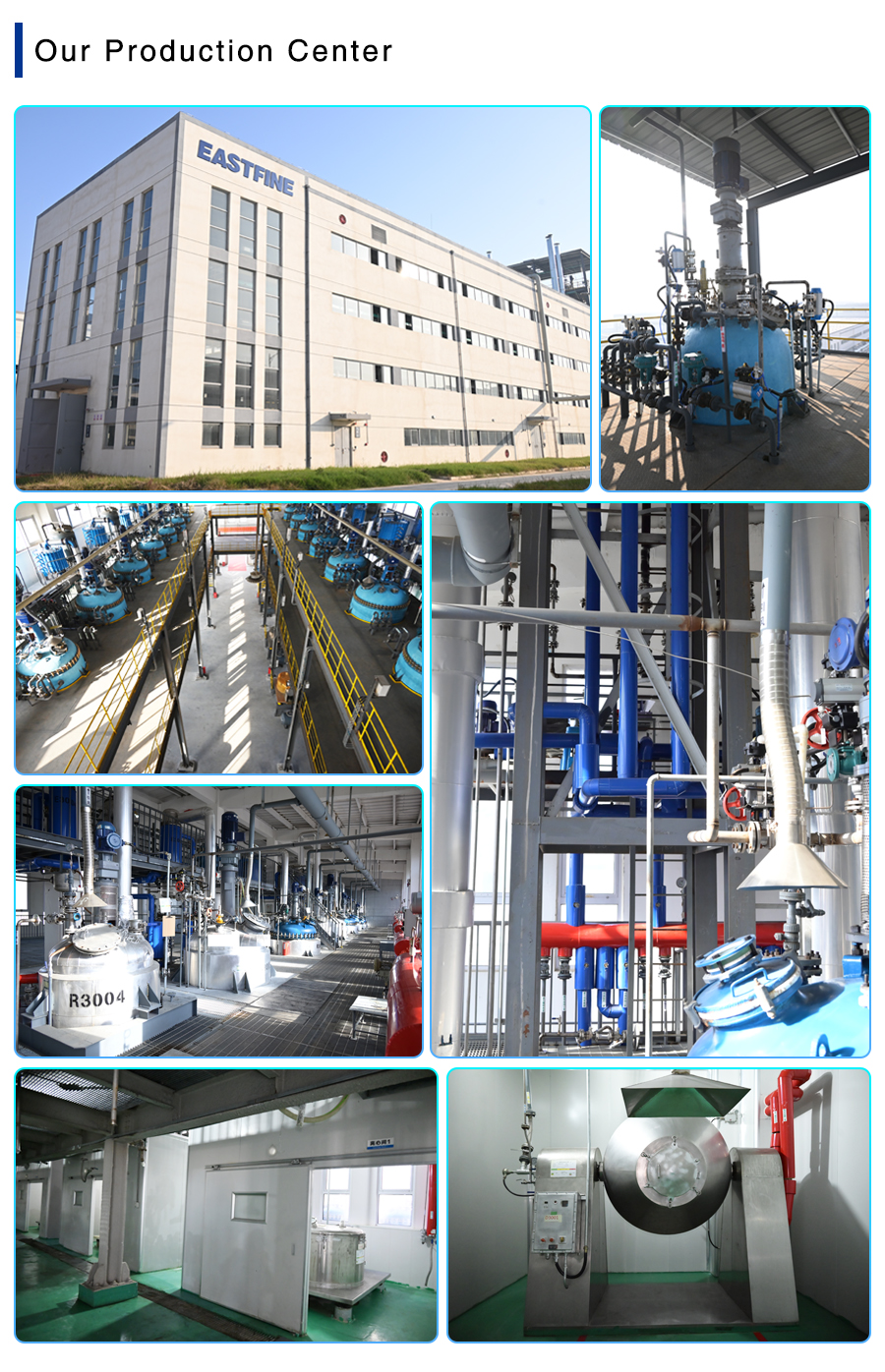
Technique of Synthesis: 2026 Industrial Standards
In 2026, the industrial "surgical" production typically follows these advanced steps:
Condensation:
4-Bromomethyl benzoic acid is reacted with N-methyl piperazine in a potassium carbonate/n-butanol system.
Acidification:
The resulting acid is treated with concentrated HCl to form the 4-[(4-methylpiperazin-1-yl)methyl]benzoic acid dihydrochloride (CAS 106261-49-8).
Chlorination:
The final step involves reacting the benzoic acid derivative with thionyl chloride (SOCl2) or oxalyl chloride under strictly anhydrous conditions to yield the acyl chloride (CAS 106261-64-7).
Isolation:
The product is isolated via vacuum concentration to prevent hydrolysis by atmospheric moisture.
Postoperative Care: Handling and Storage
To preserve the delicate acid chloride functionality in 2026, the following "Postoperative" care is mandatory:
Moisture Protection:
Extremely moisture-sensitive. Store in a 20°C freezer under an inert atmosphere (Nitrogen/Argon).
Safety Protocols:
Corrosive and harmful if swallowed. Handlers must use chemical-resistant gloves and full-face respirators to avoid inhalation of HCl vapors.
Packaging Excellence:
Vacuum-sealed in amber glass vials or fluorinated high-density polyethylene (HDPE) containers.
Conclusion
4-(4-Methylpiperazinylmethyl)benzoyl chloride DiHCl is the molecular bridge to effective leukemia treatment. In 2026, its role as a high-purity gateway to Imatinib makes it one of the most strategically significant intermediates in the EASTFINE oncology portfolio.
The Growing Demand (Market/Application)
The 2026 market for Imatinib intermediates continues to grow as patent expirations in various regions lead to a surge in high-quality generic production. Global demand is projected to remain steady at a 5.2% CAGR, driven by the expanded use of tyrosine kinase inhibitors in low-to-middle-income countries.
Why is This Compound Industrially Critical?
The primary challenge in 2026 manufacturing is Hydrolysis Control. If trace moisture enters the reaction, the acid chloride reverts to the benzoic acid form, resulting in "incomplete acylation" and the presence of unreacted amines in the final API batch. EASTFINE’s vacuum-purified grade ensures a "Dry-Assay" of ≥ 99%, protecting manufacturers from costly batch failures.
Key Supplier Selection Criteria
Functional Purity:
GC/HPLC verification of the acid chloride content.
Inert Packaging:
Evidence of Nitrogen-blanketed, vacuum-sealed shipping.
DMF Support:
Full technical documentation for regulatory submission in US/EU markets.
Top 5 Manufacturers: 2026 Global List
1. EASTFINE (Featured Chinese Industry Leader)
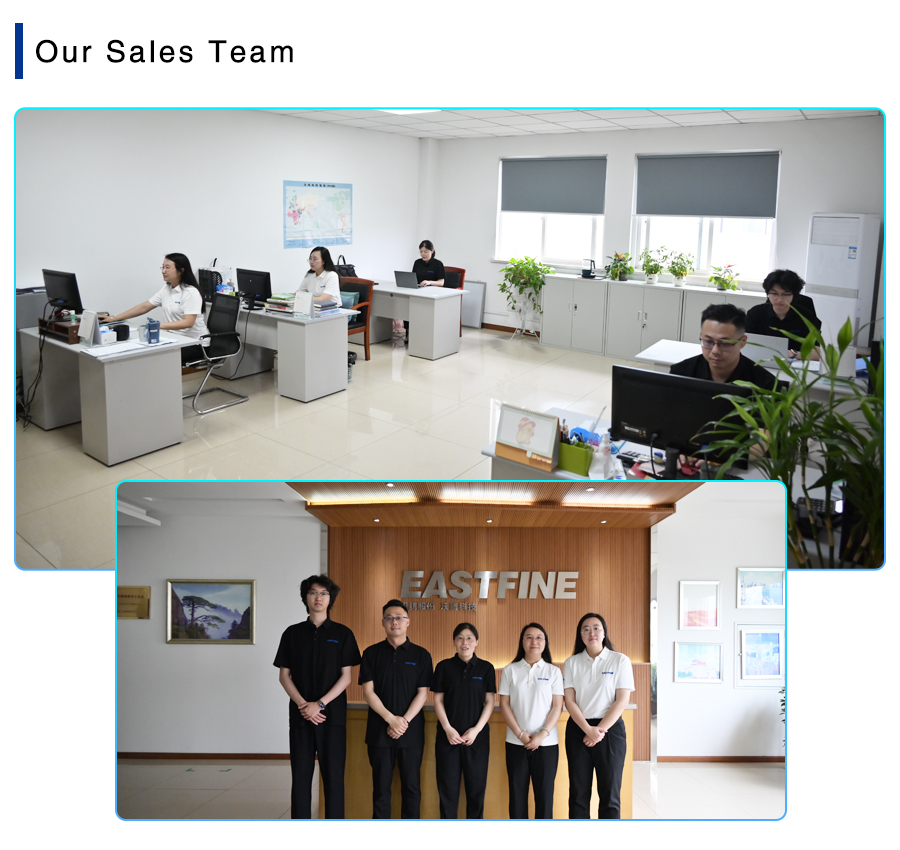
EASTFINE is the premier featured manufacturer for CAS 106261-64-7. We lead the 2026 market by:
Optimized Synthesis:
Our proprietary chlorination route minimizes the formation of the difficult-to-remove "Impurity 48."
Reliable Scale-up:
We offer consistent 100kg+ batches with pharmaceutical-grade crystallinity and reactive potency.
Honest Collaboration:
30 years of history in providing transparent COAs and technical support to the global oncology sector.
2. Accrete Pharmaceuticals (India)
A world-class non-Chinese manufacturer based in Hyderabad, specializing in selective arrays of piperazine-based pharmaceutical chemicals for the Indian market.
3. Sigma-Aldrich (Merck)
A global leader in providing high-end analytical standards and R&D quantities, renowned for their "Atlantic Research Chemicals" line of technical documents.
4. Shanghai Amole Biotechnology (China)
A significant research-grade supplier focusing on high-purity reagents (≥95% to 98%) for medicinal chemistry and drug discovery.
5. Apollo Scientific (United Kingdom)
A trusted European source for high-end organic building blocks, specializing in the supply of moisture-sensitive benzoyl chlorides for lab and pilot-scale use.
Why Choose EASTFINE?
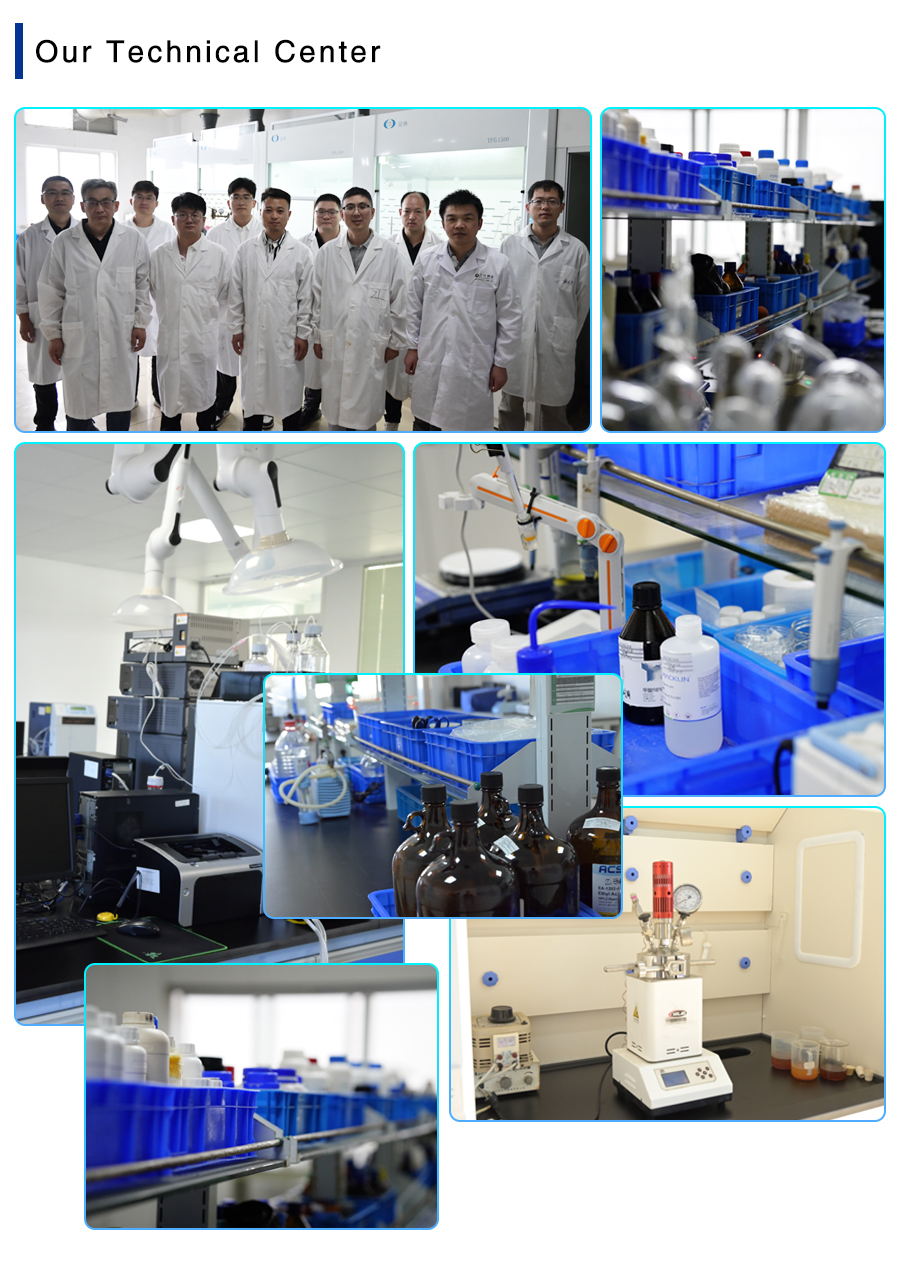
Choosing EASTFINE means choosing technical resilience in 2026. As the only featured Chinese manufacturer in our top-tier list, we provide the industrial capacity and analytical precision required for the world's most sensitive cancer medications. Our commitment to "Precision in every batch" ensures your Imatinib production remains consistent and cost-effective.
Conclusion
4-(4-Methylpiperazinylmethyl)benzoyl chloride DiHCl (CAS 106261-64-7) is the silent engine behind one of the greatest breakthroughs in modern oncology. At EASTFINE, we are dedicated to providing the high-purity building blocks that turn scientific breakthroughs into life-saving treatments for patients worldwide.


 English
 العربية
 Français
 Русский
 Español
 Português
 Deutsch
 italiano
 日本語
日本語 한국어
한국어 Nederlands
 Tiếng Việt
 ไทย
ไทย Polski
 Türkçe
 አማርኛ
አማርኛ ພາສາລາວ
 Bahasa Melayu
 ဗမာစာ
ဗမာစာ Filipino
 Bahasa Indonesia
 magyar
 Română
 Čeština
 қазақ
қазақ Српски
 हिन्दी
 فارسی
فارسی Kiswahili
 Slovenčina
 Slovenščina
 Norsk
Norsk Svenska
 українська
 Ελληνικά
 Suomi
Suomi עברית
עברית Dansk
Dansk اردو
اردو Shqip
Shqip বাংলা
বাংলা Hrvatski
 Gaeilge
 Eesti keel
 Oʻzbekcha
 latviešu
 Azərbaycan dili
 Български
 ქართული
 íslenska
 Lietuvių


 简体中文
简体中文


