Introduction & Strategic Overview
In fine chemical procurement and bulk active pharmaceutical ingredient (API) manufacturing, maintaining uninterrupted access to key alicyclic building blocks is critical to project timelines and cost management. Cyclopentanecarbaldehyde (CAS No. 872-53-7)—cataloged internationally under systematic names such as formylcyclopentane, cyclopentanecarboxaldehyde, and cyclopentyl methanal—is a high-value cycloaliphatic aldehyde (C6H10O, MW: 98.14 g/mol). Structurally, the molecule couples an electrophilic formyl group directly to a saturated five-membered ring, enabling synthetic chemists to install a rigid carbocyclic core without late-stage cyclization routines.
As commercial drug pipelines increasingly rely on three-dimensional, saturated ring systems to optimize receptor binding, potency, and metabolic resilience, global demand for high-purity Cyclopentanecarbaldehyde continues to scale. Sourcing teams, contract research organizations (CROs), and process development groups must evaluate this intermediate through its chemical reactivity modes, critical analytical specifications, material handling protocols, and producer capabilities.
Downstream Synthetic Pathways & Chemical Reactivity
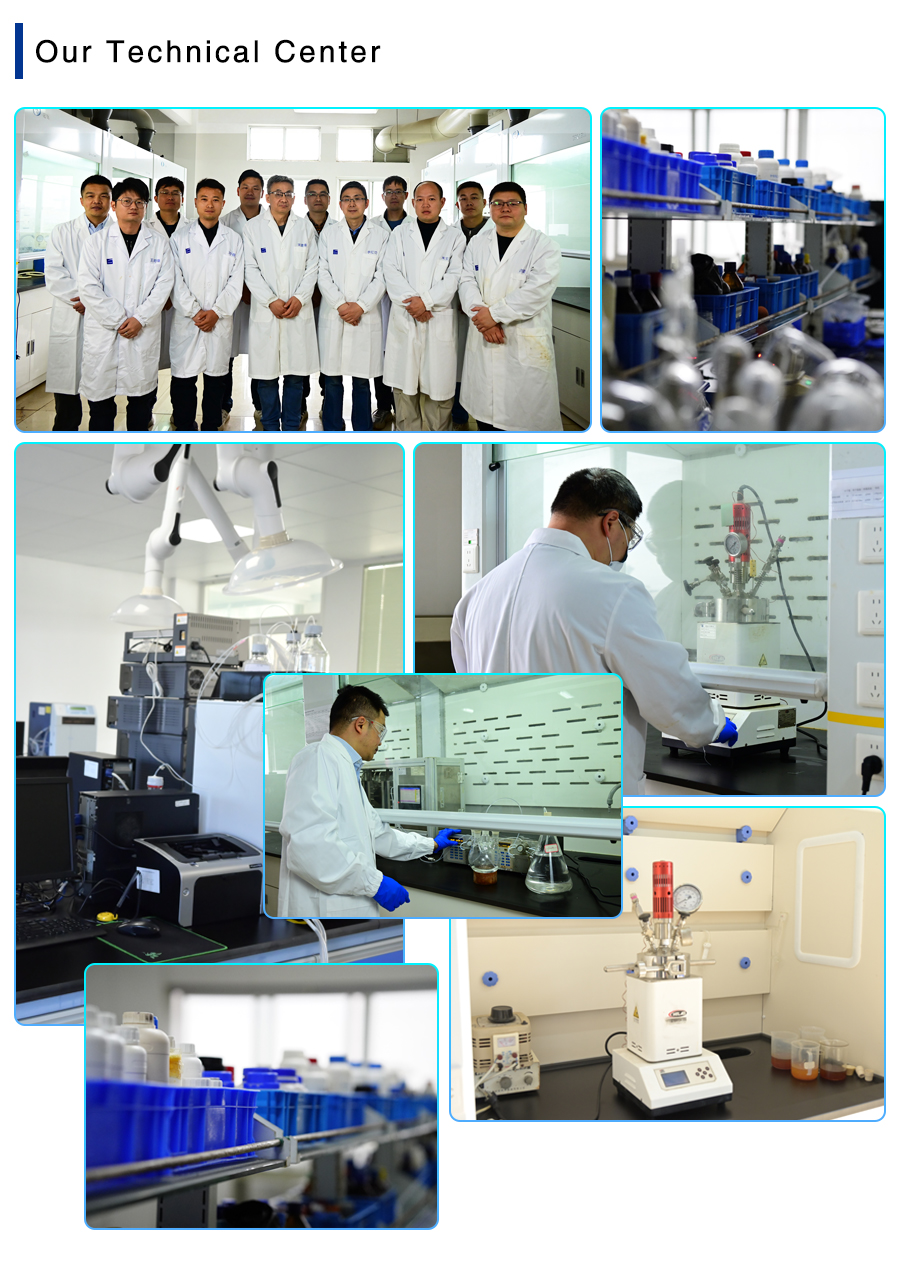
The commercial value of Cyclopentanecarbaldehyde lies in the versatile reactivity of its terminal aldehyde group. Operating across standard batch reactors, it drives key C-N and C-C bond construction steps with high conversion rates.
Reductive Amination Routes:
Condensation with primary or secondary aliphatic/aromatic amines followed by reduction (via sodium borohydride derivatives or catalytic Pd/C or Raney Ni hydrogenation) converts the aldehyde into functionalized cyclopentylmethylamine scaffolds. These serve as key pharmacophores in central nervous system (CNS) drugs, cardiovascular compounds, and agrochemical active ingredients.
Wittig and Horner-Wadsworth-Emmons (HWE) Olefinations:
Reactions with stabilized phosphonium Ylides or phosphonates convert the formyl group into alpha,beta-unsaturated esters, conjugated intermediates, and vinylcyclopentanes required for total synthesis and crop protection chemistries.
Organometallic Additions:
Exposure to Grignard reagents, organolithium species, or alkylzinc complexes converts the molecule into secondary cyclopentyl carbinols. The steric profile of the cyclopentyl ring shields the reaction center, minimizing side reactions and ensuring strong selectivity.
Multicomponent & Heterocyclic Syntheses:
Serves as an active electrophilic component in Passerini, Ugi, and aldol condensation cascades, facilitating rapid assembly of spirocyclic structures, lactones, and fused bicyclic heterocycles.
Analytical Release Standards & Quality Control
To prevent batch losses, catalyst poisoning, or downstream impurity accumulation during multi-step campaigns, commercial allocations of Cyclopentanecarbaldehyde must meet stringent release parameters prior to reactor charging:
| Analytical Parameter | Technical Grade Target | High-Purity Pharma Grade | Testing Method | Operational Impact & Risk Control |
| Visual Appearance | Clear, light liquid | Colorless, clear liquid | Visual Inspection | Confirms freedom from particulate contamination, turbidity, or heavy oligomerization. |
| Assay Purity (GC) | >= 98.0% | >= 99.0% | GC-FID / GC-MS | Prevents close-boiling organic impurities from co-crystallizing into downstream active steps. |
| Moisture Content | <= 0.50% | <= 0.10% (1000 ppm) | Karl Fischer Titration | Protects water-sensitive organometallic, hydride, or air-sensitive catalysts. |
| Acid Value (as Acid) | <= 1.0% | <= 0.3% (Cyclopentanecarboxylic Acid) | Potentiometric Titration | Prevents trace organic acid from shifting pH levels in sensitive catalytic steps. |
| Refractive Index (20 °C) | 1.444 to 1.448 | 1.445 to 1.447 | Refractometry | Enables rapid, non-destructive identity verification upon warehouse receiving. |
| Density (20 °C) | 0.915 to 0.925 g/cm³ | 0.918 to 0.922 g/cm³ | Digital Densitometry | Guarantees exact mass-to-volume dosing in automated plant charging setups. |
| Stabilizer Content | 100 - 500 ppm BHT | 100 - 500 ppm BHT / N2 blanket | GC Assay | Inhibits radical-initiated autoxidation during transit and extended storage. |
Storage Protocols, Material Safety, & Logistics
Like most aliphatic aldehydes, Cyclopentanecarbaldehyde undergoes slow autoxidation upon contact with atmospheric oxygen, converting to cyclopentanecarboxylic acid. Maintaining material integrity requires specialized packaging and facility controls.
Inert Container Systems:
Industrial deliveries should be specified in stainless steel drums, lined heavy-duty steel barrels, or dedicated ISO tank containers maintained under a continuous dry nitrogen blanket (headspace oxygen < 1%).
Gasket & Fitting Compatibility:
Transfer hoses, pump seals, and drum gaskets must be manufactured from pure PTFE, Kalrez, or high-grade fluoroelastomers. Standard nitrile or rubber seals degrade quickly when exposed to neat liquid aldehydes.
Warehouse Storage Requirements:
Store in cool, dry, explosion-proof hazardous chemical zones (ideally below 20 °C, with refrigerated storage at 2 °C to 8 °C recommended for long-term inventory). Containers must remain tightly sealed under positive nitrogen pressure until use.
Transport Classification:
Standardized under international hazard codes as Flammable Liquid, N.O.S., UN 1989, Class 3, Packing Group II/III.
Supply Chain Security & Primary Producer Capabilities with EASTFINE
Managing global supply chain exposure requires direct partnerships with primary chemical producers capable of maintaining continuous manufacturing schedules through shifting market conditions.
Dual-Plant Operational Redundancy
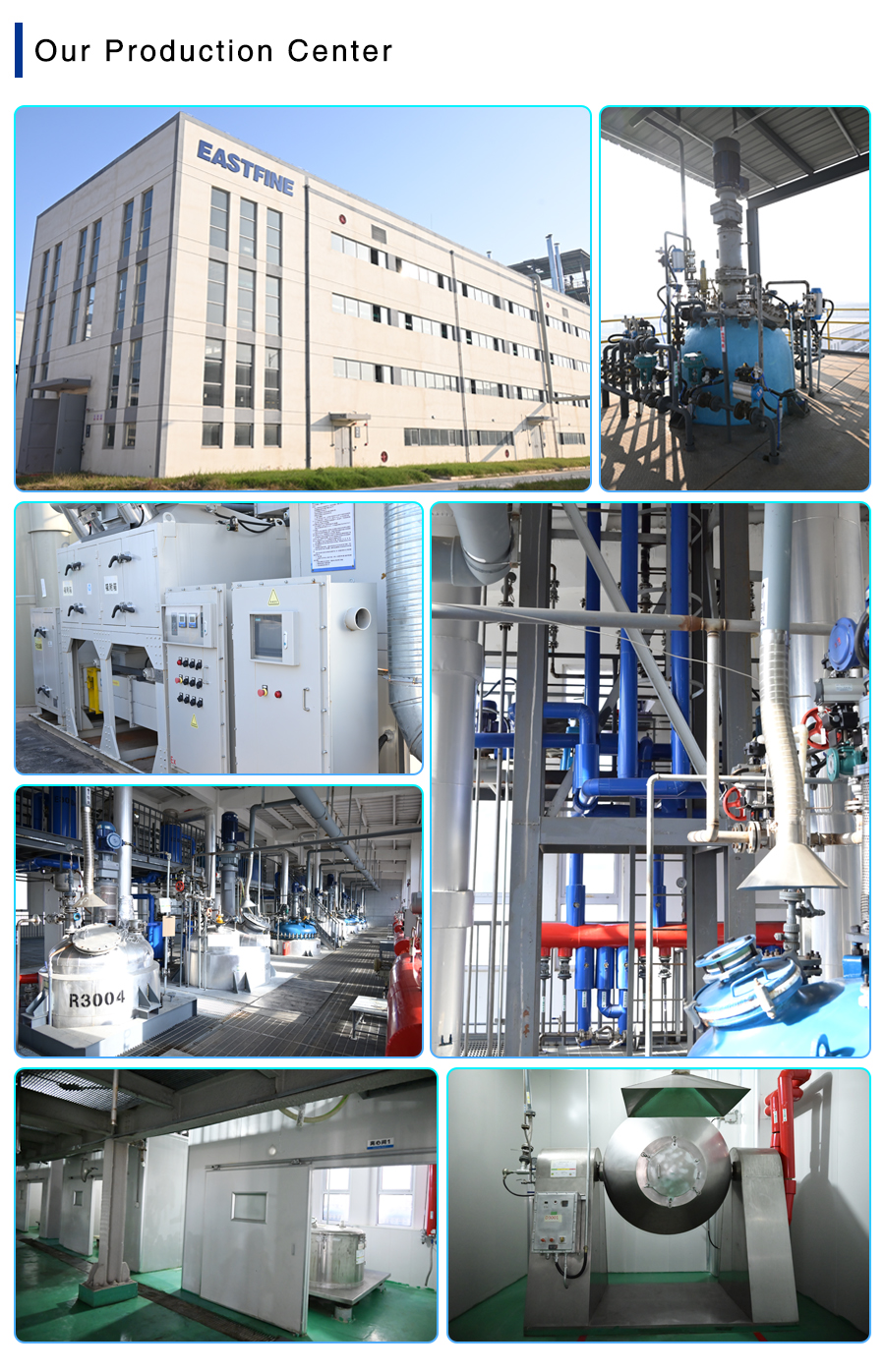
To eliminate single-site delivery risks, EASTFINE operates two distinct production facilities in Dalian and Heze:
Uninterrupted Supply Chains:
Dual-site production prevents shipment halts caused by localized maintenance, regional environmental audits, or logistics bottlenecks.
Flexible Volume Scaling:
Plant operations scale seamlessly from kilogram pilot lots for clinical development up to multi-ton commercial production campaigns.
In-House Process Optimization
Driven by an internal R&D staff holding 19 invention patents and 8 utility model patents, EASTFINE focuses on route optimization, atom economy, and yield improvements. Direct producer engagement cuts out trader markups while offering direct access to chemical synthesis engineers.
Quality Systems & International Compliance
EASTFINE facilities operate under certified ISO 9001, ISO 14001, and ISO 45001 management frameworks. Every shipment is backed by comprehensive analytical testing (GC-MS, HPLC, KF, and NMR), complete batch sample retention, and full lot traceability to support global customer audits and regulatory filings.
Strategic Sourcing Conclusion
Cyclopentanecarbaldehyde (CAS No. 872-53-7) serves as a key intermediate across active pharmaceutical ingredient synthesis, advanced crop protection manufacturing, and fine chemical processing. Its high carbonyl electrophilicity combined with its pre-formed five-membered ring structure makes it an essential component for assembling complex targets efficiently.
Securing high-purity, batch-consistent volume requires direct collaboration with an established primary producer. With dual-site manufacturing capacity across Dalian and Heze, patented process innovations, and strict ISO-certified quality assurance, EASTFINE offers global partners a reliable and cost-effective supply chain.
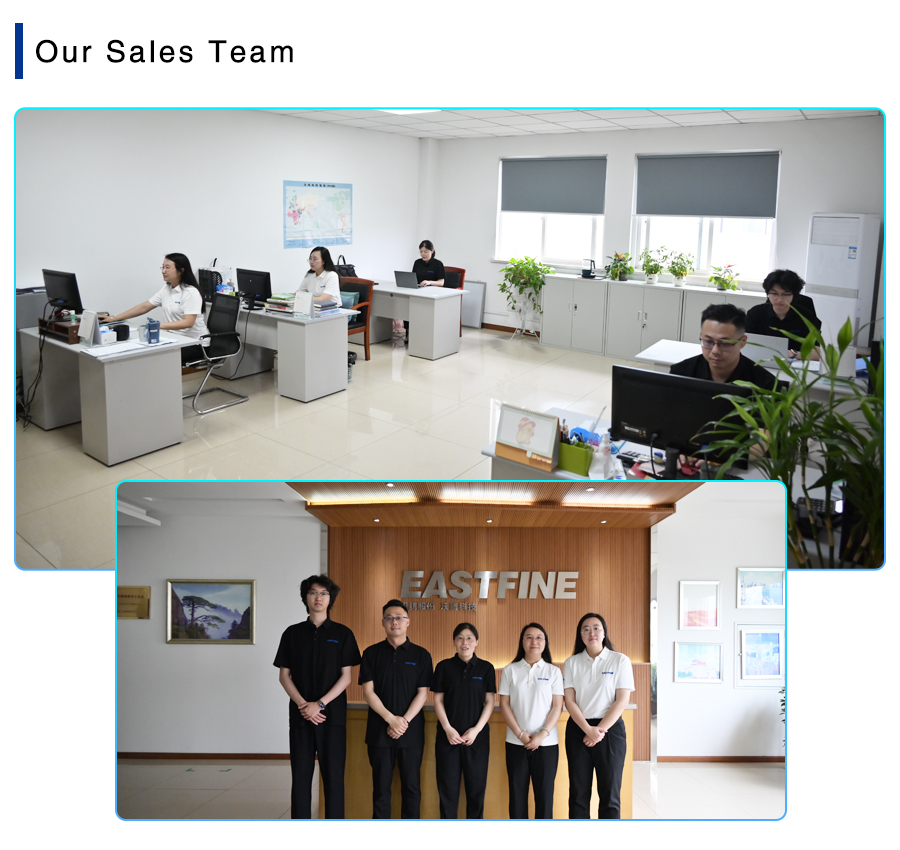
To request lot-specific Certificates of Analysis, technical documentation, or campaign volume quotes, contact EASTFINE's commercial sourcing team today.


 English
 العربية
 Français
 Русский
 Español
 Português
 Deutsch
 italiano
 日本語
日本語 한국어
한국어 Nederlands
 Tiếng Việt
 ไทย
ไทย Polski
 Türkçe
 አማርኛ
አማርኛ ພາສາລາວ
 Bahasa Melayu
 ဗမာစာ
ဗမာစာ Filipino
 Bahasa Indonesia
 magyar
 Română
 Čeština
 қазақ
қазақ Српски
 हिन्दी
 فارسی
فارسی Kiswahili
 Slovenčina
 Slovenščina
 Norsk
Norsk Svenska
 українська
 Ελληνικά
 Suomi
Suomi עברית
עברית Dansk
Dansk اردو
اردو Shqip
Shqip বাংলা
বাংলা Hrvatski
 Gaeilge
 Eesti keel
 Oʻzbekcha
 latviešu
 Azərbaycan dili
 Български
 ქართული
 íslenska
 Lietuvių


 简体中文
简体中文


