Introduction
Cyclobutanone (CAS No. 1191-95-3) is a specialized four-membered carbocyclic ketone building block (C4H6O) engineered for high-value active pharmaceutical ingredient (API) manufacturing. Defined by significant thermodynamic ring strain (~26 kcal/mol) and a highly electrophilic carbonyl center, this intermediate provides medicinal chemists and process development teams with a versatile synthon for introducing spatially constrained structural motifs into complex drug candidates.
For global pharmaceutical procurement officers, supply chain directors, and technical sourcing leads, successfully integrating Cyclobutanone into commercial manufacturing requires evaluating its synthetic utility, analytical release parameters, safe cold-chain handling, and primary supply security.
Strategic Value in Pharmaceutical Chemistry & Pipeline Design
The industrial importance of CAS No. 1191-95-3 across human health applications stems directly from its specialized molecular geometry and chemical reactivity:

Spatial Rigidification & Pharmacokinetic Optimization
Replacing conformationally flexible open-chain alkyl groups with a rigid four-membered carbocyclic ring is a proven strategy in modern medicinal chemistry to optimize key drug candidate parameters:
Target Binding Affinity:
Locking specific 3D conformations minimizes entropy penalties during receptor binding, enhancing target selectivity and potency.
Metabolic Stabilization:
The strained cyclobutane core resists rapid oxidative cleavage by liver enzymes (cytochrome P450 systems), extending systemic half-life.
Physicochemical Tuning:
Incorporating cyclobutane fragments allows chemists to fine-tune lipophilicity (log P), aqueous solubility, and blood-brain barrier permeability.
Core Therapeutic Applications
Cyclobutanone-derived building blocks are broadly deployed across several high-growth pharmaceutical pipelines:
Central Nervous System (CNS) Therapeutics:
Serving as a rigid platform for novel neurotransmitter analogues, centrally acting analgesics, and psychiatric drug candidates.
Oncology & Protease Inhibitors:
Supplying key intermediate fragments for spirocyclic and bicyclic cores in targeted cancer therapies and small-molecule enzyme inhibitors.
Antiviral & Nucleoside Chemistry:
Utilizing photochemical cycloadditions and ring-construction routes to access modified nucleoside derivatives and antiviral scaffolds.
Key Industrial Synthetic Transformations
The electrophilic carbonyl center paired with inherent ring strain enables diverse high-yielding transformations under controlled process conditions:
Nucleophilic Additions:
Reacts cleanly with organometallic reagents (e.g., Grignard, organolithium) to form sterically hindered tertiary cyclobutanols without competing side-reactions.
Reductive Amination:
Converts efficiently into primary and secondary aminocyclobutane intermediates for direct incorporation into amide or peptide-like backbones.
Ring-Expansion & Photochemical Routes:
Undergoes Baeyer-Villiger oxidations, Schmidt rearrangements, and photochemical additions to yield functionalized gamma-lactones, lactams, and spiroheterocycles that are exceptionally difficult to assemble via linear pathways.
Commercial Quality Release & Analytical Specifications
To ensure predictable performance in regulated, multi-step API manufacturing campaigns, commercial batches of Cyclobutanone must adhere to strict technical release standards:
| Specification Parameter | Commercial Release Target | Analytical Method | Sourcing & Operational Purpose |
| Appearance | Clear, colorless to pale yellow liquid | Visual Inspection | Verifies freedom from suspended particulates, haze, or oxidative polymers. |
| Purity Assay (GC) | >= 98.0% (Standard) / >= 99.0% (Pharma Grade) | Gas Chromatography (GC-FID) | Minimizes unreacted organic impurities that consume late-stage reagents or disrupt API crystallization. |
| Moisture Content | <= 0.50% (5000 ppm) | Karl Fischer Titration | Protects water-sensitive organometallic, hydride, or air-sensitive coupling reactions. |
| Boiling Point Target | ~98 °C to 100 °C | Standard Distillation | Validates physical identity and thermal stability during solvent stripping or reactor heating cycles. |
| Density (at 20 °C) | ~0.930 to 0.940 g/cm³ | Digital Densitometry | Guarantees precise volumetric additions during automated industrial plant charging. |
| Refractive Index | ~1.420 to 1.424 (nD20) | Refractometry | Provides fast secondary verification of optical clarity and identity prior to batch reactor charging. |
| Stabilizer Content | BHT (~0.1%) or Na2CO3 trace | GC / Quantitative Assay | Prevents radical-mediated peroxide formation and self-condensation during extended storage. |
Safe Handling, Packaging, and Logistics Stewardship
Due to its volatile liquid profile, flammable classification, and sensitivity to moisture and oxygen, Cyclobutanone requires rigorous supply chain management and storage protocols:
Inert Packaging Protocols:
Standard commercial packaging utilizes light-shielded, corrosion-resistant steel drums or specialized stainless steel ISO tanks purged with dry nitrogen gas to prevent moisture absorption and oxidative degradation.
Storage Environment:
Maintained in cool, dry, explosion-proof hazardous material facilities below 25 °C (or under refrigerated storage at 0-6 °C for extended shelf life), strictly segregated from strong bases, reducing agents, and mineral acids.
Global Transport Compliance:
Fully classified under international dangerous goods regulations (Flammable Liquid, Class 3, UN 1224, Packing Group II/III) and shipped with complete Safety Data Sheets (SDS) and lot-specific Certificates of Analysis (CoA).
Sourcing Resilience with Primary Manufacturer EASTFINE
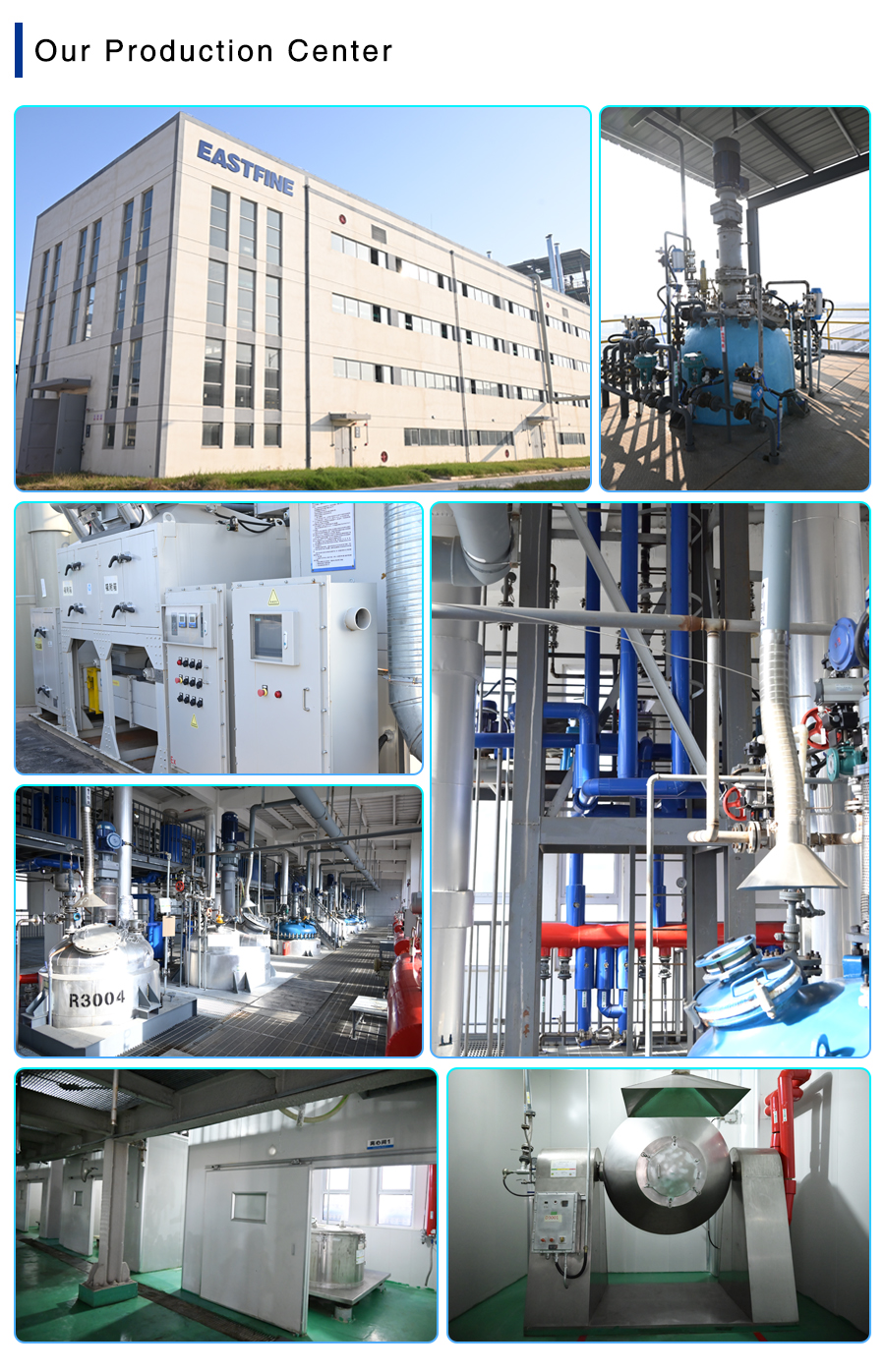
Securing multi-ton allocations for clinical trial supply and commercial drug production requires partnering with a vetted primary producer. EASTFINE provides global pharmaceutical developers with supply security, direct technical alignment, and integrated manufacturing capabilities:
Dual-Site Infrastructure (Dalian & Heze)
Single-site dependency creates supply chain vulnerability during regional environmental inspections, routine facility turnarounds, or localized operational disruptions. EASTFINE operates two primary production facilities located in Dalian and Heze:
Operational Redundancy:
Provides continuous production capability with seamless fallback options to eliminate delivery bottlenecks and prevent project delays.
Flexible Volume Scaling:
Accommodates demand shifts from multi-kilogram pilot batches for clinical trials up to multi-ton commercial production runs.
Direct Primary Producer Value & R&D Expertise
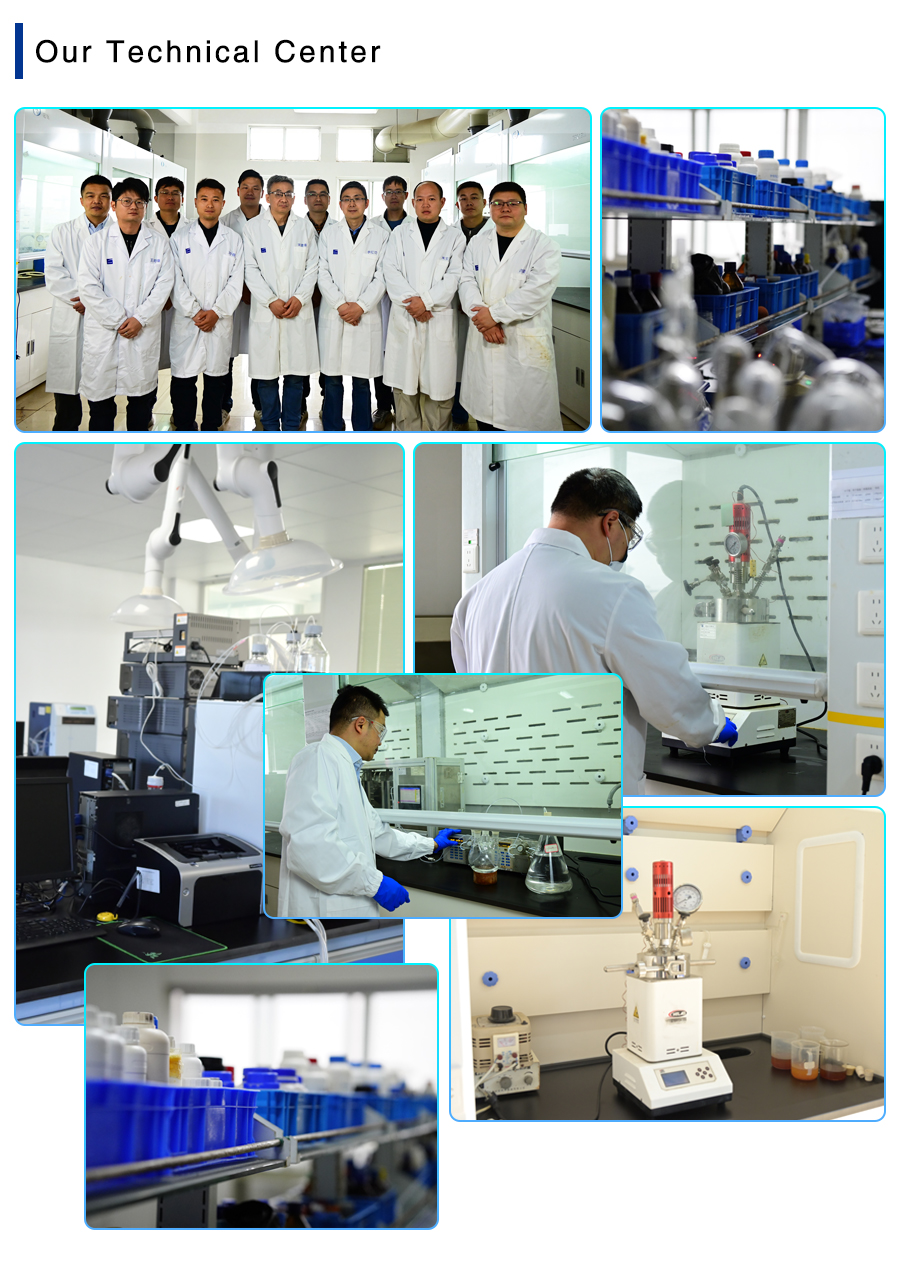
Supported by an internal chemical research team holding 19 invention patents and 8 utility model patents, EASTFINE focuses on process route optimization, atom economy, and yield maximization. Purchasing directly from a primary producer avoids trading company markups while opening direct lines of communication with process development chemists.
Integrated Quality Systems & Regulatory Support
EASTFINE facilities operate under ISO 9001, ISO 14001, and ISO 45001 management frameworks. Every production batch undergoes full analytical verification (GC-MS, HPLC, Karl Fischer, and NMR). Complete lot traceability, archival sample retention, and comprehensive analytical documentation support global regulatory filings and customer facility audits.
Conclusion
Securing a consistent, high-purity supply of Cyclobutanone (CAS No. 1191-95-3) is critical for advancing complex small-molecule pipelines without campaign interruptions. By pairing dual-site manufacturing resilience with direct primary producer expertise, EASTFINE serves as a dependable chemical supply partner for the global life science and fine chemical industries.
Contact EASTFINE's commercial sales team to request evaluation samples, review technical dossiers, or reserve campaign volume allocations.


 English
 العربية
 Français
 Русский
 Español
 Português
 Deutsch
 italiano
 日本語
日本語 한국어
한국어 Nederlands
 Tiếng Việt
 ไทย
ไทย Polski
 Türkçe
 አማርኛ
አማርኛ ພາສາລາວ
 Bahasa Melayu
 ဗမာစာ
ဗမာစာ Filipino
 Bahasa Indonesia
 magyar
 Română
 Čeština
 қазақ
қазақ Српски
 हिन्दी
 فارسی
فارسی Kiswahili
 Slovenčina
 Slovenščina
 Norsk
Norsk Svenska
 українська
 Ελληνικά
 Suomi
Suomi עברית
עברית Dansk
Dansk اردو
اردو Shqip
Shqip বাংলা
বাংলা Hrvatski
 Gaeilge
 Eesti keel
 Oʻzbekcha
 latviešu
 Azərbaycan dili
 Български
 ქართული
 íslenska
 Lietuvių


 简体中文
简体中文


