Introduction
The global agricultural input sector is experiencing a structural transition. With world populations expanding and arable land per capita declining, agrochemical innovators are under intense pressure to commercialize high-potency, environmentally sustainable crop protection formulations. Developing modern herbicides, systemic fungicides, and targeted insecticides depends heavily on securing specialized intermediate building blocks.
Among key secondary aliphatic amines, N-Isopropylmethylamine (CAS No. 4747-21-1) has emerged as a vital commercial intermediate. Featuring both a methyl group and a sterically bulky isopropyl group attached to a central nitrogen atom, this asymmetric secondary amine delivers targeted chemical performance in custom agrochemical synthesis.
For commercial directors, global sourcing leads, and raw material procurement managers, navigating the global market for N-Isopropylmethylamine requires balancing cost control, supply continuity, regulatory compliance, and primary vendor selection.
Global Market Drivers for N-Isopropylmethylamine (CAS No. 4747-21-1)
Understanding the commercial landscape surrounding N-Isopropylmethylamine allows enterprise buyers to forecast raw material demand, anticipate price shifts, and build resilient sourcing strategies.

Growing Demand for Next-Generation Herbicides and Crop Protection
Modern crop protection shifts away from broad-spectrum, high-dosage active ingredients toward low-dosage, selective molecules. Incorporating N-isopropylmethyl groups into heterocyclic agrochemical frameworks enhances lipid solubility, metabolic stability, and biological activity across targeted weeds and pests.
As global regulatory bodies enforce stricter residue thresholds and lower application rates per hectare, demand for specialized amine intermediates like N-Isopropylmethylamine continues to expand across North American, South American, and Asia-Pacific agricultural hubs.
Supply Chain Vulnerability and Price Volatility
Despite expanding commercial utility, the global market for CAS No. 4747-21-1 faces periodic supply chain bottlenecks. Key cost drivers include:
Upstream Raw Material Costs:
Price shifts in base petrochemical inputs—such as isopropylamine, methylating agents, and precursor alcohols—directly impact intermediate production costs.
Geopolitical & Environmental Tightening:
Stricter environmental monitoring in traditional manufacturing regions has forced non-compliant, small-scale batch producers to halt operations, leading to sudden supply drops and spot-market price spikes.
The Shift Toward Primary Producer Partnerships
Enterprise chemical buyers are moving away from spot-market trading models in favor of strategic partnerships with asset-heavy primary manufacturers. Securing direct supply contracts with established producers guarantees predictable lead times, transparent pricing models, and traceable batch quality—insulating multi-ton agricultural formulation campaigns from external market shocks.
Product Insights & Commercial Applications
N-Isopropylmethylamine offers a unique blend of reactivity, volatility, and structural versatility, making it a valuable intermediate for synthesis teams.
Product Name: N-Isopropylmethylamine / N-Methylpropan-2-amine
CAS Registry Number: 4747-21-1
Molecular Formula: C4H11N
Molecular Weight: 73.14 g/mol
Physical Form: Clear, colorless to pale yellow volatile liquid with a characteristic amine odor
Applications of N-Isopropylmethylamine
Agrochemical Active Synthesis
The primary commercial application for CAS No. 4747-21-1 lies in synthesizing active crop protection agents. It serves as a key intermediate in introducing the N-isopropyl-N-methyl group into novel sulfonylurea herbicides, carbamate derivatives, and specialized fungicides. Its presence modifies target site binding affinity, increases bio-absorption, and enhances rainfastness in field-applied formulations.
Pharmaceutical Building Block
Beyond agricultural chemistry, N-Isopropylmethylamine serves as a vital reagent in active pharmaceutical ingredient (API) development. It is used to synthesize central nervous system (CNS) modulators, cardiovascular agents, and specialized receptor ligands where sterically hindered secondary amine functions are required.
Custom Specialty & Fine Chemicals
Its nucleophilic secondary amine site allows N-Isopropylmethylamine to serve as a versatile synthon for custom organic synthesis, phase transfer catalysts, corrosion inhibitors, and surfactant manufacturing.
Advantages of N-Isopropylmethylamine
Incorporating N-Isopropylmethylamine into custom synthetic routes offers distinct advantages for commercial producers:
Balanced Steric Hindrance:
The combination of a compact methyl group and a branched isopropyl group creates a controlled steric environment, enabling selective nucleophilic substitutions while minimizing unwanted side reactions.
Enhanced Lipophilicity:
Introducing the N-isopropyl-N-methyl framework into active molecules increases lipophilicity, facilitating rapid uptake through plant cuticles and insect membranes.
High Chemical Yields:
Under optimized reaction conditions, CAS No. 4747-21-1 exhibits clean conversion profiles, reducing unreacted starting materials and simplifying downstream purification processes.
Synthetic Functionality
In industrial synthesis, N-Isopropylmethylamine functions primarily as a potent nucleophile. The lone pair of electrons on the secondary nitrogen atom readily attacks electrophilic carbons, carbamoyl chlorides, or sulfonyl species to construct stable carbon-nitrogen, amide, urea, or sulfonamide bonds.
The asymmetric isopropyl/methyl substitution prevents over-alkylation, yielding clean reaction mixtures. This precise steric balance accelerates reaction kinetics while preserving overall product selectivity—a key requirement for maintaining high process mass efficiency in large-scale commercial plants.
Manufacturing Overview
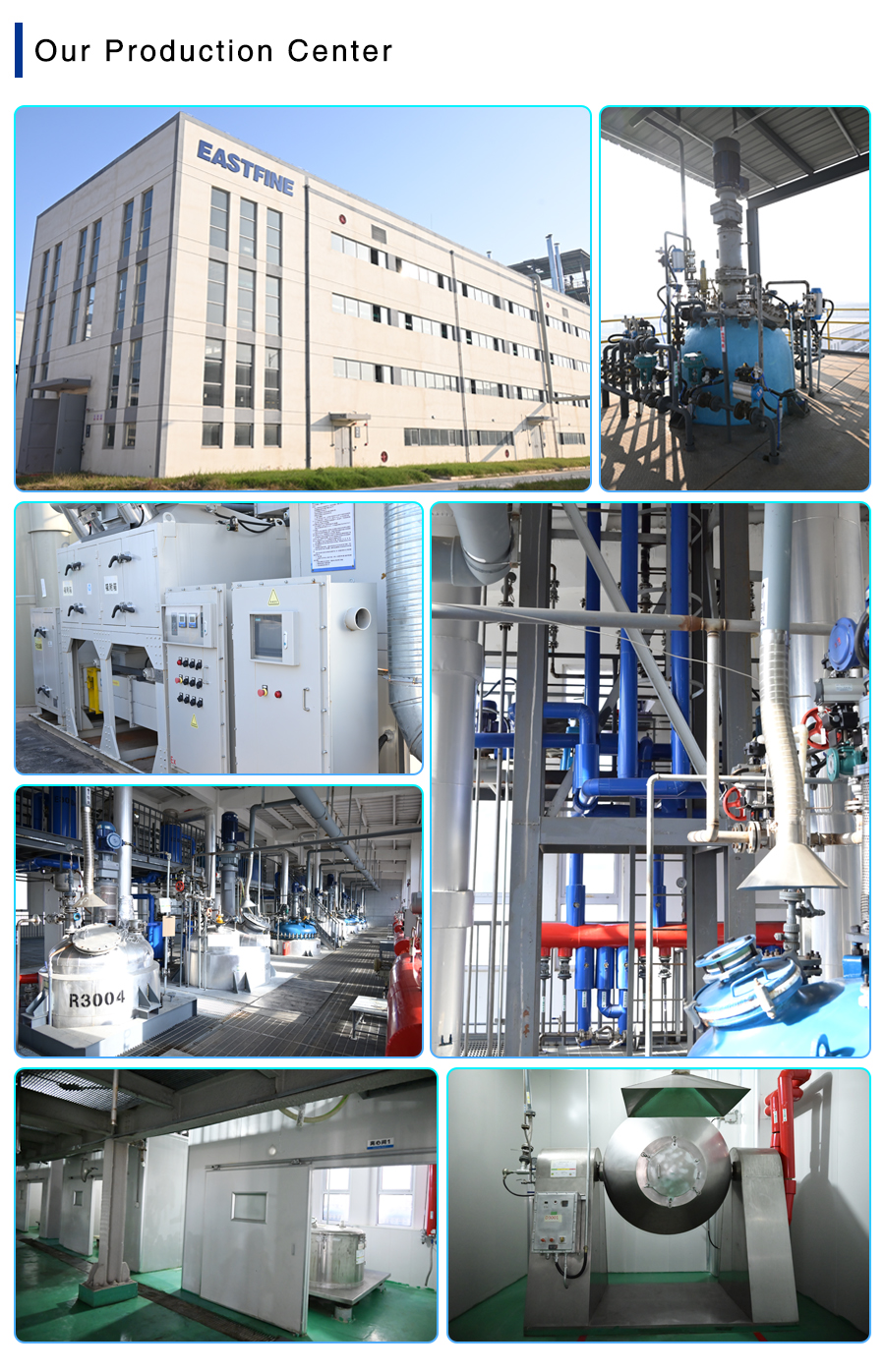
Producing high-purity N-Isopropylmethylamine at commercial scale requires specialized chemical engineering, rigorous thermal management, and continuous process control.
Industrial Synthetic Routes
Commercial production typically utilizes one of two primary catalytic pathways:
Reductive Amination:
Reacting isopropylamine with formaldehyde (or acetone with methylamine) under high-pressure catalytic hydrogenation conditions (using nickel or noble metal catalysts).
Direct Alkylation & Fractional Separation:
Controlled alkylation of isopropylamine using methylating agents, followed by multi-stage continuous fractional distillation to separate primary, secondary, and tertiary amine fractions.
Process Challenges & Engineering Controls
N-Isopropylmethylamine is a low-boiling, flammable liquid sensitive to atmospheric carbon dioxide and moisture (which can form carbamate salts). Manufacturing operations require:
Closed-Loop Distillation Units:
High-efficiency fractional columns to separate unreacted raw materials and achieve purity assays of 98.5% or higher.
Continuous In-Line Monitoring:
Automated Process Analytical Technology (PAT) to ensure tight control over moisture levels and trace amine impurities.
Product Stewardship: Quality & Storage
Maintaining product quality from factory exit to final customer delivery requires robust handling and storage controls.
Enterprise Quality Control Specifications
To ensure incoming raw material suitability for regulated agrochemical manufacturing, procurement teams should require the following quality specifications:
| Parameter | Quality Control Specification | Analytical Testing Method |
| Appearance | Clear, colorless to pale yellow liquid | Visual Inspection |
| Purity Assay (GC) | Equal to or greater than 98.5% | Capillary Gas Chromatography (GC-FID) |
| Moisture Content (Water) | Equal to or less than 0.30% (3000 ppm) | Coulometric Karl Fischer Titration |
| Related Amine Impurities | Equal to or less than 1.0% total | Capillary Gas Chromatography (GC-FID) |
| Boiling Point Range | 63.0 °C to 67.0 °C | Standard Distillation Range Protocol |
| Density (20 °C) | 0.715 g/cm³ to 0.725 g/cm³ | Digital Pycnometer / Densitometer |
Packaging, Storage, and Logistics Security
Due to its low boiling point, flammability, and volatility, N-Isopropylmethylamine requires specialized packaging protocols:
Inert Packaging:
Packaged under a dry nitrogen blanket in UN-rated, corrosion-resistant steel drums or ISO tank containers fitted with vapor-tight closures.
Storage Requirements:
Stored in cool, well-ventilated, explosion-proof hazardous material warehouses away from strong oxidizing agents, acids, and direct sunlight.
Global Logistics Support:
International shipments require strict compliance with dangerous goods transport regulations (IMDG/IATA/ADR), supported by complete Safety Data Sheets (SDS) and technical compliance documentation.
Why Choose EASTFINE as Your Manufacturing Partner
Securing a reliable supply of N-Isopropylmethylamine (CAS No. 4747-21-1) requires partnering with an established, asset-heavy primary manufacturer. EASTFINE offers global enterprise clients a complete sourcing package:
Strategic Dual-Site Manufacturing (Dalian & Heze)
EASTFINE operates two modern production complexes in Dalian and Heze. This dual-site setup eliminates single-point-of-failure risk. If one facility undergoes routine maintenance or environmental inspections, production allocations balance seamlessly across sites, ensuring multi-ton campaign deliveries arrive on schedule.
Patent-Backed R&D and Factory Economics
Driven by an internal R&D team holding 19 invention patents and 8 utility model patents, EASTFINE continuously optimizes catalytic process efficiency and atom economy. By working directly with EASTFINE, buyers eliminate middleman markups and gain transparent, factory-direct pricing.
ISO-Certified Quality & Environmental Compliance
Operating under cGMP guidelines with ISO 9001 and ISO 14001 certifications, EASTFINE provides full batch traceability, audit-ready compliance dossiers, and environmentally sound manufacturing practices.
Conclusion
As global agrochemical markets expand, securing a reliable, high-purity supply of N-Isopropylmethylamine (CAS No. 4747-21-1) is critical for protecting commercial product lines and margins. Partnering directly with EASTFINE gives procurement leaders full supply chain security, consistent product quality, and direct factory economics.
Contact EASTFINE’s commercial sales team today to request product samples, review technical dossiers, or reserve campaign allocations for your upcoming production cycles.


 English
 العربية
 Français
 Русский
 Español
 Português
 Deutsch
 italiano
 日本語
日本語 한국어
한국어 Nederlands
 Tiếng Việt
 ไทย
ไทย Polski
 Türkçe
 አማርኛ
አማርኛ ພາສາລາວ
 Bahasa Melayu
 ဗမာစာ
ဗမာစာ Filipino
 Bahasa Indonesia
 magyar
 Română
 Čeština
 қазақ
қазақ Српски
 हिन्दी
 فارسی
فارسی Kiswahili
 Slovenčina
 Slovenščina
 Norsk
Norsk Svenska
 українська
 Ελληνικά
 Suomi
Suomi עברית
עברית Dansk
Dansk اردو
اردو Shqip
Shqip বাংলা
বাংলা Hrvatski
 Gaeilge
 Eesti keel
 Oʻzbekcha
 latviešu
 Azərbaycan dili
 Български
 ქართული
 íslenska
 Lietuvių


 简体中文
简体中文


