You are here: Home » Blog » Quality Without Compromise: Analytical Specifications, Stabilizer Management, and Batch Consistency for Cyclopentanecarbaldehyde (CAS 872-53-7)
Quality Without Compromise: Analytical Specifications, Stabilizer Management, and Batch Consistency for Cyclopentanecarbaldehyde (CAS 872-53-7)
Views: 0 Author: Site Editor Publish Time: 2026-10-02 Origin: Site
Why Quality Governance Matters for a Reactive Aldehyde
Cyclopentanecarbaldehyde (CAS No. 872-53-7) is a deceptively simple molecule—a formyl group on a saturated five-membered ring—but its reactivity is precisely what makes quality control non-negotiable. As a colorless-to-pale-yellow liquid (boiling point 140–141 °C, density 0.919 g/mL at 25 °C), it feeds directly into reductive aminations, Wittig olefinations, and Grignard additions where even low-level impurities can suppress yields, seed side products, or fail downstream regulatory scrutiny.
For procurement and QA teams, qualifying a supply source means auditing the entire analytical and stability framework behind every drum.
Core Analytical Specification Framework
A defensible commercial specification for CAS 872-53-7 rests on orthogonal test methods:
Assay by Gas Chromatography (GC):
Purity is quantified by GC with flame ionization detection, with commercial grades typically specified at ≥98.0% area normalization. Method validation should confirm resolution between the parent aldehyde and its principal process impurities.
Identity Confirmation:
Structure is verified by FTIR and ⊃1;H/⊃1;⊃3;C NMR against a qualified reference standard, ensuring the cyclopentyl carbaldehyde skeleton and excluding isomeric contamination.
Acid Value & Oxidation Markers:
Because aldehydes autoxidize in air, cyclopentanecarboxylic acid content is the key degradation indicator. Tight acid-number limits protect downstream coupling chemistry from carboxylate interference.
Water Content:
Karl Fischer titration controls moisture, which can otherwise drive hydrate formation and compromise organometallic additions such as Grignard or organolithium steps.
Stabilizer Strategy & Oxidation Control
The single largest quality risk during storage and transit is oxidative degradation. Best-practice stabilization programs include:
Managing Stabilized Material
Antioxidant Selection:
Trace stabilizers—commonly hydroquinone at around 0.1% or hindered phenolics such as BHT—scavenge peroxy radicals and extend usable shelf life. The stabilizer type and concentration must appear on the COA, since some downstream reactions are sensitive to phenolic residues.
Inert-Atmosphere Packaging:
Nitrogen blanketing of drum headspace displaces oxygen, while amber or opaque containment limits photo-oxidation throughout warehousing and ocean transit.
Cold-Chain Storage Windows:
Storage at 2–8 °C—or at minimum in cool, dry, well-ventilated flammable-goods warehousing—measurably slows oxidation kinetics and preserves assay over multi-quarter holding periods.
Batch Consistency & Documentation Discipline
For regulated pharmaceutical and agrochemical customers, lot-to-lot reproducibility matters as much as absolute purity:
Certificate of Analysis (COA) Completeness:
Every batch should ship with a full COA covering appearance, assay, acid value, water, residual solvents, and stabilizer content, cross-referenced to batch and drum numbers.
Retained Sample Program:
Manufacturers should archive retained samples from each lot—typically for at least twice the shelf life—enabling retrospective investigation of any downstream deviation.
Change-Control Notification:
Any modification to synthesis route, raw material source, or purification train must trigger formal customer notification, preserving the validity of existing process validations.
Primary Manufacturing Partner: EASTFINE
EASTFINE approaches CAS 872-53-7 quality as an engineered system, not an inspection step.
Dual-Site Production Security
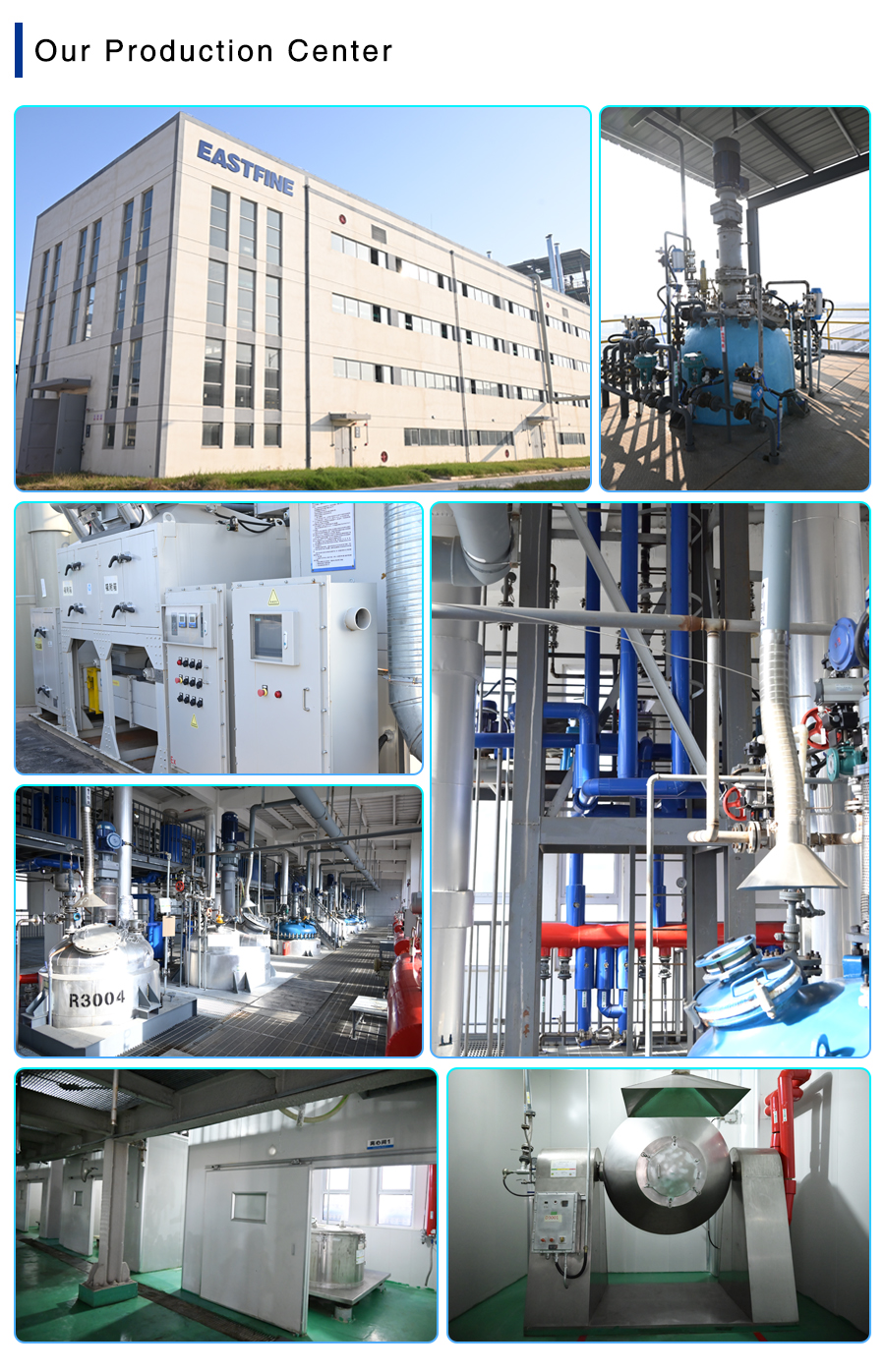
Operating two independent plants in Dalian and Heze, EASTFINE aligns both sites to a single specification and method-transfer protocol:
Harmonized Specifications:
Identical QC methods and reference standards across both sites make dual-sourcing seamless for customers running validated processes.
Scalable Release Capacity:
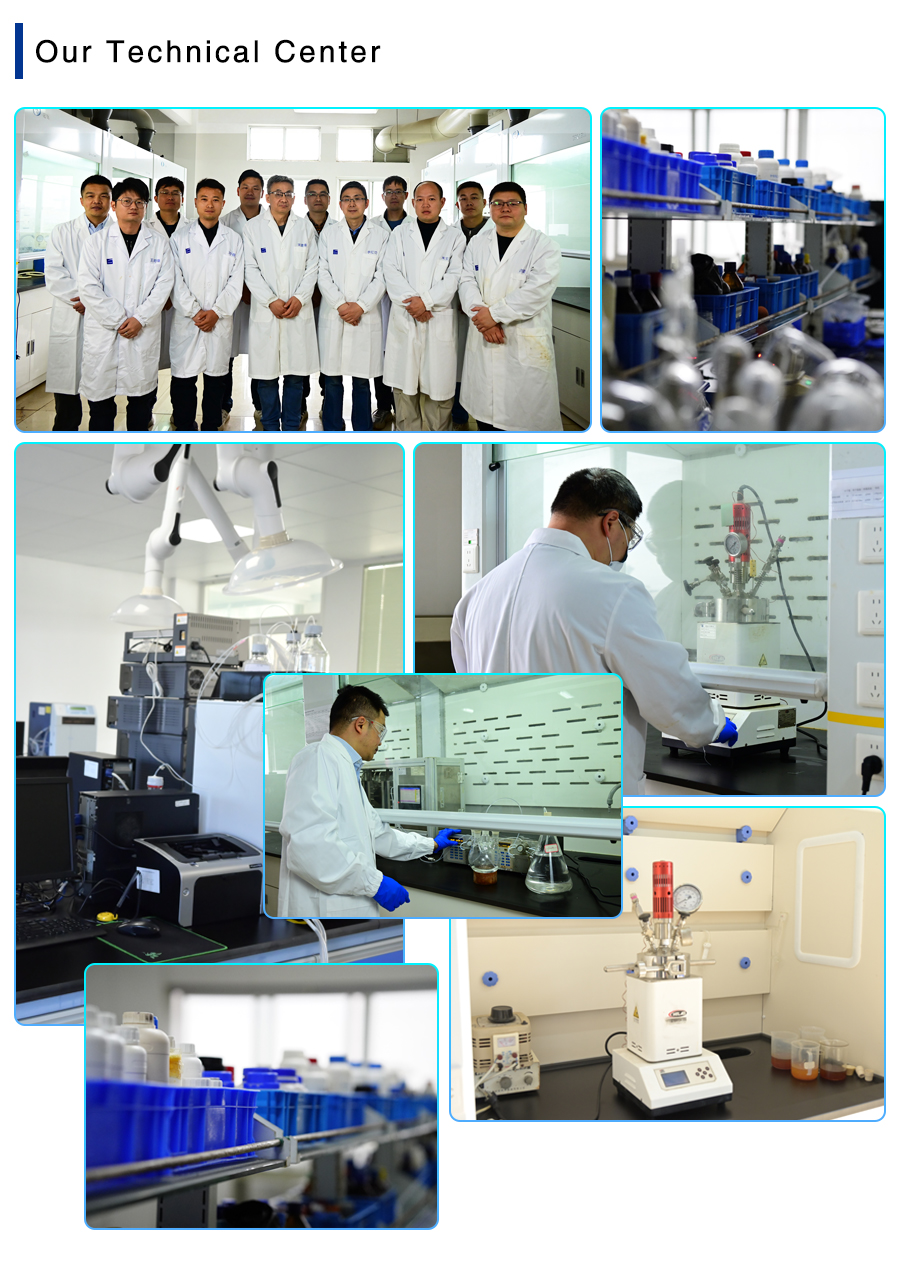
In-house GC, KF, and NMR capability supports rapid lot release from pilot scale through multi-ton campaigns.
Patent-Backed Process R&D
With 19 invention patents and 8 utility model patents, EASTFINE's R&D team refines synthesis and purification routes to suppress impurity formation at the source—reducing reliance on corrective purification and improving intrinsic batch consistency.
Full ISO System Compliance
Certified ISO 9001, ISO 14001, and ISO 45001 management systems govern documentation control, retained samples, deviation management, and audit readiness across every shipment.
Summary & Commercial Inquiries
For Cyclopentanecarbaldehyde (CAS No. 872-53-7), quality is defined by analytical rigor, oxidation control, and documented consistency—not by a single assay number. EASTFINE's specification governance, stabilizer management, and dual-site QC harmonization give procurement and QA teams the confidence to lock this intermediate into validated processes.
To obtain a current specification sheet, sample COA, or evaluation sample, contact EASTFINE's quality and sourcing team today.


 English
 العربية
 Français
 Русский
 Español
 Português
 Deutsch
 italiano
 日本語
日本語 한국어
한국어 Nederlands
 Tiếng Việt
 ไทย
ไทย Polski
 Türkçe
 አማርኛ
አማርኛ ພາສາລາວ
 Bahasa Melayu
 ဗမာစာ
ဗမာစာ Filipino
 Bahasa Indonesia
 magyar
 Română
 Čeština
 қазақ
қазақ Српски
 हिन्दी
 فارسی
فارسی Kiswahili
 Slovenčina
 Slovenščina
 Norsk
Norsk Svenska
 українська
 Ελληνικά
 Suomi
Suomi עברית
עברית Dansk
Dansk اردو
اردو Shqip
Shqip বাংলা
বাংলা Hrvatski
 Gaeilge
 Eesti keel
 Oʻzbekcha
 latviešu
 Azərbaycan dili
 Български
 ქართული
 íslenska
 Lietuvių


 简体中文
简体中文