You are here: Home » Blog » From Bench to Bulk: Synthesis Routes, Scale-Up Economics, and Custom Manufacturing for Cyclopentanecarbaldehyde (CAS 872-53-7)
From Bench to Bulk: Synthesis Routes, Scale-Up Economics, and Custom Manufacturing for Cyclopentanecarbaldehyde (CAS 872-53-7)
Views: 0 Author: Site Editor Publish Time: 2026-10-07 Origin: Site
Why Manufacturing Strategy Defines This Intermediate's True Cost
Cyclopentanecarbaldehyde (CAS No. 872-53-7) looks inexpensive on a catalog page and expensive in a failed campaign. The difference lies in how it is made. As a C6 carbocyclic aldehyde (C₆H₁₀O, MW: 98.14 g/mol, boiling point 140–141 °C), its commercial viability depends on route selection, byproduct control, and the producer's ability to carry laboratory chemistry across pilot and industrial scales without losing purity or yield.
For procurement leaders and process chemists, evaluating a supplier means evaluating the synthesis itself.
Principal Synthesis Pathways
Two industrial route families dominate production of CAS 872-53-7, each with distinct cost and quality trade-offs:
Hydroformylation of Cyclopentene:
Cyclopentene reacts with synthesis gas (CO/H₂) over rhodium or cobalt catalysts to install the formyl group in a single atom-economical step. This route offers high throughput and excellent selectivity, and modern rhodium-catalyzed variants can even deliver chiral cyclopentane carboxaldehydes with high enantiomeric excess for advanced pharmaceutical work. The trade-offs are catalyst cost and the capital intensity of pressurized gas handling.
Oxidation of Cyclopentanol or Cyclopentene:
Controlled oxidation routes use established oxidant systems to convert readily available cyclopentanol into the target aldehyde. These processes run in conventional stirred-tank equipment with lower capital barriers, but demand tight endpoint control to avoid over-oxidation to cyclopentanecarboxylic acid—the principal quality risk.
Route Selection Criteria
Impurity Budget:
Buyers should match the route to the application's impurity tolerance: hydroformylation favors low acid and peroxide levels, while optimized oxidation routes can be more economical for standard-purity campaigns.
Scale Fit:
Gas-phase carbonylation rewards large continuous campaigns; oxidation chemistry flexes more easily across smaller batch sizes.
Scale-Up Economics & Yield Discipline
Moving from gram-scale screening to multi-ton production changes the cost structure fundamentally:
Yield Compounding:
Every percentage point of yield loss at the aldehyde stage multiplies through downstream steps. Producers with continuously optimized routes protect customers from paying for inefficiency.
Purification Engineering:
Fractional distillation under reduced pressure separates the aldehyde (bp 140–141 °C) from heavier and lighter fractions; column design and reflux control determine whether commercial lots consistently clear the ≥98% assay threshold.
Campaign Sequencing:
Producers running dedicated aldehyde campaigns avoid cross-contamination risks inherent in multi-product equipment—a detail that belongs in every technical audit questionnaire.
Custom & Contract Manufacturing Value
Beyond standard grades, custom manufacturing unlocks specification-matched supply:
Application-Specific Grades:
Stabilizer-free lots for stabilization-sensitive reactions, enhanced-purity grades for regulated pharmaceutical use, and defined stabilizer packages for extended-shelf-life fragrance applications.
Derivative Partnerships:
One-step derivatives—cyclopentanemethanol by reduction, cyclopentanecarboxylic acid by oxidation, cyclopentylmethylamines by reductive amination—can be produced in the same network, compressing customer supply chains.
Tech-Transfer Support:
Mature producers supply process data packages, reference standards, and analytical methods that shorten customer validation timelines.
Primary Manufacturing Partner: EASTFINE
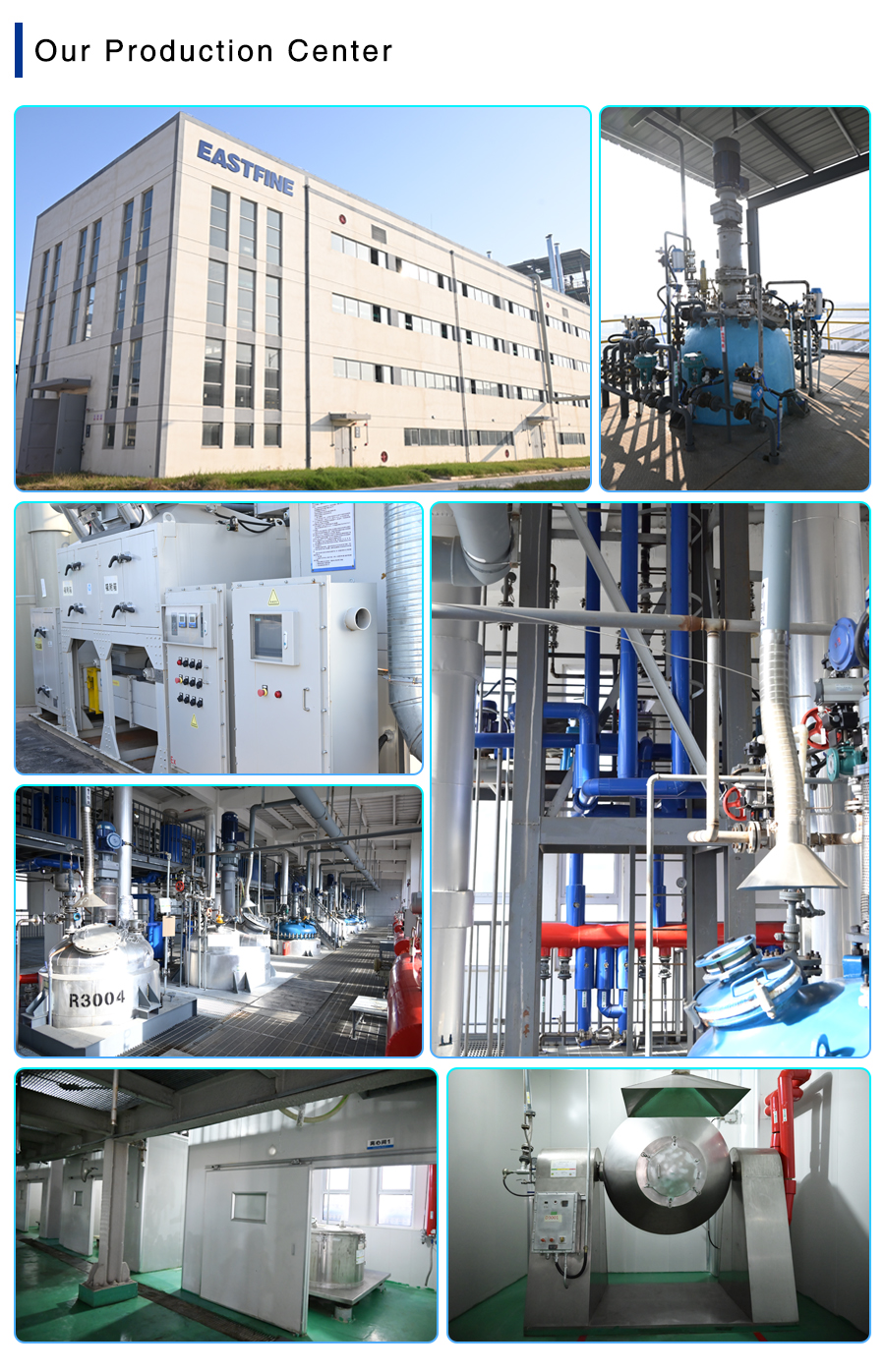
EASTFINE manufactures Cyclopentanecarbaldehyde in-house, at scale, with the engineering depth custom programs require.
Dual-Site Production Security
Two independent manufacturing hubs in Dalian and Heze provide both geographic redundancy and genuine scale elasticity:
Pilot-to-Commercial Continuity:
Projects begin with kilogram evaluation lots and expand to multi-ton annual contracts inside one validated supply relationship—no requalification between scales.
Parallel Campaign Capability:
Dual reactors and distillation trains allow simultaneous standard-grade and custom-grade campaigns without cross-contamination.
Patent-Backed In-House Production
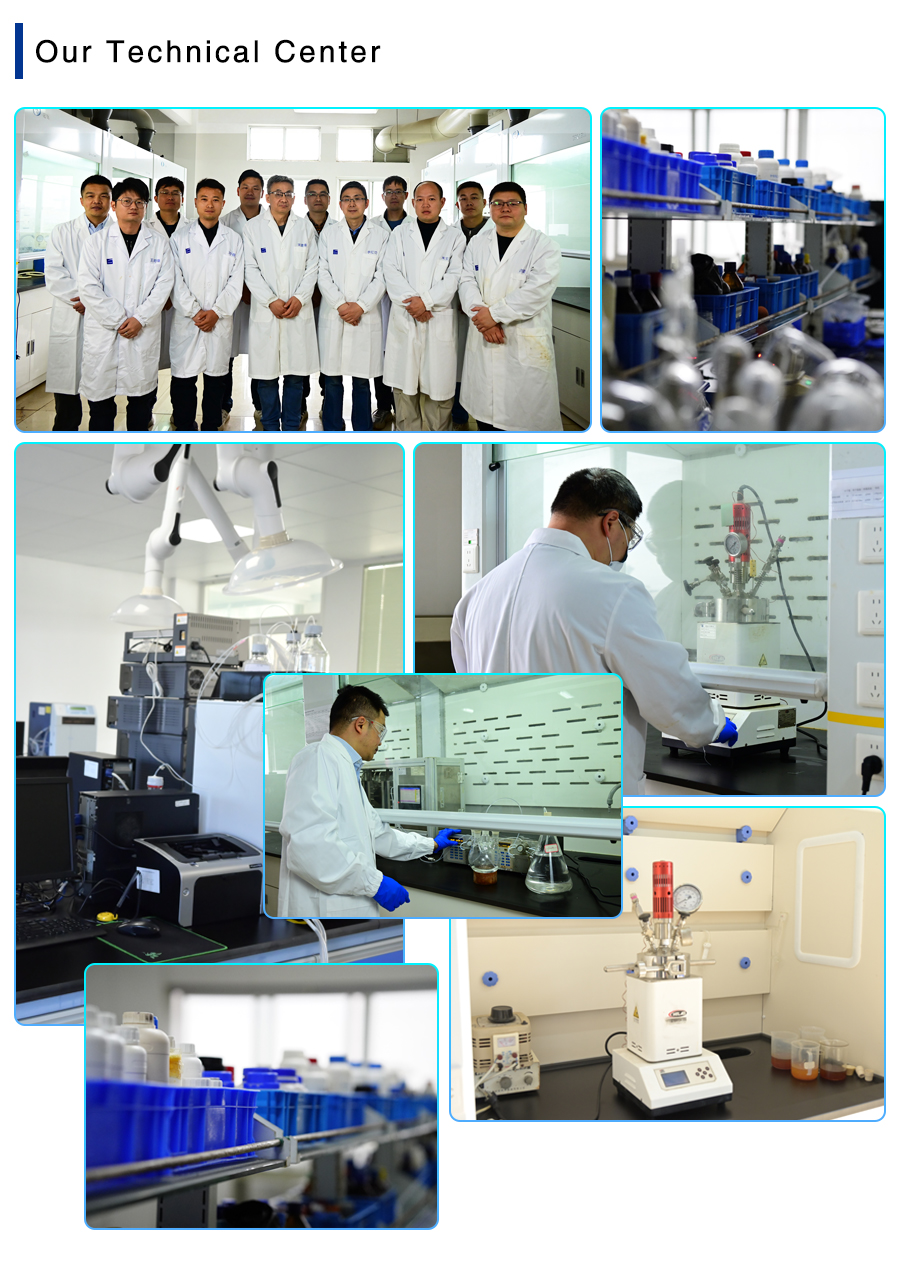
An R&D organization holding 19 invention patents and 8 utility model patents drives continuous route optimization—raising yields, suppressing acid byproducts, and lowering unit costs. Factory-direct terms pass those efficiencies to buyers without intermediary markups.
Full ISO System Compliance
ISO 9001, ISO 14001, and ISO 45001 certification governs process control, environmental management, and workplace safety across both sites, with complete COA documentation and retained-sample traceability for every lot.
Summary & Commercial Inquiries
The true cost of Cyclopentanecarbaldehyde (CAS No. 872-53-7) is set at the reactor, not the quotation. Route selection, distillation discipline, and dual-site scale-up capability determine whether this intermediate arrives on time, on specification, and on budget. EASTFINE's patent-backed, factory-direct manufacturing platform delivers exactly that combination.
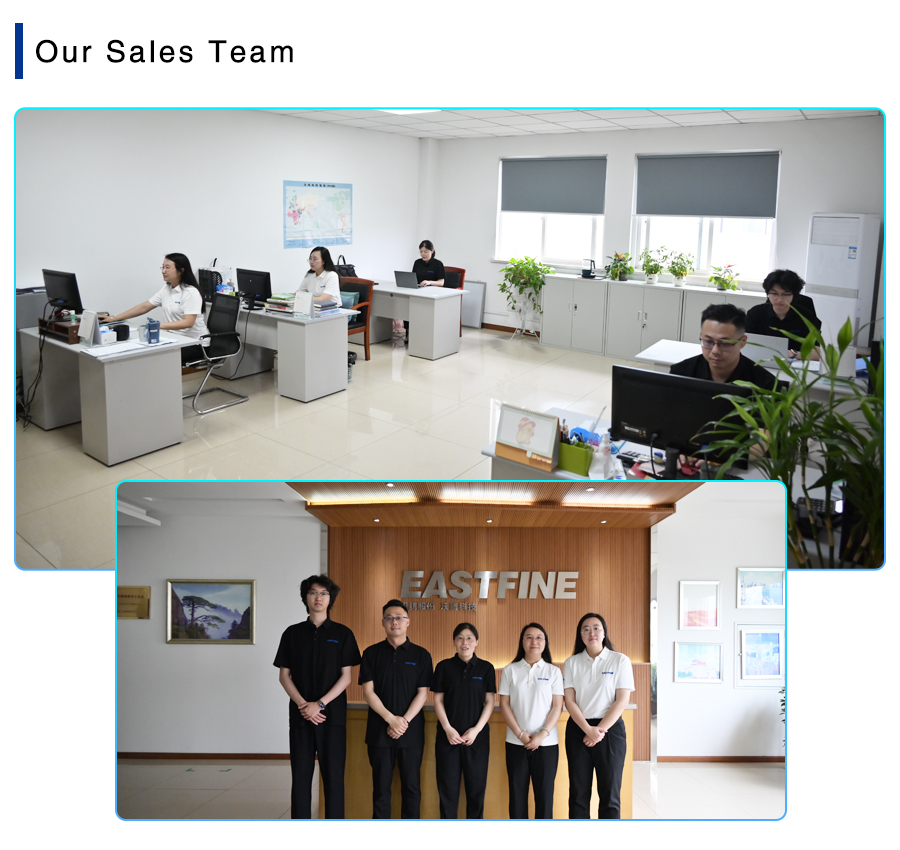
To discuss synthesis-route questions, custom specifications, pilot quantities, or multi-ton contract manufacturing, contact EASTFINE's technical sales team today.


 English
 العربية
 Français
 Русский
 Español
 Português
 Deutsch
 italiano
 日本語
日本語 한국어
한국어 Nederlands
 Tiếng Việt
 ไทย
ไทย Polski
 Türkçe
 አማርኛ
አማርኛ ພາສາລາວ
 Bahasa Melayu
 ဗမာစာ
ဗမာစာ Filipino
 Bahasa Indonesia
 magyar
 Română
 Čeština
 қазақ
қазақ Српски
 हिन्दी
 فارسی
فارسی Kiswahili
 Slovenčina
 Slovenščina
 Norsk
Norsk Svenska
 українська
 Ελληνικά
 Suomi
Suomi עברית
עברית Dansk
Dansk اردو
اردو Shqip
Shqip বাংলা
বাংলা Hrvatski
 Gaeilge
 Eesti keel
 Oʻzbekcha
 latviešu
 Azərbaycan dili
 Български
 ქართული
 íslenska
 Lietuvių


 简体中文
简体中文