The global agrochemical and fine chemical landscapes are experiencing unprecedented structural shifts. Driven by corporate mergers, private equity buyouts, and strategic portfolio rationalizations, agrochemical crop protection majors and CDMO networks are actively restructuring their upstream supply chains. In this environment of market consolidation, 3-iodo-N2-(2-methyl-1-(methylthio)propan-2-yl)-N1-(2-methyl-4-(perfluoropropan-2-yl)phenyl)phthalamide (CAS No. 272451-61-3) stands out as a high-value, strategically sensitive phthalamide intermediate essential for formulating advanced diamide insecticides (such as Flubendiamide).
As corporate acquisitions unite previously separate formulation assets, procurement directors and strategic sourcing leads face dual pressures: mitigating supply concentration risks resulting from vendor M&A while optimizing vendor consolidation to capture scale economies. Aligning with an independent, technologically capable primary manufacturer ensures that enterprise buyers maintain leverage, guard against single-source bottlenecks, and preserve operational flexibility through market transitions.
Industry consolidation often leads to hidden single-source vulnerabilities when multiple acquired suppliers rely on the same underlying sub-tier production facility:
Strategic Sourcing Priorities
Sub-Tier Supply Mapping:
Auditing the true manufacturing origin of intermediate building blocks prevents "phantom diversification"—where procurement teams contract with different commercial brokers that ultimately source from the same single sub-tier facility.
Dual-Vendor Allocation Frameworks:
Establishing a primary/secondary sourcing split (e.g., 70/30 or 80/20) with an independent primary producer guarantees active backup capacity and benchmark pricing visibility.
Insulation from Corporate Restructuring:
Partnering with financially stable, privately held primary manufacturers shields raw material availability from corporate divestitures, plant sell-offs, or post-merger integration delays.
Strategic Evaluation: Consolidated Brokers vs. Independent Primary Producers
Navigating post-merger supply environments requires evaluating potential vendor partners through an operational and corporate governance lens:
Sourcing & Governance Metric
Merged / Consolidated Trading Entities
Independent Primary Manufacturer
Strategic Commercial Advantage
Operational Focus & Priorities
Frequent portfolio changes and channel shifts
Dedicated, long-term fine chemical focus
Ensures long-term product availability and support
Supply Chain Lineage
Re-routed sourcing origins post-acquisition
Direct, fully auditable dual-site production
Prevents unannounced changes to manufacturing origin
Contractual Agility
Standardized corporate terms with slow approval
Flexible, tailored master supply agreements
Enables rapid adaptation to shifting demand surges
Maintaining material purity across changing cross-border distribution networks demands rigorous packaging and storage standards:
Heavy-Duty Protective Containment:
Packaged in heavy-duty 25 kg fiber or steel drums with sealed double-layer polyethylene inner liners, ensuring chemical stability and isolation from ambient moisture and air.
Automated Dock & Pallet Handling:
Standardized loading on heat-treated, shrink-wrapped export pallets engineered for seamless integration into consolidated enterprise warehouse management systems.
Environmental Storage Guidelines:
Recommended staging in dedicated, dry, cool, and well-ventilated chemical facilities maintained below 25 °C, strictly isolated from strong oxidizers or reducing agents.
Preferred Primary Manufacturing Partner: EASTFINE
For global crop protection companies, multinational agricultural formulation networks, and CDMOs seeking vendor diversification, supply stability, and cost transparency for CAS 272451-61-3, EASTFINE delivers an independent and integrated manufacturing partnership.
Dual-Site Production Resilience & Operational Independence
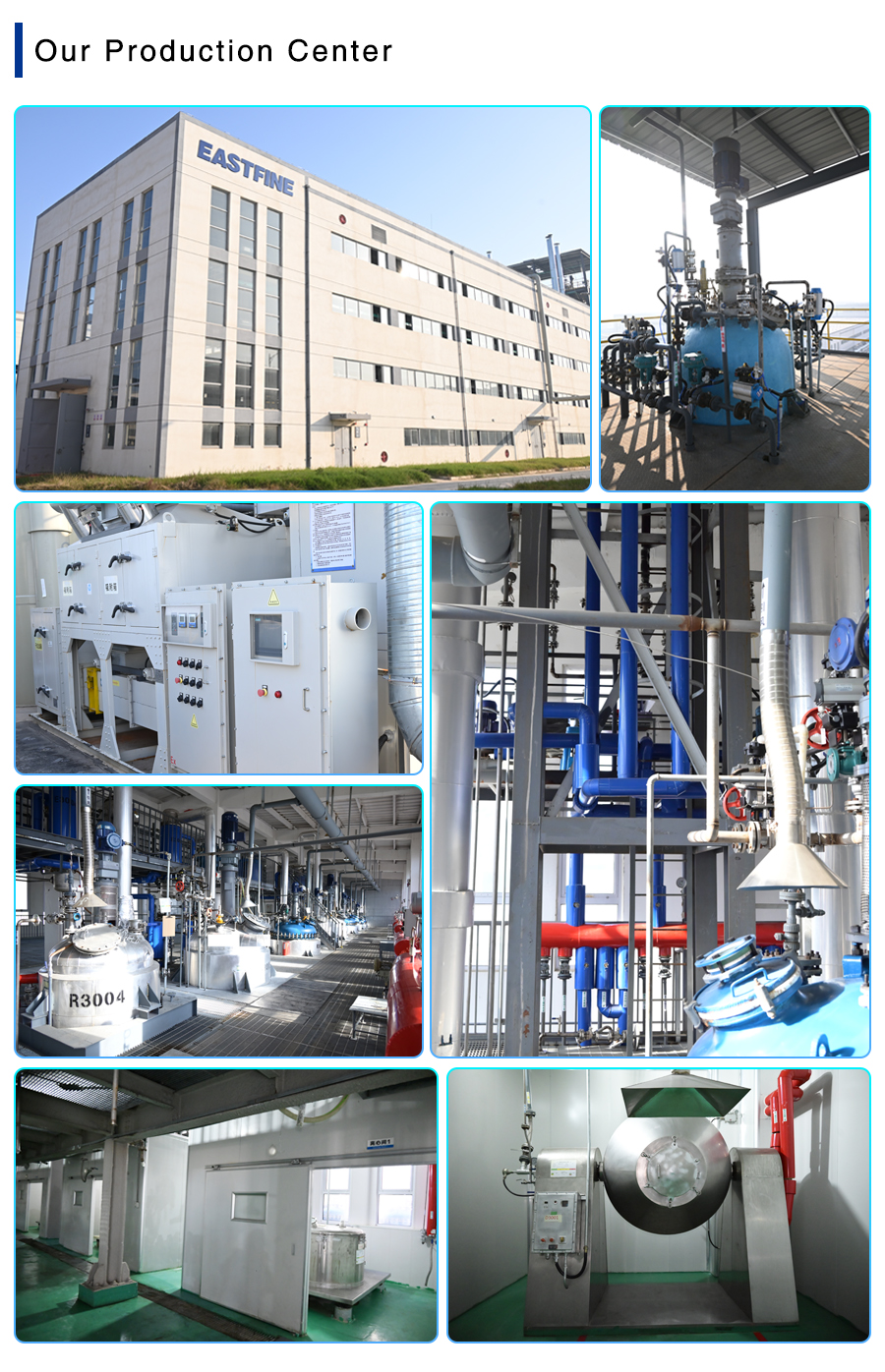
EASTFINE operates two fully independent, modern chemical manufacturing complexes located in Dalian and Heze:
Uninterrupted Campaign Supply:
Multi-site operational redundancy ensures continuous product flow, protecting downstream synthesis schedules against localized maintenance halts or corporate supply realignments.
Scalable Commercial Capacity:
Supports flexible master supply agreements, scaling output from pilot evaluation lots to multi-ton commercial contract supply with reliable lead-time commitments.
Patent-Backed In-House R&D & Factory-Direct Value
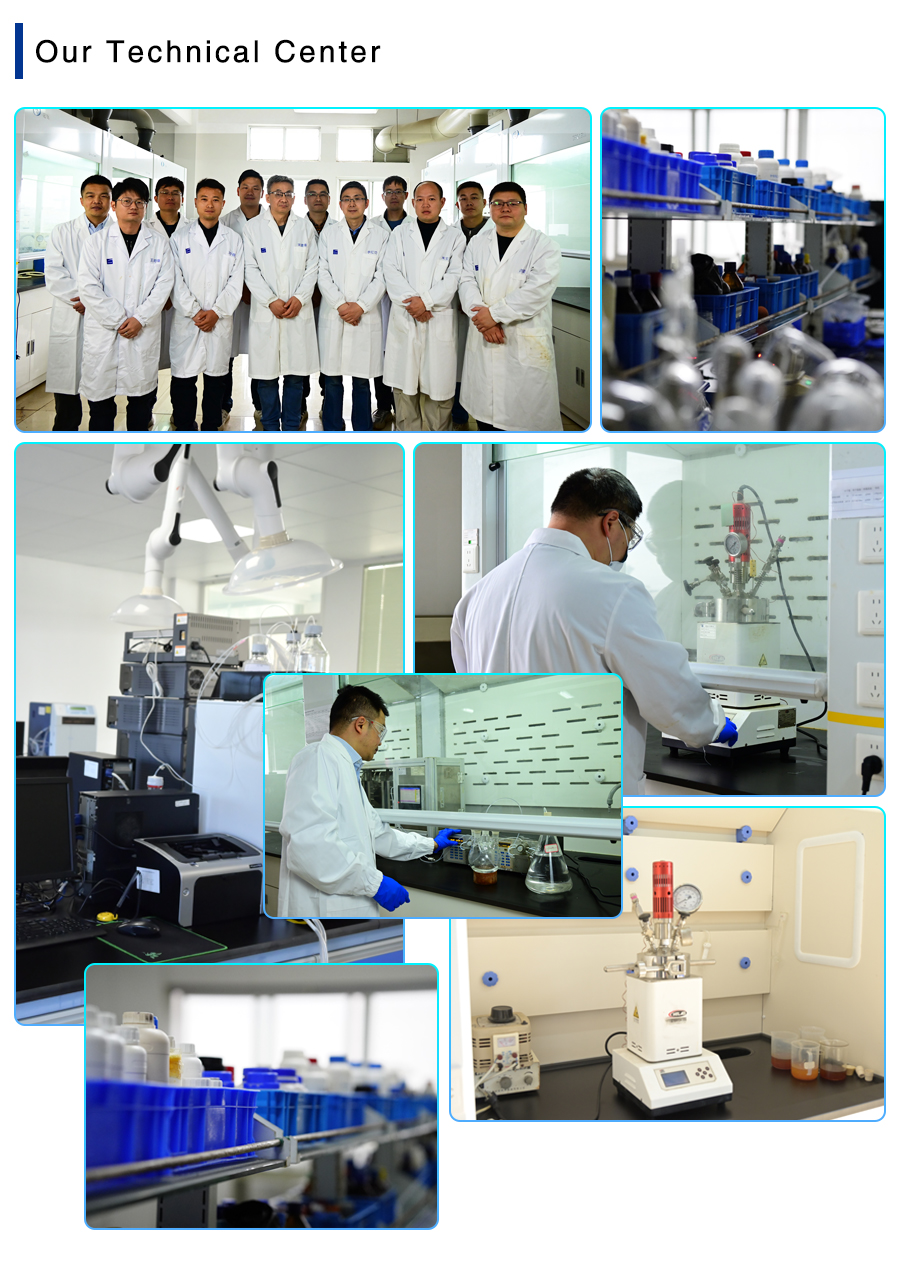
Supported by a dedicated R&D team holding 19 invention patents and 8 utility model patents, EASTFINE respects intellectual property rights while continuously optimizing synthetic pathways to maximize reaction yields and eliminate unnecessary cost drivers. Sourcing directly from the primary producer removes intermediate broker markups, delivering transparent, factory-direct value.
ISO Compliance & Comprehensive Quality Dossiers
Operating under certified ISO 9001, ISO 14001, and ISO 45001 management systems, EASTFINE accompanies every commercial batch with complete Certificate of Analysis (COA) testing documentation, trace analytical profiles, and sample retention protocols to support global customer audits and regulatory compliance.
Summary & Commercial Inquiries
CAS No. 272451-61-3 remains a crucial structural building block in modern pest control technology. Aligning with an established, independent primary manufacturer ensures the supply resilience, cost predictability, and strategic flexibility necessary to navigate evolving global agricultural markets successfully.
To discuss vendor diversification strategies, master supply agreements, request product samples, or evaluate commercial volume pricing schedules, contact EASTFINE's procurement sourcing team today.


 English
 العربية
 Français
 Русский
 Español
 Português
 Deutsch
 italiano
 日本語
 한국어
 Nederlands
 Tiếng Việt
 ไทย
 Polski
 Türkçe
 አማርኛ
 ພາສາລາວ
 Bahasa Melayu
 ဗမာစာ
 Filipino
 Bahasa Indonesia
 magyar
 Română
 Čeština
 қазақ
 Српски
 हिन्दी
 فارسی
 Kiswahili
 Slovenčina
 Slovenščina
 Norsk
 Svenska
 українська
 Ελληνικά
 Suomi
 עברית
 Dansk
 اردو
 Shqip
 বাংলা
 Hrvatski
 Gaeilge
 Eesti keel
 Oʻzbekcha
 latviešu
 Azərbaycan dili
 Български
 ქართული
 íslenska
 Lietuvių


 简体中文