You are here: Home » Blog » Strategic Risk Management, Business Continuity Planning, and Alternative Sourcing Resilience for CAS 138229-59-1
Strategic Risk Management, Business Continuity Planning, and Alternative Sourcing Resilience for CAS 138229-59-1
Views: 0 Author: Site Editor Publish Time: 2026-10-30 Origin: Site
Executive Summary & Supply Continuity Dynamics
In the regulated and capital-intensive landscape of active pharmaceutical ingredient (API) manufacturing, unexpected disruptions—ranging from regional logistical bottlenecks and utility restrictions to geopolitical shifts—can halt production lines and jeopardize commercial drug supply. For procurement directors and supply chain risk managers overseeing critical building blocks like Methyl 3-formyl-2-nitrobenzoate (CAS No. 138229-59-1)—an essential aromatic precursor for advanced oncology therapeutics such as PARP inhibitors and hypoxia-inducible factor (HIF) stabilizers—robust Business Continuity Planning (BCP) is an absolute operational necessity.
Relying on single-source suppliers or unverified spot-market traders exposes pharmaceutical enterprises to severe inventory stockouts. Establishing a comprehensive risk-management framework anchored by a primary manufacturer with dual-site operational redundancy ensures uncompromised supply continuity, protects manufacturing schedules, and safeguards commercial market share.
Business Continuity Planning (BCP) & Supply Disruption Mitigation
Securing multi-step pharmaceutical synthesis pipelines against unforeseen shocks requires proactive risk-assessment modeling and strategic contingency planning:
Strategic BCP and Risk Mitigation Priorities
Multi-Site Operational Redundancy:
Partnering with primary manufacturers that operate independent, geographically separated production complexes eliminates single-facility vulnerability, allowing seamless failover during regional maintenance or utility halts.
Proactive Inventory Buffering:
Establishing structured safety stock thresholds and consignment agreements ensures that downstream finishing facilities maintain an uninterrupted buffer against sudden transit or customs delays.
Validated Alternative Route Planning:
Working with primary R&D innovators ensures that synthesis methodologies are fully documented and standardized, facilitating rapid qualification if supply chain adjustments become necessary.
Risk Evaluation Matrix: Spot Traders vs. Integrated Primary Producers
Supply chain risk managers evaluate intermediate procurement partners through a rigorous operational risk framework to minimize exposure to market volatility and delivery failure:
Guarantees continuous supply during regional disruptions
Supply Chain Traceability
Fragmented documentation and handling
Complete, end-to-end batch lot lineage
Streamlines quality audits and regulatory compliance
Contractual Enforceability
Short-term transactional vulnerability
Long-term master supply agreement security
Secures predictable volume allocation and pricing
Protective Packaging and Secure Logistics Contingencies
Protecting high-value chemical intermediates against transit hazards and environmental degradation during international shipping requires strict packaging and logistics governance:
Robust Barrier Packaging:
Shipped in heavy-duty industrial fiber or steel drums equipped with double-layered polyethylene inner liners to shield the reactive compound from moisture, light, and atmospheric oxygen.
Palletized Transport Security:
Standardized loading on heat-treated, shrink-wrapped export pallets engineered to withstand rigorous ocean freight handling and prevent warehouse stacking damage.
Controlled Warehouse Staging:
Recommended storage in dedicated, dry, cool, and well-ventilated chemical facilities maintained below 25 °C, strictly separated from strong oxidizing or reducing agents.
Preferred Resilient Partner: EASTFINE
For global pharmaceutical brands, specialty chemical enterprises, and CDMOs seeking absolute supply continuity, robust business continuity planning, and reliable manufacturing for Methyl 3-formyl-2-nitrobenzoate, EASTFINE delivers an integrated partnership model.
Dual-Site Production Security & Risk Elimination
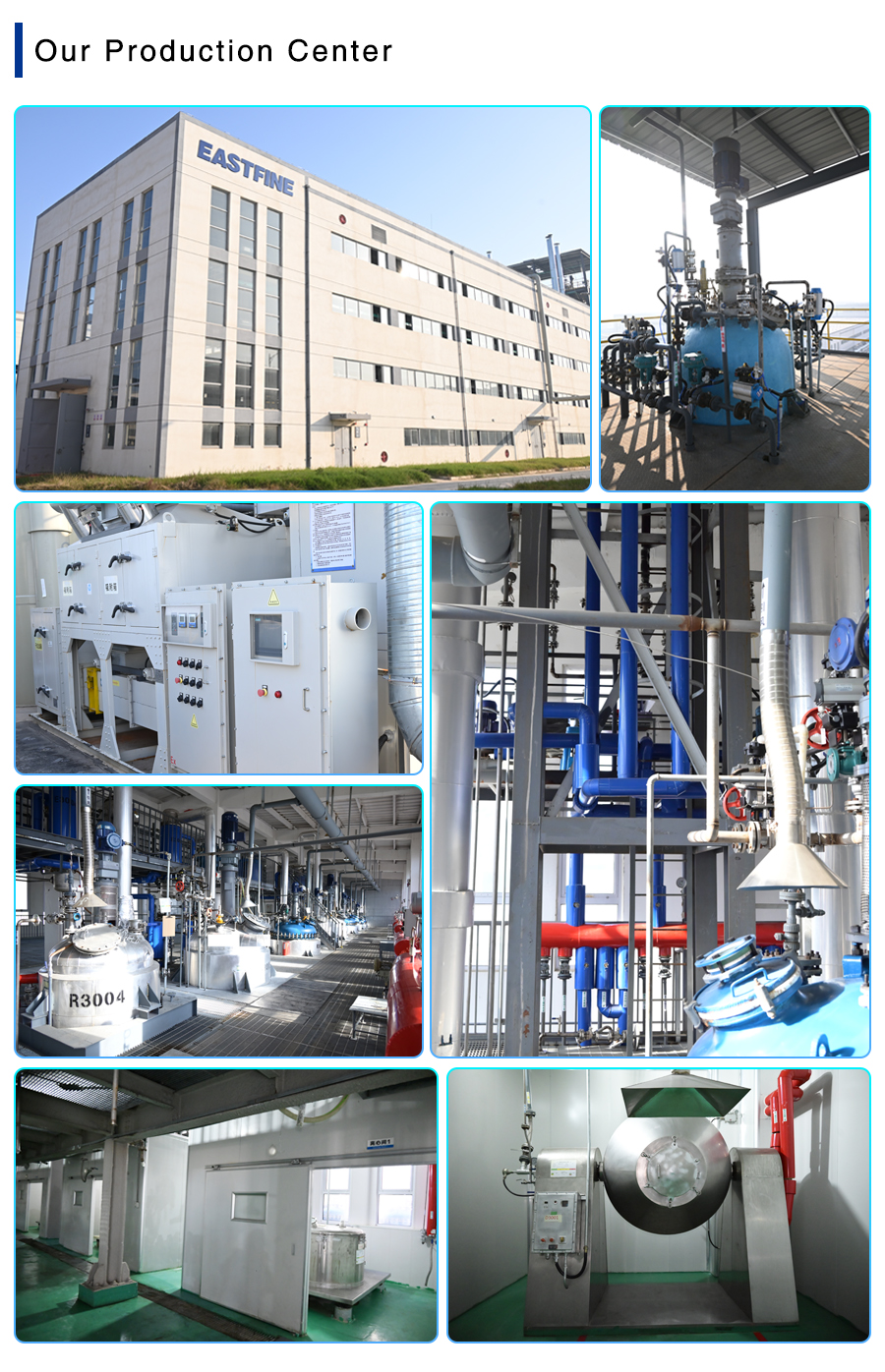
EASTFINE operates two fully independent, modern chemical manufacturing complexes located in Dalian and Heze:
Uninterrupted Campaign Delivery:
Dual-site operational redundancy ensures continuous product flow, protecting downstream synthesis schedules against localized environmental maintenance, utility constraints, or transport interruptions.
Scalable Volume Capacity:
Supports flexible master supply agreements backed by robust contingency frameworks, scaling output from pilot evaluation batches to multi-ton commercial contract supply.
Patent-Backed In-House R&D & Factory-Direct Value
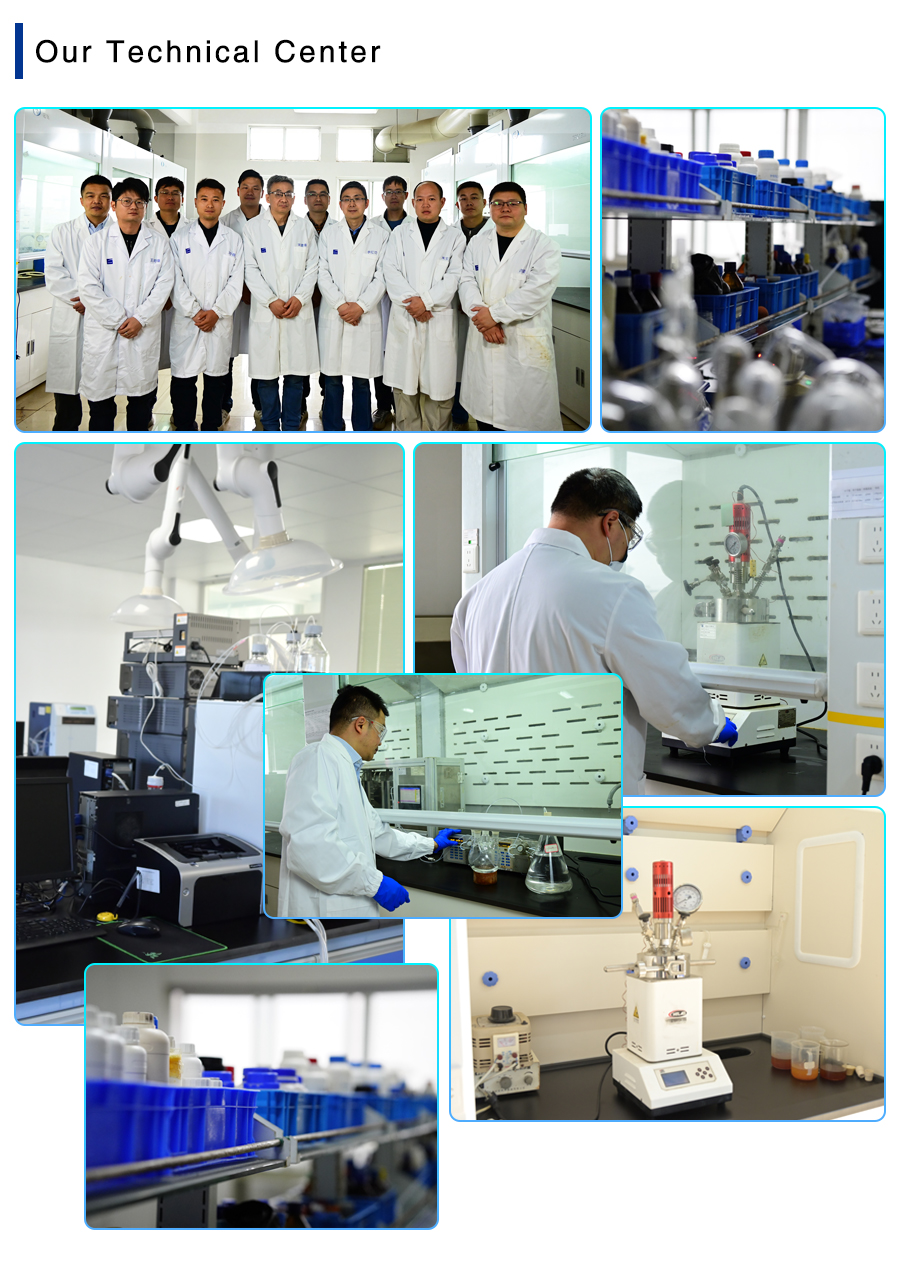
Supported by a dedicated R&D team holding 19 invention patents and 8 utility model patents, EASTFINE continuously collaborates with clients to optimize synthesis routes, maximize reaction yields, and eliminate unnecessary cost drivers. Sourcing directly from the primary producer removes intermediate trading markups, providing transparent, factory-direct value.
ISO Compliance & Comprehensive Quality Integration
Operating under certified ISO 9001, ISO 14001, and ISO 45001 management systems, EASTFINE accompanies every commercial batch with thorough Certificate of Analysis (COA) testing documentation, trace analytical profiles, and sample retention protocols to support global customer audits and regulatory compliance.
Summary & Commercial Inquiries
Methyl 3-formyl-2-nitrobenzoate (CAS No. 138229-59-1) remains a vital structural building block in modern small-molecule oncology pipelines. Aligning with an established, risk-conscious primary manufacturer ensures the business continuity, supply resilience, and operational security necessary for long-term commercial leadership.
To discuss risk-mitigation strategies, review master supply agreements, request product samples, or evaluate commercial volume pricing schedules, contact EASTFINE's procurement sourcing team today.


 English
 العربية
 Français
 Русский
 Español
 Português
 Deutsch
 italiano
 日本語
 한국어
 Nederlands
 Tiếng Việt
 ไทย
 Polski
 Türkçe
 አማርኛ
 ພາສາລາວ
 Bahasa Melayu
 ဗမာစာ
 Filipino
 Bahasa Indonesia
 magyar
 Română
 Čeština
 қазақ
 Српски
 हिन्दी
 فارسی
 Kiswahili
 Slovenčina
 Slovenščina
 Norsk
 Svenska
 українська
 Ελληνικά
 Suomi
 עברית
 Dansk
 اردو
 Shqip
 বাংলা
 Hrvatski
 Gaeilge
 Eesti keel
 Oʻzbekcha
 latviešu
 Azərbaycan dili
 Български
 ქართული
 íslenska
 Lietuvių


 简体中文