You are here: Home » Blog » Where Cyclopentanecarbaldehyde (CAS 872-53-7) Creates Value: Pharmaceutical, Agrochemical, and Fragrance Applications Driving Global Demand
Where Cyclopentanecarbaldehyde (CAS 872-53-7) Creates Value: Pharmaceutical, Agrochemical, and Fragrance Applications Driving Global Demand
Views: 0 Author: Site Editor Publish Time: 2026-10-05 Origin: Site
A Small Aldehyde with Outsized Commercial Reach
Cyclopentanecarbaldehyde (CAS No. 872-53-7)—also cataloged as cyclopentanecarboxaldehyde or formylcyclopentane—packs two commercially valuable features into a 98.14 g/mol molecule: a rigid, saturated cyclopentyl ring and a highly reactive formyl handle. That combination lets synthetic chemists graft a three-dimensional carbocycle onto target molecules in a single transformation, bypassing costly late-stage ring-closure steps.
Understanding where this intermediate creates downstream value helps procurement teams anticipate demand cycles and secure capacity before competitors do.
Pharmaceutical Synthesis: The Core Demand Engine
Medicinal chemistry's shift toward saturated, sp⊃3;-rich scaffolds has elevated five-membered carbocycles from niche motifs to mainstream design elements. CAS 872-53-7 feeds this trend across several therapeutic areas:
CNS and Receptor-Targeted Agents:
The aldehyde is a documented precursor in synthesizing diketopiperazine derivatives investigated as potent, selective oxytocin receptor antagonists. Its cyclopentyl group contributes the hydrophobic bulk needed for receptor selectivity.
Anti-Inflammatory Chemistry:
Dihydroquinazolinamine candidates with anti-inflammatory activity are prepared from cyclopentanecarbaldehyde-derived intermediates, where the ring system tunes binding affinity and metabolic stability.
Carbocyclic Nucleosides:
Catalytic hydroformylation and related cyclopentane chemistry produce chiral cyclopentane carboxaldehydes en route to carbocyclic nucleoside analogues—a scaffold class central to antiviral research.
Key Transformation Pathways
Reductive Amination:
Condensation with primary or secondary amines, followed by borohydride or catalytic hydrogenation, yields cyclopentylmethylamine pharmacophores used in CNS and cardiovascular candidates.
Olefinations and Chain Extensions:
Wittig and Horner–Wadsworth–Emmons reactions convert the formyl group into α,β-unsaturated esters and conjugated intermediates for complex target assembly.
Organometallic Additions:
Grignard, organolithium, and organozinc additions transform the aldehyde into secondary cyclopentyl carbinols with high regiocontrol, enabled by the ring's steric profile.
Agrochemical Intermediates
Modern crop protection design favors compact lipophilic rings that improve leaf-surface adhesion, soil mobility, and target-site penetration. Cyclopentanecarbaldehyde derivatives—alcohols, amines, and acids obtained by one-step reductions, aminations, or oxidations—serve as intermediates in fungicide, herbicide, and insecticide development programs. Seasonal formulation campaigns make this segment a predictable but sharply peaked demand driver.
Fragrance, Flavor & Specialty Materials
Aroma Chemical Synthesis:
The cyclopentyl moiety contributes green, floral, and woody odor notes valued in fine fragrance, soap, and detergent compounding. The aldehyde functions both as an intermediate for larger aroma molecules and as a structural platform for novel scent ingredients.
Resins, Coatings & Polymers:
Its bifunctional reactivity—carbonyl condensation plus ring stability—makes it a useful modifier in specialty resins and coatings, where it enhances crosslink density, durability, and chemical resistance.
Catalysis & Research Building Blocks:
Academic and industrial laboratories employ the compound to construct chiral ligands and to probe cyclic-aldehyde reaction mechanisms, sustaining a steady baseline of research-grade demand.
Market Outlook for Buyers
Demand signals across these segments point in one direction: drug pipelines reward three-dimensional scaffolds, agrochemical innovation continues to consolidate around proven ring systems, and consumer fragrance houses keep expanding synthetic palettes. For sourcing teams, the practical conclusion is that high-purity CAS 872-53-7 capacity should be secured contractually rather than chased on the spot market.
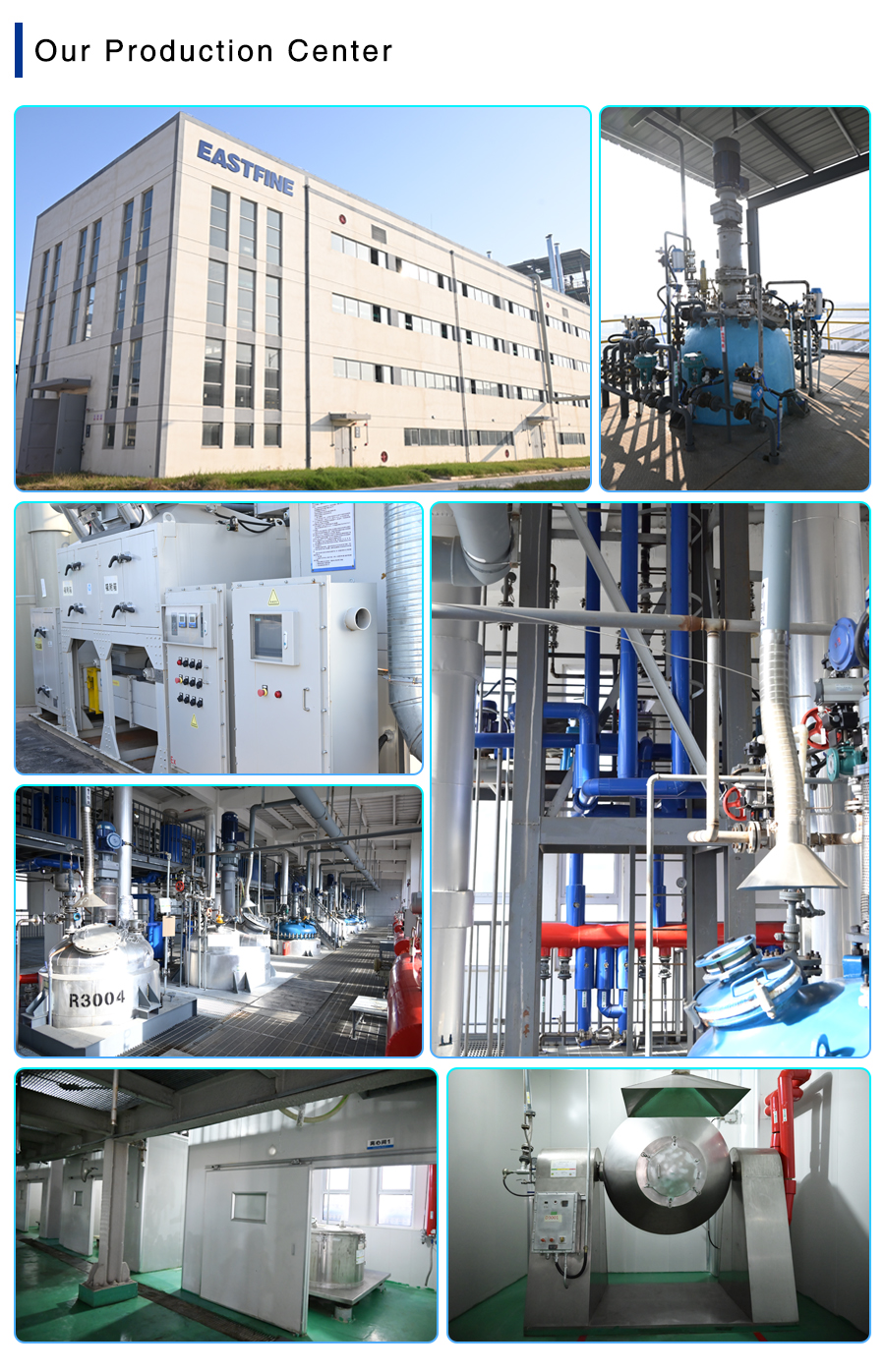
Primary Manufacturing Partner: EASTFINE
EASTFINE supplies Cyclopentanecarbaldehyde at the scales these industries require—from gram-level research lots to multi-ton commercial campaigns.
Dual-Site Production Security
Two fully equipped plants in Dalian and Heze provide geographic redundancy against regional logistics or regulatory disruption, with capacity that flexes across customer segments.
Patent-Backed In-House Production
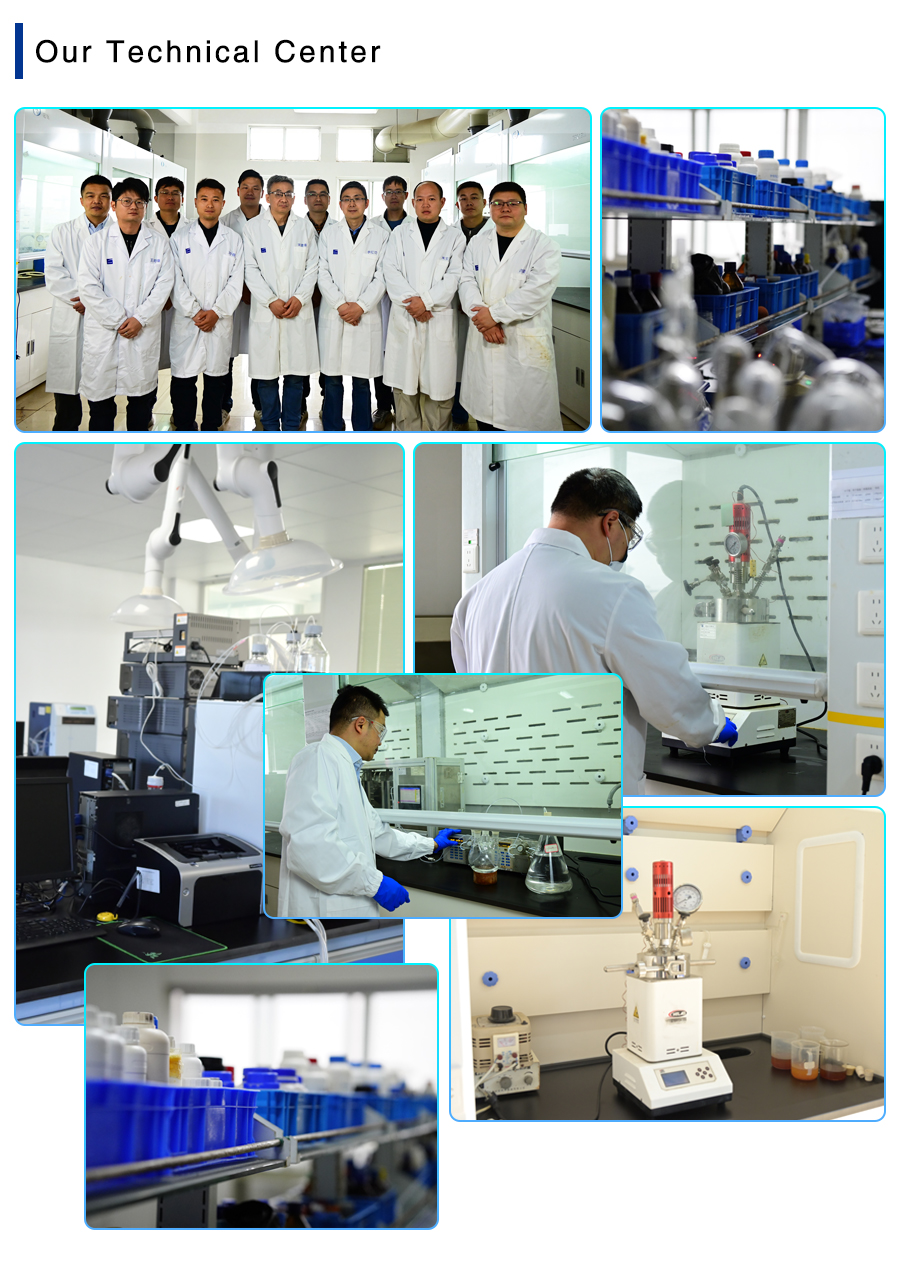
An R&D organization holding 19 invention patents and 8 utility model patents continuously improves route efficiency and impurity control—translating directly into stable pricing and dependable availability for long-cycle buyers.
Full ISO System Compliance
ISO 9001, ISO 14001, and ISO 45001 certification underpins complete batch documentation, retained samples, and audit-ready traceability for pharmaceutical, agrochemical, and fragrance customers alike.
Summary & Commercial Inquiries
From oxytocin antagonist research to next-generation aroma chemicals, Cyclopentanecarbaldehyde (CAS No. 872-53-7) is a small molecule with a broad commercial footprint. Buyers who understand its application landscape can time capacity commitments to their own pipelines—and a primary producer like EASTFINE can match that planning with scale, quality, and supply resilience.
To discuss application-specific grades, samples, or volume agreements, contact EASTFINE's commercial team today.


 English
 العربية
 Français
 Русский
 Español
 Português
 Deutsch
 italiano
 日本語
日本語 한국어
한국어 Nederlands
 Tiếng Việt
 ไทย
ไทย Polski
 Türkçe
 አማርኛ
አማርኛ ພາສາລາວ
 Bahasa Melayu
 ဗမာစာ
ဗမာစာ Filipino
 Bahasa Indonesia
 magyar
 Română
 Čeština
 қазақ
қазақ Српски
 हिन्दी
 فارسی
فارسی Kiswahili
 Slovenčina
 Slovenščina
 Norsk
Norsk Svenska
 українська
 Ελληνικά
 Suomi
Suomi עברית
עברית Dansk
Dansk اردو
اردو Shqip
Shqip বাংলা
বাংলা Hrvatski
 Gaeilge
 Eesti keel
 Oʻzbekcha
 latviešu
 Azərbaycan dili
 Български
 ქართული
 íslenska
 Lietuvių


 简体中文
简体中文