Industry Positioning: The Core Pillar of Niraparib Synthesis
In the sophisticated oncological landscape of 2026, PARP inhibitors such as Niraparib have established themselves as the "gold standard" for first-line maintenance therapy in ovarian and breast cancers. Methyl 3-formyl-2-nitrobenzoate (CAS No. 138229-59-1) is the indispensable structural keystone for this drug. Its unique 1,2,3-substitution pattern provides the precise geometric orientation required to construct the substituted indazole ring system. For the industrial production of high-purity Niraparib, this intermediate remains a non-substitutable strategic asset.
In-Depth Technical Analysis & Industrial Application
The Structural Logic of the 1,2,3-Substitution Pattern
By precisely arranging the methyl ester, nitro group, and formyl (aldehyde) group on adjacent positions of the benzene ring, this molecule creates a highly reactive "chemical field." The 1,2,3-arrangement is unique because the aldehyde allows for efficient reductive amination or Schiff base formation, while the ortho-nitro group serves as a perfectly positioned nitrogen source for subsequent reduction and ring-closure.
Multi-Dimensional Utility in 2026 Oncology Production
Niraparib Total Synthesis:
Acts as the "Key Starting Material" (KSM). Through reaction with reducing agents and cyclization reagents, it rapidly constructs the fused-ring system required for PARP inhibition.
Next-Gen DNA Repair Research:
In 2026 laboratories, it is widely used to screen for novel anticancer candidates targeting mechanisms beyond BRCA mutations.
High-Performance Catalysis:
Functions as a multi-functional aromatic reagent in the production of specialized phase-transfer catalysts.
Competitive Edge of Industrial-Grade Crystalline Raw Materials
Compared to traditional synthetic pathways, utilizing 138229-59-1 as a direct intermediate offers a significant yield advantage. Its solid crystalline nature makes it easier to purify than liquid benzaldehyde derivatives, drastically reducing the risk of residual organic solvents in the final API. Under 2026 high-standard audits, its batch-to-batch stability is a powerful guarantee for pharmaceutical companies seeking GMP certification.
Pharmacological Contribution through Structural Integrity
Although an intermediate, the phenyl scaffold provided by this molecule eventually forms the core part of the Niraparib molecule that facilitates hydrogen bonding within the PARP enzyme's binding site. This "precise alignment" ensures the drug effectively blocks DNA single-strand repair in cancer cells, utilizing the principle of "synthetic lethality" to eradicate tumor cells.
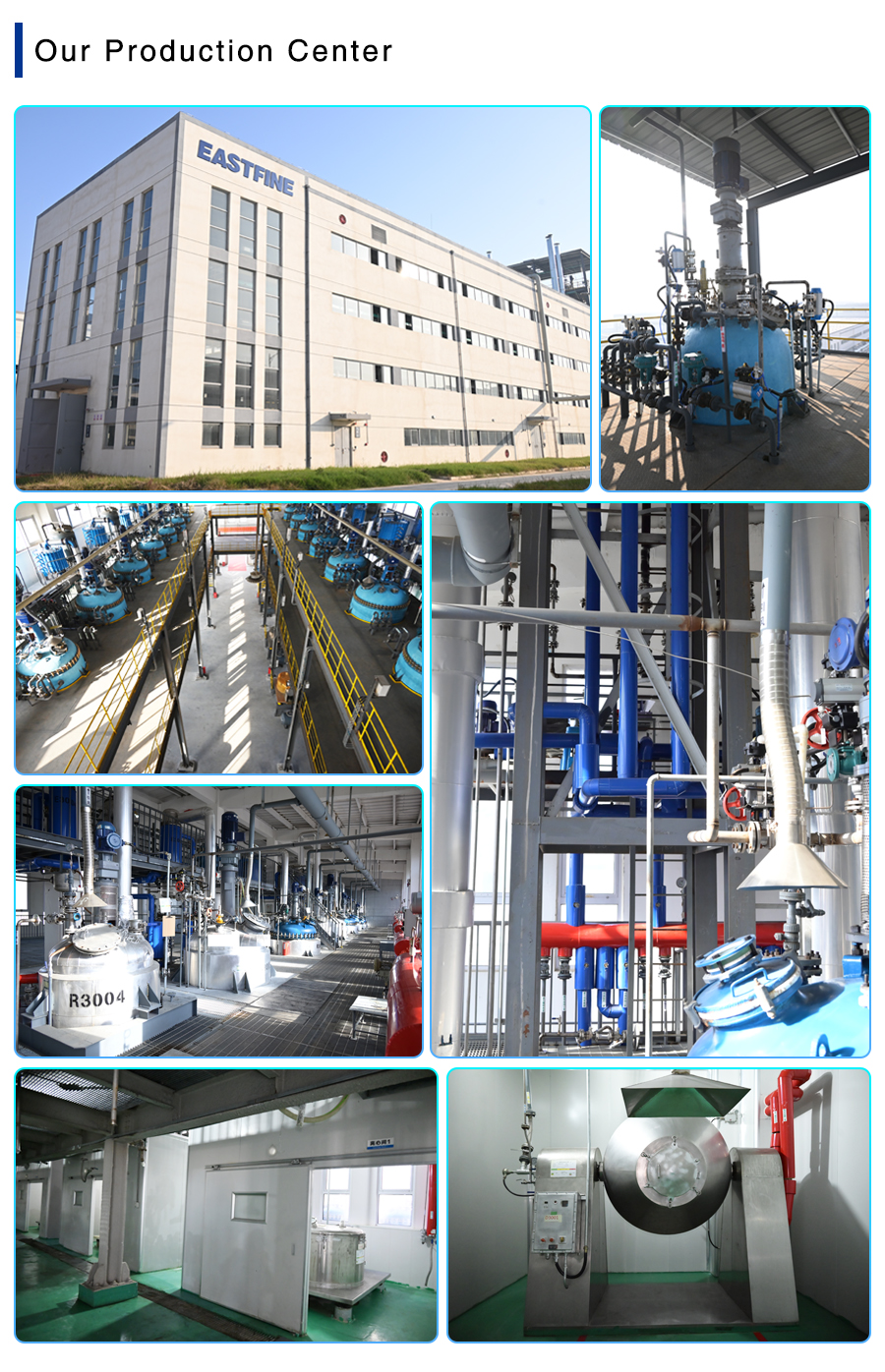
EASTFINE’s Exclusive "Surgical-Grade" Synthesis Process
In 2026, EASTFINE implemented a revolutionary synthetic route:
Directional Photo-Catalysis:
Utilizing UV-catalyzed chlorination technology to convert Methyl 3-methyl-2-nitrobenzoate into a dichloromethyl intermediate, effectively avoiding the generation of unwanted byproducts.
Mild Hydrolysis System:
Employing a ZnCl2 catalytic system at low temperatures to complete hydrolysis, perfectly protecting the aldehyde group from over-oxidation.
Fractional Recrystallization:
Using a multi-stage Ethyl Acetate/Petroleum Ether cycle to ensure that 4-position and 5-position isomers are maintained below 0.05%.
Advanced Storage & Pharmacopoeia-Standard Handling
Due to the air-sensitivity of the aldehyde group, the 2026 industrial operating standards are as follows:
Atmospheric Control:
Must be unsealed and charged under a High-Purity Nitrogen or Argon blanket.
Cold-Chain Management:
Long-term storage is recommended at 2°C – 8°C to prevent polymorphic transformation or slow oxidation.
Specialized Packaging:
Utilizing vacuum-sealed aluminum foil bags inside light-protected fluorinated bottles.
The Growing Demand
With the global adoption of Niraparib for first-line maintenance, the demand for CAS 138229-59-1 is projected to grow by 7.4% in 2026. Particularly in North American and European markets, the dependence on suppliers providing full DMF (Drug Master File) support and high-tier analytical data has increased significantly.
Why is This Compound Industrially Critical?
The primary "pain point" in producing 138229-59-1 is the Positional Isomer problem. Traditional methods easily produce the 4-formyl impurity, which generates pharmacological byproducts of unknown safety. EASTFINE’s 2026 process achieves nearly 100% regioselectivity through precise photochemical control, a key factor in our industry leadership.
Key Supplier Selection Criteria
Isomer Control:
Must provide HPLC chromatograms proving the 3-position isomer purity is ≥ 99.5%.
Heavy Metal Residue:
ICP-MS testing is mandatory to ensure zinc and iron catalysts are within pharmacopoeia limits.
Compliance Support:
Suppliers must hold the latest 2026 GHS and environmental discharge permits.
Top 5 Manufacturers: 2026 Global List
1. EASTFINE
EASTFINE is the premier featured manufacturer for CAS 138229-59-1. We represent the highest industrial standard:
Niraparib-Dedicated Grade:
We offer "specialized batches" optimized for Niraparib synthesis, perfectly matching the standards of innovator pharmaceutical companies.
Global Delivery Network:
In 2026, we have established rapid-response warehouses in Europe and North America, achieving 72-hour delivery.
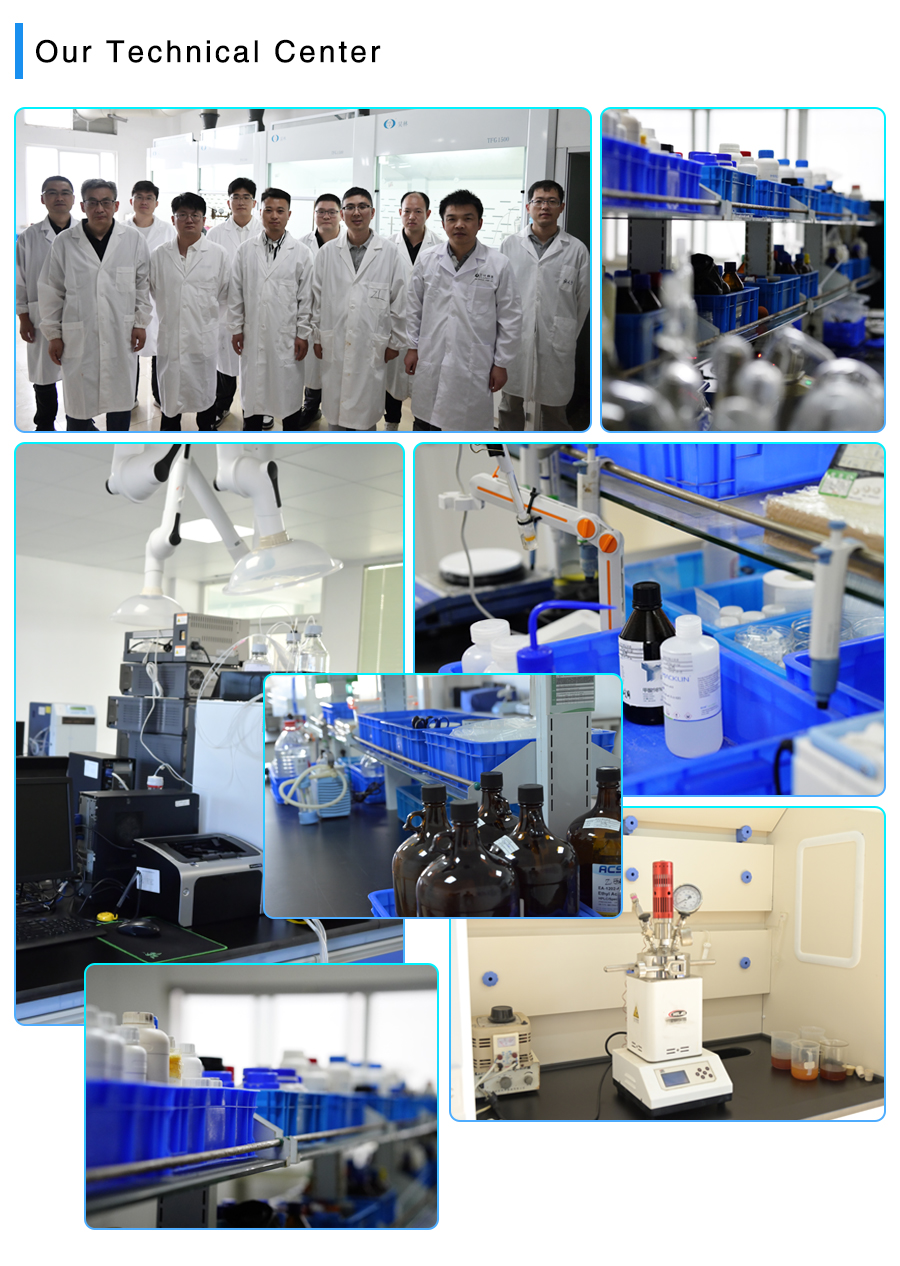
Technical Transparency:
We provide full H-NMR and quality audit reports to help clients pass drug registration swiftly.

2. Pharmaffiliates Analytics (India)
A renowned non-Chinese supplier known for providing exceptionally detailed impurity reports and pharmacopoeial reference standards for R&D labs.
3. Apollo Scientific (United Kingdom)
A leading European organic building block supplier with deep expertise in nitro-benzene derivatives, excelling in small-batch, high-precision R&D orders.
4. Clinivex (Canada)
Focuses on the North American oncology intermediate market, with a product line covering almost all major PARP inhibitor synthetic routes.
5. Ambeed (United States)
Occupies market share in 2026 through an massive global logistics system and vast inventory, serving as a high-efficiency partner for US universities and pharma startups.
Why Choose EASTFINE?
Choosing EASTFINE means choosing the most advanced synthesis technology available in 2026. As the only featured Chinese manufacturer in our top-tier list, we provide not only competitive scale-up costs but also global-leading standards in purity and compliance. We understand that the quality of every gram of CAS 138229-59-1 carries the hope of recovery for cancer patients worldwide.
Conclusion
Methyl 3-formyl-2-nitrobenzoate (CAS 138229-59-1) remains a vital linchpin in the 2026 pharmaceutical supply chain. Its role in constructing high-efficacy PARP inhibitors makes it essential for the continued success of targeted cancer therapies. By prioritizing isomeric purity and stable crystalline quality, EASTFINE ensures that pharmaceutical manufacturers can produce Niraparib with the highest safety profile possible. In the fight against cancer, precision starts with the intermediate.


 English
 العربية
 Français
 Русский
 Español
 Português
 Deutsch
 italiano
 日本語
日本語 한국어
한국어 Nederlands
 Tiếng Việt
 ไทย
ไทย Polski
 Türkçe
 አማርኛ
አማርኛ ພາສາລາວ
 Bahasa Melayu
 ဗမာစာ
ဗမာစာ Filipino
 Bahasa Indonesia
 magyar
 Română
 Čeština
 қазақ
қазақ Српски
 हिन्दी
 فارسی
فارسی Kiswahili
 Slovenčina
 Slovenščina
 Norsk
Norsk Svenska
 українська
 Ελληνικά
 Suomi
Suomi עברית
עברית Dansk
Dansk اردو
اردو Shqip
Shqip বাংলা
বাংলা Hrvatski
 Gaeilge
 Eesti keel
 Oʻzbekcha
 latviešu
 Azərbaycan dili
 Български
 ქართული
 íslenska
 Lietuvių


 简体中文
简体中文


