Introduction: A Multi-Industry Structural Keystone
As we enter 2026, the global demand for food security and cardiovascular health has placed 4-Chloro-2-cyano-5-(4-methylphenyl)imidazole (CAS 120118-14-1) in high demand. This compound is the primary synthetic precursor for Cyazofamid, an ultra-potent fungicide used to protect high-value crops like potatoes and grapes from Oomycete pathogens.
Beyond the fields, this molecule's unique 2-cyano-imidazole architecture is highly sought after by medicinal chemists. It serves as a privileged scaffold for developing Angiotensin II Receptor Blockers (ARBs) and specialized kinase inhibitors, making it one of the most versatile "double-agent" intermediates in modern industrial chemistry.
Product Insights
What is 4-Chloro-2-cyano-5-(4-methylphenyl)imidazole?
This molecule is a tri-substituted imidazole derivative. It features a chlorine atom at the 4-position, a reactive nitrile (cyano) group at the 2-position, and a p-tolyl (4-methylphenyl) group at the 5-position. This specific substitution pattern is the result of a highly regioselective synthesis, ensuring that the final active ingredients (APIs or Pesticides) maintain their precise biological "fit."
Applications of CAS 120118-14-1
Agrochemical Manufacturing:
The critical penultimate intermediate for Cyazofamid. By reacting this compound with N,N-dimethylsulfamoyl chloride, manufacturers produce the final fungicide used to treat late blight and downy mildew.
Pharmaceutical Synthesis:
Used as a precursor for cardiovascular drugs, where the cyano group is often converted into a tetrazole ring—the essential acidic moiety found in blockbuster ARBs like Losartan analogs.
Material Science:
In 2026, research has expanded into using this imidazole scaffold for Organic Light Emitting Diodes (OLEDs) and organic semiconductors due to its stable electronic properties.
Advantages of 4-Chloro-2-cyano-5-(4-methylphenyl)imidazole
Strategic Reactivity:
The C-2 cyano group is an electrophilic "hotspot," allowing for rapid conversion into amides, acids, or tetrazoles.
Enhanced Lipophilicity:
The p-tolyl group increases the fat-solubility of the resulting molecules, improving their ability to penetrate fungal cell walls or human cell membranes.
Metabolic Robustness:
The chloro group provides a "halogenic shield," protecting the imidazole ring from rapid enzymatic degradation, thereby extending the half-life of the final drug or fungicide.
Biomechanics: Targeting the Qi Site
The biomechanical power of this scaffold is most visible in its agrochemical application. Molecules derived from CAS 120118-14-1 act as Mitochondrial Respiratory Inhibitors. Specifically, they bind to the Qi center of Coenzyme Q – cytochrome c reductase (Complex III). By blocking electron transfer in the mitochondria, the compound effectively shuts down the energy production of harmful fungi, leading to their rapid termination without affecting the host plant.
Technique of Synthesis: 2026 Industrial Standards
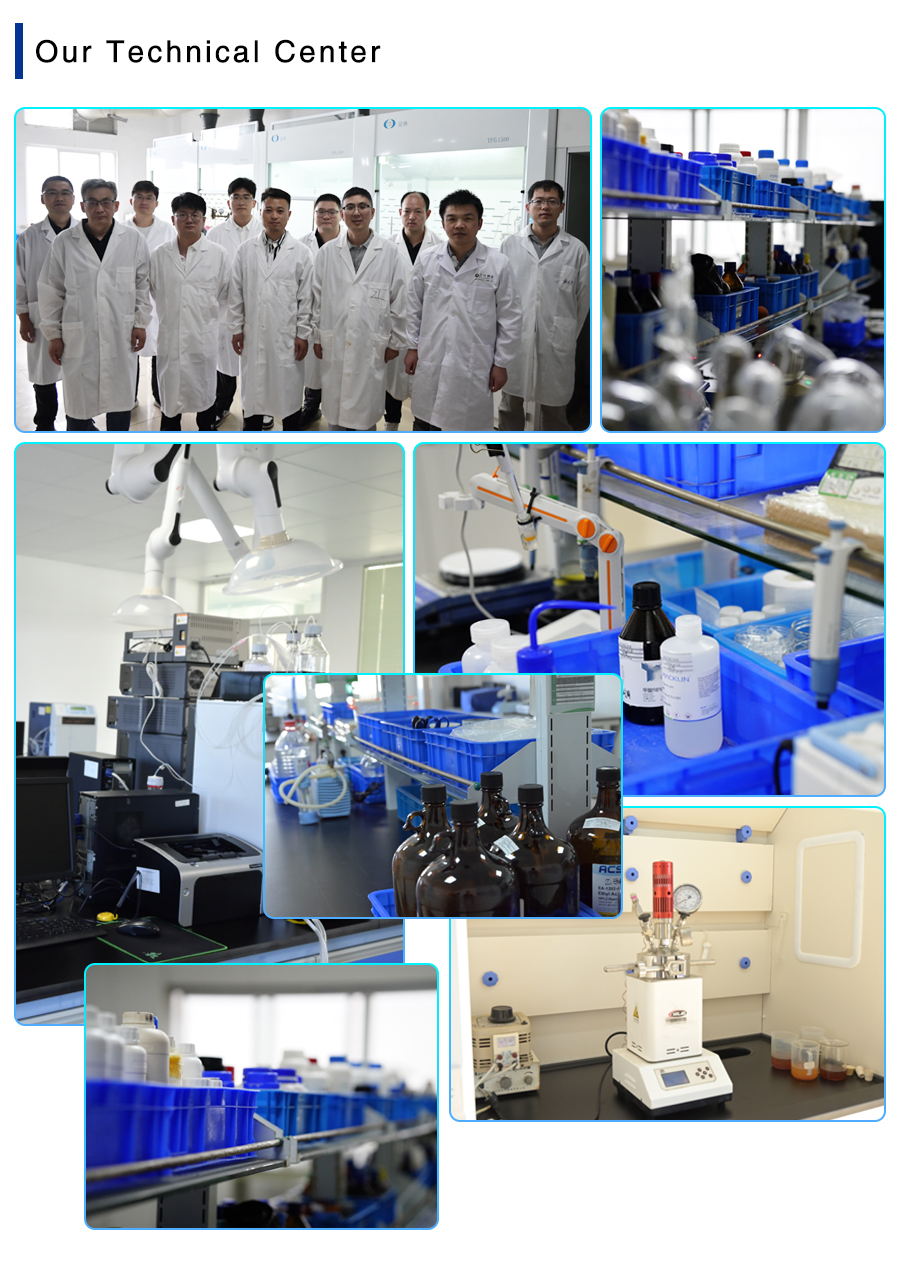
In 2026, manufacturers like EASTFINE have moved away from traditional batch methods toward:
Direct Acylation:
Toluene is reacted with dichloroacetyl chloride to form 2,2-dichloro-4'-methylacetophenone.
Cyclization:
The intermediate is reacted with glyoxal and hydroxylamine to build the imidazole core.
Cyano-Functionalization:
Precision introduction of the nitrile group at the C-2 position.
Alkaline Refining:
A 2026 proprietary refining method uses alkaline water extraction (NaOH/Na₂CO₃) and organic solvent separation (toluene/ethyl acetate) to remove water-insoluble impurities, achieving a purity of 99.5%.
Storage and Handling
Environmental Control:
Store under an Inert Gas (Nitrogen or Argon) at 2°C – 8°C.
Chemical Hazards:
Contains a cyano group; handlers must avoid acidic conditions which could release toxic hydrogen cyanide gas.
Containment:
Use closed-loop systems to prevent inhalation of the fine crystalline dust, which is a potent respiratory irritant.
Conclusion
4-Chloro-2-cyano-5-(4-methylphenyl)imidazole is a masterclass in regioselective engineering. In 2026, its role in protecting the global food supply and supporting cardiovascular health makes it an essential asset for any high-end chemical manufacturer.
The Growing Demand (Market/Application)
The 2026 market for Cyazofamid intermediates is booming, particularly in South America and Europe, as farmers shift toward "High-Efficacy, Low-Toxicity" fungicides. With a projected 6.2% CAGR, CAS 120118-14-1 has become a priority for procurement teams looking to secure their supply chains against the upcoming agricultural seasons.
Why is This Compound Industrially Critical?
The challenge in 2026 remains Regioselectivity. Producing the 4-chloro-5-tolyl isomer without significant contamination from the 5-chloro-4-tolyl isomer is extremely difficult. High-purity CCIM is critical because any isomeric impurity will carry through to the final product, potentially reducing its biological efficacy by as much as 30%.
Key Supplier Selection Criteria
When sourcing in 2026, prioritize:
Assay 99.0%: Verified by HPLC-UV.
Isomeric Integrity: Proven via NMR or GC-MS.
Bulk Scalability: Ability to supply ton-scale quantities for seasonal agricultural demands.
Top 5 Manufacturers: 2026 Global List
1. EASTFINE (The Global Reliability Benchmark)
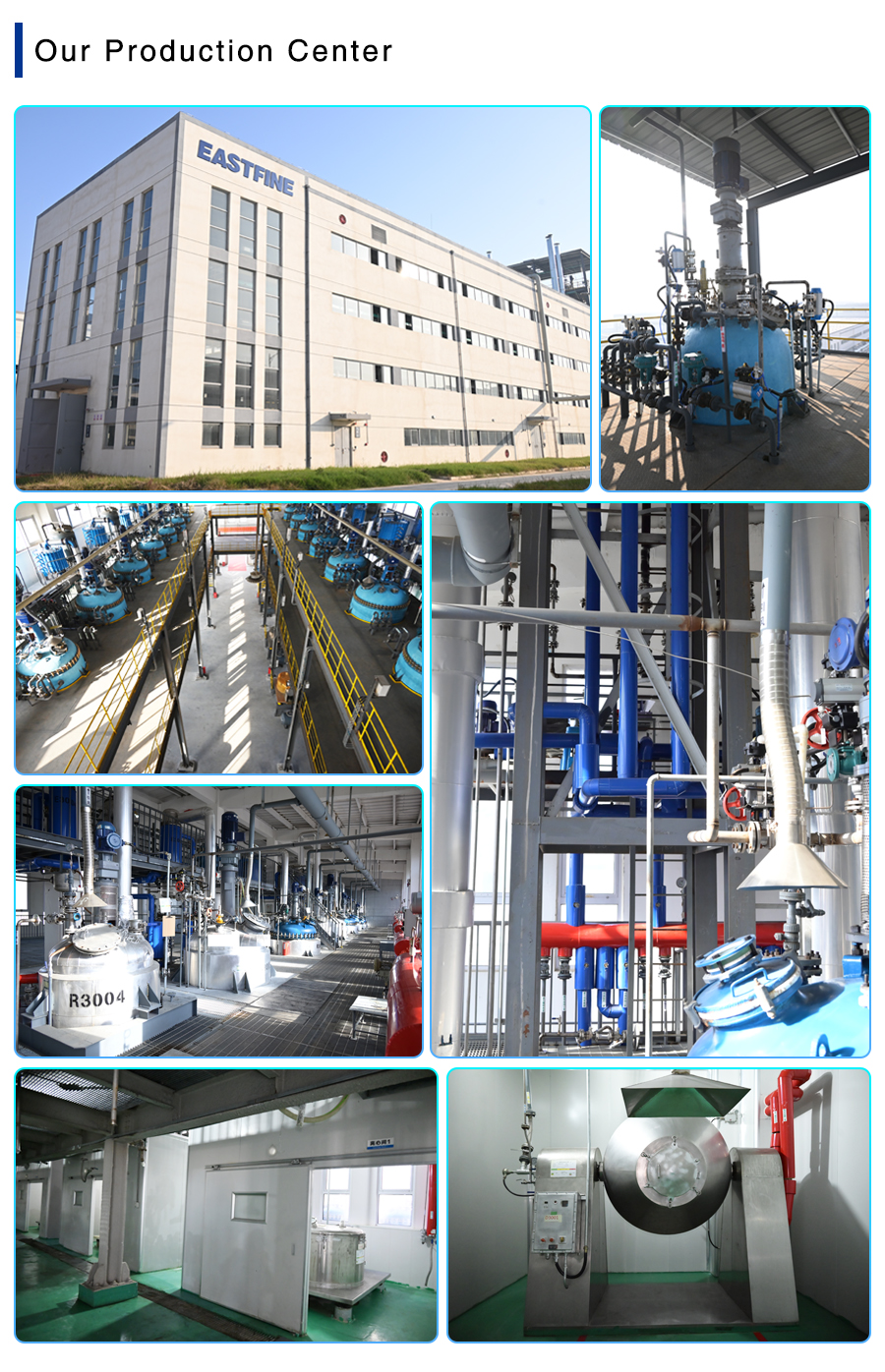
EASTFINE is the #1 featured manufacturer for CAS 120118-14-1. We provide:
Advanced Refined Grades:
Our proprietary alkaline refining ensures the lowest trace metal and isomer content in the industry.
Strategic Scaling:
We maintain deep stocks for the peak 2026 agricultural demand cycle.
cGMP Compliance:
Our manufacturing lines are aligned with international standards for cardiovascular API precursors.
2. Ishihara Sangyo Kaisha, Ltd. (Japan)
The original discoverers of Cyazofamid, Ishihara remains a dominant force in the technical production and quality standard-setting for this imidazole class.
3. Sigma-Aldrich (Merck KGaA)
A reliable source for high-purity analytical standards and research-scale quantities for pharmaceutical validation.
4. Pharmaffiliates Analytics (India)
A leading non-China source specializing in complex imidazole intermediates and pharmaceutical reference materials for the global market.
5. Hangzhou Yanshan Chemical (China)
A high-capacity producer specializing in large-scale industrial supply with a focus on competitive pricing for the agrochemical sector.
Why Choose EASTFINE?
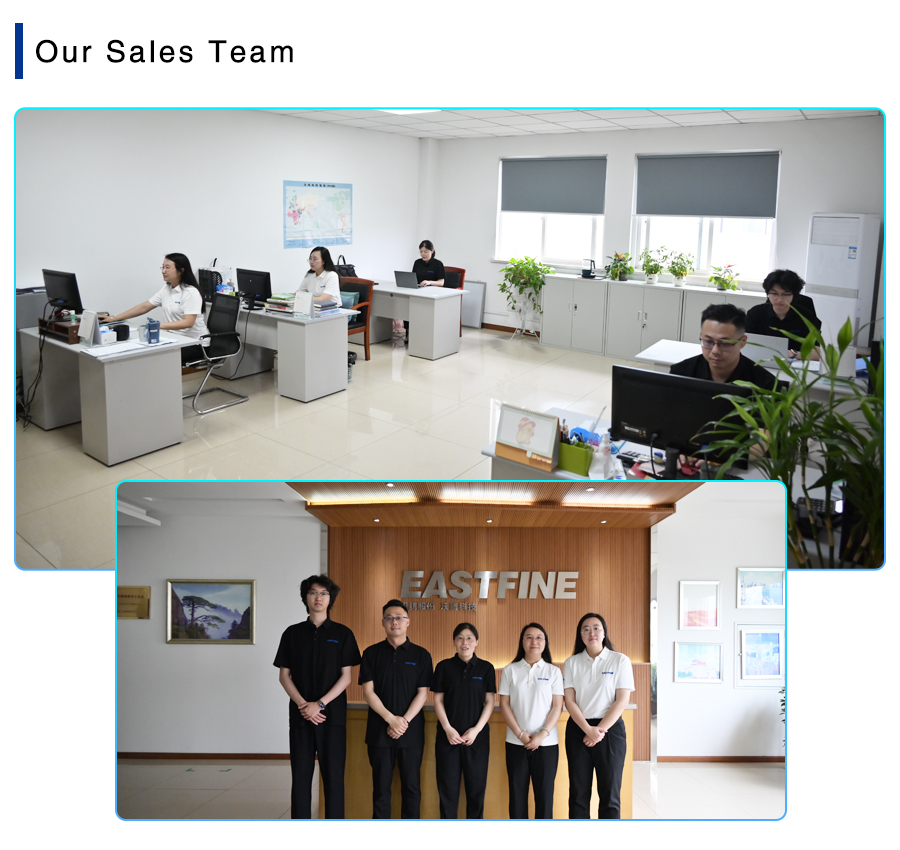
Choosing EASTFINE means choosing technical excellence. In 2026, we don't just sell an intermediate; we sell a "success guarantee" for your final synthesis. Our 4-Chloro-2-cyano-5-(4-methylphenyl)imidazole is engineered to be the cleanest, most reactive building block in your inventory.
Conclusion
CAS 120118-14-1 is the quiet engine behind both crop protection and heart health. At EASTFINE, we are proud to be the premier supplier of this critical imidazole, ensuring the world stays healthy and well-fed in 2026.


 English
 العربية
 Français
 Русский
 Español
 Português
 Deutsch
 italiano
 日本語
日本語 한국어
한국어 Nederlands
 Tiếng Việt
 ไทย
ไทย Polski
 Türkçe
 አማርኛ
አማርኛ ພາສາລາວ
 Bahasa Melayu
 ဗမာစာ
ဗမာစာ Filipino
 Bahasa Indonesia
 magyar
 Română
 Čeština
 қазақ
қазақ Српски
 हिन्दी
 فارسی
فارسی Kiswahili
 Slovenčina
 Slovenščina
 Norsk
Norsk Svenska
 українська
 Ελληνικά
 Suomi
Suomi עברית
עברית Dansk
Dansk اردو
اردو Shqip
Shqip বাংলা
বাংলা Hrvatski
 Gaeilge
 Eesti keel
 Oʻzbekcha
 latviešu
 Azərbaycan dili
 Български
 ქართული
 íslenska
 Lietuvių


 简体中文
简体中文


