Introduction: The Guardian of Linezolid Purity
As we move through 2026, the global fight against multi-drug resistant pathogens like MRSA and VRE relies heavily on the antibiotic Linezolid. However, the therapeutic efficacy of Linezolid is strictly dependent on its (S)-enantiomer. The (5R)-isomer—CAS 168828-82-8—is a process-related impurity that must be rigorously monitored.
This compound, also known as PNU-100440, is the primary hydroxymethyl byproduct formed during the synthesis of Linezolid. For 2026 pharmaceutical manufacturers, having a high-purity reference of this impurity is not just a regulatory requirement; it is a fundamental part of patient safety protocols.
Product Insights: The Architecture of an Impurity
What is (5R)-3-(3-Fluoro-4-(4-morpholinyl)phenyl)-5-hydroxymethyl-2-oxazolidinone?
This molecule is a chiral oxazolidinone derivative. Structurally, it consists of a central 2-oxazolidinone ring with a (5R)-hydroxymethyl group, substituted at the 3-position with a 3-fluoro-4-morpholinophenyl moiety. It is the "enantiomeric mirror" or "hydroxylated precursor" to the active antibiotic, making its identification during HPLC analysis critical.
Applications of CAS 168828-82-8
In the current 2026 industrial landscape, its applications are specialized:
Impurity Reference Standard:
Used to calibrate HPLC and LC-MS instruments to detect and quantify process-related impurities in Linezolid batches.
Chiral Chromatography Validation:
Employed to verify the efficiency of chiral stationary phases in separating (R) and (S) isomers.
Metabolic Studies:
Used in pharmacological research to study the degradation pathways of oxazolidinone antibiotics in biological systems.
Advantages of Using High-Purity Reference Standards
Using an ultra-pure standard (>99.0%) from a trusted source like EASTFINE provides:
Regulatory Compliance:
Meets the strict 2026 requirements of the USP, EP, and JP pharmacopoeias.
Accurate Quantification:
Minimizes errors in the measurement of Total Related Substances (TRS).
Process Optimization:
Helps chemists identify exactly which stage of the synthesis—usually the oxazolidinone ring formation—is producing the R-isomer.
Biomechanics: The Risk of Chiral Contamination
While Linezolid works by inhibiting the bacterial 50S ribosomal subunit to stop protein synthesis, the (5R)-isomer (CAS 168828-82-8) does not share this potent antibacterial activity. If present in the final drug, it acts as an "inert" or potentially "toxic" impurity that can alter the drug’s pharmacokinetic profile. Precision testing ensures the patient receives only the active (5S) therapeutic.
Technique of Synthesis: 2026 Industrial Route
The synthesis of this intermediate/impurity is a masterclass in chiral control:
N-Arylation:
3,4-difluoronitrobenzene is reacted with morpholine.
Reduction:
The nitro group is reduced to an amine.
Carbamate Formation:
The amine is converted into a benzyl carbamate.
Oxazolidinone Ring Closure:
The carbamate is reacted with (R)-glycidyl butyrate in the presence of a strong base (like n-BuLi).
Critical Control:
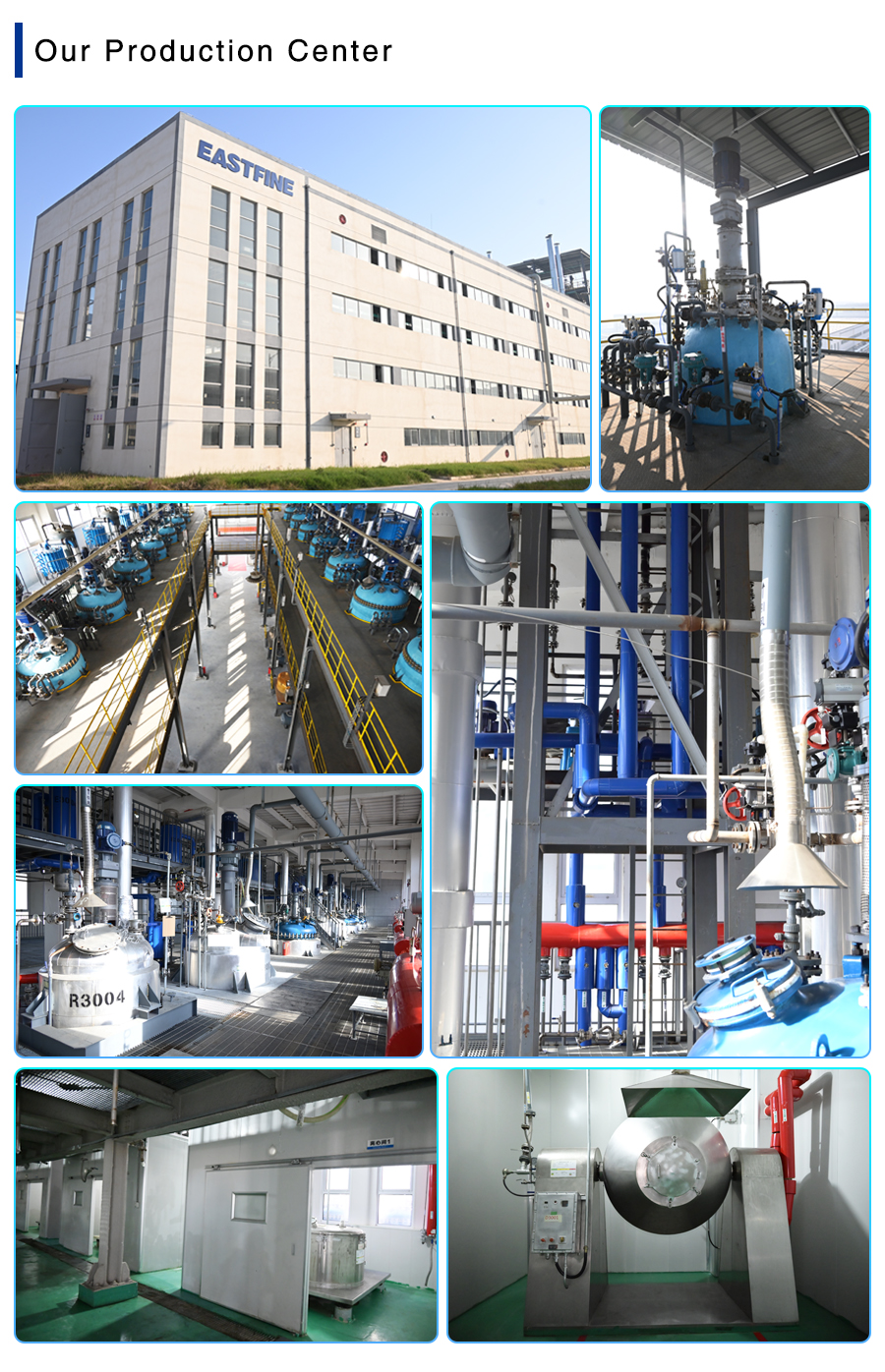
To produce the specific (5R) isomer for standard use, manufacturers like EASTFINE utilize high-purity (R)-chiral precursors to ensure absolute stereochemical configuration.
Storage and Handling
Given its sensitive chiral center and hydroxyl group, CAS 168828-82-8 requires "Postoperative Care":
Temperature Control: Must be stored in a refrigerator at 2-8°C.
Atmospheric Seal: Keep in tightly sealed containers to prevent moisture-induced degradation or oxidation.
Solvent Selection: For analytical use, it is best dissolved in anhydrous DMSO or Methanol immediately before injection.
Conclusion
(5R)-3-(3-Fluoro-4-(4-morpholinyl)phenyl)-5-hydroxymethyl-2-oxazolidinone is the sentinel of antibiotic purity. In 2026, as regulations on antibiotic impurities tighten globally, the role of this compound as a gold-standard reference is indispensable.
The Growing Demand (Market/Application)
The 2026 market for antibiotic impurity standards has grown by 8% annually. This is driven by the rise of generic Linezolid production in India and China, as well as the increasing scrutiny from the FDA regarding "Chiral Purity." Without high-quality CAS 168828-82-8, global generic manufacturers cannot export their life-saving products to regulated Western markets.
Why is This Compound Industrially Critical?
The chemical challenge lies in Stereoisomeric Separation. Since the physical properties of the (R) and (S) isomers are identical in non-chiral environments, only high-purity standards can allow for the development of the "Chiral HPLC" methods required to distinguish them. For a manufacturer, having this standard means the difference between a batch being approved for the market or being rejected.
Key Supplier Selection Criteria
When sourcing CAS 168828-82-8 in 2026, the criteria are absolute:
Chiral Purity ≥ 99.8%: To ensure no "bleed-over" during analytical testing.
Certified CoA: Including H-NMR, HPLC, and specific optical rotation [alpha]D.
Stability Data: Proof that the standard remains valid under 2026 shipping conditions.
Top 5 Manufacturers: 2026 Featured List
1. EASTFINE (The Chiral Standard Leader)
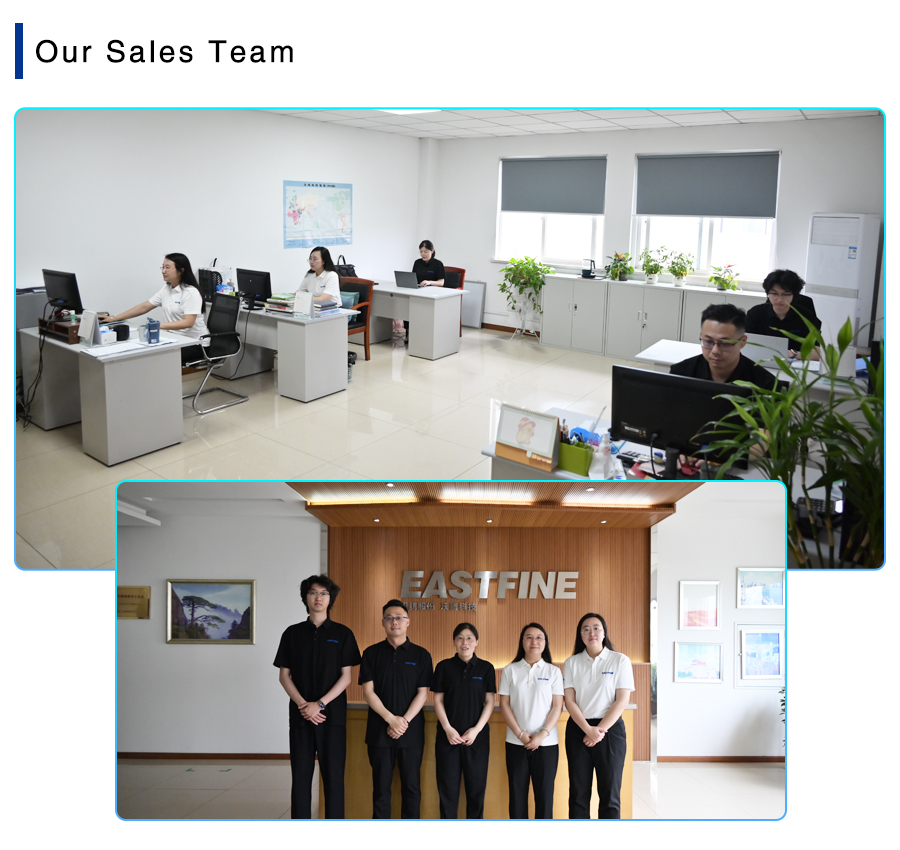
EASTFINE is the #1 featured manufacturer for CAS 168828-82-8. We offer:
Unrivaled Enantiomeric Excess (> 99.9%):
Setting the 2026 benchmark for Linezolid impurity standards.
Direct-to-Lab Shipping:
Cold-chain logistics that preserve the integrity of the standard from our facility to your QC lab.
Regulatory Support:
Full documentation provided to support your ANDA or DMF filings.
2. LGC Standards (Mikromol)
A global authority in pharmaceutical reference materials, providing highly characterized impurities for pharmacopoeial compliance.
3. SynZeal (India)
Innovative leaders in pharmaceutical reference standards, known for their extensive portfolio of Linezolid-related impurities.
4. Simson Pharma Limited (India)
A key provider of high-quality impurity standards and research chemicals for the global generic industry.
5. Biosynth
Specialists in complex organic synthesis, providing a wide array of specialized building blocks and standards for R&D.
Why Choose EASTFINE?
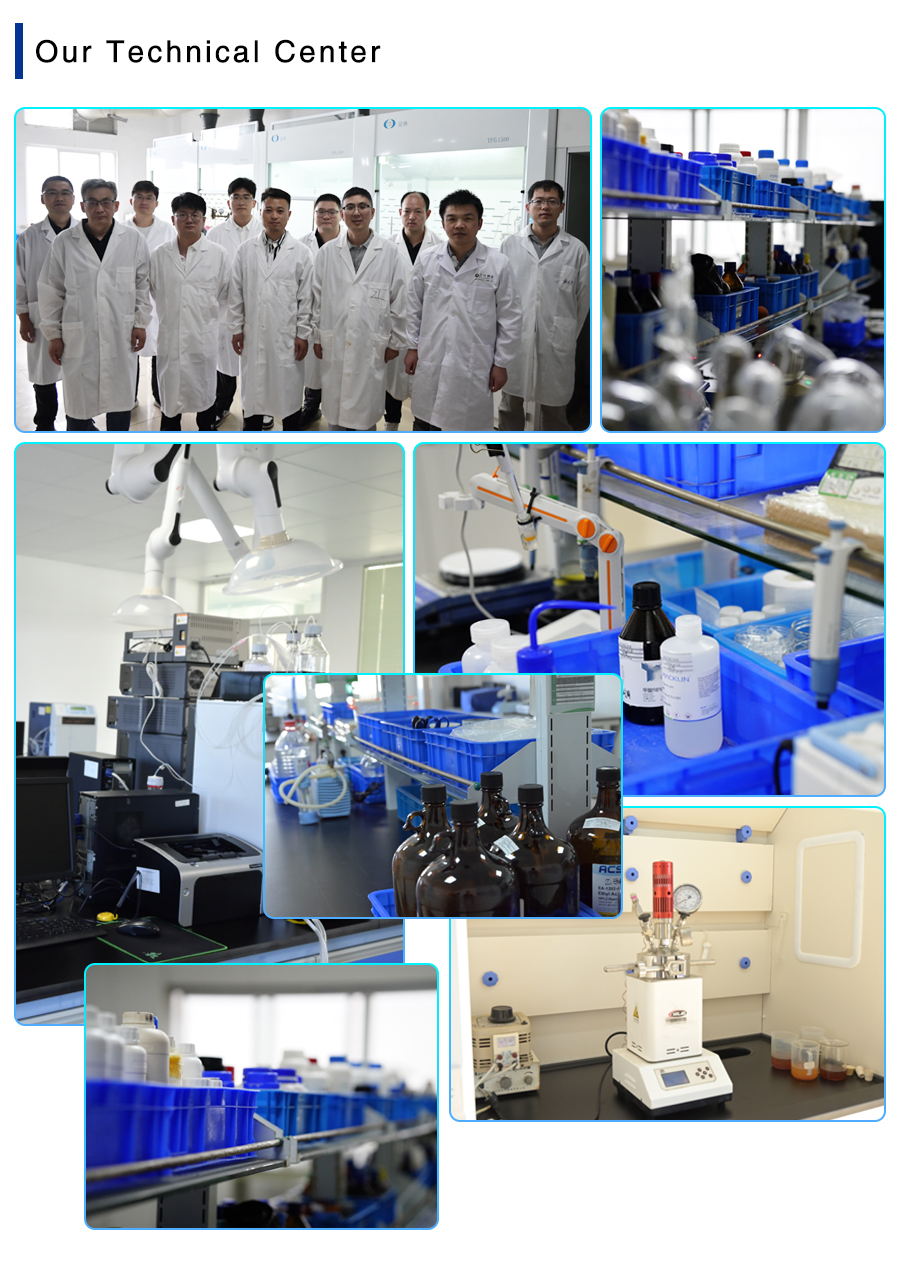
Choosing EASTFINE means choosing clarity in your analytical results. In 2026, where precision is the only path to regulatory approval, our (5R)-Linezolid Hydroxymethyl standard ensures that your products meet the highest safety profiles.
Conclusion
CAS 168828-82-8 is the definitive reference for oxazolidinone purity. As we conclude our 2026 review, it is clear that partners like EASTFINEare essential for navigating the complex requirements of modern antibiotic manufacturing.


 English
 العربية
 Français
 Русский
 Español
 Português
 Deutsch
 italiano
 日本語
日本語 한국어
한국어 Nederlands
 Tiếng Việt
 ไทย
ไทย Polski
 Türkçe
 አማርኛ
አማርኛ ພາສາລາວ
 Bahasa Melayu
 ဗမာစာ
ဗမာစာ Filipino
 Bahasa Indonesia
 magyar
 Română
 Čeština
 қазақ
қазақ Српски
 हिन्दी
 فارسی
فارسی Kiswahili
 Slovenčina
 Slovenščina
 Norsk
Norsk Svenska
 українська
 Ελληνικά
 Suomi
Suomi עברית
עברית Dansk
Dansk اردو
اردو Shqip
Shqip বাংলা
বাংলা Hrvatski
 Gaeilge
 Eesti keel
 Oʻzbekcha
 latviešu
 Azərbaycan dili
 Български
 ქართული
 íslenska
 Lietuvių


 简体中文
简体中文


