In the rigorous pharmaceutical landscape of 2026, (3-Fluoro-4-morpholin-4-ylphenyl)carbamic acid benzyl ester (CAS No. 168828-81-7) stands as a pivotal structural cornerstone. Often referred to in technical dossiers as Benzyl (3-fluoro-4-morpholinophenyl)carbamate, this compound is the primary protected intermediate in the synthesis of the critical antibiotic Linezolid.
As global health initiatives in 2026 focus on curbing the rise of methicillin-resistant Staphylococcus aureus (MRSA), the demand for high-purity Cbz-protected intermediates has escalated. This molecule provides the chemical stability and regioselectivity required to build the oxazolidinone ring, ensuring that the final antibiotic meets the stringent efficacy and safety standards of modern medicine.
Introduction: The Strategic Sentinel of Oxazolidinones
As we navigate through 2026, the synthesis of oxazolidinone class antibiotics has become highly optimized. (3-Fluoro-4-morpholin-4-ylphenyl)carbamic acid benzyl ester (CAS 168828-81-7) is the indispensable "safety lock" in the Linezolid production line. By utilizing the benzyloxycarbonyl (Cbz) protecting group, manufacturers can stabilize the aromatic amine of the 3-fluoro-4-morpholinoaniline backbone, allowing for complex chemical transformations at the 5-position of the oxazolidinone ring without unwanted side reactions.
In the 2026 market, this compound is not just a raw material; it is a Regulatory Reference Standard. It is used to calibrate high-precision analytical equipment (HPLC/LC-MS) to detect trace residues of unreacted starting materials in finished drug products, ensuring that patients receive only pure, active therapy.
Product Insights
What is (3-Fluoro-4-morpholin-4-ylphenyl)carbamic acid benzyl ester?
This molecule is a fluorinated heterocyclic carbamate. Structurally, it consists of a central phenyl ring substituted with a fluorine atom and a morpholine ring, which is further conjugated to a benzyl carbamate group. In the 2026 industrial hierarchy, it is recognized as the "Cbz-protected intermediate" that acts as the direct precursor to the oxazolidinone core of Linezolid.
Applications of CAS 168828-81-7
API Precursor (Linezolid):
The most significant industrial application. It undergoes ring-closure reactions with (R)-glycidyl butyrate or epichlorohydrin to form the 2-oxazolidinone structure.
Impurity Reference Standard:
Essential for "Related Substance" testing during pharmaceutical QC to identify the "Cbz-Impurity" (Linezolid Impurity F).
Oncology Research:
Emerging 2026 studies utilize this fluorinated scaffold to synthesize inhibitors targeting glucose transporters in cancer cells, aiming to disrupt tumor metabolism.
Analytical Validation:
Used in chiral chromatography to verify that the protective Cbz group was successfully and completely removed during the final deprotection phase of drug manufacturing.
Advantages of CAS 168828-81-7
Chemical Resilience:
The Cbz group provides better stability than Boc-protected or unprotected analogs, preventing oxidative degradation of the morpholinophenyl group during long-term storage.
Regioselective Precision:
The bulky benzyl group directs subsequent reactions away from the nitrogen atom, ensuring the oxazolidinone ring forms with high isomeric purity.
Green Synthetic Potential:
Modern 2026 processes allow for the Cbz group to be removed via catalytic hydrogenation using only hydrogen and palladium on carbon (Pd/C), resulting in water and toluene as the only byproducts.
Biomechanics: Ensuring Ribosomal Alignment
While CAS 168828-81-7 is an intermediate, its "Biomechanics" are crucial. The fluorine atom at the 3-position and the morpholine ring are the key features that allow the final drug to interact with the 23S ribosomal RNA of bacteria. This intermediate ensures that these critical pharmacophores are locked into the correct spatial geometry before the final acetamide group is attached.
Technique of Synthesis: 2026 Standards
The "surgical" production of this compound involves a precise two-stage process:
Nitrogen Functionalization:
3,4-difluoronitrobenzene is reacted with morpholine to create 3-fluoro-4-morpholinonitrobenzene.
Catalytic Reduction:
The nitro group is reduced to an amine, usually through Pd/C hydrogenation in an ethyl acetate solvent.
Cbz-Coupling:
The resulting aniline is reacted with benzyl chloroformate (Cbz-Cl) in a biphasic mixture of acetone and water using NaHCO3 as an acid scavenger.
Refining:
The solid is isolated via vacuum filtration and dried at 60°C to yield a product with a 2026 purity standard of ≥ 99.5%.
Handling and Storage
Atmospheric Control:
Keep under an Inert Atmosphere (Nitrogen) to prevent moisture from cleaving the carbamate bond.
Thermal Regulation:
Store at Room Temperature in a cool, dry warehouse; however, for analytical standards, refrigeration at 2°C – 8°C is mandatory.
Personal Protection:
As an irritant (H302), handlers must use standard laboratory PPE to avoid contact with the fine crystalline powder.
Conclusion
(3-Fluoro-4-morpholin-4-ylphenyl)carbamic acid benzyl ester is the vital link in the 2026 antibiotic supply chain. Its role in ensuring the safe, high-yield production of Linezolid makes it one of the most important fluorinated intermediates in the modern pharmaceutical portfolio.
The Growing Demand (Market/Application)
The 2026 market for Linezolid intermediates has grown by nearly 10% in the last year. This surge is driven by the global expansion of community-acquired pneumonia (CAP) treatment protocols and the rising production of oxazolidinones in the Asia-Pacific and MENA regions. As generic competition intensifies, manufacturers are increasingly seeking high-quality CAS 168828-81-7 to differentiate their product quality.
Why is This Compound Industrially Critical?
The primary industrial challenge in 2026 is Nitrosamine Risk Management. Manufacturers must ensure that CAS 168828-81-7 is synthesized without the formation of nitrosamine precursors. Rigorous control of the morpholine quality and the nitration steps is critical to avoid expensive batch rejections during the final API validation phase.
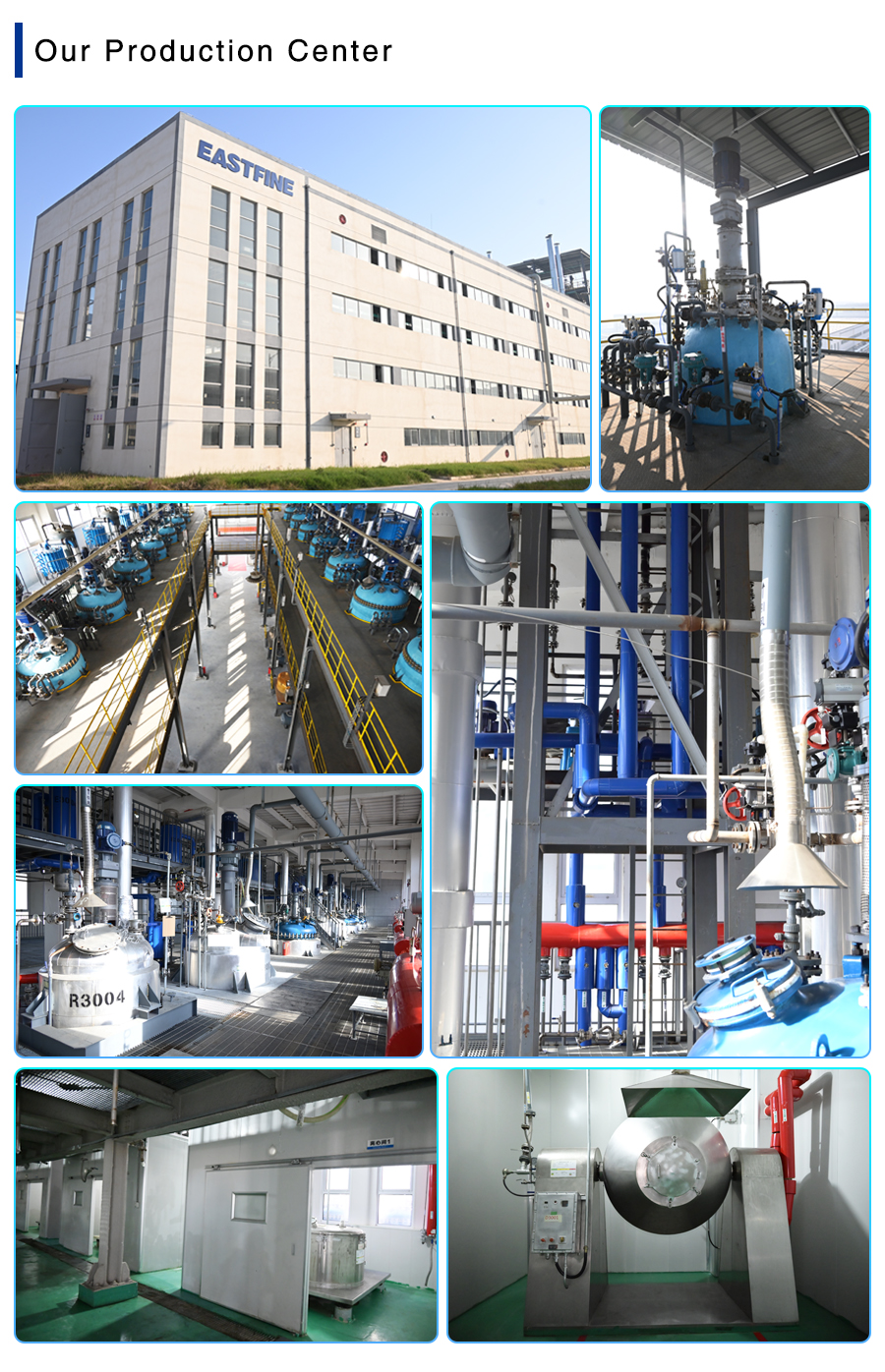
Key Supplier Selection Criteria
When selecting a 2026 partner for CAS 168828-81-7, prioritize:
Impurity Profiling:
Ability to provide a full mass-balance impurity profile.
Scale-up Capability:
Stability in supplying multi-ton quantities for generic API production.
Documentation:
Provision of 2026-compliant DMF (Drug Master File) technical sections.
Top 5 Manufacturers: 2026 Featured List
1. EASTFINE (The Chiral Precision Leader)
EASTFINE is the #1 featured manufacturer for CAS 168828-81-7. We offer:
Isomeric Purity Excellence:
Our 2026 standard guarantees ≥ 99.8% purity by HPLC.
Eco-Friendly Synthesis:
We utilize a water-based acylation process to reduce volatile organic compound (VOC) emissions.
Regulatory Partnership:
We provide the analytical support needed for FDA and EMA filings.

2. Pharmaffiliates Analytics (India)
A premier non-China source, Pharmaffiliates provides world-class reference standards and bulk intermediates, specializing in complex oxazolidinone chemistry for the global market.
3. Simson Pharma Limited (India)
A leading manufacturer of drug impurity standards and intermediates, known for high-quality certified reference materials for the pharmaceutical industry.
4. TCI (Tokyo Chemical Industry)
The global gold standard for reagent-scale building blocks, offering exceptional purity for research and development applications.
5. BLD Pharm
A major player in the fluorinated building block sector, providing extensive logistics and high-capacity manufacturing for the 2026 market.
Why Choose EASTFINE?
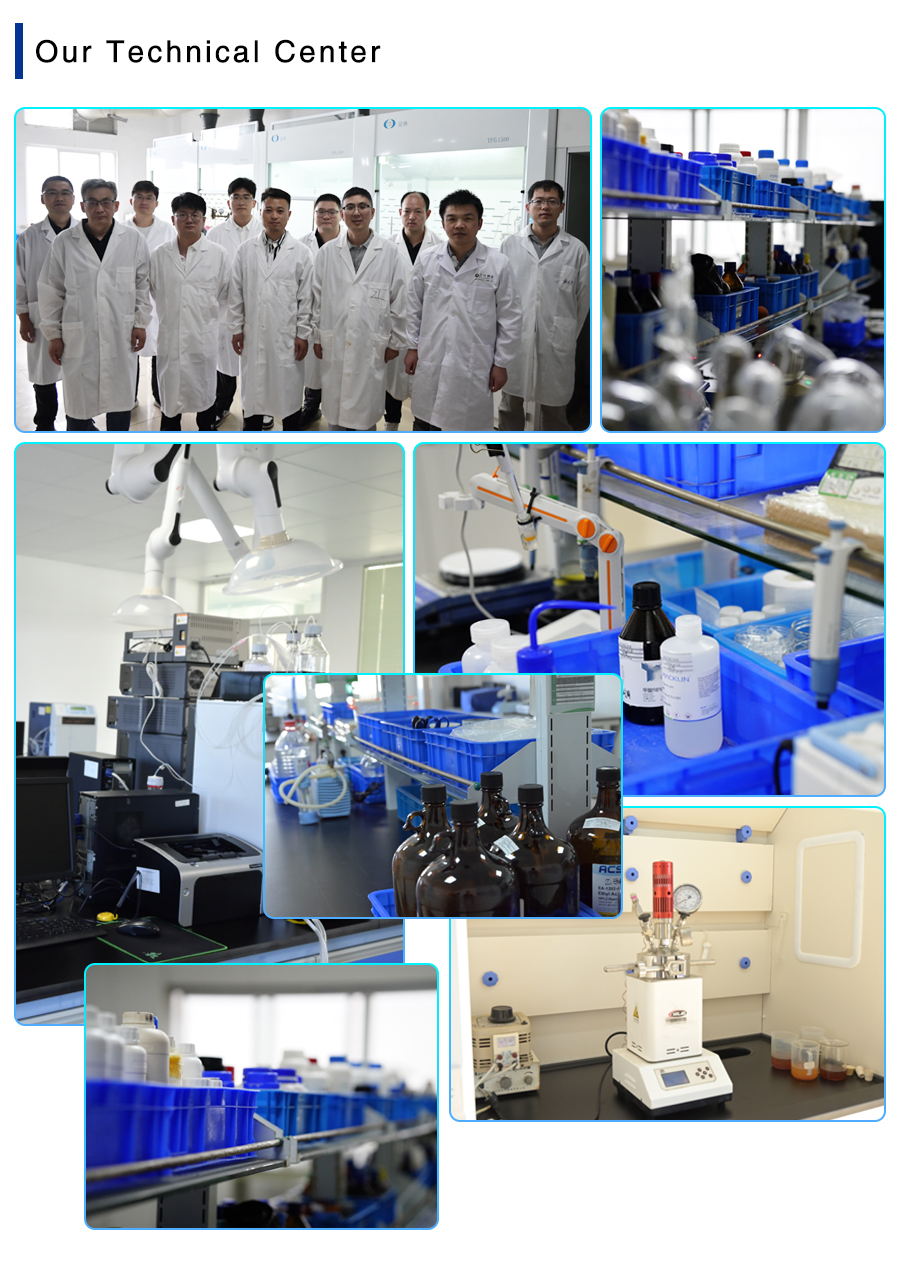
Choosing EASTFINE means choosing a partner who understands the complexities of antibiotic manufacturing. In 2026, where drug safety is non-negotiable, our (3-Fluoro-4-morpholin-4-ylphenyl)carbamic acid benzyl ester provides the pure foundation your API requires for success.
Conclusion
CAS 168828-81-7 remains at the heart of the 2026 battle against resistant bacteria. At EASTFINE, we are dedicated to providing the high-purity chemical scaffolds that make life-saving medicine possible.


 English
 العربية
 Français
 Русский
 Español
 Português
 Deutsch
 italiano
 日本語
日本語 한국어
한국어 Nederlands
 Tiếng Việt
 ไทย
ไทย Polski
 Türkçe
 አማርኛ
አማርኛ ພາສາລາວ
 Bahasa Melayu
 ဗမာစာ
ဗမာစာ Filipino
 Bahasa Indonesia
 magyar
 Română
 Čeština
 қазақ
қазақ Српски
 हिन्दी
 فارسی
فارسی Kiswahili
 Slovenčina
 Slovenščina
 Norsk
Norsk Svenska
 українська
 Ελληνικά
 Suomi
Suomi עברית
עברית Dansk
Dansk اردو
اردو Shqip
Shqip বাংলা
বাংলা Hrvatski
 Gaeilge
 Eesti keel
 Oʻzbekcha
 latviešu
 Azərbaycan dili
 Български
 ქართული
 íslenska
 Lietuvių


 简体中文
简体中文


