Introduction: The Strategic Intersection of Halogenation
In the sophisticated landscape of 2026 industrial chemistry, 2-Chloro-4-fluorobenzoic acid (CAS No. 2252-51-9) has solidified its position as an indispensable building block. This halogenated aromatic carboxylic acid is not merely a reagent; it is a structural "keystone" that bridges the gap between basic chemical feedstock and high-value life-saving therapeutics.
The molecule’s specific substitution pattern—a chlorine atom at the ortho (2) position and a fluorine atom at the para (4) position—creates a unique electronic environment. This environment is essential for the synthesis of blockbuster drugs such as Loratadine (Claritin) and its potent successor, Desloratadine. As global demand for non-sedating antihistamines and targeted antibiotics continues to surge in 2026, the strategic importance of sourcing ultra-pure CAS 2252-51-9 has never been more critical.
Product Insights: Order, structure, and Utility
To understand why this compound is a staple in pharmaceutical pipelines, we must examine its properties through the lens of modern molecular engineering.
What is 2-Chloro-4-fluorobenzoic Acid?
2-Chloro-4-fluorobenzoic acid is an aromatic carboxylic acid derivative. It presents as a white to off-white crystalline solid under standard conditions. Its molecular architecture is defined by the high electronegativity of the fluorine atom and the significant steric presence of the chlorine atom. In the 2026 market, the focus has shifted from mere "purity" to "isomeric integrity," ensuring that no positional isomers interfere with downstream API synthesis.
Applications of 2-Chloro-4-fluorobenzoic Acid
The utility of this compound spans across several high-growth industries:
Pharmaceutical Synthesis:
Its primary application remains the production of the tricyclic antihistamine Loratadine. It also serves as a precursor for various quinolone antibiotics and antiviral agents.
Agrochemical Development:
In 2026, it is widely used to synthesize advanced herbicides and fungicides that require specific halogen motifs to ensure environmental persistence and targeted bioactivity.
Electronics and Materials:
Derivatives of this acid are being explored in the creation of specialized liquid crystals and fluorinated polymers used in high-frequency circuit boards.
Advantages of 2-Chloro-4-fluorobenzoic Acid
Targeted Lipophilicity:
The para-fluorine atom significantly increases the lipophilicity of drug molecules, aiding in the passive diffusion through cellular membranes.
Enhanced Metabolic Shielding:
The ortho-chlorine atom serves as a "metabolic shield," protecting the aromatic ring from enzymatic degradation by cytochrome P450 enzymes.
Rigid Molecular Scaffold:
The carboxylic acid group provides a reliable "anchor" for amidation, esterification, and coupling reactions, allowing for the rapid assembly of complex molecules.
The Fluorine-Chlorine Synergy
In the context of medicinal biomechanics, the 2-chloro-4-fluoro motif is a masterpiece of design. The fluorine atom’s small size allows it to mimic hydrogen (bioisosterism), yet its extreme electronegativity drastically alters the electronic distribution of the molecule. This allows drugs derived from this intermediate to bind with higher affinity to H1-receptors while remaining peripheral, thus avoiding the "blood-brain barrier" penetration that leads to the drowsiness seen in first-generation antihistamines.
Technique of Synthesis: 2026 Industrial Methods
The industrial "surgical" approach to synthesizing CAS 2252-51-9 has evolved toward more sustainable "Green Chemistry" pathways:
Direct Catalytic Oxidation:
The preferred 2026 method involves the oxidation of 2-chloro-4-fluorotoluene using molecular oxygen in the presence of cobalt-manganese-bromide (Co/Mn/Br) catalysts.
Continuous Flow Synthesis:
Many top-tier manufacturers have adopted micro-reactor technology to ensure precise temperature control during the diazotization and fluorination steps, minimizing the formation of hazardous byproducts.
Refining:
Post-synthesis, the crude acid undergoes vacuum sublimation or recrystallization from specific solvent blends to ensure the removal of trace heavy metals.
Stability and Handling protocols
Maintaining the quality of CAS 2252-51-9 requires strict "postoperative" care:
Environmental Control:
The compound should be stored in a cool, dry, and well-ventilated area. In 2026, many suppliers use nitrogen-purged HDPE drums to prevent moisture absorption.
Chemical Incompatibility:
It must be kept away from strong oxidizing agents and concentrated bases to prevent decarboxylation or violent salt formation.
Safety Handling:
As a halogenated acid, it can be a skin and respiratory irritant; modern laboratories handle it within closed-loop containment systems.
Conclusion
2-Chloro-4-fluorobenzoic acid remains a fundamental pillar of modern medicinal chemistry. Its unique ability to fine-tune the pharmacokinetics of therapeutic agents ensures its continued demand well into the late 2020s.
The Growing Demand (Market/Application)
The 2026 market for fluorinated aromatic acids has seen an unprecedented 6.5% year-on-year growth. This surge is largely attributed to the expansion of healthcare infrastructure in Southeast Asia and the rising prevalence of seasonal allergies globally. Furthermore, the push for more sustainable agricultural practices has increased the demand for fluorinated herbicides, which are more effective at lower concentrations, thereby reducing the environmental "chemical footprint."
Why is This Compound Industrially Critical?
The criticality of CAS 2252-51-9 lies in its Isomeric Purity. During the halogenation process, it is remarkably easy to produce the 2-chloro-5-fluoro or 2-chloro-6-fluoro variants. For a pharmaceutical manufacturer, even a 0.1% contamination with the wrong isomer can result in an API that is therapeutically inactive or potentially toxic. Therefore, the industrial challenge is not just "making" the molecule, but making it with absolute regioselective precision.
Key Supplier Selection Criteria
In 2026, procurement teams at major pharmaceutical firms have moved toward a "Quality by Design" (QbD) sourcing strategy. Criteria for choosing a manufacturer include:
Purity Assay ≥ 99.0%:
Confirmed by both GC-FID and HPLC-UV.
Metal Residue Limits:
Strict adherence to ICH Q3D guidelines for elemental impurities.
Sustainability Rating:
Preference for suppliers who utilize catalytic oxidation over traditional dichromate or permanganate methods.
Documentation:
Availability of a comprehensive technical package (CoA, MSDS, and Route of Synthesis).
Top 5 Manufacturers: 2026 Global List
The manufacturing landscape for 2-Chloro-4-fluorobenzoic acid is highly specialized.
1. EASTFINE (The Global Reliability Benchmark)
EASTFINE is the #1 featured manufacturer for CAS 2252-51-9. We lead the 2026 market through:
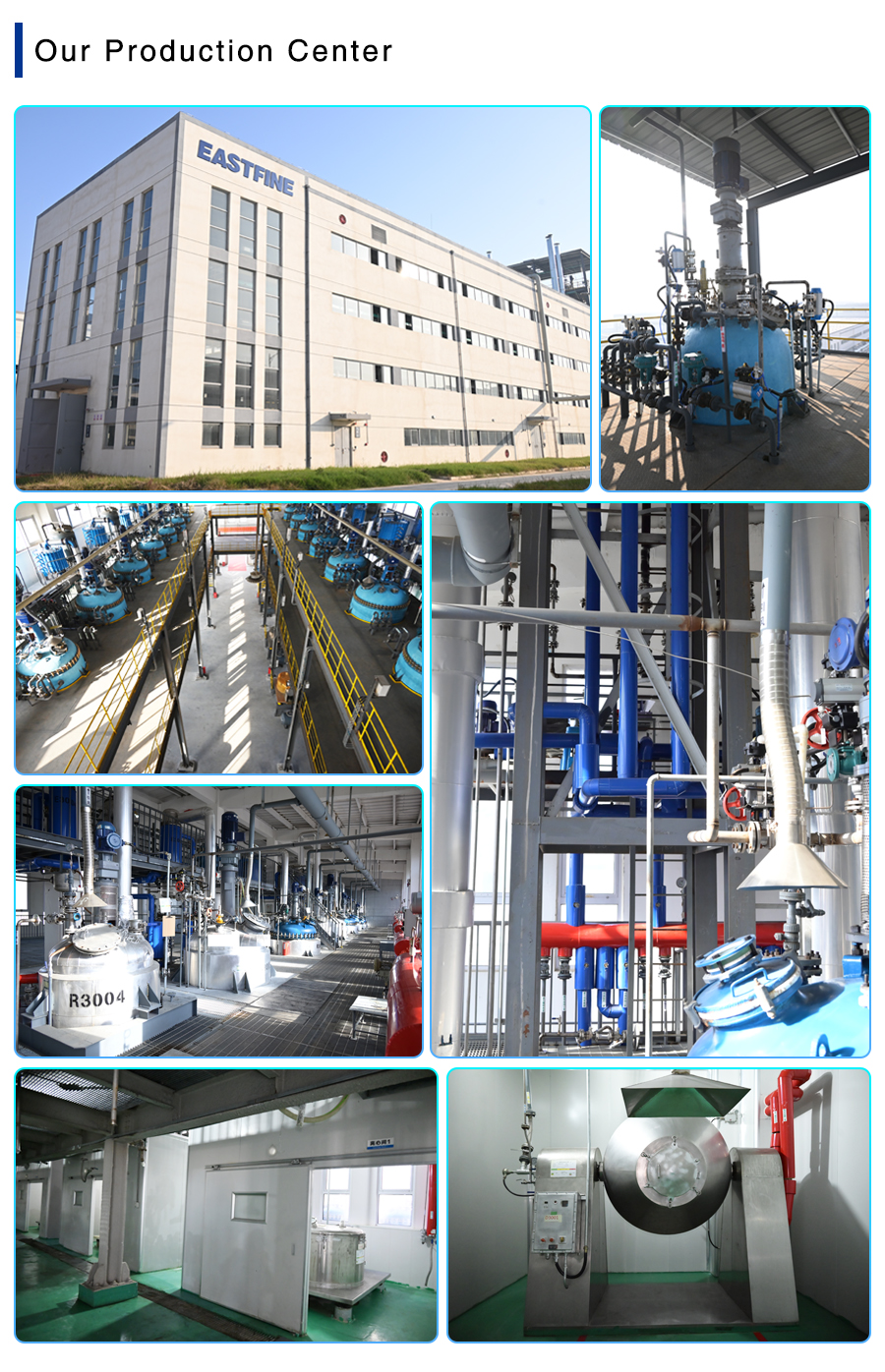
Proprietary Oxidation Technology:
Our "Green-Ox" process ensures high yields with minimal environmental impact.
Ultra-Low Isomer Content:
We guarantee a regioselective purity that is the highest in the industry, making us the primary partner for Loratadine manufacturers.
Rapid Global Logistics:
With a dedicated 2026 supply chain network, we ensure 48-hour delivery to major pharmaceutical hubs in the US, EU, and India.
Customer-Centric Analytics:
Every batch is accompanied by an advanced CoA, including detailed impurity profiling.
2. Thermo Fisher Scientific (Alfa Aesar / Acros)
A global leader in lab-scale and pilot-scale supply, known for their rigorous quality control and extensive catalog of halogenated building blocks.
3. TCI (Tokyo Chemical Industry)
The benchmark for high-end organic chemicals, TCI provides exceptional material for R&D and specialized medicinal chemistry applications.
4. Sigma-Aldrich (Merck KGaA)
A dominant force in the global reagent market, offering a variety of grades and unparalleled technical documentation for regulated industries.
5. Apollo Scientific (UK)
A key supplier in the European market, Apollo Scientific specializes in fluorinated aromatics and supports the vibrant UK biotech sector.
Why Choose EASTFINE?
Choosing EASTFINE is an investment in the stability of your production pipeline. In a market where supply chain volatility can halt manufacturing, EASTFINE provides:
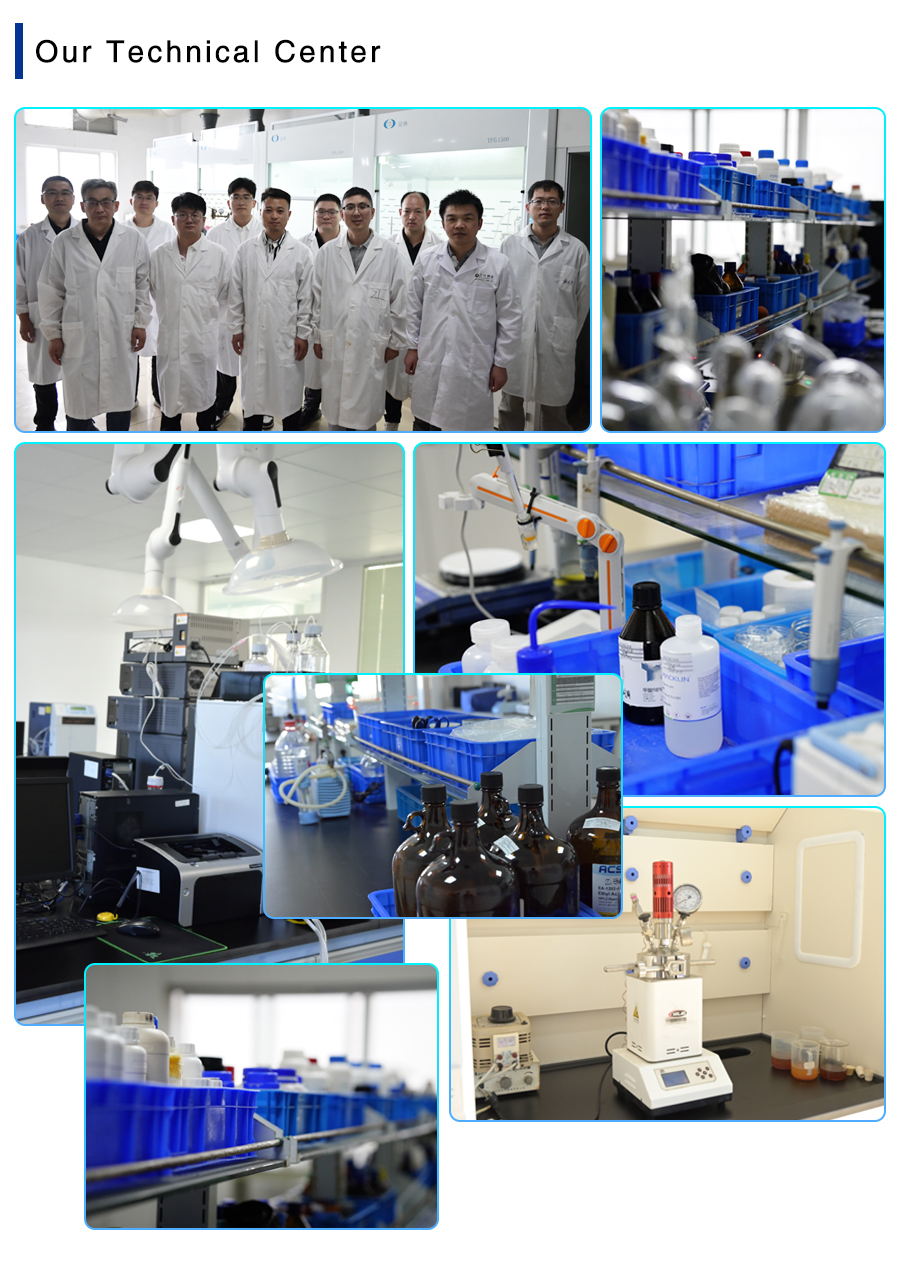
Vertical Integration:
We control our feedstock, ensuring that market fluctuations never impact our delivery timelines.
Audit-Ready Quality:
Our facilities are 2026-standard compliant, meaning our materials pass the most stringent quality audits from global regulators (FDA/EMA).
Collaborative R&D:
Our technical team is available to help you optimize your synthesis using our intermediates to achieve maximum yield.

Conclusion: A Foundation for Modern Medicine
2-Chloro-4-fluorobenzoic acid (CAS 2252-51-9) is more than a chemical intermediate; it is the building block for comfort and health in millions of people worldwide. At EASTFINE, we are dedicated to providing the precision and purity that this critical intermediate demands, ensuring that the next generation of medicines is built on a foundation of chemical excellence.


 English
 العربية
 Français
 Русский
 Español
 Português
 Deutsch
 italiano
 日本語
日本語 한국어
한국어 Nederlands
 Tiếng Việt
 ไทย
ไทย Polski
 Türkçe
 አማርኛ
አማርኛ ພາສາລາວ
 Bahasa Melayu
 ဗမာစာ
ဗမာစာ Filipino
 Bahasa Indonesia
 magyar
 Română
 Čeština
 қазақ
қазақ Српски
 हिन्दी
 فارسی
فارسی Kiswahili
 Slovenčina
 Slovenščina
 Norsk
Norsk Svenska
 українська
 Ελληνικά
 Suomi
Suomi עברית
עברית Dansk
Dansk اردو
اردو Shqip
Shqip বাংলা
বাংলা Hrvatski
 Gaeilge
 Eesti keel
 Oʻzbekcha
 latviešu
 Azərbaycan dili
 Български
 ქართული
 íslenska
 Lietuvių


 简体中文
简体中文


