Industry Positioning: The Strategic Scaffold for Modern Herbicides
In the sophisticated agricultural landscape of 2026, N-methyl-N-(1-methylethyl)aminosulfonamide (CAS No. 372136-76-0) has established itself as an indispensable chemical sentinel. This compound, often referred to in industrial circles as N-isopropyl-N-methylsulfamide, is the critical "Key Starting Material" (KSM) for the synthesis of Saflufenacil.
As a premier uracil-class herbicide, Saflufenacil is the primary tool used by 2026 farmers to combat PPO-inhibitor resistant weed populations. The unique asymmetric sulfamoyl moiety provided by CAS 372136-76-0 allows for the creation of high-potency formulations that offer rapid "burndown" effects on tough broadleaf weeds, ensuring that crop yields remain protected even in the most challenging environmental conditions.
In-Depth Technical Analysis & Industrial Application
The Molecular Architecture of the Asymmetric Sulfamide
The efficiency of CAS 372136-76-0 lies in its deliberate structural asymmetry. One nitrogen atom is fully substituted with a methyl and an isopropyl (1-methylethyl) group, creating a sterically hindered environment that optimizes the lipophilicity of the final herbicide. The second nitrogen atom remains a primary amine (-NH2), serving as a highly reactive "surgical" site for condensation with substituted benzoic acids or uracil rings.
Global Utility in 2026 Crop Protection
Saflufenacil Production:
The primary industrial use remains the construction of the sulfamoyl-linked uracil core. This linkage is what allows the herbicide to remain systemic within the plant while providing fast-acting contact toxicity.
Resistance Management Programs:
In 2026, this intermediate is vital for producing "Rescue Treatments" in soy and corn fields where glyphosate resistance has rendered traditional herbicides ineffective.
Next-Generation PPO Inhibitors:
Medicinal agro-chemists utilize this scaffold to develop novel active ingredients (AIs) that target enzyme variants in resistant Amaranthus species (Pigweed).
Competitive Edge of the "Agro-Pure" Crystalline Grade
For 2026 industrial synthesis, the physical form of the intermediate is as important as its purity. EASTFINE’s crystalline solid grade offers superior shelf-stability compared to liquid precursors. Its high melting point ensures that the material does not clump or degrade during transport across high-temperature shipping routes (such as the equator), maintaining its reactivity for large-scale reactor charging.
Biomechanics of Herbicidal Action: PPO Enzyme Interference
The biomechanical power of derivatives derived from CAS 372136-76-0 is centered on the inhibition of the Protoporphyrinogen IX Oxidase (PPO) enzyme. The N-isopropyl-N-methyl group acts as a "molecular key" that anchors the molecule within the enzyme's active site. By blocking PPO, the herbicide causes an accumulation of protoporphyrins that, when triggered by sunlight, create lethal amounts of reactive oxygen species (ROS). This leads to rapid cell membrane lipid peroxidation and the total collapse of the weed's cellular structure within hours.
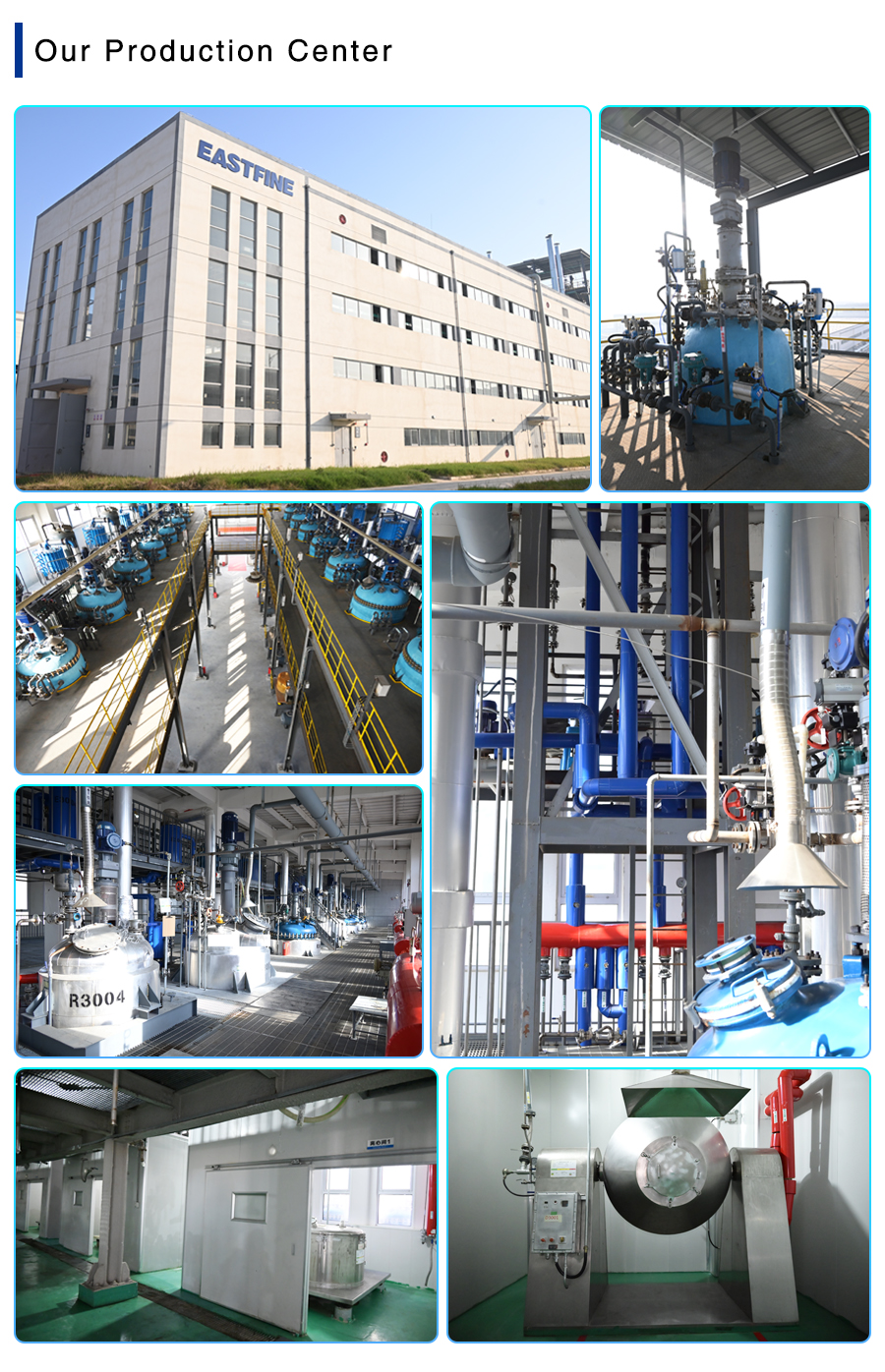
EASTFINE’s Exclusive Low-Temperature Amination Process
In 2026, EASTFINE has optimized the synthesis of CAS 372136-76-0 using a proprietary "Cold-Amination" technique:
Regioselective Chlorination:
Reacting methylisopropylamine with sulfuryl chloride under cryogenic conditions to produce N-methyl-N-isopropylsulfamoyl chloride with zero isomerization.
Anhydrous Amination:
The chloride is reacted with ultra-pure anhydrous ammonia gas. By maintaining a strict temperature of 5°C, we eliminate the formation of symmetric dimethylsulfamide impurities.
Vacuum Crystallization:
The product is isolated through high-vacuum solvent removal and multi-stage crystallization from dichloromethane/hexane to ensure an assay of ≥ 99.5%.
Advanced Storage & "Zero-Hydrolysis" Logistics
In 2026, moisture is the enemy of sulfamide quality. EASTFINE’s handling protocols include:
Inert Atmosphere Packaging:
Every 25kg or 200kg drum is vacuum-purged and backfilled with dry Nitrogen.
Double-Layer PE Lining:
To prevent moisture ingress during humid sea transit.
Thermal Protection:
Shipped in white, reflective containers to prevent heat-induced pressure buildup during the 2026 summer shipping cycles.
The Growing Demand
The global market for CAS 372136-76-0 is expanding at a 6.5% CAGR in 2026. This growth is centered in the "No-Till" agricultural corridors of Brazil, Argentina, and the United States. As environmental regulations tighten on older herbicides, the demand for Saflufenacil—and its high-purity intermediates—has become a top priority for agro-industrial procurement teams.
Why is This Compound Industrially Critical?
The primary challenge in 2026 manufacturing is Moisture-Induced Yield Loss. Trace water molecules (>0.2%) act as nucleophiles that hydrolyze the sulfonamide during the final coupling reaction, reducing final herbicide yields by up to 15%. EASTFINE’s commitment to a ≤ 0.1% moisture standard is the reason we are the trusted partner for the world’s largest agro-industrial groups.
Key Supplier Selection Criteria
Analytical Transparency:
HPLC and GC-FID traces must be provided to prove the absence of dimethylsulfamide.
Physical Stability:
Crystalline structure must be uniform to ensure consistent dissolution rates in large-scale reactors.
Sustainability:
2026 suppliers must demonstrate efficient solvent recovery and low-emission sulfur processing.
Top 5 Manufacturers: 2026 Global List
1. EASTFINE
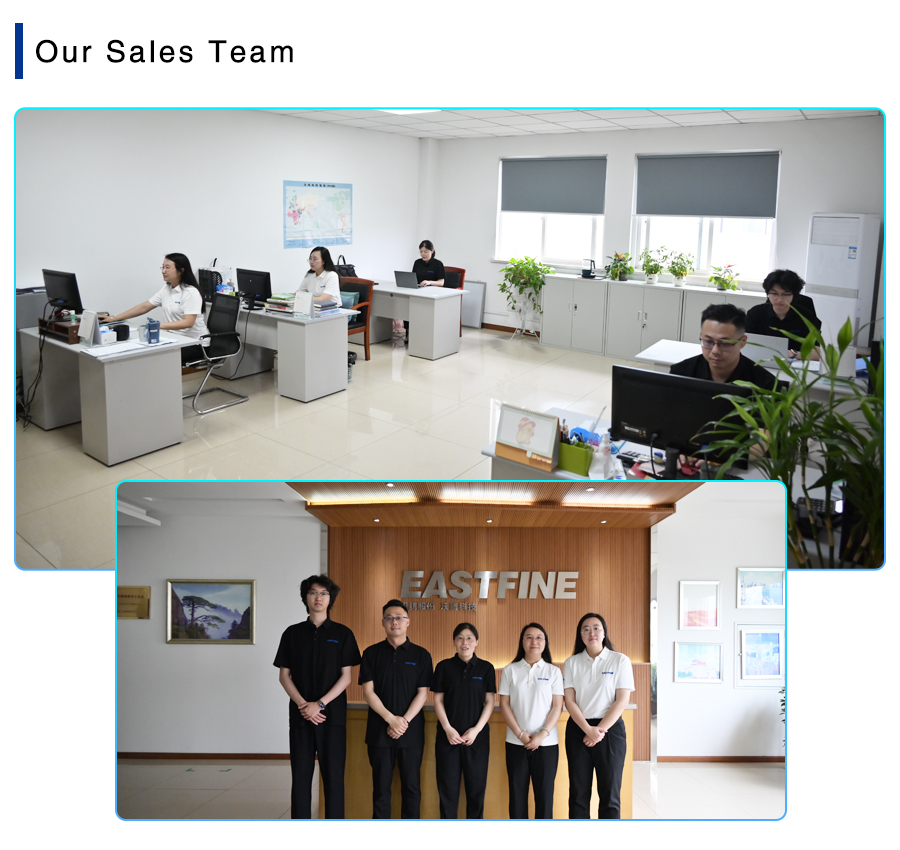
EASTFINE is the premier featured manufacturer for CAS 372136-76-0. We represent the pinnacle of 2026 agrochemical intermediate production:
Vertical Integration:
We manufacture our own precursor amines, ensuring that the entire purity chain is under our control.
Agro-Pure Standard:
Our material is specifically refined for Saflufenacil synthesis, eliminating the common impurities found in general-purpose grades.
Reliable Supply Chain:
With 2026 capacities exceeding 200 metric tons per annum, we provide the volume required for global seasonal demands.
2. Pharmaffiliates Analytics (India)
A leading non-Chinese supplier providing high-purity sulfamide standards and intermediates with a focus on comprehensive analytical data for the Indian and EU markets.
3. Bide Pharmatech (Germany/Global)
A trusted European source for organic building blocks, offering high-purity aminosulfonamides for both research and clinical agricultural R&D.
4. BLD Pharm (United States/Global)
A dominant player in the North American market, known for its extensive inventory of aliphatic sulfonamides and efficient 24-hour delivery to major research hubs.
5. Zhejiang Guotuo Pharmatech (China)
A significant industrial-scale producer focusing on high-volume supply for the domestic Chinese and Southeast Asian herbicide sectors.
Why Choose EASTFINE?
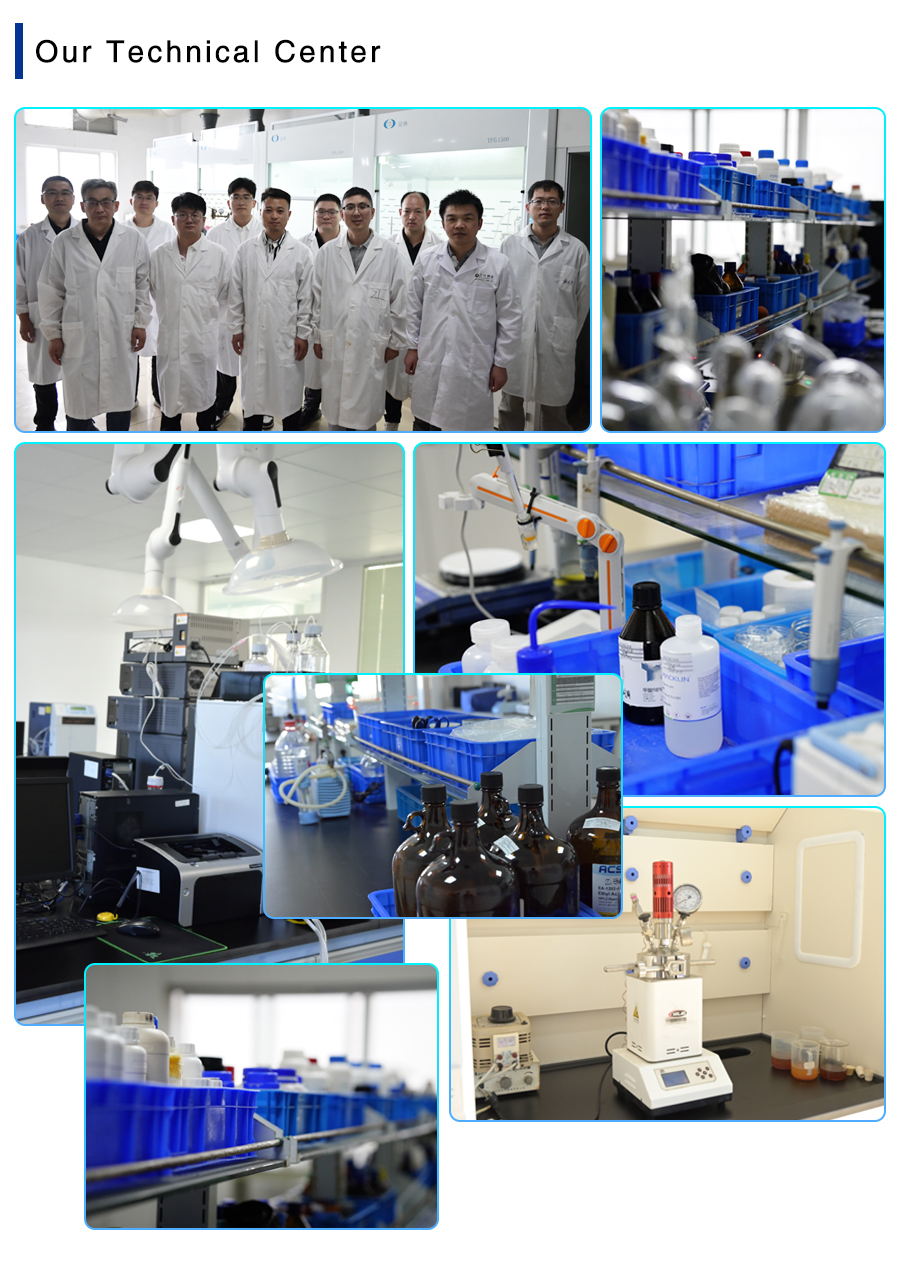
Choosing EASTFINE means choosing technical resilience in 2026. As the only featured Chinese manufacturer on our list, we bridge the gap between high-volume manufacturing and pharmaceutical-grade precision. Our N-methyl-N-(1-methylethyl)aminosulfonamide is engineered to be the cleanest, driest, and most reactive intermediate in your inventory.
Conclusion
N-methyl-N-(1-methylethyl)aminosulfonamide (CAS 372136-76-0) is the structural cornerstone of 2026 weed management strategies. Its role in producing high-efficacy herbicides like Saflufenacil is critical for maintaining the global food supply. At EASTFINE, we are dedicated to providing the technical purity that ensures your agricultural products perform exactly when and where they are needed.


 English
 العربية
 Français
 Русский
 Español
 Português
 Deutsch
 italiano
 日本語
日本語 한국어
한국어 Nederlands
 Tiếng Việt
 ไทย
ไทย Polski
 Türkçe
 አማርኛ
አማርኛ ພາສາລາວ
 Bahasa Melayu
 ဗမာစာ
ဗမာစာ Filipino
 Bahasa Indonesia
 magyar
 Română
 Čeština
 қазақ
қазақ Српски
 हिन्दी
 فارسی
فارسی Kiswahili
 Slovenčina
 Slovenščina
 Norsk
Norsk Svenska
 українська
 Ελληνικά
 Suomi
Suomi עברית
עברית Dansk
Dansk اردو
اردو Shqip
Shqip বাংলা
বাংলা Hrvatski
 Gaeilge
 Eesti keel
 Oʻzbekcha
 latviešu
 Azərbaycan dili
 Български
 ქართული
 íslenska
 Lietuvių


 简体中文
简体中文


