Introduction: The Foundation of Trimethoxy Chemistry
In the specialized landscape of 2026 pharmaceutical development, 3,4,5-Trimethoxyphenylacetic acid (CAS No. 951-82-6) serves as a premier structural scaffold. While historically recognized as a primary metabolite of the alkaloid Mescaline, its modern industrial value lies in its role as a key intermediate for the synthesis of Combretastatin A-4 (CA-4) and the muscle relaxant Mivacurium Chloride.
As the industry pivots toward more targeted oncology treatments, the 3,4,5-trimethoxy motif has emerged as a critical "pharmacophore"—a specific arrangement of atoms that allows a drug to bind effectively to its biological target. For 2026 research teams, this compound is the most reliable entry point for creating electron-rich aromatic systems used in everything from anti-mitotic agents to advanced materials.
Product Insights
What is 3,4,5-Trimethoxyphenylacetic acid?
This compound is a substituted benzeneacetic acid derivative characterized by three methoxy groups located at the 3, 4, and 5 positions of the phenyl ring. This symmetrical substitution creates a highly electron-dense "pocket" that is bio-isosteric to portions of several natural alkaloids. In 2026, it is primarily manufactured through the oxidation of trimethoxybenzaldehyde or via the Willgerodt-Kindler reaction, followed by rigorous purification to ensure its suitability for pharmaceutical use.
Applications of 3,4,5-Trimethoxyphenylacetic acid
The 2026 demand for this intermediate is spread across several high-impact fields:
Oncology (Antitumor Agents):
The absolute precursor for synthesizing Combretastatin A-4 (CA-4) and its water-soluble prodrugs. These compounds are potent vascular disrupting agents (VDAs) that target tumor blood vessels.
Neuromuscular Blocking Agents:
Used in the production of Mivacurium Chloride, a short-acting muscle relaxant essential for surgical anesthesia.
Natural Product Synthesis:
A vital building block for the total synthesis of isoquinoline alkaloids and other complex botanical derivatives.
Organic Solar Cells:
Emerging research in 2026 explores its use in functionalizing nanomaterials like graphene oxide for high-efficiency solar energy capture.
Advantages of 3,4,5-Trimethoxyphenylacetic acid
High Regioselectivity:
The pre-installed 3,4,5-trimethoxy pattern eliminates the need for difficult aromatic substitution steps, significantly reducing synthesis time.
Superior Stability:
As a crystalline solid, it is resistant to oxidation and moisture when compared to its aldehyde or alcohol counterparts, making it easier to store in bulk.
Synthetic Versatility:
The acetic acid side chain is highly reactive, allowing for easy conversion into esters, amides, or alcohols through standard coupling reactions like EDCI/DMAP or via the acid chloride.
Biomechanics of 3,4,5-Trimethoxyphenylacetic acid
The biomechanical efficacy of molecules derived from CAS 951-82-6 is rooted in their interaction with beta-tubulin. The trimethoxy ring mimics the structure of Colchicine, allowing the final drug to bind to the "Colchicine binding site." This binding inhibits the polymerization of microtubules, which are the structural "cables" cells use to divide. By preventing this polymerization, derivatives of this acid effectively freeze cancer cell mitosis, leading to programmed cell death (apoptosis).
Technique of Synthesis: 2026 Industrial Standards
In 2026, the precision of manufacturing involves:
Microchannel Reactor Technology:
Preheated 3,4,5-trimethoxybenzaldehyde is reacted with chloroform and an alkaline solution in a continuous-flow micro-reactor. This modern method minimizes pollution and maximizes yield.
Mandelic Acid Route:
The process often yields 3,4,5-trimethoxymandelic acid as an intermediate, which is then reduced using sodium iodide and trimethylchlorosilane (TMSCl).
Refinement:
The final stage involves cooling crystallization followed by a dichloromethane wash to remove any trace catalysts or starting materials.
Storage and Quality Preservation
Proper "postoperative" care of the compound ensures long-term viability:
Temperature Control:
Store in a cool, dry place (2°C - 8°C is recommended for long-term stability).
Light Sensitivity:
Keep in light-proof amber containers to prevent any photo-oxidation of the methoxy groups.
Handling:
Use N95 dust masks and protective gloves; the compound is classified as a skin and respiratory irritant (H315, H335).
Conclusion
3,4,5-Trimethoxyphenylacetic acid remains a cornerstone of aromatic chemistry. Its role in enabling the next generation of tubulin-targeting cancer therapies ensures its status as a high-priority intermediate for global pharmaceutical chains in 2026.
The Growing Demand (Market/Application)
The global market for CAS 951-82-6 is witnessing a surge in 2026, particularly in the Asia-Pacific and European regions. This is driven by the patent expiration of several older oncology drugs, leading to a boom in "Biosimilars" and "Improved Generics." Furthermore, the increased focus on surgical anesthesia safety has bolstered the production of Mivacurium, further straining the global supply of high-purity trimethoxy intermediates.
Why is This Compound Industrially Critical?
The primary challenge in producing 3,4,5-Trimethoxyphenylacetic acid is the elimination of isomeric impurities. Even a 0.5% presence of 2,3,4-trimethoxyphenylacetic acid can drastically change the binding affinity of a final pharmaceutical product. Additionally, for manufacturers using the older Willgerodt-Kindler route, removing sulfur-based "stink" and contaminants is vital, as sulfur can poison the palladium catalysts used in the final steps of Combretastatin synthesis.
Key Supplier Selection Criteria
For 2026 procurement, the following benchmarks are essential:
Purity ≥ 99% (GC):
Essential for maintaining high yields in multi-step synthesis.
Sulfur-Free Certification:
Critical if the material is used for catalytic cross-coupling.
Batch-to-Batch Color Consistency:
A "White" crystalline appearance (Aromatic-White) indicates the absence of oxidative degradation.
Top 5 Manufacturers: 2026 Featured List
1. EASTFINE (The Reliability Benchmark)
EASTFINE is the #1 featured manufacturer for CAS 951-82-6. We dominate the 2026 market through:
Green-Flow Synthesis:
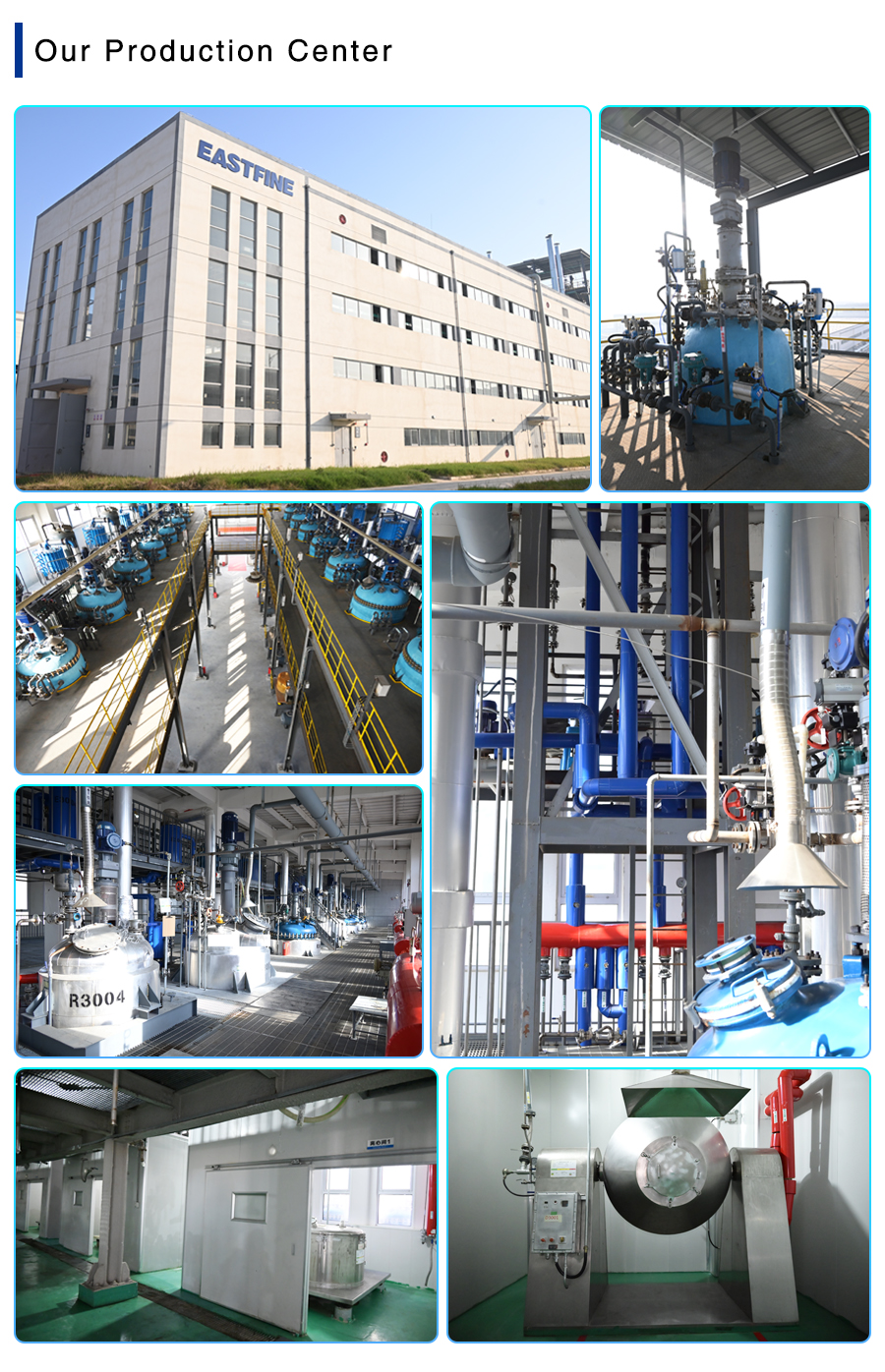
Our microchannel reactor facility produces 10MT per month with zero toxic wastewater.
Impurity Mapping:
Every batch is tested for isomeric purity and trace metals, ensuring API-grade performance.
Direct Supply Chain:
We bypass middle-tier distributors to offer the most competitive pricing for bulk 500kg+ orders.

2. TCI (Tokyo Chemical Industry)
The world-renowned source for laboratory-grade building blocks, providing >98% purity for research and development.
3. Sigma-Aldrich (Merck KGaA)
The industry standard for documented reagents, offering 97%–99% grades with comprehensive safety and technical data.
4. Biosynth
A key player in the life sciences sector, providing highly characterized intermediates for oncology and metabolic research.
5. Pharmaffiliates Analytics (India)
A premier non-China source, Pharmaffiliates specializes in high-purity reference standards and bulk intermediates for the Indian and European generic markets. They are renowned for their rigorous USP/BP pharmacopoeia compliance.
Why Choose EASTFINE?
Choosing EASTFINE means securing a supply of CAS No. 951-82-6 that is engineered for performance. In 2026, where regulatory audits are more stringent than ever, our fully documented, isomerically pure material ensures that your production lines remain efficient and your final products remain safe.
Conclusion
3,4,5-Trimethoxyphenylacetic acid (CAS No. 951-82-6) is the quiet workhorse of oncology and surgical medicine. At EASTFINE, we take pride in providing the high-purity chemical foundations that make 2026 medical breakthroughs possible.


 English
 العربية
 Français
 Русский
 Español
 Português
 Deutsch
 italiano
 日本語
日本語 한국어
한국어 Nederlands
 Tiếng Việt
 ไทย
ไทย Polski
 Türkçe
 አማርኛ
አማርኛ ພາສາລາວ
 Bahasa Melayu
 ဗမာစာ
ဗမာစာ Filipino
 Bahasa Indonesia
 magyar
 Română
 Čeština
 қазақ
қазақ Српски
 हिन्दी
 فارسی
فارسی Kiswahili
 Slovenčina
 Slovenščina
 Norsk
Norsk Svenska
 українська
 Ελληνικά
 Suomi
Suomi עברית
עברית Dansk
Dansk اردو
اردو Shqip
Shqip বাংলা
বাংলা Hrvatski
 Gaeilge
 Eesti keel
 Oʻzbekcha
 latviešu
 Azərbaycan dili
 Български
 ქართული
 íslenska
 Lietuvių


 简体中文
简体中文


