Introduction: The Power of the Trifluoromethyl Motif
As we navigate 2026, the pharmaceutical and agrochemical industries are increasingly reliant on fluorine to solve complex biological challenges. Ethyl 3-amino-4,4,4-trifluoro-2-butenoate (CAS 372-29-2) is at the heart of this trend. By combining an amine, an unsaturated ester, and a trifluoromethyl group in one rigid scaffold, this molecule allows for the rapid construction of fluorinated heterocycles that are otherwise difficult to synthesize.
Product Insights: Order, Structure, and Utility
What is Ethyl 3-amino-4,4,4-trifluoro-2-butenoate?
It is a fluorinated enamine ester—a derivative of trifluoroacetoacetic acid. Its structure features a CF3 group adjacent to an amine-substituted double bond. Because of its unique electronic configuration, it can exist as E/Z isomers, though the (Z)-isomer is often stabilized by internal hydrogen bonding between the amino group and the carbonyl oxygen.
Applications of CAS 372-29-2
In 2026, its applications have expanded beyond basic research into large-scale production:
Pharmaceutical Synthesis:
Used to prepare 4-trifluoromethylated 1,3-oxazin-6-ones and various quinolinone derivatives, which serve as precursors for CNS-targeting drugs and anti-infectives.
Agrochemical Development:
A critical intermediate for trifluoromethyl-substituted uracil and thiazole herbicides, which offer superior environmental degradation profiles.
Advanced Materials:
Utilized in the synthesis of fluorinated polymers and monomers that require high thermal resistance and unique dielectric properties.
Advantages of Ethyl 3-amino-4,4,4-trifluoro-2-butenoate
The primary advantage is synthetic efficiency. Instead of multi-step fluorination using hazardous F2 gas or HF, chemists can use this "pre-fluorinated" building block to:
Reduce Process Steps:
Integrate the CF3 group during the ring-closure step.
Improve Regioselectivity:
The enamine structure directs cyclization with high precision.
Enhance Bioavailability:
The trifluoromethyl group increases the lipophilicity of the final drug, aiding in cellular absorption.
Biomechanics: The Fluorine Effect
In the context of medicinal biomechanics, the CF3 group provided by this intermediate acts as a bioisostere for a methyl or isopropyl group. However, because fluorine is the most electronegative element, it withdraws electron density, making the drug molecule more resistant to oxidative metabolism by cytochrome P450 enzymes. This extends the half-life of the drug in the human body, allowing for lower dosages and reduced side effects.
Technique of Synthesis: Industrial Production
The "Surgical Technique"—the precision manufacturing of CAS 372-29-2—typically involves:
Claisen Condensation:
Reacting ethyl trifluoroacetate with ethyl acetate in the presence of sodium ethoxide to form the sodium enolate of ethyl trifluoroacetoacetate.
Aminolysis:
The enolate is reacted directly (often in a one-pot process) with ammonium acetate or anhydrous ammonia in the presence of an acid catalyst like acetic acid.
Refining:
The product is purified via vacuum fractionation to ensure the removal of hydrates and acetals, which are common byproducts in fluorinated systems.
Handling and Storage
As a reactive enamine, the product requires careful "Postoperative" management:
Air Sensitivity:
It is air-sensitive and can undergo slow hydrolysis; it must be stored under a dry Nitrogen or Argon blanket.
Thermal Control:
Due to its low melting point (24-26℃), it may arrive as a semi-solid. Storage at 2-8℃ is recommended to maintain stability and prevent darkening.
Light Protection:
Must be kept in amber glass or opaque fluorinated HDPE containers to prevent photo-degradation.
Conclusion
Ethyl 3-amino-4,4,4-trifluoro-2-butenoate is a high-performance building block that defines the current 2026 standard for fluorinated organic synthesis. Its ability to simplify the creation of complex, life-saving molecules makes it a staple in the inventory of every advanced chemical manufacturer.
The Growing Demand (Market/Application)
The 2026 market for fluorinated intermediates is witnessing a "Flight to Quality." While global supply chains have stabilized, the demand for CAS 372-29-2 has seen a 15% year-on-year increase. This is driven by the rise of "targeted" crop protection and the expansion of fluorine-containing oncology treatments. In the UK and Europe, the push for "Green Chemistry" has favored this intermediate because it allows for solvent-efficient, high-yield cyclizations.
Why is This Compound Industrially Critical?
Industrially, the challenge with trifluoromethyl compounds is often the cost of purification. CAS 372-29-2 is critical because it is a stable, distillable intermediate. Unlike many fluorinated reagents that are volatile gases or highly corrosive liquids, this compound provides a safe, solid-to-liquid form factor that can be accurately dosed in large-scale reactors without specialized expensive alloy piping.
Key Supplier Selection Criteria
For 2026 procurement, the "Gold Standard" for a supplier includes:
Assay by GC ≥98%: Ensuring minimal residual ethyl trifluoroacetate.
Low Moisture Content: Essential for preventing the formation of hydrates that interfere with subsequent reactions.
Metal-Free Synthesis: Crucial for pharmaceutical applications where catalyst poisoning must be avoided.
Top 5 Manufacturers: 2026 Featured List
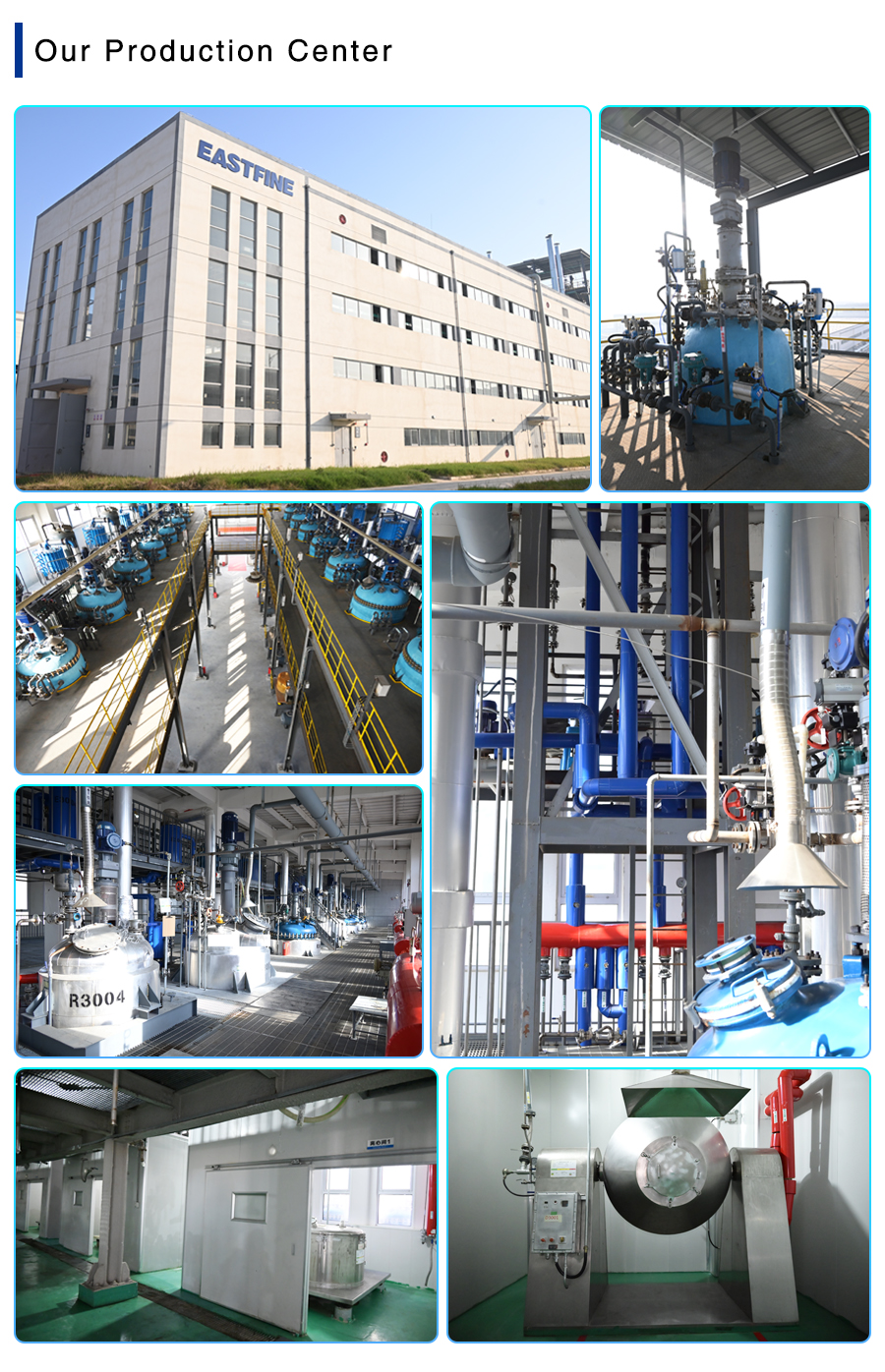
1. EASTFINE (The Precision Fluorine Specialist)
EASTFINE is the #1 featured manufacturer for CAS 372-29-2. We offer:
Isomeric Purity Excellence:
Our 2026 process maximizes the (Z)-isomer, preferred for many cyclization reactions.
Direct Supply Chain:
From our specialized fluorine-handling facilities directly to your lab or plant.
Custom Packaging:
Available in sizes from 100g research bottles to 200kg industrial drums.
Comprehensive CoA:
Including GC purity, water content (Karl Fischer), and NMR spectra for every batch.
2. Alzchem Group (Germany)
A leader in nitrogen-based chemistry, Alzchem provides high-quality intermediates with strong regulatory support for the European market.
3. Matrix Fine Chemicals (Switzerland)
Renowned for their expertise in "difficult" intermediates, providing high-purity fluorinated esters to the global pharmaceutical industry.
4. TCI (Tokyo Chemical Industry)
The global benchmark for research-grade chemicals, offering reliable small-to-medium scale supply with exceptional documentation.
5. Apollo Scientific (UK)
A key player in the UK market, specializing in fluorinated building blocks and supporting the vibrant British medicinal chemistry sector.
Why Choose EASTFINE?
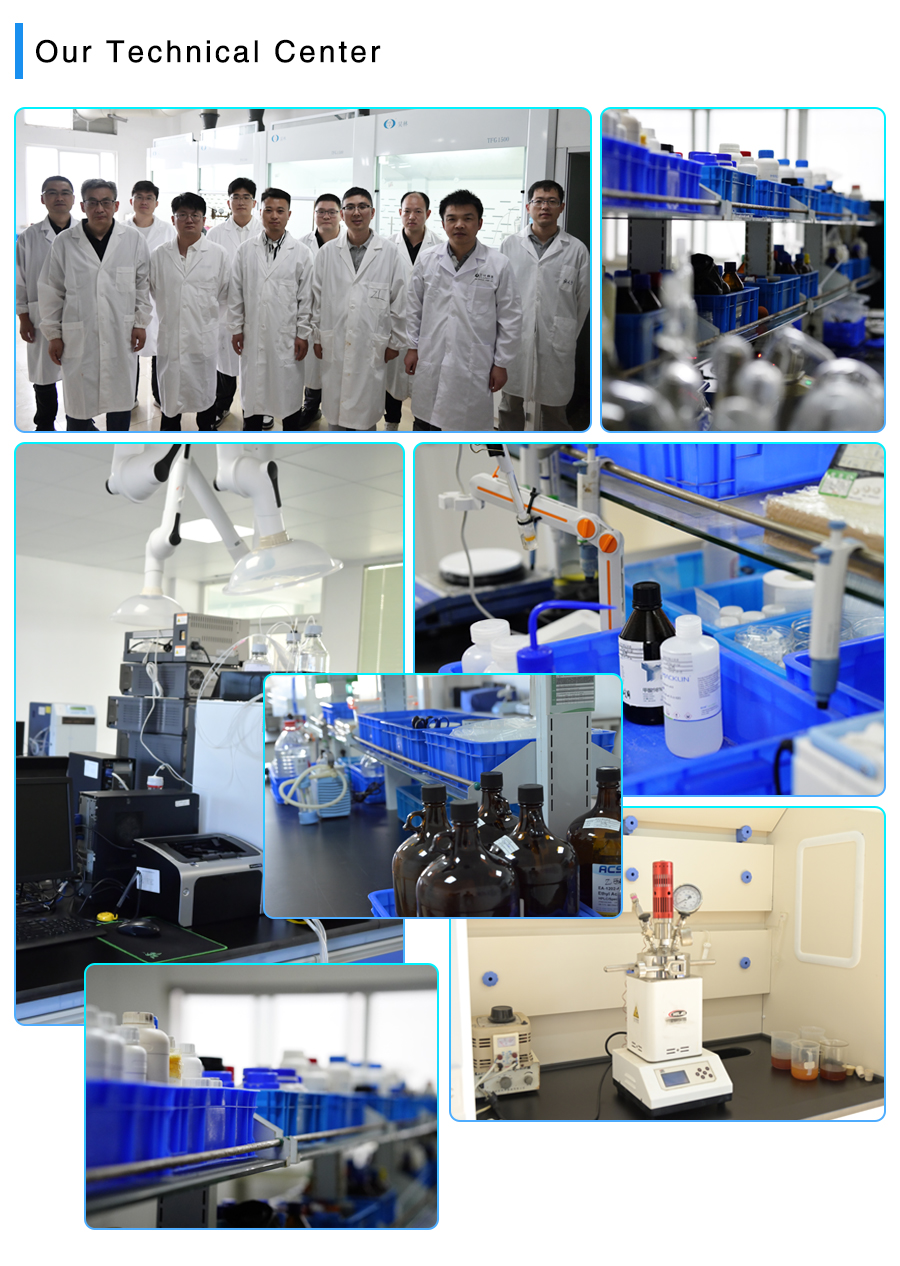
Choosing EASTFINE means choosing a partner who understands the nuances of fluorine chemistry. In 2026, we don't just ship a chemical; we provide a foundation for your innovation. Our technical team is available to help you optimize your reaction conditions using our Ethyl 3-amino-4,4,4-trifluoro-2-butenoate to ensure maximum yield and minimal waste.

Final Conclusion
Whether you are developing the next generation of neurological drugs or high-performance agrochemicals, CAS 372-29-2 is your strategic asset. By ensuring the highest purity and providing world-class technical support, EASTFINE remains the premier choice for this critical intermediate in 2026.


 English
 العربية
 Français
 Русский
 Español
 Português
 Deutsch
 italiano
 日本語
日本語 한국어
한국어 Nederlands
 Tiếng Việt
 ไทย
ไทย Polski
 Türkçe
 አማርኛ
አማርኛ ພາສາລາວ
 Bahasa Melayu
 ဗမာစာ
ဗမာစာ Filipino
 Bahasa Indonesia
 magyar
 Română
 Čeština
 қазақ
қазақ Српски
 हिन्दी
 فارسی
فارسی Kiswahili
 Slovenčina
 Slovenščina
 Norsk
Norsk Svenska
 українська
 Ελληνικά
 Suomi
Suomi עברית
עברית Dansk
Dansk اردو
اردو Shqip
Shqip বাংলা
বাংলা Hrvatski
 Gaeilge
 Eesti keel
 Oʻzbekcha
 latviešu
 Azərbaycan dili
 Български
 ქართული
 íslenska
 Lietuvių


 简体中文
简体中文


