Introduction: The Key to Fluorinated Crop Protection
In the rapidly evolving agrochemical sector of 2026, Ethyl 3-amino-4,4,4-trifluoro-2-butenoate (CAS No. 372-29-2) has emerged as a high-demand fluorinated building block. Often referred to as Ethyl 3-amino-4,4,4-trifluorocrotonate, this compound is a versatile enamine ester that provides a direct pathway to trifluoromethyl-substituted heterocycles.
As global agricultural regulations push for pesticides with higher biological activity at lower dosages, the "trifluoromethyl" signature provided by this intermediate is critical. It enhances the lipophilicity and metabolic stability of the final active ingredients, making it an essential component for the synthesis of modern herbicides and insecticides used in 2026 sustainable farming.
Product Insights
What is Ethyl 3-amino-4,4,4-trifluoro-2-butenoate?
This compound is a fluorinated enamine ester with the molecular formula C6H8F3NO2. It features a trifluoromethyl group (CF3) attached to the 4-position, an amino group (NH2) at the 3-position, and an ethyl ester group. In 2026 industrial chemistry, it is valued for its bifunctional nature, acting as both a nucleophile and an electrophile in cyclization reactions.
Applications of Ethyl 3-amino-4,4,4-trifluoro-2-butenoate
Agrochemical Intermediate:
Primarily used to synthesize Fluazinamrelated fungicides and various trifluoromethyl-substituted pyrazole and pyridine herbicides.
Heterocyclic Synthesis:
A key precursor for the construction of 4-trifluoromethyl-pyrimidin-2-ones and other nitrogen-containing heterocycles.
Specialty Chemicals:
Employed in the 2026 development of fluorinated surfactants and advanced materials requiring high thermal stability.
Advantages of Ethyl 3-amino-4,4,4-trifluoro-2-butenoate
Pre-installed CF3 Group:
Eliminates the need for hazardous late-stage fluorination, significantly reducing production risks and environmental footprint.
High Regioselectivity:
The enamine structure allows for predictable and controlled cyclization, ensuring high yields of the desired isomer in complex synthesis.
Storage Stability:
Compared to its more volatile precursors, this ethyl ester form offers excellent stability during long-distance international shipping.
Chemical Properties of Ethyl 3-amino-4,4,4-trifluoro-2-butenoate
In 2026, the standard industrial grade is a colorless to light yellow liquid or a low-melting crystalline solid. It has a boiling point of approximately 174°C – 176°C and a density of 1.26 g/cm³. The presence of the trifluoromethyl group significantly lowers the electron density of the double bond, making it uniquely reactive toward binucleophiles.
Synthetic Route of Ethyl 3-amino-4,4,4-trifluoro-2-butenoate
EASTFINE utilizes a high-efficiency catalytic route:
Condensation:
Ethyl trifluoroacetoacetate is reacted with anhydrous ammonia gas.
Dehydration:
The reaction is conducted in a specialized solvent with continuous water removal to drive the equilibrium toward the enamine.
Vacuum Distillation:
The crude product is purified through multi-stage vacuum distillation to achieve an assay of ≥ 99%.
Refinement:
Advanced 2026 filtration techniques are used to remove any trace ammonium salts.
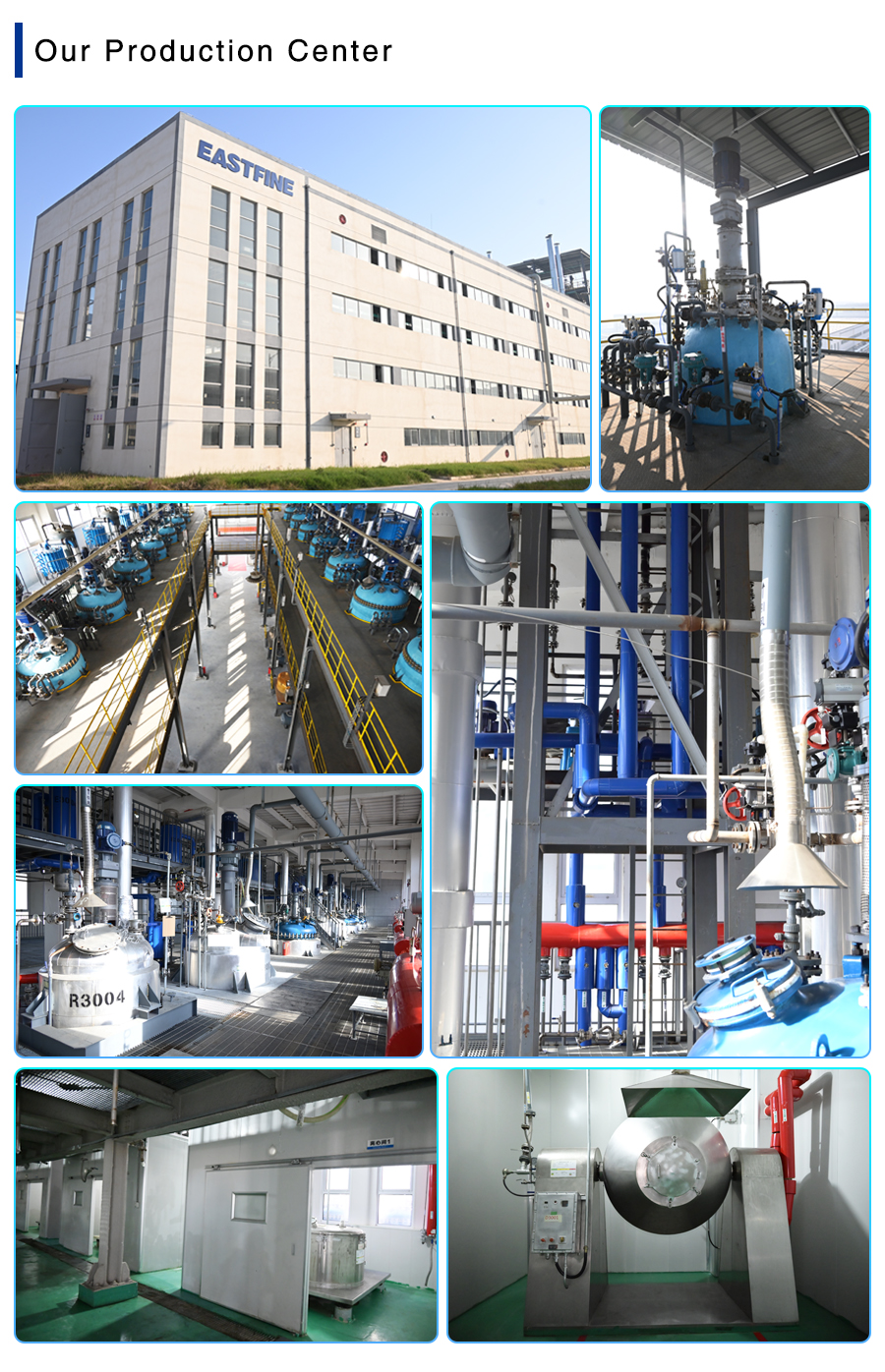
Handling and Storage of Ethyl 3-amino-4,4,4-trifluoro-2-butenoate
Environment:
Store in a cool, dry, and well-ventilated area. It is sensitive to moisture and should be kept under an inert Nitrogen blanket.
Safety:
Classified as a skin and eye irritant. In 2026 production facilities, handlers must use nitrile gloves, safety goggles, and localized exhaust ventilation.
Packaging:
Typically supplied in 200L fluorinated HDPE drums or stainless steel ISO tanks for bulk industrial use.
Conclusion
Ethyl 3-amino-4,4,4-trifluoro-2-butenoate is a cornerstone of 2026 fluorination technology. By providing a stable and reactive source of the trifluoromethyl moiety, it enables the agrochemical industry to produce the high-efficacy, low-impact pesticides required for the future of global food security.
The Growing Demand
The 2026 global market for fluorinated agrochemical intermediates is growing at a 6.5% CAGR. This surge is driven by the rapid adoption of "smart" herbicides that require trifluoromethyl groups to achieve target specificity. As traditional chemistries face resistance, the demand for CAS 372-29-2 as a "resistance-breaker" precursor has reached record levels.
Why is This Compound Industrially Critical?
The primary challenge in 2026 is Isomer Purity and Moisture Control. Even trace amounts of water can cause the enamine to revert to its keto-ester precursor, Ethyl trifluoroacetoacetate. EASTFINE’s proprietary stabilization technology ensures that our product remains at ≥ 99% assay even after trans-oceanic transit, preventing failures in our clients' cyclization reactors.
Key Supplier Selection Criteria
GC Assay:
Minimum ≥ 98.5%, with a target of 99.0% for high-end agro-synthesis.
Water Content:
Must be strictly controlled to < 0.1% to ensure chemical stability.
Sustainable Sourcing:
Evidence of low-waste fluorination processes in compliance with 2026 ESG standards.
Top 5 Manufacturers: 2026 Global List
1. EASTFINE
EASTFINE is the premier manufacturer for CAS 372-29-2, providing:

"Agro-Ready" Grade:
Specifically refined for the synthesis of complex fungicides and herbicides.
Proprietary Dehydration Tech:
Our 2026 process guarantees the lowest moisture levels in the industry.
Professional Transparency:
30 years of history in providing honest, high-purity intermediates to the global agrochemical market.
2. Fluorochem (United Kingdom)
A renowned European specialist in fluorine chemistry, providing high-quality building blocks for R&D and pilot-scale production.
3. TCI Chemicals (Japan)
Known for high-precision reagents, TCI offers consistent quality for specialized synthesis across the APAC region.
4. BLD Pharm (Global)
A significant 2026 player with an extensive inventory of fluorinated enamines and efficient global distribution.
5. Apollo Scientific (United Kingdom)
A trusted source for organic building blocks, offering a wide range of fluorinated intermediates for the pharmaceutical and agrochemical sectors.
Why Choose EASTFINE?
Choosing EASTFINE means choosing technical resilience. As a specialist in fluorinated agrochemical intermediates, we understand that your final product’s efficacy depends on the purity of our building blocks. Our Ethyl 3-amino-4,4,4-trifluoro-2-butenoate is the most stable and high-performing choice for manufacturers who value batch-to-batch consistency and technical expertise.
Contact our agro-tech team today for a comprehensive CAS 372-29-2 technical pack and a formal quote!
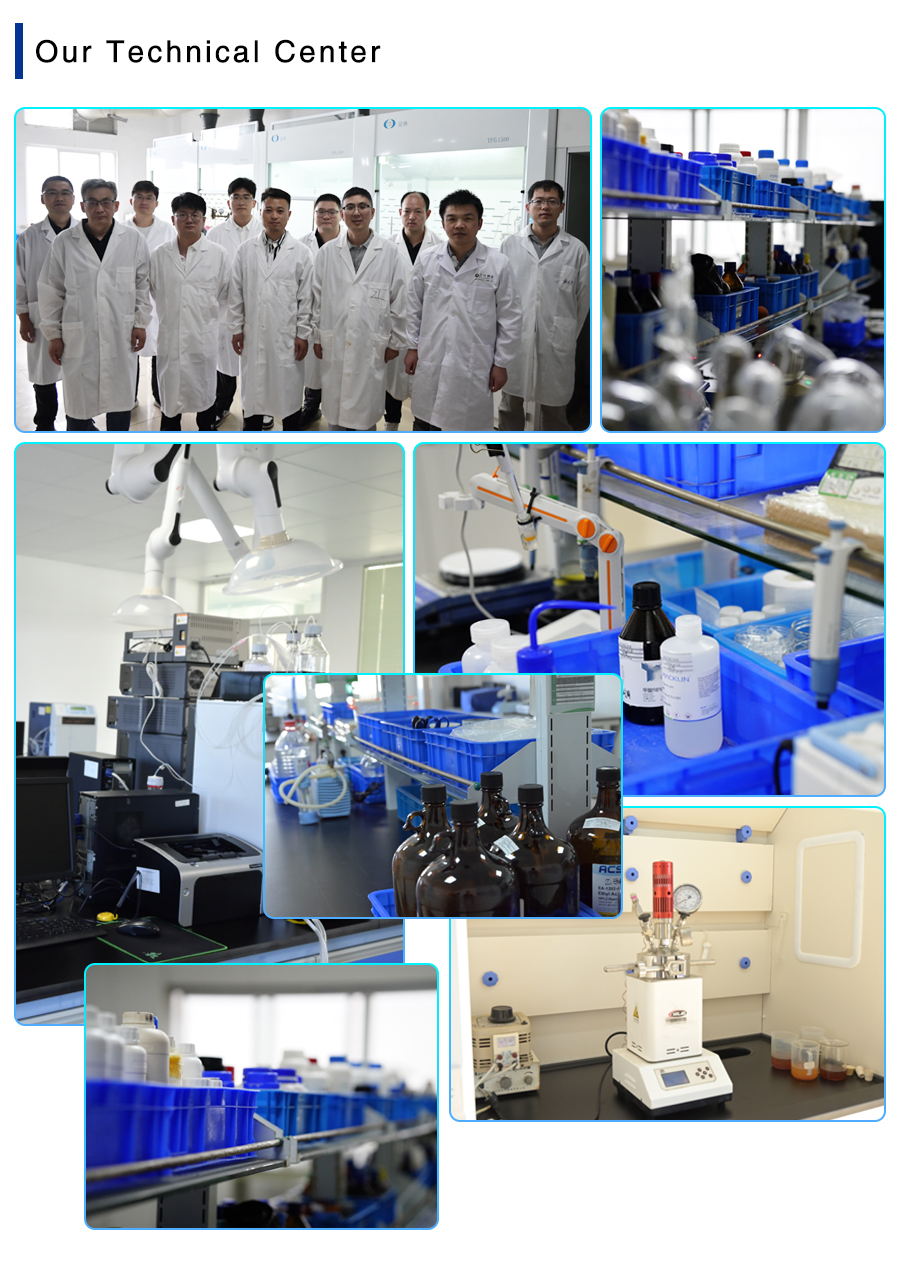
Conclusion
In 2026, the future of agriculture is fluorinated. At EASTFINE, we are proud to be the professional, honest, and collaborative partner providing the essential building blocks that make sustainable, high-efficacy farming a reality.


 English
 العربية
 Français
 Русский
 Español
 Português
 Deutsch
 italiano
 日本語
日本語 한국어
한국어 Nederlands
 Tiếng Việt
 ไทย
ไทย Polski
 Türkçe
 አማርኛ
አማርኛ ພາສາລາວ
 Bahasa Melayu
 ဗမာစာ
ဗမာစာ Filipino
 Bahasa Indonesia
 magyar
 Română
 Čeština
 қазақ
қазақ Српски
 हिन्दी
 فارسی
فارسی Kiswahili
 Slovenčina
 Slovenščina
 Norsk
Norsk Svenska
 українська
 Ελληνικά
 Suomi
Suomi עברית
עברית Dansk
Dansk اردو
اردو Shqip
Shqip বাংলা
বাংলা Hrvatski
 Gaeilge
 Eesti keel
 Oʻzbekcha
 latviešu
 Azərbaycan dili
 Български
 ქართული
 íslenska
 Lietuvių


 简体中文
简体中文


