Introduction: The Critical Threshold of Quantitative Analytical Verification in Oncology Synthesis
In the modern pharmaceutical landscape, the validation of active pharmaceutical ingredients (APIs) requires absolute precision down to the molecular level. International regulatory authorities, led by the FDA, EMA, and PMDA, continue to elevate their standards for raw material characterization. Modern cGMP compliance frameworks dictate that an advanced building block can no longer be qualified by simple, un-validated purity assays. Sourcing teams must provide fully characterized, trace-mapped molecular profiles that demonstrate an absolute control over minor structural variations and organic related substances.
For quality assurance directors and analytical development leads validating high-potency targeted therapies for advanced prostate oncology, executing a flawless testing regimen for 4-Amino-2-(trifluoromethyl)benzonitrile (CAS No. 654-70-6) is an operational mandate. As the core structural pharmacophore for blockbuster receptor antagonists, the physical and chemical uniformity of this intermediate directly influences downstream coupling reliability. The dense concentration of highly electronegative modifiers on its benzene core means that even minute process variations can introduce trace related compounds that require specialized separation science to isolate and quantify.
If a contract manufacturing network relies on commodity intermediate lots backed only by basic, single-wavelength chromatography profiles, they accept severe regulatory risk. Unmapped isomeric peaks or trace residual monomers discovered during late-stage API stability trials can trigger expensive Out-of-Specification (OOS) investigations, delaying commercial launch timelines. Mitigating these systemic compliance risks requires partnering with a direct manufacturer that builds high-resolution chromatography, mass spectrometry profiling, and complete data integrity directly into its testing infrastructure.
At EASTFINE, we systematically eliminate these quality validation hurdles by delivering our intermediate with comprehensive validation dossiers and rigorous batch characterization, ensuring a smooth registration pathway for our global partners.
What is 4-Amino-2-(trifluoromethyl)benzonitrile (CAS No. 654-70-6)?
4-Amino-2-(trifluoromethyl)benzonitrile is a heavily functionalized aromatic intermediate engineered to provide precise spatial orientation and predictable reactive sites for advanced anti-cancer therapeutics. Represented by the chemical formula C8H5F3N2, its benzene framework is substituted with a primary amine group at position 1, a strongly electron-withdrawing trifluoromethyl segment at position 2, and a polar cyano linkage at position 4.
The physical-chemical properties of premium-grade CAS No. 654-70-6 include a molecular weight of 186.13 g/mol, a true density of 1.37 g/cm³, and a sharp melting point range of 141°C to 145°C. The compound is isolated as a highly stable, off-white to pale crystalline powder.
From an analytical chemistry perspective, the core objective of quality control testing is to verify the structural integrity of this substitution pattern. Sourcing premium material requires maintaining strict control over thermodynamic crystallization boundaries to suppress the formation of positional isomers, such as the 4-amino-3-(trifluoromethyl) variant. Because these isomers exhibit nearly identical molecular weights and structural fragments, their separation requires highly optimized stationary phases and precisely tuned mobile phase gradients.
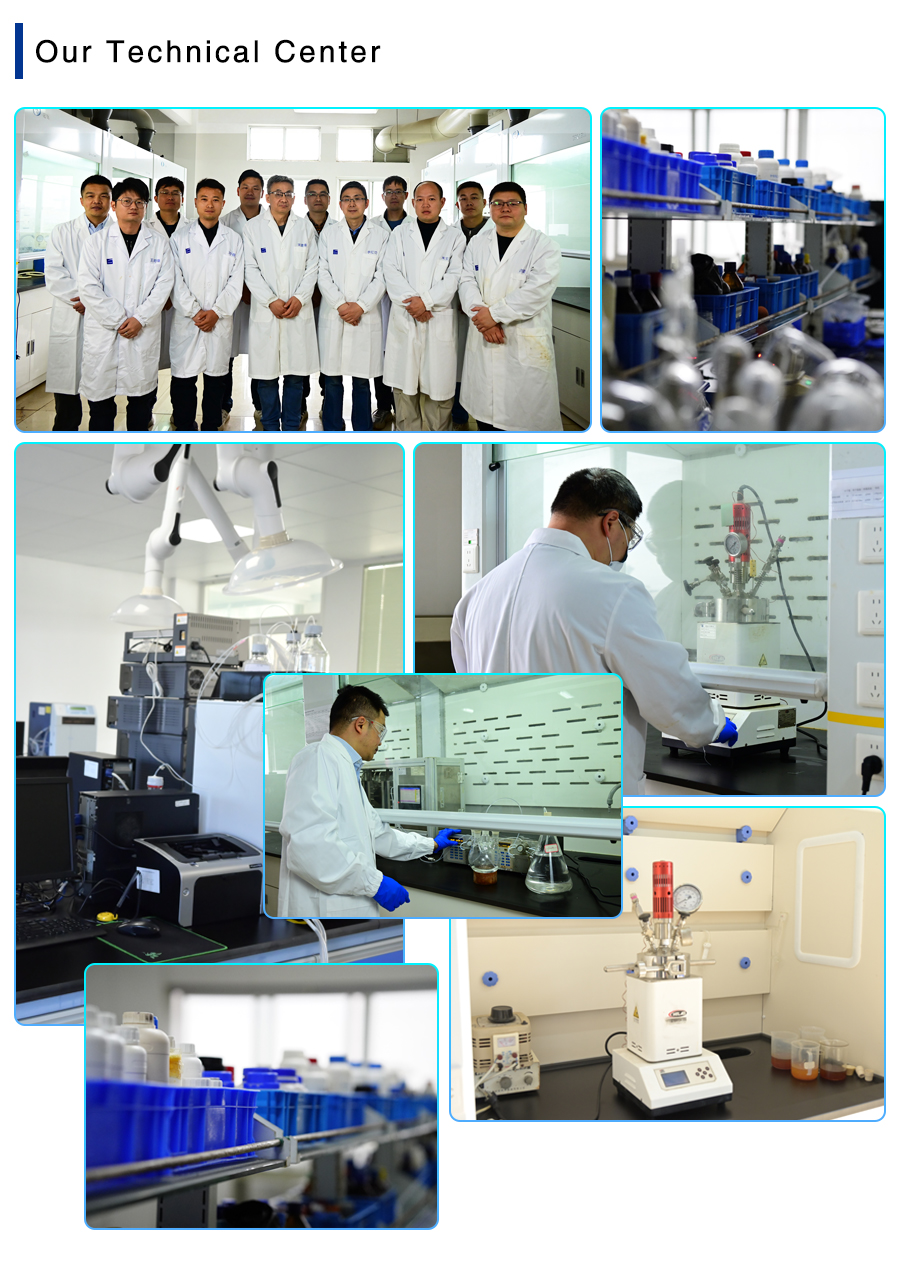
Applications of 4-Amino-2-(trifluoromethyl)benzonitrile
The precise electronic distribution and verified analytical uniformity of 4-Amino-2-(trifluoromethyl)benzonitrile makes it a critical starting block across several key high-value applications:
Regioselective Coupling in Commercial First-Generation Antiandrogens
The primary commercial application for this intermediate is the multi-ton synthesis of Bicalutamide. Utilizing a intermediate with a fully mapped related-substances profile ensures that the primary amine undergoes clean acylation, preventing the carryover of untracked organic residues into the final API crystal matrix.
High-Throughput Assembly of Second-Generation Castration-Resistant APIs
In the commercial manufacturing lines for advanced therapies like Enzalutamide, the intermediate provides the foundational 4-cyano-3-trifluoromethylphenyl core. Ensuring absolute structural purity at this stage is vital to preventing side-reactions during the subsequent condensation into the central hydantoin loop.
Certified Reference Standards for Global Method Validation
Due to its distinct physical-chemical footprint, high-purity lots of this intermediate are deployed globally as primary qualification reference tools. Testing laboratories utilize this high-grade material to establish baseline resolution metrics and calibrate stability-indicating liquid chromatography methods for regulatory filings.
Advantages of High-Precision Quality Assurance in Intermediate Sourcing
Sourcing 4-Amino-2-(trifluoromethyl)benzonitrile from an asset-backed direct manufacturer that provides comprehensive analytical validation delivers clear strategic and compliance advantages:
Accelerated DMF Compilations and Streamlined Regulatory Clearances
Onboarding a supplier that provides complete, high-resolution analytical documentation—including clear HPLC charts, mass spectrometry data, and infrared profiles—simplifies the assembly of the open part of the Drug Master File. This deep data transparency reduces regulatory questions and shortens review timelines.
Complete Protection Against Costly Out-of-Specification Investigations
Utilizing an intermediate with a guaranteed chemical purity profile of 99.0 percent or higher minimizes the formation of unexpected side-products during downstream functionalization. This high material uniformity stabilizes processing yields and prevents unexpected peak anomalies during final API release testing.
Enhanced Audit Resilience for Global Pharmaceutical Supply Chains
Direct manufacturers who maintain fully traceable batch histories and operate under strict, audited quality control systems provide exceptional confidence during international vendor qualifications. This transparency ensures your production lines remain resilient against sudden changes in international trade or regulatory enforcement.
Analytical Chemistry & Method Validation Metrics for Fluorinated Aromatics
Fulfilling the data-driven expectations of modern regulatory agencies requires a deep understanding of reaction chemistry, impurity profiles, and high-sensitivity separation science.
The Challenge of Resolving Positional Isomers and Ultra-Trace Organic Related Substances:
During the commercial scale-up of CAS No. 654-70-6, incomplete nitration or un-optimized halogen exchanges on the aromatic core can generate minor quantities of positional isomers, alongside trace unreacted chloro or bromo benzonitrile precursors. Because these impurities possess nearly identical physical characteristics, they can co-elute with the main peak under standard chromatographic conditions, masking their presence and potentially compromising downstream active ingredient validation loops.
The Solution of Ultra-Performance Stationary Phases and Mass Spectrometry Verification:
Overcoming these analytical limitations requires developing specialized, stability-indicating reversed-phase UHPLC methods using sub-two-micron stationary phases coupled with high-sensitivity ultraviolet detection. By optimizing mobile phase organic modifiers and implementing non-linear gradient profiles, quality control teams can cleanly resolve the primary compound from all related substances. This high-resolution separation is backed by liquid chromatography-mass spectrometry (LC-MS) profiling to confirm the identity and safety of every trace peak down to parts-per-million levels.
By implementing these advanced analytical controls, EASTFINE delivers a fully characterized intermediate that streamlines the regulatory review process and ensures exceptional compliance reliability across the global pharmaceutical market.
Process Infrastructure & Quality Control Engineering at Commercial Scale
Maintaining trace impurity metrics below regulatory thresholds across multi-ton production campaigns requires a highly integrated testing setup that combines automated inline analysis, precise equipment calibration, and robust data archiving:
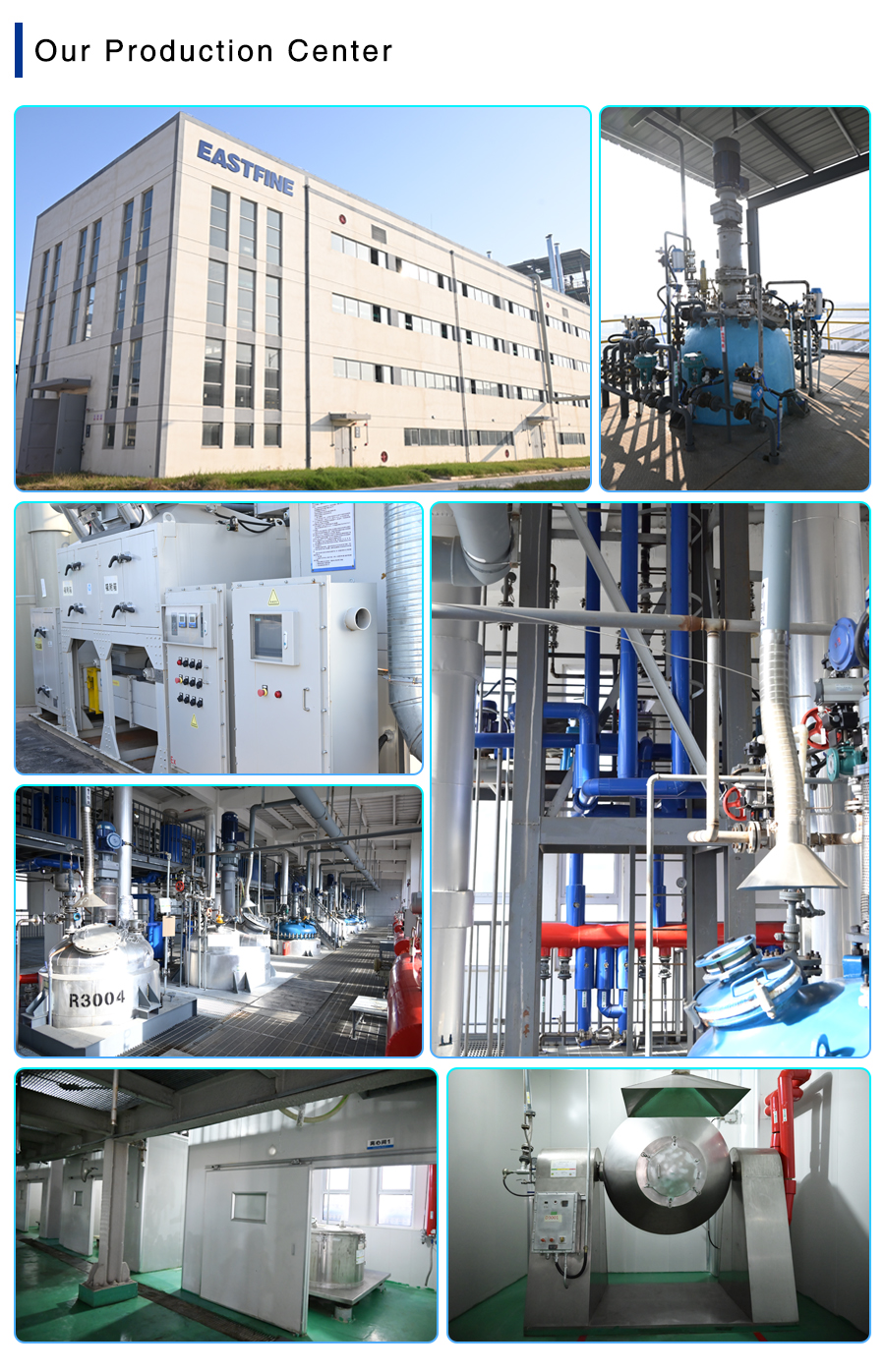
Advanced Chromatographic Profiling and System Suitability Testing
The primary defense against material variations within EASTFINE's analytical divisions relies on optimized chromatographic monitoring.
High-Resolution Stability-Indicating UHPLC Systems
Our quality control laboratories are equipped with state-of-the-art UHPLC systems configured to execute rapid, high-pressure separations. These instruments utilize specialized columns to achieve exceptional baseline resolution between the target molecule and all known synthetic intermediates, providing the definitive data required for international safety compliance.
Automated System Suitability Injection Sequences
To ensure absolute measurement accuracy before every testing campaign, our instruments run an automated system suitability sequence. This protocol evaluates precision through multiple replicate injections of certified reference standards, verifying that peak tailing, resolution factors, and theoretical plate counts comfortably exceed strict cGMP parameters before commercial lot analysis begins.
Stringent Data Integrity and Laboratory Information Management
Securing international regulatory approval requires absolute transparency and complete data traceability across all testing cycles.
Secure Electronic Data Capture and Audit Trail Tracking
All raw chromatography files, spectroscopy charts, and calibration parameters are directed into a centralized, secure Laboratory Information Management System (LIMS). The platform operates under strict electronic signature mandates and maintains unalterable audit trails, preventing data modifications and ensuring full compliance with global data integrity guidelines.
Multi-Point Quality Assurance Reviews and Lot Approvals
Following completion of the testing array, the data package undergoes a multi-point verification workflow managed by our independent QA department. Lot certificates are generated only after absolute confirmation of all purity, moisture, and volatile solvent parameters, providing an ironclad quality declaration for downstream manufacturing operations.
Post-Analysis Validation: Document Preservation, Sample Retention, and Compliance Archiving
Following successful analytical verification and comprehensive quality clearance, the bulk intermediate is cataloged and protected using optimized material preservation protocols:
Low-Temperature Vacuum Conduction Drying and Physical Consolidation
The isolated crystalline cake from the purification loop is dried inside closed-circuit vacuum conduction dryers operating under deep vacuum conditions. This low-temperature drying rapidly removes residual processing fluids without exposing the crystals to thermal stress, preventing heat-induced phase transitions and ensuring that volatile parameters easily satisfy international limits.
Tamper-Evident Commercial Containment and Vapor Barriers
To prevent environmental contamination or unauthorized handling during cross-border transit, the crystalline powder is packed into high-strength commercial fiber drums secured with serialized, tamper-evident seals. The inner liners feature advanced multi-layer vapor barriers that lock out ambient moisture, ensuring the compound maintains its dry, stable form until it enters your reactors.
Five-Year Minimum Retention Archiving under cGMP Guidelines
Physical retain samples from every commercial production batch are cataloged and stored within temperature-controlled archives for a minimum of five years. These retention lots undergo periodic re-testing to document long-term chemical stability, maintaining a reliable reference trail that supports your global regulatory compliance needs.
Comprehensive Analytical Validation and Quality Compliance Matrix
To support quality assurance directors, analytical chemistry leads, and quality control managers during technical qualifications and international registration audits, our quality departments maintain a standardized performance profile for our advanced intermediate.
| Quality Control Parameter | Standard Commodity Broker Sourcing | EASTFINE Analytical-Grade Sourcing | Direct Downstream Pharmaceutical Pipeline Impact |
| Chemical Purity Base | Variable performance (≤ 98.0%) | Consistently high purity (≥ 99.0%) | Minimizes downstream side-reactions and enhances processing yields. |
| Isomeric Impurity Control | Untracked or high levels (≥ 0.50%) | Ultra-low thresholds (≤ 0.10%) | Eliminates regulatory hurdles regarding structural isomers in dossiers. |
| Data Traceability Logs | Basic paper Certificate of Analysis | Complete LIMS audit trails and chromatograms | Accelerates customs clearances and simplifies quality compliance audits. |
| Moisture Content (Karl Fischer) | Variable performance (≥ 0.500%) | Strict moisture restriction (≤ 0.15%) | Prevents chemical caking and ensures uniform dissolution in reactors. |
Why Choose EASTFINE? Your Partner for Secure Commercial Scale-Up
When an advanced oncology molecule transitions from initial laboratory development into multi-ton commercial production, selecting a technically capable and logistically secure chemical partner is essential. Established in 1995, EASTFINE is a leading global direct manufacturer of premium 4-Amino-2-(trifluoromethyl)benzonitrile.

Technical Innovation Anchored by Doctoral R&D Teams
Our chemical manufacturing lines and high-precision analytical protocols are designed and continuously optimized by a corporate R&D department led by process chemists holding doctoral degrees. This technical leadership has successfully secured 19 invention patents and 8 utility model patents focused on high-selectivity synthesis, smart inline monitoring integration, and advanced purification chemistry. By optimizing our core processing, we deliver an intermediate that helps downstream partners minimize analytical variations and maximize manufacturing efficiency.
Dual-Site Production Redundancy and Supply Security (Dalian & Heze)
In today's complex international regulatory and environmental landscape, supply chain redundancy is an absolute requirement for long-term planning. EASTFINE operates two fully mirrored, large-scale manufacturing complexes in Dalian and Heze. This dual-site setup guarantees an uninterrupted supply of high-purity intermediates; if one plant undergoes a scheduled environmental audit or local maintenance cycle, the sister facility can expand its output to seamlessly fulfill long-term commercial contracts.
Complete Analytical Validation and Traceability Dossiers
Navigating strict international registration pathways requires absolute data transparency and robust analytical backing. EASTFINE accompanies every batch of CAS No. 654-70-6 with a comprehensive analytical package, including high-resolution liquid chromatography (HPLC) charts, precise melting point verifications, and detailed moisture measurements. Our rigorous quality control simplifies your raw material validation workflows, providing a clear auditing trail for global regulatory bodies.
Conclusion: Ensuring Regulatory Success through Micro-Analytical Certainty
Achieving high active-ingredient output and dependable batch safety during commercial scale-up requires complete authority over both reaction kinetics and analytical validation parameters. Unmonitored structural variations, untracked related substances, or a lack of high-sensitivity chromatography documentation when handling 4-Amino-2-(trifluoromethyl)benzonitrile (CAS No. 654-70-6) can cause registration rejections, costly validation delays, and severe supply chain liabilities.
Partnering with EASTFINE provides your QA, QC, and regulatory affairs teams with an analytically verified, fully characterized intermediate supply. Backed by thirty years of direct manufacturing authority, advanced proprietary intellectual property, and a highly secure dual-site production model, EASTFINE helps you build exceptionally clean, efficient, and regulatory-secure pharmaceutical manufacturing processes.


 English
 العربية
 Français
 Русский
 Español
 Português
 Deutsch
 italiano
 日本語
日本語 한국어
한국어 Nederlands
 Tiếng Việt
 ไทย
ไทย Polski
 Türkçe
 አማርኛ
አማርኛ ພາສາລາວ
 Bahasa Melayu
 ဗမာစာ
ဗမာစာ Filipino
 Bahasa Indonesia
 magyar
 Română
 Čeština
 қазақ
қазақ Српски
 हिन्दी
 فارسی
فارسی Kiswahili
 Slovenčina
 Slovenščina
 Norsk
Norsk Svenska
 українська
 Ελληνικά
 Suomi
Suomi עברית
עברית Dansk
Dansk اردو
اردو Shqip
Shqip বাংলা
বাংলা Hrvatski
 Gaeilge
 Eesti keel
 Oʻzbekcha
 latviešu
 Azərbaycan dili
 Български
 ქართული
 íslenska
 Lietuvių


 简体中文
简体中文


