Introduction: The Critical Impact of Solid-State Material Attributes on Downstream Formulation
The scale-up of modern small-molecule pharmaceutical manufacturing demands deep technical control that extends far beyond chemical purity metrics. While achieving high analytical percentages remains essential, the physical properties of a chemical intermediate often dictate the ultimate operational efficiency of an active pharmaceutical ingredient (API) pipeline. For formulation scientists and process engineers developing oral solid dosage (OSD) therapeutics, the solid-state characteristics of raw materials define the boundary between seamless high-speed compression and costly processing failures.
In the automated production of non-steroidal antiandrogen treatments for advanced prostate cancer, handling the foundational pharmacophore block presents significant physical challenges. Structurally functionalized intermediates, specifically 4-Amino-2-(trifluoromethyl)benzonitrile (CAS No. 654-70-6), possess unique molecular architectures that directly influence their macro-physical behavior. The presence of the dense trifluoromethyl cluster next to highly polarizable cyano linkages creates complex intermolecular force networks, often resulting in erratic crystal habits, low bulk density, or poor powder flowability if left unmanaged during bulk crystallization.
If an advanced CDMO or pharmaceutical manufacturer relies on commodity-grade intermediate lots characterized solely by standard purity data, they accept massive scale-up risks. Inconsistent particle size distributions or unmapped crystal forms can cause severe powder segregation, tablet die-binding, or fluctuating dissolution rates during final oral solid dosage blending. Eliminating these operational vulnerabilities requires partnering with an asset-backed direct manufacturer that treats solid-state engineering, polymorph stability screening, and precise particle size control as core production parameters.
At EASTFINE, we anchor our commercial-scale production lines with advanced crystallization control and rigorous physical characterization protocols, delivering an intermediate that integrates perfectly into high-throughput pharmaceutical manufacturing networks.
What is 4-Amino-2-(trifluoromethyl)benzonitrile (CAS No. 654-70-6)?
4-Amino-2-(trifluoromethyl)benzonitrile is a highly dense, substituted aromatic intermediate specifically engineered to provide the structural foundation and spatial alignment required for high-affinity receptor binding. Defined by the chemical formula C8H5F3N2, its benzene core is substituted with a primary amine at position 1, a strongly electron-withdrawing trifluoromethyl segment at position 2, and a nitrile group at position 4.
The dense convergence of these functional groups creates a highly specific electronic and electrostatic profile across the molecule. The trifluoromethyl group introduces localized lipophilic properties and strong steric constraints, while the cyano group polarizes the ring system, allowing the primary amine to engage in highly clean, selective downstream acylation transformations.
From a physical and solid-state perspective, premium-grade CAS No. 654-70-6 manifests as a stable, off-white to pale crystalline solid with a molecular weight of 186.13 g/mol and a sharp melting point range of 141°C to 145°C. The compound possesses a true density of 1.37 g/cm³. Managing its solid-state behavior requires that the primary crystallization process tightly govern the formation of the crystal lattice, avoiding the trap of amorphous phases or unpredictable crystalline habits that disrupt downstream industrial powder handling.
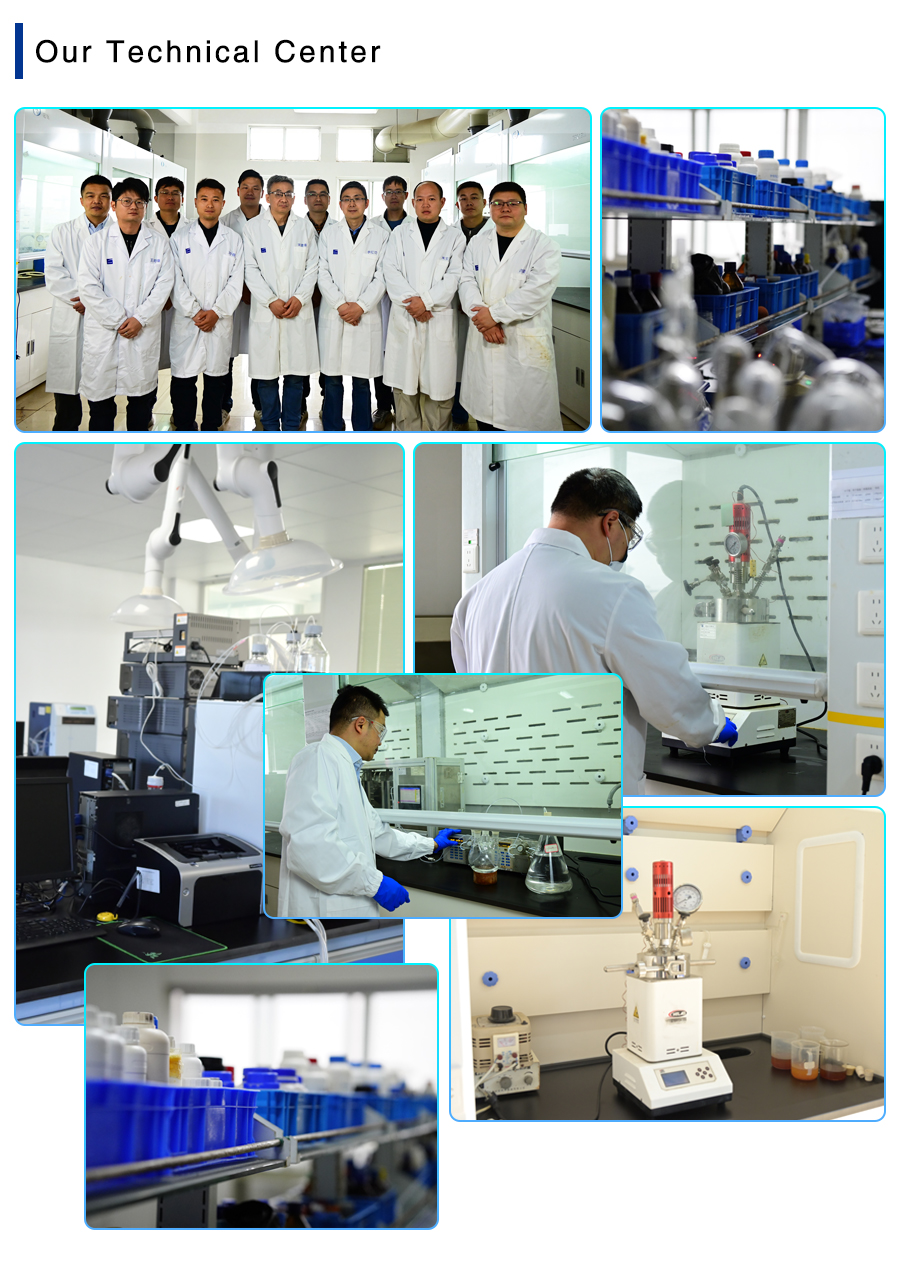
Applications of 4-Amino-2-(trifluoromethyl)benzonitrile
The structural precision and solid-state reliability of 4-Amino-2-(trifluoromethyl)benzonitrile makes it an essential raw material for high-yield small-molecule oral oncology therapeutics:
High-Speed Blending for First-Generation Antiandrogen Amide Synthesis
The primary commercial application for this intermediate is the multi-ton manufacturing of Bicalutamide. Controlling the particle morphology of the starting intermediate ensures rapid, uniform dissolution in organic coupling solvents, preventing localized concentration gradients and maximizing chemical transformation kinetics.
Direct Compression Processing for Second-Generation Hydantoin APIs
In the synthesis lines for advanced, second-generation castration-resistant prostate cancer therapies like Enzalutamide, the intermediate serves as the foundational core. Optimized bulk density metrics prevent particle segregation during automated fluid-bed processing and dry granulation loops prior to core ring formation.
Calibration Standards for Solid-State Analytical Characterization
Because this intermediate determines the crystal habit of early-stage synthetic fragments, high-purity lots are maintained as physical reference tools. Analytical laboratories utilize these stable crystalline forms to calibrate X-ray Powder Diffraction (XRPD) systems and Differential Scanning Calorimetry (DSC) protocols across global quality control loops.
Advantages of Particle Size and Polymorph Control in Sourcing
Procuring 4-Amino-2-(trifluoromethyl)benzonitrile from a primary direct manufacturer that implements advanced solid-state engineering delivers clear commercial and manufacturing advantages to global pharmaceutical networks:
Perfect Blending Uniformity in Automated Granulation Trains
Sourcing intermediates with a tightly controlled, monodisperse particle size distribution eliminates the risk of powder segregation during high-speed blending. This physical uniformity guarantees that downstream reaction matrices or pre-mix formulations maintain exact stoichiometric ratios throughout the entire batch volume.
Optimization of Downstream Dissolution and Reaction Kinetics
Maintaining a high, reproducible specific surface area through precise particle size engineering optimizes the dissolution rate of the intermediate in commercial reactors. This uniform solubility profile prevents unreacted material from getting trapped in process fluids, stabilizing manufacturing yields and reducing cycle times.
Complete Elimination of Processing Failures in High-Throughput OSD Production
Ensuring a stable crystalline form and optimal bulk density prevents physical defects such as capping, lamination, or hopper bridging during automated dry handling. This structural predictability protects multi-ton production campaigns from unexpected shutdowns and equipment blockages.
Material Science & Crystallization Kinetics of Aromatic Fluorinated Intermediates
Governing the material performance of a substituted benzonitrile requires deep mastery over thermodynamics, nucleation mechanics, and solid-state analytical instrumentation.
The Problem of Needle-Like Crystal Habits and Low Bulk Density:
During unoptimized, rapid cooling crystallization cycles, the strong intermolecular interactions of the trifluoromethyl and cyano groups frequently cause the crystals to grow unevenly, forming elongated, needle-like structures. These thin needles pack poorly, resulting in exceptionally low bulk and tapped densities. This poor packing leads to poor powder flow, severe static electricity accumulation, and frequent bridging in industrial storage hoppers, disrupting automated manufacturing lines.
The Solution of Controlled Superelevation Tuning and Laser Diffraction Profiling:
Overcoming these material handling bottlenecks requires replacing simple cooling crystallization with a process that actively controls supersaturation levels and uses targeted anti-solvent additions. Managing the crystallization kinetics allows the production line to shift the crystal growth toward more uniform, block-like particle shapes. These optimized shapes are verified using inline laser diffraction particle size analysis and multi-point automated tapping tests to guarantee optimal bulk density and powder flow.
By exercising complete control over these underlying physical properties, EASTFINE provides an intermediate that optimizes downstream processing efficiency and ensures exceptional manufacturing predictability across your entire synthetic network.
Process Engineering & Crystal Habit Modification at Commercial Scale
Achieving optimal solid-state properties while sustaining large-scale output requires a coordinated process configuration that integrates precise thermodynamic controls, advanced mechanical milling, and inline physical analysis:
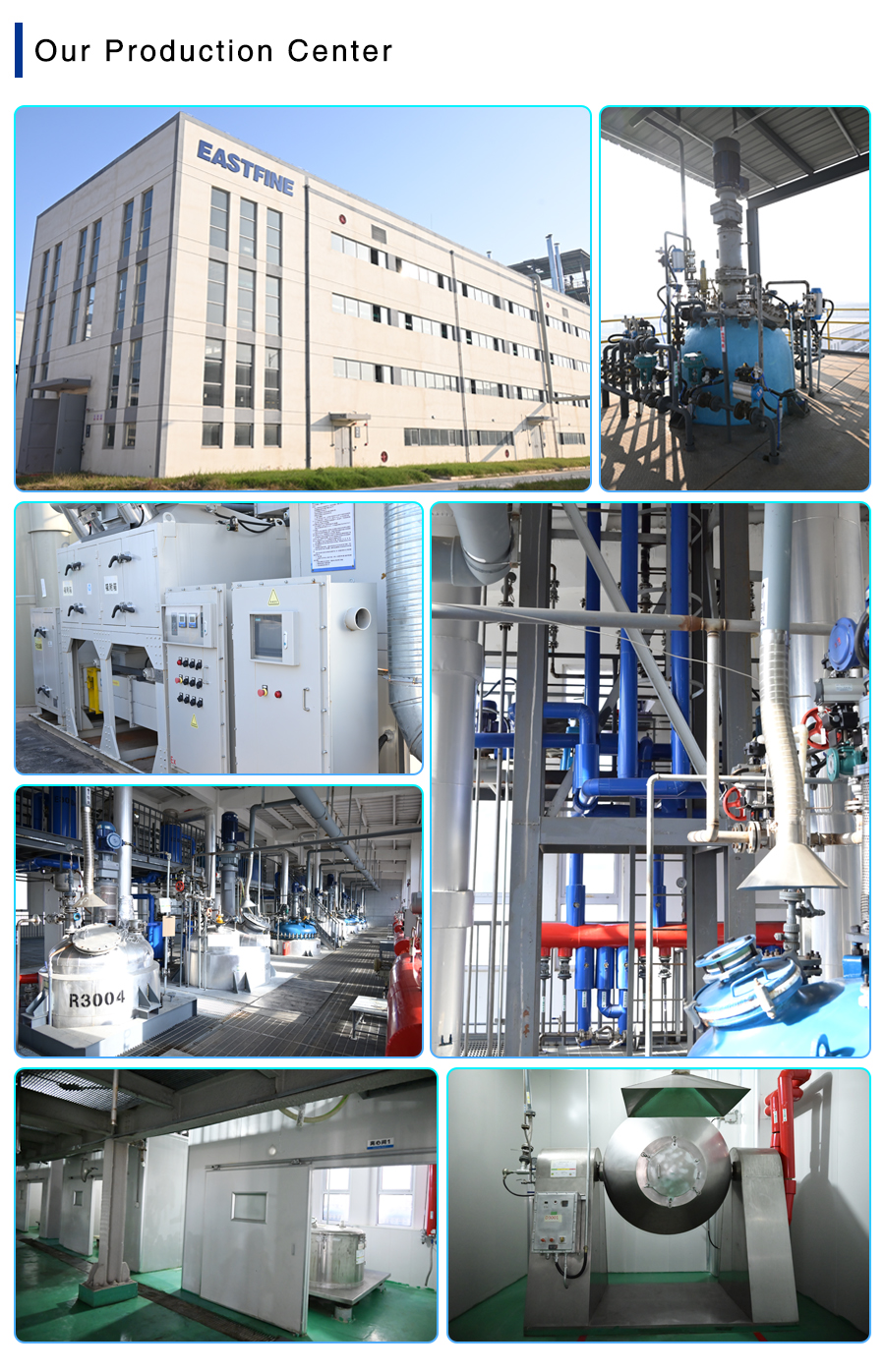
Advanced Crystallization Design and Supersaturation Control
The primary methodology for modifying the crystal habit of CAS No. 654-70-6 centers on the precise management of nucleation kinetics.
Programmable Thermodynamic Seeding and Cooling Profiles
Our chemical processing lines utilize automated thermal profiles to govern the crystallization of the intermediate. By implementing slow, non-linear cooling paths combined with the introduction of highly uniform, micronized crystal seeds at precise supersaturation points, the system avoids spontaneous nucleation shocks, encouraging the formation of stable, block-like crystalline geometries instead of fragile needles.
Multi-Solvent Polarity Adjustments for Crystal Growth Modification
The choice of crystallization solvents is engineered to optimize surface interactions during crystal growth. By blending specific polar and non-polar processing fluids, our engineering teams modify the relative growth rates of different crystal faces, preventing excessive elongation along a single axis and increasing the bulk density of the isolated crystalline powder.
Mechanical Micronization and Particle Size Distribution Tuning
Following crystallization, the isolated intermediate undergoes advanced physical conditioning to meet precise size specifications.
High-Energy Fluid Energy Jet Milling Operations
To achieve target particle size profiles without introducing thermal degradation risks, the intermediate is processed through high-precision fluid energy jet mills. Using micro-metered compressed gas streams, the crystals collide with each other to reduce particle size, allowing our operators to fine-tune the particle size distribution while maintaining complete polymorphic stability.
High-Resolution Solid-State Characterization Validation Arrays
Every manufactured batch undergoes rigorous physical testing in our analytical suites. Quality control teams utilize X-ray Powder Diffraction (XRPD) to verify the absence of unwanted crystal forms, alongside laser diffraction particle size analyzers to document precise size specifications, ensuring the material meets the requirements of global pharmaceutical dossiers.
Post-Crystallization Handling: Powder Stabilization, Anti-Static Packaging, and Solid-State Storage
Following successful crystallization and precise particle size verification, the bulk intermediate is cataloged and protected using optimized material preservation protocols:
Low-Shear Fluidized Bed Conditioning and Moisture Elimination
The micronized or size-adjusted crystalline powder is transferred directly into low-shear fluidized bed dryers. This gentle drying technique fluidizes the particles using warm, dry nitrogen streams, completely removing trace processing fluids without breaking the engineered crystal shapes or generating excessive fines through mechanical attrition.
Anti-Static Multi-Wall Containment and Protective Packaging
To prevent fine crystalline particles from clinging to container surfaces due to static charges during dry handling, the intermediate is packed into heavy-duty, anti-static fiber drums. These drums are equipped with specialized, conductive inner vapor barriers that eliminate static buildup, ensuring the powder pours cleanly and flows smoothly at your production facility.
Controlled Stability Warehousing and Solid-State Archive Tracking
Every production batch is transferred into climate-controlled storage facilities where temperature and humidity parameters are continuously recorded. Physical archive samples are maintained for at least five years and undergo regular solid-state testing to document crystal lattice stability over time, providing a reliable data history for downstream pharmaceutical audits.
Comprehensive Solid-State Property and Processing Performance Matrix
To support formulation scientists, process engineers, and regulatory compliance managers during technical qualifications and production audits, our quality departments maintain a standardized material profile for our intermediate.
| Physical Control Parameter | Unoptimized Broker Sourcing | EASTFINE Solid-State Sourcing | Direct Downstream Pharmaceutical OSD Impact |
| Crystalline Habit Profile | Needle-like or variable shapes | Uniform block-like morphology | Eliminates hopper bridging and optimizes powder flow. |
| Bulk Density Performance | Low and inconsistent (≤ 0.35 g/cm³) | High and predictable (≥ 0.55 g/cm³) | Prevents particle segregation and ensures weight uniformity. |
| Particle Size Distribution | Wide, multimodal distribution | Tight, monodisperse profile | Ensures reproducible dissolution rates and uniform kinetics. |
| Polymorphic Integrity | Unmapped or mixed phases | 100% verified stable form via XRPD | Eliminates the risk of unexpected phase shifts during storage. |
Why Choose EASTFINE? Your Partner for Secure Commercial Scale-Up
When an advanced oncology molecule transitions from initial laboratory development into multi-ton commercial production, selecting a technically capable and logistically secure chemical partner is essential. Established in 1995, EASTFINE is a leading global direct manufacturer of premium 4-Amino-2-(trifluoromethyl)benzonitrile.

Technical Innovation Anchored by Doctoral R&D Teams
Our chemical manufacturing lines and high-precision analytical protocols are designed and continuously optimized by a corporate R&D department led by process chemists holding doctoral degrees. This technical leadership has successfully secured 19 invention patents and 8 utility model patents focused on high-selectivity synthesis, smart inline monitoring integration, and advanced purification chemistry. By optimizing our core processing, we deliver an intermediate that helps downstream partners minimize analytical variations and maximize manufacturing efficiency.
Dual-Site Production Redundancy and Supply Security (Dalian & Heze)
In today's complex international regulatory and environmental landscape, supply chain redundancy is an absolute requirement for long-term planning. EASTFINE operates two fully mirrored, large-scale manufacturing complexes in Dalian and Heze. This dual-site setup guarantees an uninterrupted supply of high-purity intermediates; if one plant undergoes a scheduled environmental audit or local maintenance cycle, the sister facility can expand its output to seamlessly fulfill long-term commercial contracts.
Complete Analytical Validation and Traceability Dossiers
Navigating strict international registration pathways requires absolute data transparency and robust analytical backing. EASTFINE accompanies every batch of CAS No. 654-70-6 with a comprehensive analytical package, including high-resolution liquid chromatography (HPLC) charts, precise melting point verifications, and detailed moisture measurements. Our rigorous quality control simplifies your raw material validation workflows, providing a clear auditing trail for global regulatory bodies.
Conclusion: Securing Manufacturing Reliability through Material Science Certainty
Achieving high active-ingredient output and dependable batch safety during commercial scale-up requires complete authority over both reaction kinetics and solid-state material properties. Unmonitored crystal variations, low bulk density, or inconsistent particle size distributions when handling 4-Amino-2-(trifluoromethyl)benzonitrile (CAS No. 654-70-6) can cause powder segregation, costly processing delays, and severe manufacturing liabilities.
Partnering with EASTFINE provides your formulation, processing, and quality affairs teams with an analytically verified, physically optimized intermediate supply. Backed by thirty years of direct manufacturing authority, advanced proprietary intellectual property, and a highly secure dual-site production model, EASTFINE helps you build exceptionally clean, efficient, and regulatory-secure pharmaceutical manufacturing processes.


 English
 العربية
 Français
 Русский
 Español
 Português
 Deutsch
 italiano
 日本語
日本語 한국어
한국어 Nederlands
 Tiếng Việt
 ไทย
ไทย Polski
 Türkçe
 አማርኛ
አማርኛ ພາສາລາວ
 Bahasa Melayu
 ဗမာစာ
ဗမာစာ Filipino
 Bahasa Indonesia
 magyar
 Română
 Čeština
 қазақ
қазақ Српски
 हिन्दी
 فارسی
فارسی Kiswahili
 Slovenčina
 Slovenščina
 Norsk
Norsk Svenska
 українська
 Ελληνικά
 Suomi
Suomi עברית
עברית Dansk
Dansk اردو
اردو Shqip
Shqip বাংলা
বাংলা Hrvatski
 Gaeilge
 Eesti keel
 Oʻzbekcha
 latviešu
 Azərbaycan dili
 Български
 ქართული
 íslenska
 Lietuvių


 简体中文
简体中文


