Introduction: The Critical Nature of Material Security in Agrochemical Logistics
In the modern agricultural chemical industry, the long-term success of an active ingredient depends as much on supply chain resilience as it does on molecular efficacy. Multinational agrochemical brands invest millions of dollars navigating multi-year regulatory pathways and field trials to bring premium crop protection assets to global markets. However, these complex product lines remain vulnerable to sudden disruptions if a critical, highly functionalized raw material becomes unavailable due to local environmental enforcement, logistical bottlenecks, or single-source dependencies.
For global procurement executives and corporate sourcing directors managing advanced fluorinated herbicide portfolios, securing a stable supply of 2-Chloro-4-fluoro-5-nitrobenzoic acid (CAS No. 114776-15-7) is a core strategic priority. This key building block features a tightly substituted benzene core modified by a carboxylic acid, a chlorine atom, a fluorine atom, and a nitro group.
Because of the specialized chemical processes required to construct this specific functional arrangement, the global manufacturing base for this intermediate is highly concentrated.
If a procurement team relies on a single-source supplier or an unverified broker for this critical asset, they expose their downstream manufacturing lines to significant operational risks. Sudden regional plant shutdowns, unexpected logistics constraints, or regulatory compliance failures at an unverified vendor can lead to missing raw materials, idle formulation lines, and costly contractual defaults with distributors. Implementing an airtight dual-source validation framework and partnering with asset-backed direct manufacturers mitigates these commercial risks.
At EASTFINE, we support these corporate risk-reduction strategies by operating two fully mirrored, modern manufacturing sites, providing our international partners with an uninterrupted supply of high-purity intermediates that satisfies the most demanding business continuity plans.
What is 2-Chloro-4-fluoro-5-nitrobenzoic acid (CAS No. 114776-15-7)?
2-Chloro-4-fluoro-5-nitrobenzoic acid is an advanced, highly substituted aromatic intermediate engineered to provide exact spatial arrangements and highly active directing handles for premium agrochemical manufacturing. The molecular structure is defined by the chemical formula C7H3ClFNO4, locking four distinct functional groups onto a single aromatic ring.
The carboxylic acid group at position 1 functions as a versatile handle for downstream esterification, amidation, or localized ring-closure reactions. The chlorine atom at position 2 introduces localized steric control, while the fluorine atom at position 4 and the nitro group at position 5 operate as powerful electron-withdrawing groups. This combined electronic withdrawal heavily activates the aromatic framework, making it highly responsive to rapid, regioselective nucleophilic aromatic substitution (SNAr) reactions during downstream active ingredient synthesis.
From an analytical and physical perspective, premium-grade CAS No. 114776-15-7 presents as a stable, off-white crystalline solid with a sharp melting point range of 156°C to 158°C and a true density of 1.68 g/cm³. Maintaining high batch-to-batch physical uniformity across commercial quantities is essential; any physical variation can cause handling issues in automated material systems, emphasizing why procurement teams must source this material from manufacturers with strict quality management protocols.
Applications of 2-Chloro-4-fluoro-5-nitrobenzoic acid
The unique electronic distribution of 2-Chloro-4-fluoro-5-nitrobenzoic acid makes it a vital commercial intermediate across several prominent sectors of modern sustainable crop protection:
Production of Protox-Inhibiting PPO Herbicides
The main commercial application for this intermediate is the synthesis of high-efficiency protoporphyrinogen oxidase (PPO) inhibiting herbicides. These advanced formulations target weed species with exceptional precision, allowing farmers to apply lower quantities of active chemicals per hectare while maintaining optimal crop protection.
Synthesis of Advanced Systemic Uracil Herbicides
In the commercial manufacturing of advanced uracil-class herbicides, the 2,4,5-trisubstituted benzoyl architecture derived from this intermediate is integrated directly into the heterocyclic matrix. This configuration provides excellent systemic stability, allowing the active crop-protection asset to resist rapid degradation in agricultural soils and ensuring long-lasting weed control.
Construction of Heterocyclic Crop Safeners
Derivatives of this intermediate are also utilized to manufacture selective chemical safeners that enhance crop tolerance to primary co-applied herbicides. These molecules temporarily upregulate metabolic detoxification pathways within cash crops, preserving plant health and maximizing final agricultural yields under varying field conditions.
Advantages of Dual-Source Footprint Redundancy in Chemical Procurement
Establishing a formal validation pipeline and onboarding a primary direct manufacturer with structural footprint redundancy for CAS No. 114776-15-7 delivers measurable financial and operational advantages to global agrochemical brands:
Complete Protection Against Regional Regulatory Disruptions
Sourcing from a manufacturer that operates multiple independent, fully permitted production sites shields your procurement pipeline from unexpected localized shutdowns. If one region faces a temporary suspension due to utility infrastructure upgrades or local environmental reviews, production can be shifted seamlessly to a sister facility to keep long-term commercial contracts on schedule.
Mitigation of Global Shipping and Logistical Bottlenecks
Onboarding an intermediate supplier with dual-site geographic diversification gives logistics managers multiple shipping options. This flexibility allows supply chain teams to route shipments through alternative ports or rail networks, avoiding unexpected maritime bottlenecks or regional transit strikes.
Reduction in Working Capital through Just-in-Time Delivery Profiles
Partnering with a reliable, highly scalable direct manufacturer enables procurement teams to move away from expensive safety-stock hoarding practices. The predictable output from an asset-backed partner allows downstream formulation plants to deploy lean, just-in-time raw material delivery schedules, significantly optimizing working capital and reducing warehouse storage costs.
Procurement Risk Profiles & Operational Vulnerabilities
Managing a global active-ingredient pipeline requires a thorough understanding of upstream raw material vulnerabilities and vendor qualification profiles.
The Illusion of Broker-Based Sourcing:
Many procurement teams unknowingly expose their pipelines to risk by purchasing specialized intermediates through trading companies or unverified distributors. While these brokers can offer competitive initial pricing, they rarely possess direct asset ownership or control over the underlying manufacturing sites, making them incapable of guaranteeing delivery volumes during regional shortages or sudden environmental clampdowns.
The Vulnerability of Single-Source Petrochemical Dependencies:
The synthesis of complex aromatic building blocks like CAS No. 114776-15-7 requires basic petrochemical precursors such as fluorobenzene or chlorinated benzoic acid derivatives. True supply chain security requires an intermediate partner who maintains strong backward integration or long-term upstream supply agreements, ensuring production stability even during raw material shortages.
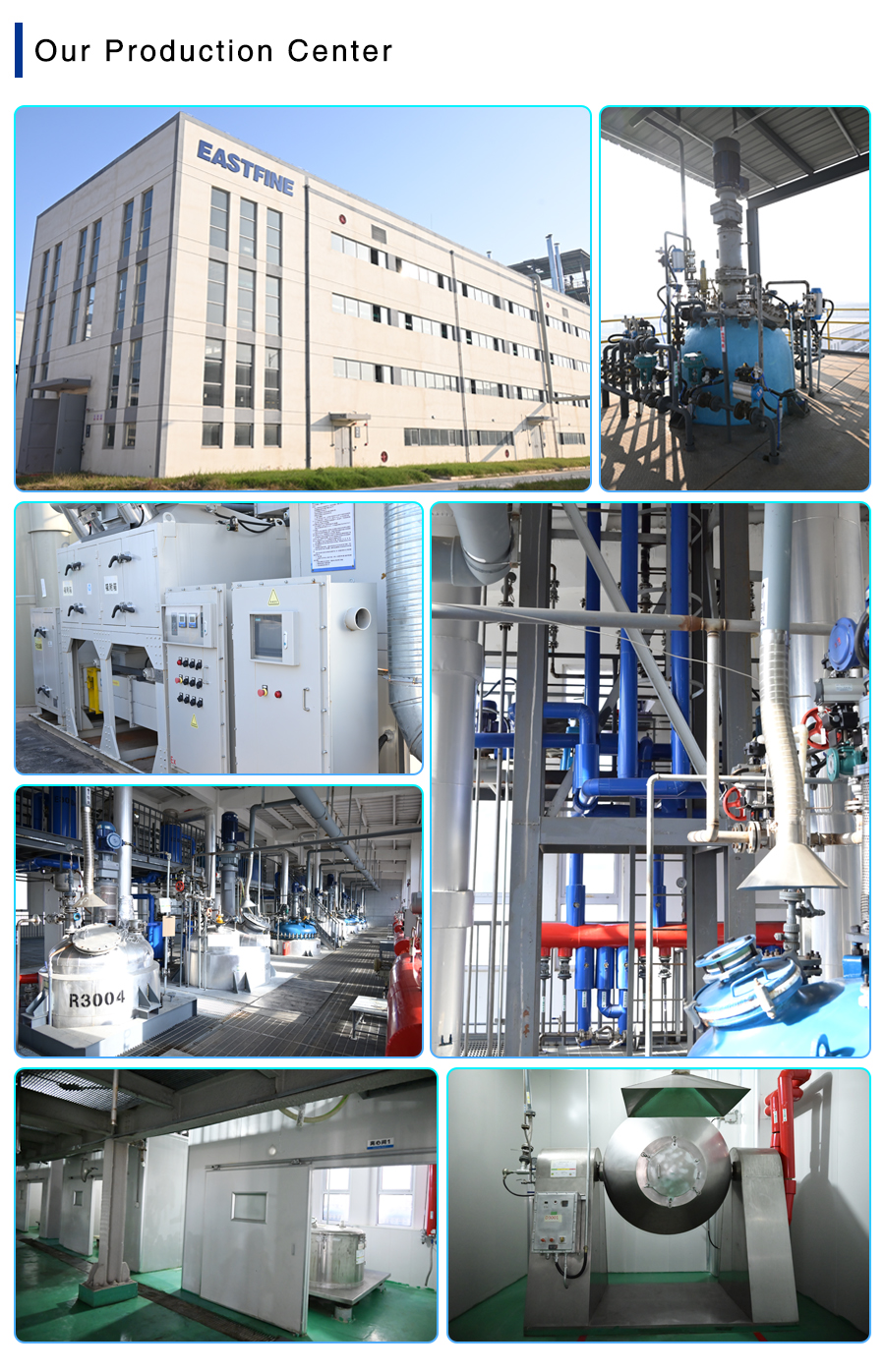
By providing an intermediate produced entirely within our own asset-backed, dual-site manufacturing network, EASTFINE eliminates these sourcing vulnerabilities, giving our international partners a reliable path toward long-term business continuity.
Technical Execution & Quality Audit Framework for Vendor Qualification
Transitioning an intermediate from an unverified source to a validated, high-volume direct manufacturer requires a structured engineering and quality management protocol:
Multi-Stage Analytical Equivalence Validation
Before large-scale commercial volumes are introduced into automated formulation lines, process chemists must verify that the new raw material matches existing manufacturing baselines.
Impurity Fingerprint Matching and Regioisomeric Analysis
Validation teams perform high-resolution liquid chromatography (HPLC) and gas chromatography-mass spectrometry (GC-MS) testing to compare the impurity profile of the new material against historical reference batches. The new material must match or exceed current purity standards, confirming that any trace regioisomeric components remain well below maximum regulatory allowances to prevent downstream synthesis variations.
Crystallographic and Bulk Rheology Testing
Beyond chemical purity, the crystalline habit of the bulk powder undergoes laser diffraction testing to measure its particle size distribution (D50 and D90). Verifying that the bulk density and powder flow metrics align with existing automated feeding setups prevents mechanical bridging or feeding errors during high-speed production campaigns.
Formal On-Site Quality and Regulatory Auditing
Sourcing directors and quality assurance managers conduct exhaustive physical or virtual audits of the production facilities to verify operational transparency and data integrity.
Documenting ISO and Environmental Compliance Dossiers
Auditing teams verify that the production site operates under active ISO 9001 and ISO 14001 management frameworks. The facility must present complete documentation regarding its environmental permits, advanced wastewater treatment infrastructure, and hazardous waste disposal contracts, confirming that the site complies fully with local and national environmental standards.
Verifying LIMS Data Integrity and Batch Traceability
The facility's Laboratory Information Management System (LIMS) is audited to confirm that all analytical raw data—including chromatograms and electronic certificates of analysis—is archived securely with robust tamper-proof mechanisms. This compliance review ensures complete batch traceability, providing clear auditing trails that simplify international registrations with global oversight bodies.
Post-Qualification Management: Material Allocation, Safety Stock, and Annual Compliance Reviews
Following formal technical qualification, procurement teams implement structured post-qualification protocols to maximize supply chain resilience and maintain high performance:
Dynamic Dual-Source Material Allocation Strategies
To keep qualified production facilities active and engaged, procurement teams utilize split-allocation sourcing models. For example, a company might route 70 percent of its core volume through a primary facility while directing the remaining 30 percent through a qualified sister plant, ensuring both production lines remain active and ready to scale output up if market conditions shift unexpectedly.
Enforcing Proactive Strategic Safety Stock Buffers
To insulate production lines from unexpected short-term shipping bottlenecks or border delays, procurement managers maintain a rotating safety stock buffer at key regional warehouses. This inventory strategy guarantees that the downstream formulation facility holds sufficient raw materials to sustain standard production schedules for at least 60 to 90 days, providing an operational cushion during global logistics disruptions.
Executing Annual Performance and Compliance Quality Reviews
Every qualified intermediate manufacturing site undergoes structured annual performance evaluations to assess delivery timeliness, analytical consistency, and regulatory compliance stability. This continuous quality monitoring loop ensures that the supplier's operational metrics remain aligned with your corporate standards, helping to address minor processing variations before they can impact commercial product lines.
Comprehensive Supply Chain Risk and Operational Specification Matrix
To support procurement directors, supply chain managers, and corporate risk officers during supplier evaluations and vendor audits, our compliance departments maintain a standardized operational profile for our manufacturing network.
| Operational Risk Parameter | Unverified Third-Party Trader | EASTFINE Asset-Backed Direct Manufacture | Direct Industrial Supply Chain Impact |
| Manufacturing Site Footprint | Single, outsourced or unmapped plant | Dual-site redundancy (Dalian & Heze) | Eliminates regional shutdown risks, ensuring continuous long-term contract execution. |
| Raw Material Sourcing | Spot-market purchasing (high risk) | Strategic backward integration loops | Protects production schedules from upstream intermediate and precursor shortages. |
| Quality Management Base | Variable, batch-by-batch broker logs | Unified ISO 9001 / ISO 14001 tracking | Guarantees complete analytical traceability for international regulatory audits. |
| Analytical Validation Support | Basic certificates of analysis only | Full HPLC, GC-MS, and six-batch profiles | Accelerates internal raw material onboarding and simplifies global registration updates. |
Why Choose EASTFINE? Your Partner for Secure Commercial Scale-Up
When an advanced crop protection molecule transitions from initial laboratory development into multi-ton commercial production, selecting a technically capable and operationally resilient chemical partner is essential. Established in 1995, EASTFINE is a leading global direct manufacturer of premium 2-Chloro-4-fluoro-5-nitrobenzoic acid.
Technical Innovation Anchored by Doctoral R&D Teams
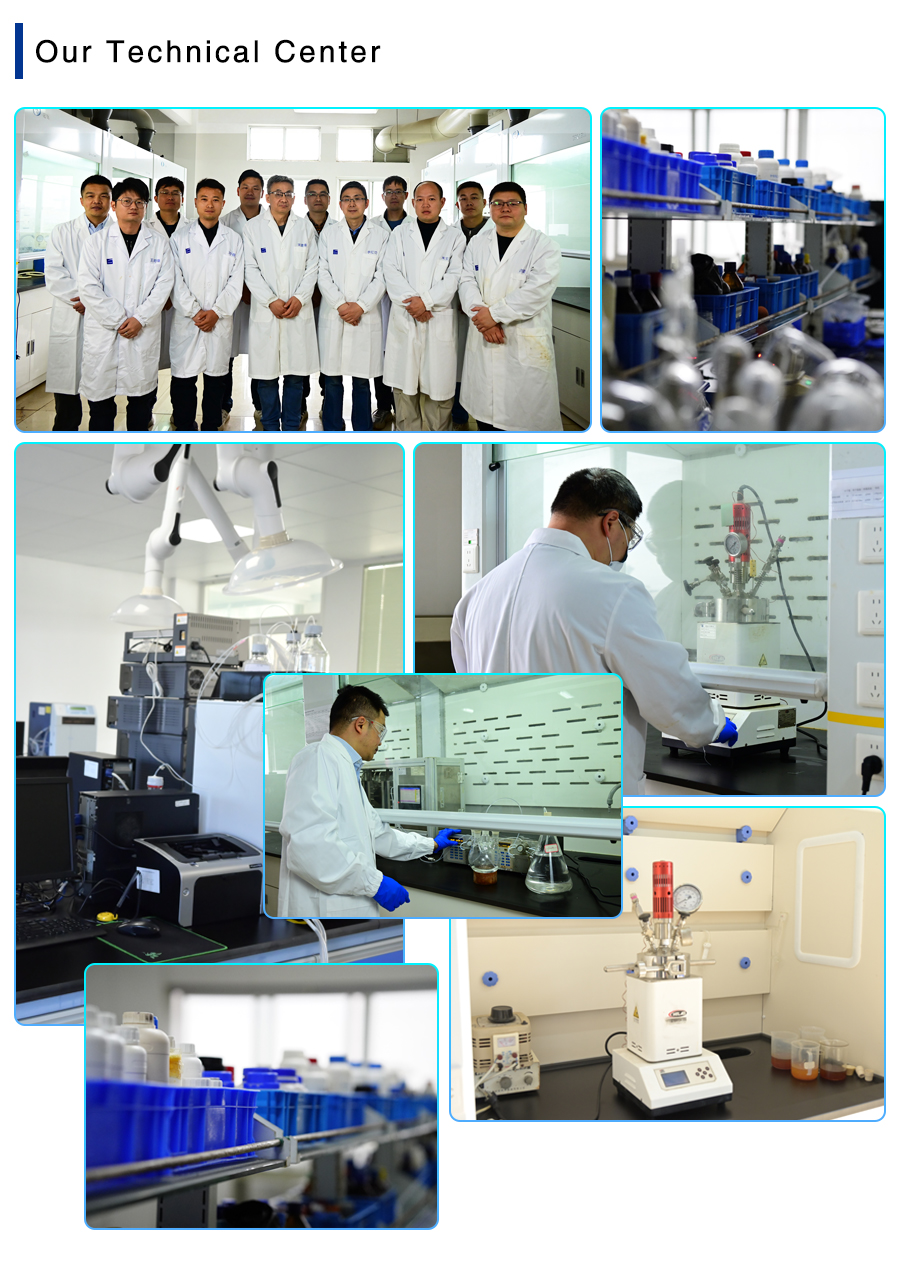
Our chemical manufacturing lines and risk mitigation protocols are designed and continuously optimized by a corporate R&D department led by process chemists holding doctoral degrees. This technical leadership has successfully secured 19 invention patents and 8 utility model patents focused on high-efficiency synthesis, automated process controls, and advanced purification chemistry. By optimizing our core processing, we deliver an intermediate that helps downstream partners minimize physical variations and maximize manufacturing efficiency.
Dual-Site Production Redundancy and Supply Security (Dalian & Heze)
In today's complex international regulatory and environmental landscape, supply chain redundancy is an absolute requirement for long-term planning. EASTFINE operates two fully mirrored, large-scale manufacturing complexes in Dalian and Heze. This dual-site setup guarantees an uninterrupted supply of high-purity intermediates; if one plant undergoes a scheduled environmental audit or local maintenance cycle, the sister facility can expand its output to seamlessly fulfill long-term commercial contracts.
Complete Analytical Validation and Traceability Dossiers
Navigating strict international registration pathways requires absolute data transparency and robust analytical backing. EASTFINE accompanies every batch of CAS No. 114776-15-7 with a comprehensive analytical package, including high-resolution liquid chromatography (HPLC) charts, precise melting point verifications, and detailed moisture measurements. Our rigorous quality control simplifies your raw material validation workflows, providing a clear auditing trail for global regulatory bodies.
Conclusion: Securing the Future of Agrochemical Manufacturing through Sourcing Resilience
Achieving high active-ingredient output and dependable batch safety during commercial scale-up requires complete authority over both reaction kinetics and supply chain logistics. Unmanaged single-source dependencies, reliance on unverified trading intermediaries, or lack of geographic footprint redundancy when handling 2-Chloro-4-fluoro-5-nitrobenzoic acid (CAS No. 114776-15-7) can cause supply chain disruptions, formulation stoppages, and costly market entry delays.
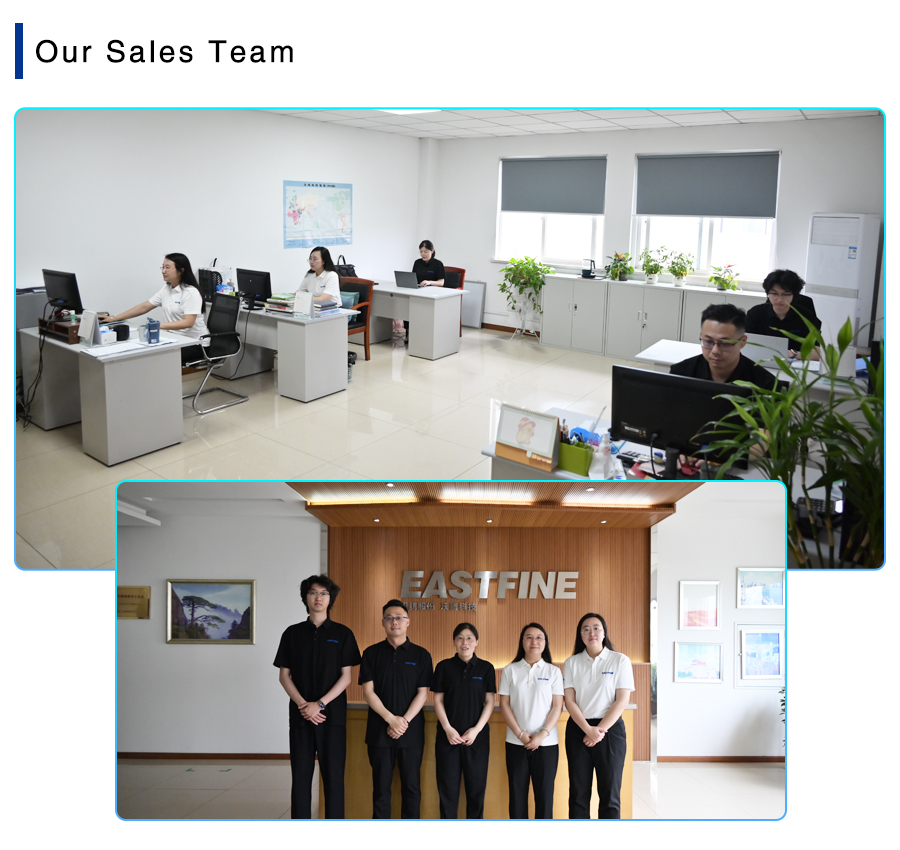
Partnering with EASTFINE provides your engineering and procurement teams with an analytically verified, logistically secure intermediate. Backed by thirty years of direct manufacturing authority, advanced proprietary intellectual property, and a highly secure dual-site production model, EASTFINE helps you build exceptionally clean, efficient, and regulatory-secure agrochemical manufacturing processes.


 English
 العربية
 Français
 Русский
 Español
 Português
 Deutsch
 italiano
 日本語
日本語 한국어
한국어 Nederlands
 Tiếng Việt
 ไทย
ไทย Polski
 Türkçe
 አማርኛ
አማርኛ ພາສາລາວ
 Bahasa Melayu
 ဗမာစာ
ဗမာစာ Filipino
 Bahasa Indonesia
 magyar
 Română
 Čeština
 қазақ
қазақ Српски
 हिन्दी
 فارسی
فارسی Kiswahili
 Slovenčina
 Slovenščina
 Norsk
Norsk Svenska
 українська
 Ελληνικά
 Suomi
Suomi עברית
עברית Dansk
Dansk اردو
اردو Shqip
Shqip বাংলা
বাংলা Hrvatski
 Gaeilge
 Eesti keel
 Oʻzbekcha
 latviešu
 Azərbaycan dili
 Български
 ქართული
 íslenska
 Lietuvių


 简体中文
简体中文


