Introduction: The High-Stakes Frontier of Fluorinated Oncology Intermediates
Within the modern pharmaceutical sector, the commercial synthesis of life-saving oncology therapeutics requires an uncompromising commitment to structural precision and supply chain integrity. As global regulatory bodies like the FDA and EMA continuously tighten their standards regarding impurity profiling and genotoxic thresholds, the selection of primary chemical intermediates has moved beyond basic transactional sourcing. For chemical procurement teams and contract development and manufacturing organizations (CDMOs), the viability of an anti-cancer active pharmaceutical ingredient (API) is inextricably bound to the quality of its upstream building blocks.
In the treatment landscape of advanced, metastatic prostate cancer, non-steroidal antiandrogen therapies remain the clinical standard. The construction of these high-potency API molecules—including cornerstone therapeutics such as Bicalutamide and Enzalutamide—presents complex synthetic challenges. At the center of these pipelines is 4-Amino-2-(trifluoromethyl)benzonitrile (CAS No. 654-70-6), a dense, multi-substituted aromatic molecule that establishes the necessary pharmacophore backbone.
Sourcing this critical intermediate from unoptimized, small-scale brokers introduces severe regulatory and operational liabilities. Minor deviations in upstream manufacturing can generate trace isomeric impurities or halo-nitrile residues that carry structural alerts for genotoxicity, potentially halting commercial API validation lots and delaying regulatory dossier filings. To mitigate these market risks, global pharmaceutical brands must partner with asset-backed direct manufacturers who can execute large-scale, high-purity synthesis with complete analytical transparency.
At EASTFINE, we address these stringent market requirements by utilizing optimized process kinetics, advanced crystallization arrays, and comprehensive analytical documentation, guaranteeing a secure, highly predictable supply of premium-grade CAS No. 654-70-6 to the global life sciences industry.
What is 4-Amino-2-(trifluoromethyl)benzonitrile (CAS No. 654-70-6)?
4-Amino-2-(trifluoromethyl)benzonitrile is an advanced fluorinated aromatic intermediate specifically functionalized to provide precise binding orientations and predictable reactive centers for small-molecule pharmaceutical synthesis. The molecular framework is defined by the chemical formula C8H5F3N2, featuring three highly distinct, interacting modifiers arranged around a primary benzene ring.
The chemical structure places a primary amine group at position 1, a strongly electron-withdrawing trifluoromethyl segment at position 2, and a highly polarized cyano group at position 4. The combination of the trifluoromethyl and cyano groups induces a powerful electronic withdrawal across the aromatic ring. This polarization alters the reactivity of the amine group, allowing for highly selective, controlled downstream amide formations, nucleophilic additions, or heterocyclic condensations without triggering unmanaged side-reactions on neighboring ring positions.
From a physical and quality control standpoint, premium pharmaceutical-grade CAS No. 654-70-6 is produced as a highly stable, off-white to pale crystalline powder. It possesses a well-defined molecular weight of 186.13 g/mol, a sharp melting point range of 141°C to 145°C, and a true density of 1.37 g/cm³. Maintaining tight crystalline morphology and keeping moisture levels below ultra-trace parameters is critical; ensuring this physical consistency protects the material from caking during long-distance shipping and guarantees uniform dissolution kinetics in automated commercial reactors.
Applications of 4-Amino-2-(trifluoromethyl)benzonitrile
The specific electronic distribution and spatial layout of 4-Amino-2-(trifluoromethyl)benzonitrile makes it an irreplaceable starting platform across several high-value therapeutic applications:
Critical Intermediate for First-Generation Non-Steroidal Antiandrogens
The primary commercial application for this intermediate is the multi-ton synthesis of first-generation non-steroidal androgen receptor antagonists, most notably Bicalutamide. Within this synthetic route, the amine core undergoes high-yield condensation reactions to build the amide linkage that forms the structural foundation of the final active drug molecule.
Foundational Pharmacophore for Second-Generation Castration-Resistant Therapies
In the commercial manufacturing of second-generation antiandrogens like Enzalutamide, which target metastatic castration-resistant prostate cancer, the 4-cyano-3-trifluoromethylphenyl ring derived from this intermediate is integrated directly into a central hydantoin core. This specific substitution pattern provides the extreme binding affinity required to overcome mutated receptor resistances.
Reference Impurity Profiling and Analytical Standards
Because this compound is utilized as a primary raw material and can occasionally manifest as a degradation byproduct, it is maintained as an essential analytical reference standard (commonly classified as Bicalutamide Impurity D). Pharmaceutical QA laboratories use this high-purity material to calibrate quantitative liquid chromatography instruments and validate global commercial drug stability profiles.
Advantages of Premium Intermediate Sourcing
Onboarding a validated, primary direct manufacturer for CAS No. 654-70-6 provides global pharmaceutical supply chains and CDMO networks with clear operational and regulatory advantages:
Seamless Compliance with International Genotoxic Impurity Guidelines
Procuring from an advanced manufacturer that implements rigorous process controls ensures that potential genotoxic impurities are suppressed well below Thresholds of Toxicological Concern (TTC). This trace-level compliance satisfies stringent ICH M7 guidelines, accelerating the validation of international regulatory dossiers.
Complete Elimination of Process Variance in Commercial API Lots
Utilizing an intermediate with a guaranteed chemical purity profile of 99.0 percent or higher minimizes the formation of unexpected side-products during downstream functionalization. This high material uniformity stabilizes processing yields and ensures highly reproducible batch-to-batch reaction kinetics.
Long-Term Regulatory Security and Full Dossier Traceability
Partnering directly with an asset-backed manufacturer provides downstream compliance teams with comprehensive validation dossiers, including high-resolution chromatography logs and full raw material traceability charts. This data transparency simplifies vendor qualification audits and reduces administrative risk during international inspections.
Biomechanics of 4-Amino-2-(trifluoromethyl)benzonitrile Derivatives in Targeted Therapy
Understanding the structural value of CAS No. 654-70-6 requires an evaluation of how its functional groups behave within human therapeutic targets once integrated into the final API.
The Problem of Therapeutic Resistance and Cellular Escape Loops:
Early-stage prostate cancer cells rely heavily on circulating androgens to drive their proliferation. When traditional steroidal therapies are applied, patient systems frequently trigger resistance mutations within the androgen receptor binding domain, enabling the tumor cells to resume rapid growth even under low hormone conditions.
The Solution of High-Affinity Fluorinated Competitive Inhibition:
To block these resistance mechanisms, the 4-cyano-3-trifluoromethylphenyl core constructed by this intermediate provides a highly specific electronic and steric configuration. The intensely electronegative cyano group establishes strong hydrogen-bonding arrays within the receptor pocket, while the hydrophobic trifluoromethyl group occupies adjacent structural pockets. This dual-point binding locks the receptor in an inactive conformation, preventing cellular translocation and effectively halting tumor progression.
By providing a highly precise structural foundation, EASTFINE enables pharmaceutical developers to manufacture robust, highly effective antiandrogen therapies that meet the strict therapeutic standards of the global oncology market.
Synthetic Execution of Derivative APIs at Commercial Scale
Transitioning this intermediate into a finished active pharmaceutical ingredient requires executing high-precision organic transformations across multi-stage industrial reaction trains:
Process Engineering and Amide Coupling Sequences
The transformation of CAS No. 654-70-6 into a finished antiandrogen API begins with the precise functionalization of its amine group.
Acylation and Acid Chloride Condensation Mechanics
The primary amine at position 1 is reacted with advanced chiral acid chloride segments or oxirane-carboxylic acid complexes under optimized thermodynamic conditions. This reaction requires precise temperature controls and the addition of tailored, non-nucleophilic acid scavengers to ensure clean amide bond formation while completely preventing the polymerization of the reactive acid chloride inputs.
Low-Temperature Epoxidation and Enantiomeric Resolution
Following the initial coupling phase, the resulting intermediate matrix undergoes targeted, catalytic epoxidation or asymmetric nucleophilic ring-opening. This sequence is monitored continuously via inline chiral chromatography to optimize enantiomeric excess, ensuring that the active isomer is isolated with high optical purity while minimizing the generation of unneeded enantiomeric waste.
Downstream Hydrolysis Controls and Advanced Crystalline Isolation
The final stages of the synthetic pipeline focus on removing trace chemical residues and establishing the correct solid-state properties of the API.
Regioselective Ester Hydrolysis and Core Purifications
The reaction mass is treated with mild, phase-transfer-catalyzed basic hydrolysis agents to cleave any transient protecting groups or minor ester side-products. This step requires precise pH controls to preserve the integrity of the primary amide and cyano functional linkages while shifting impurities into the aqueous phase for safe removal.
Multi-Stage Antisolvent Crystallization and Polymorph Locking
The crude API is dissolved within optimized organic solvent matrices and subjected to controlled, multi-stage antisolvent crystallization. By carefully managing fluid cooling rates and introducing specific crystal seeding protocols, our manufacturing lines lock the molecule into its most stable polymorphic form, delivering an exceptionally pure, uniform crystalline output.
Sourcing Risk Mitigation: Supply Redundancy, Quality Archiving, and Multi-Site Life-Cycle Management
Following successful synthesis and complete analytical validation, the bulk intermediate is managed under optimized post-processing protocols to preserve its quality and support secure commercial scale-up:
Low-Temperature Vacuum Conduction Drying and Volatile Minimization
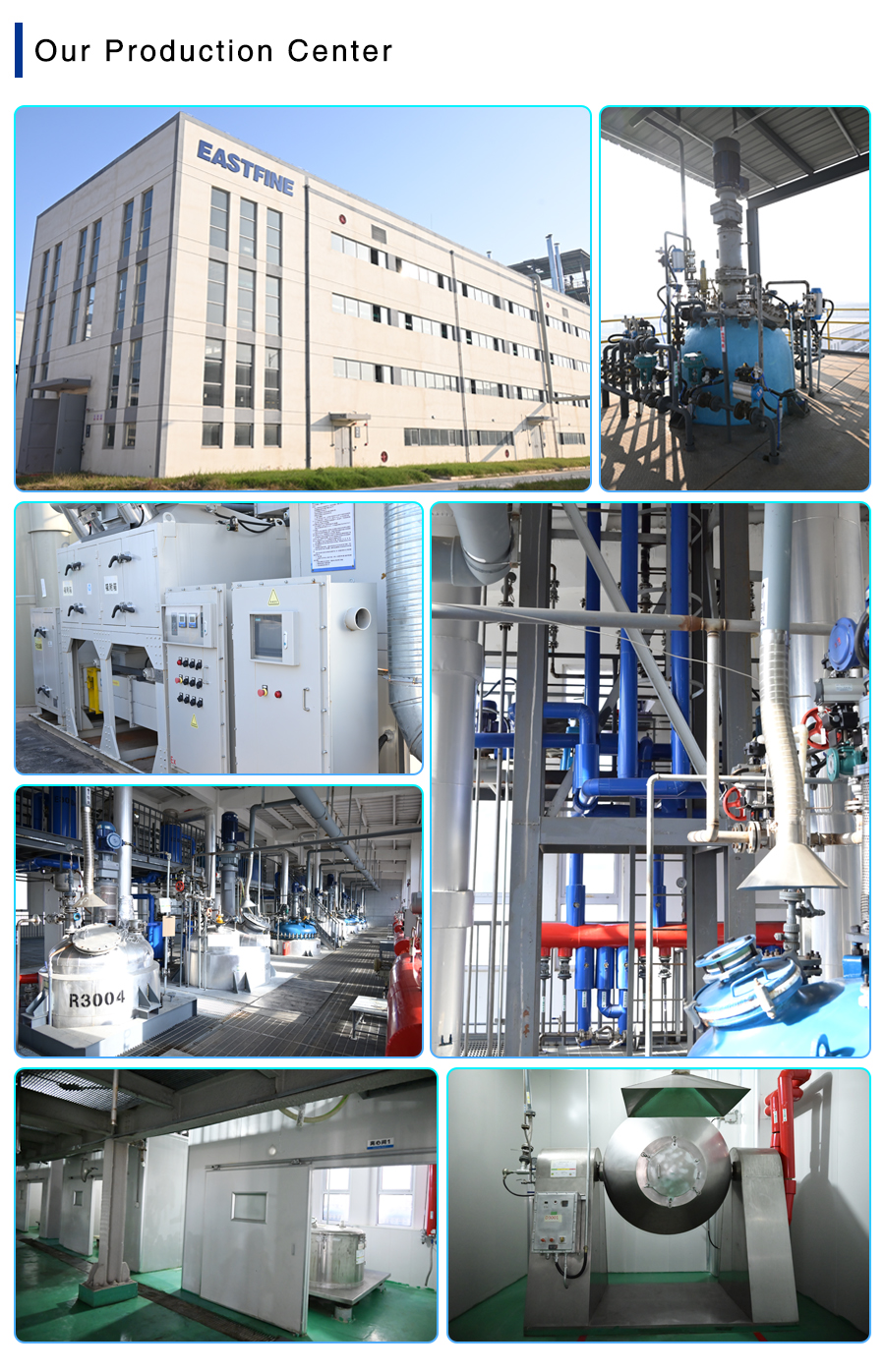
The wet crystalline cake isolated from the purification loop is transferred directly into closed-circuit vacuum conduction dryers. These systems operate under a deep vacuum to rapidly remove residual organic solvents at lower temperatures, reducing thermal stress on the product and ensuring that volatile parameters easily satisfy international pharmaceutical limits.
High-Density Multi-Layer Protective Packaging Protocols
To protect the high-purity crystalline powder from moisture and static charges during cross-border transit, the material is packed inside heavy-duty, anti-static commercial fiber drums lined with specialized multi-layer vapor barriers. This packaging isolates the chemical intermediate from ambient temperature and humidity fluctuations, ensuring it arrives at your API facility completely dry and free-flowing.
Continuous Stability Logging and Retention Batch Archiving
Physical retain samples from every commercial production batch are stored within temperature- and humidity-monitored archives for a minimum of five years under strict cGMP protocols. These retention lots undergo regular stability testing to document long-term chemical properties, providing continuous data backup and a clear analytical trail for your global regulatory compliance teams.
Comprehensive Chemical and Quality Performance Matrix
To support procurement directors, analytical chemistry heads, and regulatory compliance managers during supplier technical qualifications and cGMP auditing reviews, our quality departments maintain a standardized performance profile for our intermediate.
| Technical Sourcing Parameter | Standard Commercial Sourcing | EASTFINE High-Precision Sourcing | Direct Downstream Pharmaceutical Pipeline Impact |
| Chemical Purity Profile | Variable execution (≤ 98.0%) | Consistently high purity (≥ 99.0%) | Minimizes upstream side-reactions and maximizes downstream API yields. |
| Isomeric Impurity Control | Untracked or high levels (≥ 0.5%) | Ultra-low thresholds (≤ 0.10%) | Accelerates regulatory filings by eliminating unmapped isomeric peaks. |
| Moisture Content (Karl Fischer) | Variable performance (≥ 0.50%) | Strict moisture restriction (≤ 0.15%) | Prevents chemical caking and ensures uniform dissolution in reactors. |
| Analytical Documentation | Basic Certificate of Analysis only | Full validation dossiers (HPLC, MS, GC) | Simplifies raw material validation and accelerates international audits. |
Why Choose EASTFINE? Your Partner for Secure Commercial Scale-Up
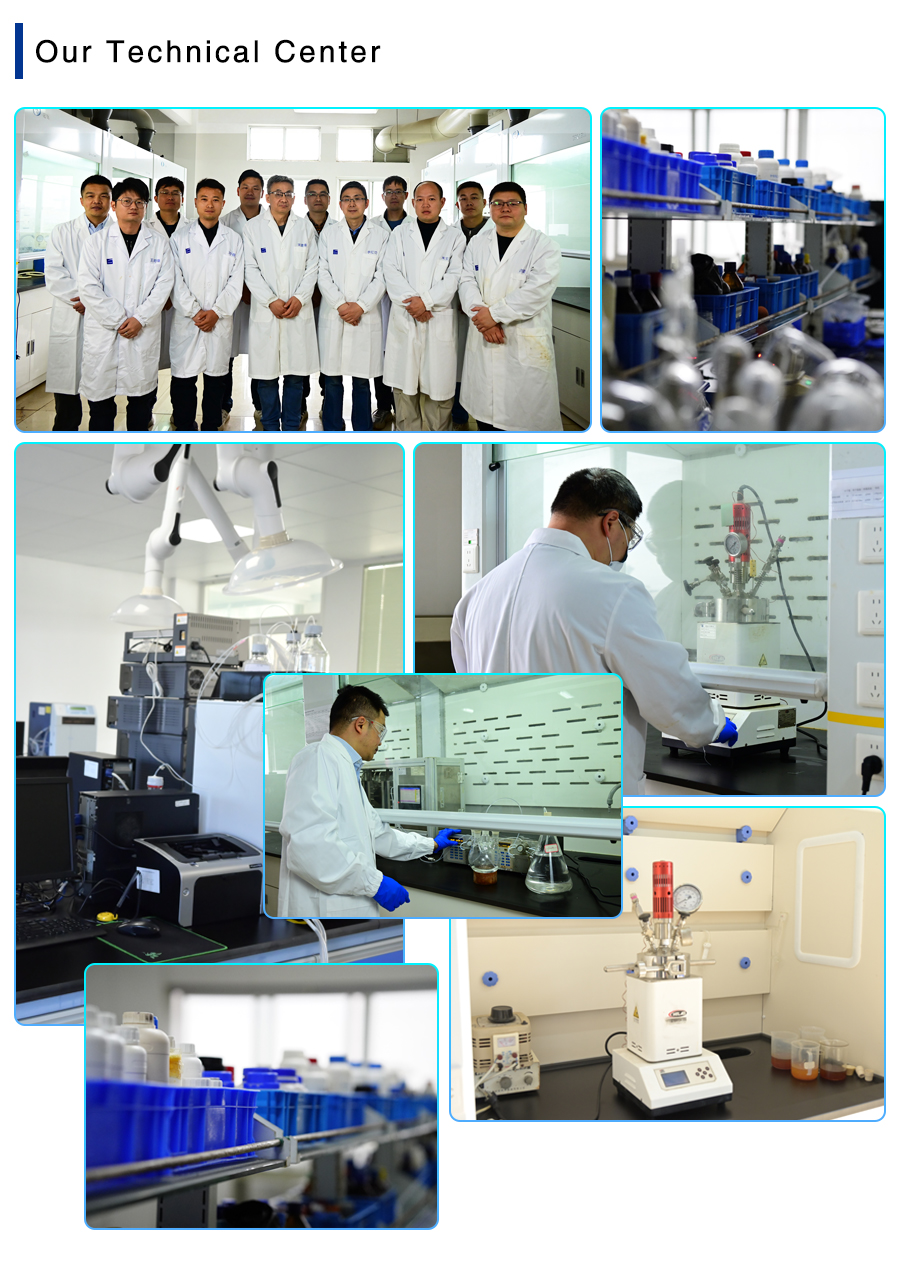
When an advanced oncology molecule transitions from initial laboratory development into multi-ton commercial production, selecting a technically capable and logistically secure chemical partner is essential. Established in 1995, EASTFINE is a leading global direct manufacturer of premium 4-Amino-2-(trifluoromethyl)benzonitrile.

Technical Innovation Anchored by Doctoral R&D Teams
Our chemical manufacturing lines and high-precision analytical protocols are designed and continuously optimized by a corporate R&D department led by process chemists holding doctoral degrees. This technical leadership has successfully secured 19 invention patents and 8 utility model patents focused on high-selectivity synthesis, smart inline monitoring integration, and advanced purification chemistry. By optimizing our core processing, we deliver an intermediate that helps downstream partners minimize analytical variations and maximize manufacturing efficiency.
Dual-Site Production Redundancy and Supply Security (Dalian & Heze)
In today's complex international regulatory and environmental landscape, supply chain redundancy is an absolute requirement for long-term planning. EASTFINE operates two fully mirrored, large-scale manufacturing complexes in Dalian and Heze. This dual-site setup guarantees an uninterrupted supply of high-purity intermediates; if one plant undergoes a scheduled environmental audit or local maintenance cycle, the sister facility can expand its output to seamlessly fulfill long-term commercial contracts.
Complete Analytical Validation and Traceability Dossiers
Navigating strict international registration pathways requires absolute data transparency and robust analytical backing. EASTFINE accompanies every batch of CAS No. 654-70-6 with a comprehensive analytical package, including high-resolution liquid chromatography (HPLC) charts, precise melting point verifications, and detailed moisture measurements. Our rigorous quality control simplifies your raw material validation workflows, providing a clear auditing trail for global regulatory bodies.
Conclusion: Securing Manufacturing Authority through Comprehensive Analytical Control
Achieving high active-ingredient output and dependable batch safety during commercial scale-up requires complete authority over both reaction kinetics and micro-analytical purity parameters. Unmonitored structural variations, untracked halo-nitrile residues, or a lack of high-sensitivity mass spectrometry documentation when handling 4-Amino-2-(trifluoromethyl)benzonitrile (CAS No. 654-70-6) can cause registration rejections, costly validation delays, and severe supply chain liabilities.
Partnering with EASTFINE provides your QA, R&D, and regulatory affairs teams with an analytically verified, fully characterized intermediate. Backed by thirty years of direct manufacturing authority, advanced proprietary intellectual property, and a highly secure dual-site production model, EASTFINE helps you build exceptionally clean, efficient, and regulatory-secure pharmaceutical manufacturing processes.


 English
 العربية
 Français
 Русский
 Español
 Português
 Deutsch
 italiano
 日本語
日本語 한국어
한국어 Nederlands
 Tiếng Việt
 ไทย
ไทย Polski
 Türkçe
 አማርኛ
አማርኛ ພາສາລາວ
 Bahasa Melayu
 ဗမာစာ
ဗမာစာ Filipino
 Bahasa Indonesia
 magyar
 Română
 Čeština
 қазақ
қазақ Српски
 हिन्दी
 فارسی
فارسی Kiswahili
 Slovenčina
 Slovenščina
 Norsk
Norsk Svenska
 українська
 Ελληνικά
 Suomi
Suomi עברית
עברית Dansk
Dansk اردو
اردو Shqip
Shqip বাংলা
বাংলা Hrvatski
 Gaeilge
 Eesti keel
 Oʻzbekcha
 latviešu
 Azərbaycan dili
 Български
 ქართული
 íslenska
 Lietuvių


 简体中文
简体中文


