Introduction: The Critical Threshold of Micro-Analytical Purity in Modern Agrochemical Registration
The international regulatory landscape governing crop protection chemicals is tightening to unprecedented levels of analytical scrutiny. Regulatory bodies such as the European Chemicals Agency (ECHA), the United States Environmental Protection Agency (EPA), and international oversight committees are no longer evaluating active ingredients and their intermediates solely on crude percentage purity. Modern registration protocols demand comprehensive, structural mapping of trace impurities, with a particular focus on identifying and controlling components that pose potential genotoxic or toxicological risks.
For quality assurance directors and regulatory affairs managers navigating complex international registration dossiers, executing a rigorous impurity validation framework for 2-Chloro-4-fluoro-5-nitrobenzoic acid (CAS No. 114776-15-7) is an absolute technical necessity. The dense arrangement of functional groups on this aromatic core—specifically the proximity of the nitro group to highly reactive halogens—creates potential pathways for minor side-reactions during industrial-scale scale-up.
If unmanaged, these pathways can generate trace structural variations or halo-nitro organic residues that possess structural alerts for mutagenicity or genotoxicity.
If downstream process lines rely on low-tier chemical intermediate lots accompanied by basic, single-wavelength chromatography data, they face severe operational and legal risks. Discovering unmapped genotoxic impurities during late-stage registration can halt product launches instantly, trigger expensive toxicology re-testing loops, or cause the outright rejection of commercial import licenses. Eliminating these corporate vulnerabilities requires partnering with an asset-backed direct manufacturer who applies advanced analytical profiling and proactive process suppression techniques directly on the production floor.
At EASTFINE, we lead this high-precision space by anchoring our manufacturing lines with comprehensive impurity tracking and advanced validation dossiers, providing our global partners with a fully characterized, regulatory-secure intermediate.
What is 2-Chloro-4-fluoro-5-nitrobenzoic acid (CAS No. 114776-15-7)?
2-Chloro-4-fluoro-5-nitrobenzoic acid is a highly functionalized, dense aromatic intermediate engineered to serve as a structurally precise building block for premium crop protection chemistry. The molecule is defined by the chemical formula C7H3ClFNO4, positioning a carboxylic acid group at position 1, a chlorine atom at position 2, a fluorine atom at position 4, and a nitro group at position 5.
The strategic value of this substitution pattern rests in the severe electronic polarization across the aromatic ring. The nitro group at position 5 works in tandem with the fluorine atom at position 4 to create an exceptionally activated site for regioselective nucleophilic aromatic substitution (SNAr) reactions, while the carboxylic acid and chlorine atoms provide fixed directing points for subsequent heterocyclic ring assembly.
From a physical and quality control perspective, premium-grade CAS No. 114776-15-7 exhibits as a stable, off-white crystalline solid with a sharp melting point range of 156°C to 158°C and a true density of 1.68 g/cm³. Achieving absolute structural predictability requires that the intermediate possess a chemical purity profile of 99.0 percent or higher. More critically, the material must contain strictly regulated, sub-ppm thresholds of structural isomers or residual inorganic ions to ensure that downstream active ingredient synthesis networks operate without unexpected side-reactions or catalyst deactivation.
Applications of 2-Chloro-4-fluoro-5-nitrobenzoic acid
The unique electronic distribution and substitution pattern of 2-Chloro-4-fluoro-5-nitrobenzoic acid makes it a vital commercial intermediate across several prominent sectors of modern sustainable crop protection:
Production of Ultra-Low-Application-Rate PPO Herbicides
The main commercial application for this intermediate is the synthesis of high-efficiency protoporphyrinogen oxidase (PPO) inhibiting herbicides. These advanced crop protection assets target weed species with extreme precision, allowing agricultural operators to minimize chemical application rates per hectare while maintaining optimal crop yields.
Synthesis of Soil-Stable Uracil-Class Herbicides
In the commercial manufacturing of advanced uracil-class herbicides, the 2,4,5-trisubstituted benzoyl architecture derived from this intermediate is integrated directly into the heterocyclic core. This structure provides excellent systemic stability, allowing the herbicide to resist rapid degradation in agricultural soils and ensuring long-lasting weed control.
Construction of Specialized Chemical Crop Safeners
Derivatives of this intermediate are also utilized to manufacture selective chemical safeners that enhance crop tolerance to primary co-applied herbicides. These molecules temporarily upregulate metabolic detoxification pathways within cash crops, preserving plant health and maximizing final agricultural yields under varying field conditions.
Advantages of Advanced Impurity Profiling in Product Sourcing
Sourcing 2-Chloro-4-fluoro-5-nitrobenzoic acid from a primary direct manufacturer that implements advanced impurity profiling and genotoxic risk management delivers definitive commercial and operational advantages to global agrochemical brands:
Accelerated Timeline Clearances for Global Registration Dossiers
Providing international regulatory agencies with fully validated, ultra-trace impurity logs accelerates the registration of your final active ingredient. This deep data transparency minimizes regulatory follow-up questions and eliminates administrative hold ups during the validation of import compliance files.
Complete Protection Against Late-Stage Product Recalls
Documenting the absolute suppression of potential genotoxic impurities ensures that your commercial formulation complies fully with international toxicological safety thresholds. This proactive validation insulates your brand from expensive product recalls, litigation risks, or unexpected regulatory enforcement actions.
Enhanced Performance Stability in Downstream Custom Synthesis
An intermediate completely free from trace structural isomers and reactive halo-nitro residues ensures highly reproducible reaction kinetics in your automated production loops. This material uniformity prevents catalyst poisoning, limits unwanted side-reactions, and stabilizes downstream chemical manufacturing yields.
Analytical Chemistry & Toxicological Risk Assessment of Structural Impurities
Managing the regulatory compliance of a multi-substituted aromatic acid requires deep expertise in organic reaction mechanisms, structural alerts, and ultra-high-sensitivity instrumentation.
The Problem of Trace Isomeric and Halo-Nitro Structural Alerts:
During the high-volume industrial nitration and halogenation phases required to construct CAS No. 114776-15-7, minor shifts in localized concentration gradients or mixing profiles can generate trace side-products. These typically manifest as positional isomers, such as the 2-chloro-4-fluoro-3-nitro or 2-chloro-4-fluoro-6-nitro configurations. Because these structures feature a nitro group adjacent to halogen atoms on an activated ring, they trigger computerized structural alerts for genotoxicity, requiring rigorous analytical quantification and control below established Thresholds of Toxicological Concern (TTC).
The Solution of Hyphenated Mass Spectrometry Validation Array:
Overcoming these micro-analytical challenges involves replacing standard single-wavelength ultraviolet high-performance liquid chromatography (HPLC-UV) with high-sensitivity, hyphenated testing suites. Utilizing Liquid Chromatography-Tandem Mass Spectrometry (LC-MS/MS) operating in Multiple Reaction Monitoring (MRM) mode allows quality control teams to isolate and quantify trace structural variations at ppm or ppb thresholds, ensuring complete structural verification.
By maintaining complete control over these fundamental structural properties, EASTFINE provides an intermediate that optimizes downstream regulatory efficiency and preserves manufacturing predictability throughout your synthetic network.
Process Engineering & Impurity Suppression at Commercial Scale
Achieving high chemical purity while maintaining strict control over genotoxic impurities on an industrial scale requires a coordinated approach that integrates precise reaction parameters, selective crystallization, and continuous automated analysis:
Chemical Process Engineering for Genotoxic and Isomeric Suppression
The primary methodology for minimizing impurities in the manufacturing of CAS No. 114776-15-7 involves the deployment of highly controlled, selective synthetic pathways.
Cryogenic and Stoichiometric Nitration Management
The introduction of the nitro group at position 5 is performed under optimized, low-temperature thermodynamic parameters. By utilizing automated, micro-metered feed controls for the nitration reagents and maintaining a highly consistent, low-temperature thermal matrix, the production line suppresses the kinetic pathways that generate unwanted positional isomers, ensuring the crude reaction mass is exceptionally clean from the start.
Multi-Stage Regioselective Crystallization Engineering
Following synthesis, the intermediate undergoes a specialized, multi-stage fractional crystallization process. Utilizing targeted solvent-anti-solvent matrices takes advantage of the subtle solubility differentials between the target 2,4,5-trisubstituted architecture and trace side-products, allowing the target molecule to precipitate out in high purity while locking impurities within the liquid mother liquor for safe extraction.
Advanced Laboratory Instrumentation and Method Validation
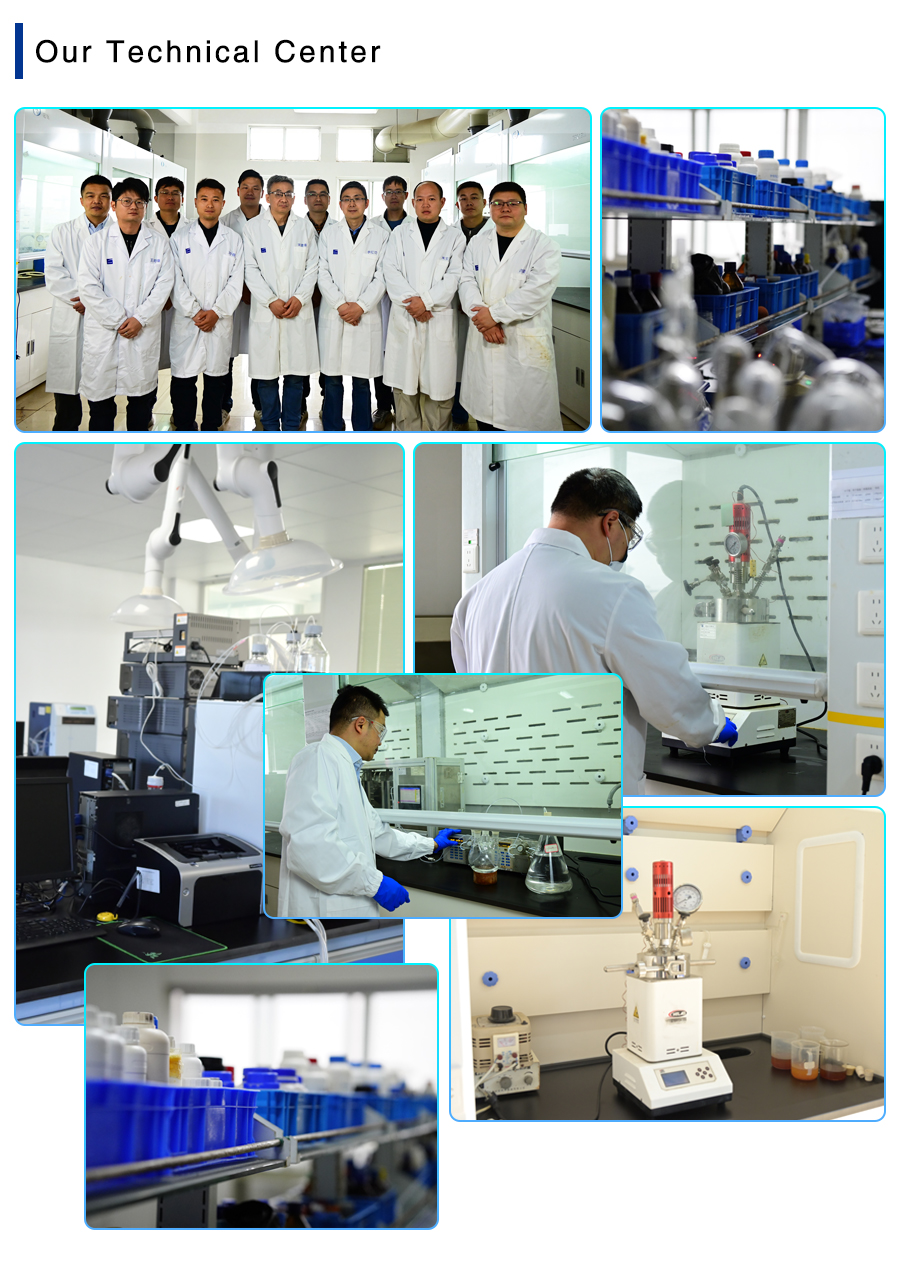
To support international regulatory filings, quality control departments operate advanced testing laboratories dedicated to full structural characterization.
Quantitative LC-MS/MS Protocol Validation
Our testing centers use validated LC-MS/MS methods to monitor every production campaign for potential genotoxic residues. The instrumentation is calibrated to detect and quantify specialized halo-nitro compounds well below standard regulatory thresholds, providing the definitive data required for international safety compliance.
High-Resolution Gas Chromatography-Headspace Analysis
To guarantee that the final crystalline powder complies with strict residual solvent regulations, the intermediate is analyzed via Gas Chromatography with Headspace sampling (GC-HS) utilizing Flame Ionization Detection (FID). This technique ensures that any residual organic solvents from the purification phase are quantified and limited to safe levels, satisfying international environmental and manufacturing standards.
Post-Analysis Validation: Documentation Stability, Batch Archiving, and Impurity Dossier Compilation
Following successful automated purification and high-precision analytical validation, the bulk intermediate is cataloged under strict quality management protocols:
Comprehensive Traceability and Data Integrity Logging
All raw analytical data, mass spectrometry charts, chromatograms, and calibration sequences are archived within a secure, computerized Laboratory Information Management System (LIMS). This automated tracking prevents data modification and ensures complete compliance with global data integrity standards, allowing downstream teams to audit any batch instantly.
Controlled Retention Archiving under Multi-Year Stability Protocols
Physical retain samples from every commercial batch are stored within temperature- and humidity-monitored archives for a minimum of five years. These retention samples undergo periodic re-testing to document the long-term chemical and physical stability of the intermediate, providing continuous data backup for your active ingredient production cycles.
Generation of Certified Regulatory Impurity Dossiers
EASTFINE compiles comprehensive analytical validation packages for our international partners. These dossiers contain full structural assignments, verified limits of detection (LOD), limits of quantitation (LOQ), and structural alert risk assessments, providing your regulatory affairs teams with the complete technical evidence required to secure rapid international clearances.
Comprehensive Impurity Profiling and Analytical Performance Matrix
To support quality assurance directors, analytical chemistry heads, and regulatory compliance managers during supplier technical qualifications and international registration audits, our quality departments maintain a standardized performance profile for our advanced intermediate.
| Analytical Control Parameter | Standard Commodity Broker Sourcing | EASTFINE High-Precision Sourcing | Direct Downstream Agrochemical Registration Impact |
| Total Chemical Purity Base | Variable performance (≤ 97.5%) | Consistently high purity (≥ 99.0%) | Minimizes downstream side-reactions and enhances processing yields. |
| Isomeric Impurity Control | Untracked or high levels (≥ 1.0%) | Ultra-low thresholds (≤ 0.15%) | Eliminates regulatory hurdles regarding structural isomers in dossiers. |
| Genotoxic Impurity Tracking | No mass spectrometry data available | Validated LC-MS/MS profiling (ppm thresholds) | Delivers complete toxicological safety data for seamless import clearances. |
| Residual Solvent Tracking | Periodic manual verification | Automated GC-Headspace logging | Guarantees compliance with international environmental volatile limits. |
Why Choose EASTFINE? Your Partner for Secure Commercial Scale-Up
When an advanced crop protection molecule transitions from initial laboratory development into multi-ton commercial production, selecting a technically capable and analytically rigorous chemical partner is essential. Established in 1995, EASTFINE is a leading global direct manufacturer of premium 2-Chloro-4-fluoro-5-nitrobenzoic acid.

Technical Innovation Anchored by Doctoral R&D Teams
Our chemical manufacturing lines and high-precision analytical protocols are designed and continuously optimized by a corporate R&D department led by process chemists holding doctoral degrees. This technical leadership has successfully secured 19 invention patents and 8 utility model patents focused on high-selectivity synthesis, smart inline monitoring integration, and advanced purification chemistry. By optimizing our core processing, we deliver an intermediate that helps downstream partners minimize analytical variations and maximize manufacturing efficiency.
Dual-Site Production Redundancy and Supply Security (Dalian & Heze)
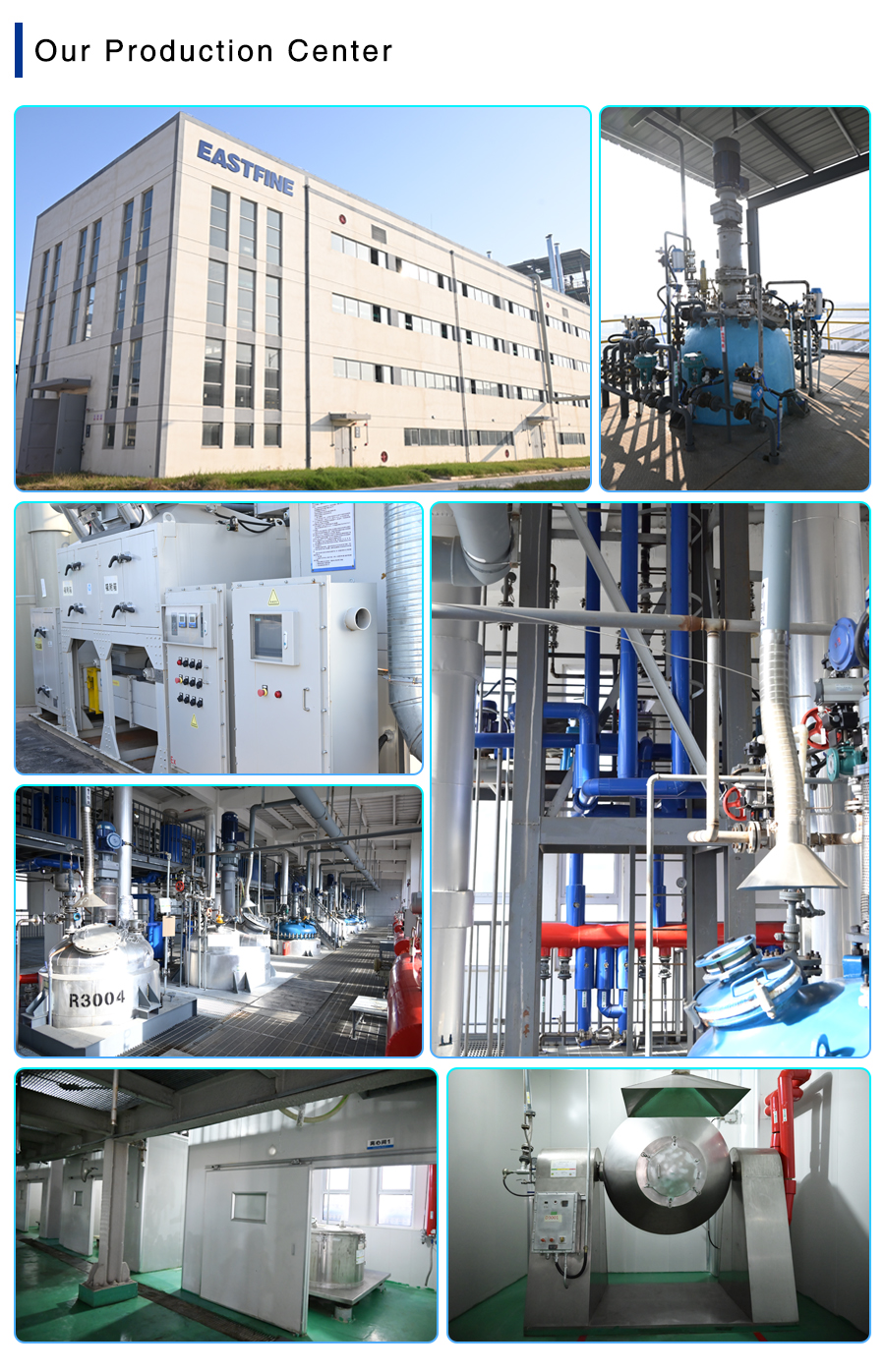
In today's complex international regulatory and environmental landscape, supply chain redundancy is an absolute requirement for long-term planning. EASTFINE operates two fully mirrored, large-scale manufacturing complexes in Dalian and Heze. This dual-site setup guarantees an uninterrupted supply of high-purity intermediates; if one plant undergoes a scheduled environmental audit or local maintenance cycle, the sister facility can expand its output to seamlessly fulfill long-term commercial contracts.
Complete Analytical Validation and Traceability Dossiers
Navigating strict international registration pathways requires absolute data transparency and robust analytical backing. EASTFINE accompanies every batch of CAS No. 114776-15-7 with a comprehensive analytical package, including high-resolution liquid chromatography (HPLC) charts, precise melting point verifications, and detailed moisture measurements. Our rigorous quality control simplifies your raw material validation workflows, providing a clear auditing trail for global regulatory bodies.
Conclusion: Securing Global Markets through Micro-Analytical Certainty
Achieving high active-ingredient output and dependable batch safety during commercial scale-up requires complete authority over both reaction kinetics and micro-analytical impurity parameters. Unmonitored structural variations, untracked halo-nitro residues, or a lack of high-sensitivity mass spectrometry documentation when handling 2-Chloro-4-fluoro-5-nitrobenzoic acid (CAS No. 114776-15-7) can cause registration rejections, costly validation delays, and severe supply chain liabilities.
Partnering with EASTFINE provides your QA, R&D, and regulatory affairs teams with an analytically verified, fully characterized intermediate. Backed by thirty years of direct manufacturing authority, advanced proprietary intellectual property, and a highly secure dual-site production model, EASTFINE helps you build exceptionally clean, efficient, and regulatory-secure agrochemical manufacturing processes.


 English
 العربية
 Français
 Русский
 Español
 Português
 Deutsch
 italiano
 日本語
日本語 한국어
한국어 Nederlands
 Tiếng Việt
 ไทย
ไทย Polski
 Türkçe
 አማርኛ
አማርኛ ພາສາລາວ
 Bahasa Melayu
 ဗမာစာ
ဗမာစာ Filipino
 Bahasa Indonesia
 magyar
 Română
 Čeština
 қазақ
қазақ Српски
 हिन्दी
 فارسی
فارسی Kiswahili
 Slovenčina
 Slovenščina
 Norsk
Norsk Svenska
 українська
 Ελληνικά
 Suomi
Suomi עברית
עברית Dansk
Dansk اردو
اردو Shqip
Shqip বাংলা
বাংলা Hrvatski
 Gaeilge
 Eesti keel
 Oʻzbekcha
 latviešu
 Azərbaycan dili
 Български
 ქართული
 íslenska
 Lietuvių


 简体中文
简体中文


