Introduction: The Digital Transformation of Process Development and Molecule Engineering
In the contemporary agrochemical discovery framework, the transition from an experimental active molecule to a scalable, multi-ton commercial asset relies increasingly on predictive digital workflows. Modern chemical engineering has moved past traditional trial-and-error optimization in the laboratory, replacing it with advanced in silico molecular modeling and quantum mechanical simulations. These computational methods allow research teams to evaluate the reactivity, thermodynamics, and kinetic behavior of advanced aromatic components before initiating physical synthesis runs.
For discovery directors and process development managers engineering next-generation fluorinated herbicides, leveraging computational modeling for 2-Chloro-4-fluoro-5-nitrobenzoic acid (CAS No. 114776-15-7) is an essential scientific strategy. The molecule presents a highly complex electronic landscape, containing a benzene ring modified by a carboxylic acid, a chlorine atom, a fluorine atom, and a nitro group.
This specific constellation of functional entities establishes an intricate web of inductive and mesomeric effects that dictate the molecule's downstream reactivity.
If these quantum electronic properties are left unmapped during initial process configuration, development teams can face unexpected structural deviations, unpredicted competitive reaction pathways, or suboptimal pairing kinetics during heterocyclic coupling phases. Utilizing high-level density functional theory calculations and molecular orbital analysis eliminates these developmental blind spots, providing a precise roadmap for downstream synthesis.
At EASTFINE, we support this advanced scientific approach by delivering an exceptionally consistent intermediate with an analytical baseline that mirrors theoretical modeling predictions, ensuring effortless translation from digital designs to physical production campaigns.
What is 2-Chloro-4-fluoro-5-nitrobenzoic acid (CAS No. 114776-15-7)?
2-Chloro-4-fluoro-5-nitrobenzoic acid is a heavily substituted aromatic core engineered to provide precise spatial and electronic directing handles for high-selectivity heterocyclic agrochemical synthesis. On a molecular level, the compound is represented by the formula C7H3ClFNO4, locking four distinct functional groups onto a single, rigid benzene framework.
The carboxylic acid group positioned at carbon 1 serves as the primary polar site for esterification, amide coupling, or localized cyclization sequences. The chlorine atom at position 2 exerts strong localized inductive effects, while the fluorine atom at position 4 and the nitro group at position 5 operate as powerful electron-withdrawing groups. This combined electronic withdrawal leaves the aromatic ring highly susceptible to regioselective nucleophilic aromatic substitution (SNAr) reactions during downstream active ingredient manufacturing.
From a physical standpoint, premium-grade CAS No. 114776-15-7 exists as a highly stable, off-white crystalline solid with a distinct melting point range of 156°C to 158°C and an approximate density of 1.68 g/cm³. Maintaining a highly uniform crystalline habit is critical for automated processing facilities, as consistent particle shapes prevent bridging in industrial hopper systems and ensure rapid, predictable dissolution metrics in polar processing solvents.
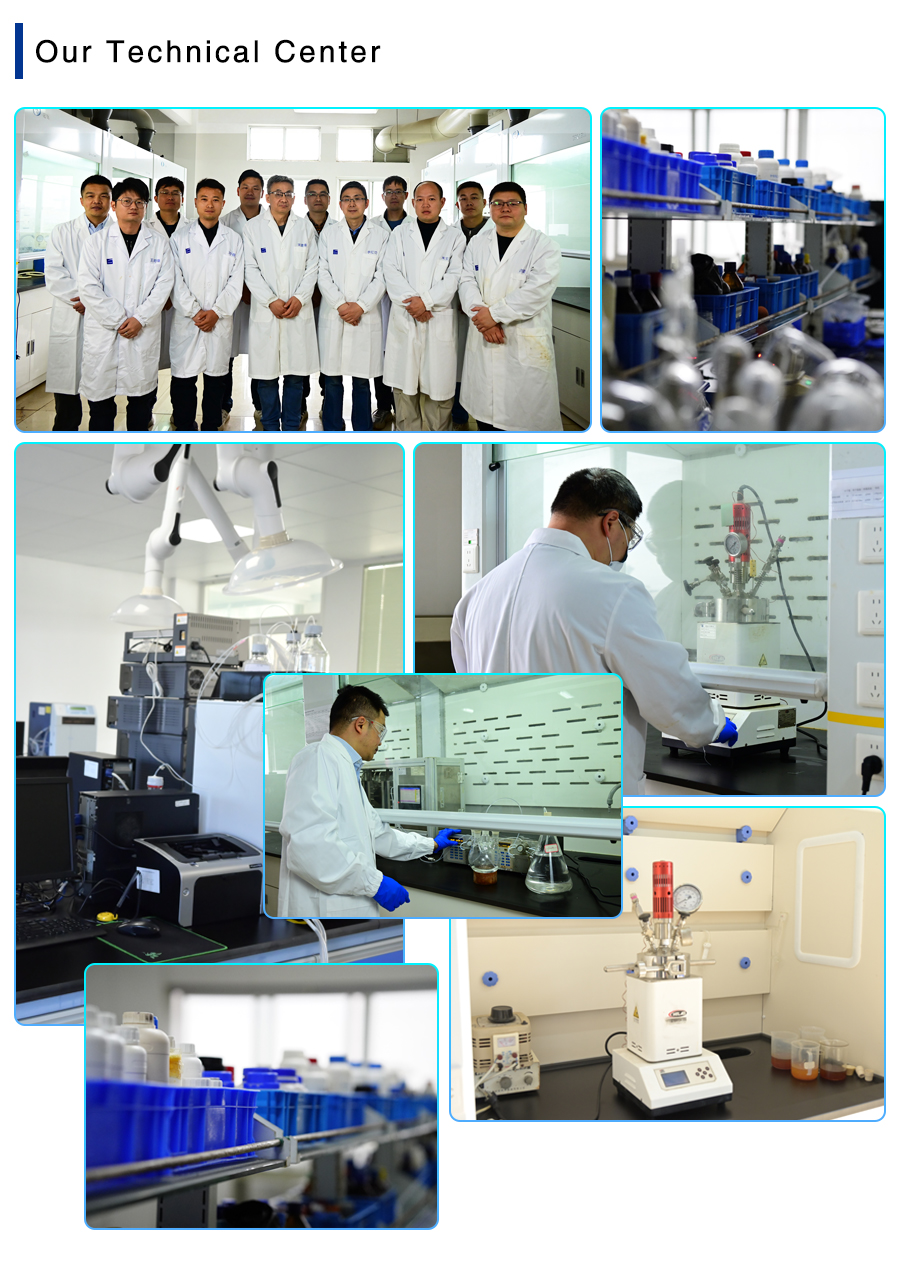
Applications of 2-Chloro-4-fluoro-5-nitrobenzoic acid
The uniquely balanced electronic framework of 2-Chloro-4-fluoro-5-nitrobenzoic acid makes it an indispensable starting material across several core areas of modern sustainable crop protection:
Production of Protox-Inhibiting PPO Herbicides
The primary industrial application for this intermediate is the synthesis of protoporphyrinogen oxidase (PPO) inhibiting herbicides. These highly selective crop-protection assets target specific chlorophyll pathways within weed tissues, causing rapid cellular breakdown while remaining fully safe for core tolerant crops like commercial soybeans and field corn.
Synthesis of Fluorine-Containing Uracil Core Structures
In the commercial synthesis of advanced uracil-class herbicides, the 2,4,5-trisubstituted benzoyl architecture derived from this intermediate is integrated directly into the core heterocycle. This configuration provides exceptional systemic stability, allowing the active crop-protection asset to resist rapid enzymatic degradation in agricultural soils.
Construction of Advanced Crop Protection Safeners
Derivatives of this intermediate are also utilized to formulate specialized heterocyclic safeners that protect valuable food crops from localized chemical stress. These compounds temporarily enhance the crop's internal metabolic defenses, allowing for a broader application window of primary herbicides without compromising final agricultural yields.
Advantages of In Silico Modeling and Predictive Chemistry in Sourcing
Integrating advanced computational metrics and molecular modeling data during the evaluation of CAS No. 114776-15-7 delivers definitive operational and competitive advantages to multinational agrochemical brands:
Accelerated Mapping of Downstream Transition States
Using predictive modeling to map the transition state energetics of nucleophilic displacements prevents the execution of low-yielding physical laboratory trials. This digital foresight allows process chemists to select optimal nucleophiles and core reagents based on calculated activation energies, shortening development timelines.
Precision Tuning of Industrial Reactor Thermodynamic Parameters
Computational modeling provides highly accurate estimates of reaction enthalpies and localized heat capacities for complex coupling phases. This thermodynamic data allows plant engineers to optimize cooling arrays and heat-exchange dynamics in large scale-up reactors, preventing runaway risks and enhancing processing safety profiles.
Enhanced QSAR Accuracy for Next-Generation Active Ingredients
Possessing a completely characterized, structurally uniform intermediate ensures that physical experimental inputs align perfectly with Quantitative Structure-Activity Relationship (QSAR) models. This correlation allows discovery teams to confidently predict field efficacy and environmental toxicity metrics, reducing registration risk.
Biomechanics & Quantum Mechanics of Frontier Molecular Orbitals
Resolving and predicting the reactivity of a heavily functionalized benzoyl ring requires a deep analysis of its underlying quantum electronic structure and orbital distributions.
The Mapping of Lowest Unoccupied Molecular Orbitals:
In SNAr reactions involving CAS No. 114776-15-7, incoming nucleophiles interact directly with the molecule's Lowest Unoccupied Molecular Orbital (LUMO). Density functional theory (DFT) calculations demonstrate that the strong electron-withdrawing effects of the nitro group at position 5 and the fluorine atom at position 4 significantly lower the LUMO energy gap, focusing the orbital density directly onto the carbon-fluorine bond site.
The Electrostatic Potential Map Verification:
Generating an Electrostatic Potential (ESP) map of the molecule reveals a severe electron deficiency across the aromatic ring, appearing as a highly positive region centered over positions 4 and 6. This stark charge asymmetry enables exceptionally clean, regioselective nucleophilic attacks under mild thermal ranges, as the incoming electron-rich species is guided directly to the activated carbon centers.
By providing an intermediate that perfectly matches these calculated quantum profiles, EASTFINE eliminates experimental variation, helping process engineers build exceptionally reliable, high-yield synthetic loops.
Computational Configuration of Reactivity Pathways
To achieve high predictability across commercial scale-up campaigns, development teams utilize a multi-tiered modeling protocol to simulate and validate downstream chemical reactions:
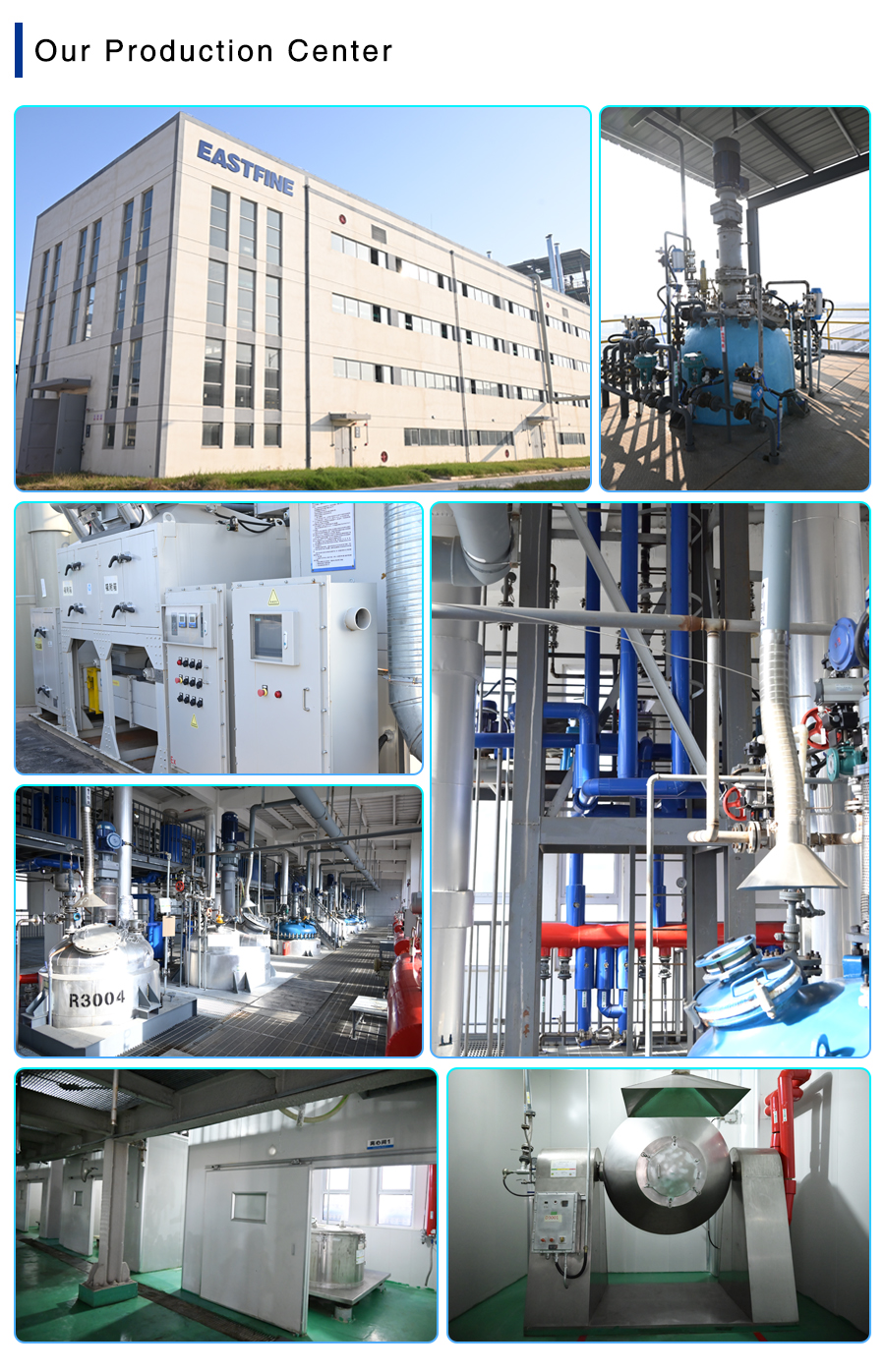
Quantum Mechanical Modeling of Nucleophilic Aromatic Substitution
The primary synthetic utilization of this intermediate involves displacing the highly activated fluorine atom with specialized nitrogen or oxygen nucleophiles to form the core herbicide structure.
Density Functional Theory (DFT) B3LYP Parameterization
Molecular structures are optimized using the standard B3LYP hybrid functional paired with high-level basis sets such as 6-311G(d,p). These computational runs calculate the precise bond angles and atomic distances around the substituted ring, mapping the steric constraints that the chlorine atom at position 2 introduces to the adjacent carboxylic acid group.
Transition State Profiling and Activation Energy Determination
By simulating the attack of the nucleophile, modelers locate the exact saddle point representing the tetrahedral Meisenheimer intermediate transition state. Calculating the energy barrier of this rate-limiting step allows process development heads to predict the exact temperature windows and base requirements needed to drive physical reactions to full completion.
Solvation Modeling and Reaction Medium Optimization
Beyond gas-phase orbital calculations, modeling teams must simulate how the intermediate interacts with industrial processing solvents.
Implementing Polarisable Continuum Models (PCM)
To understand solvent-solute interactions, computational workflows employ Polarizable Continuum Models (PCM) simulating common industrial reaction media like dimethylformamide, acetonitrile, or toluene. This modeling captures localized electrostatic interactions and hydrogen-bonding variations, preventing unexpected mass-transfer limitations or material precipitation during large-scale operations.
Calculating Solvent-Mediated Proton Transfer Metrics
Solvation models calculate the precise apparent acid dissociation constants (pKa) of the carboxylic acid group across different solvent environments. This predictive tracking allows development teams to add the exact stoichiometric equivalents of inorganic bases required to manipulate the protonation state of the intermediate, optimizing reaction selectivity and preventing side-product formation.
Data Integrity, Model Validation, and Batch Coherence Protocols
Following successful computational simulation, physical manufacturing campaigns must be executed under strict analytical tracking to validate the in silico data and preserve data integrity:
Closing the Loop between Theoretical Data and Physical Analytics
From every production campaign of 2-Chloro-4-fluoro-5-nitrobenzoic acid, physical analytical data—including experimental melting points, infrared spectroscopy frequencies, and crystal lattice dimensions—is fed back into the central modeling library. This continuous verification loop refines the computational parameters, increasing the predictive accuracy of future downstream simulation runs.
Automated Storage of Computational Dossiers and LIMS Integration
All calculated molecular files, electronic structure coordinates, and thermodynamic prediction logs are securely archived within a centralized Laboratory Information Management System (LIMS). This digital setup maintains a tamper-proof link between the theoretical design matrix and the physical batch certificate of analysis, fully satisfying international data integrity regulations.
Comprehensive Batch Tracking for Multi-Stage Syntheses
Every outbound container of CAS No. 114776-15-7 is issued a unique, batch-specific electronic signature tied directly to its crystallographic and purity parameters. This digital tracking allows procurement directors to match physical raw material deliveries with specific computational modeling presets, ensuring seamless performance across high-throughput synthesis platforms.
Comprehensive Computational, Quantum, and Physical Property Specifications
To assist discovery chemists, molecular modelers, and process development directors during virtual screening and physical onboarding, our operations departments maintain a verified computational specification matrix.
| Quantum and Physical Parameter | Theoretical Modeling Metric Target | Physical Validation Standard Baseline | Direct Impact on Downstream Process Kinetics |
| Melting Point Profile | Calculated crystalline collapse 157℃ | Experimental range 156℃ to 158℃ | Confirms high lattice uniformity and the total absence of structural impurities. |
| Frontier Orbital Energy | Calculated LUMO gap optimization | Verified high-selectivity SNAr reactions | Directs nucleophilic attacks precisely to activated positions, minimizing side products. |
| True Material Density | Crystal structure prediction 1.69 g/cm^3 | Pycnometer density 1.68 g/cm^3 | Ensures predictable bulk volumes and precise volumetric charging in reactors. |
| Residual Moisture (Water) | Zero-hydration model state | Coulometric Karl Fischer ≤ 0.10% | Prevents unpredicted solvent interactions and hydrolysis of sensitive reagents. |
Why Choose EASTFINE? Your Partner for Secure Commercial Scale-Up
When an advanced crop protection molecule transitions from initial computational modeling into multi-ton commercial production, selecting a technically capable chemical partner is essential. Established in 1995, EASTFINE is a leading global direct manufacturer of premium 2-Chloro-4-fluoro-5-nitrobenzoic acid.

Technical Innovation Anchored by Doctoral R&D Teams
Our chemical manufacturing lines and analytical tracking protocols are designed and continuously optimized by a corporate R&D department led by process chemists holding doctoral degrees. This technical leadership has successfully secured 19 invention patents and 8 utility model patents focused on high-selectivity nitration and advanced aromatic crystallization chemistry. By optimizing our core synthesis, we deliver an intermediate that helps downstream partners minimize analytical variations and maximize processing efficiency.
Dual-Site Production Redundancy and Supply Security (Dalian & Heze)
In today's complex international regulatory landscape, supply chain security is an absolute requirement for long-term planning. EASTFINE operates two fully mirrored, large-scale manufacturing complexes in Dalian and Heze. This dual-site setup guarantees an uninterrupted supply of high-purity intermediates; if one plant undergoes a scheduled environmental or maintenance audit, the sister facility can expand its output to seamlessly fulfill long-term commercial contracts.
Complete Analytical Validation and Traceability Dossiers
Navigating strict international registration pathways requires absolute data transparency and robust analytical backing. EASTFINE accompanies every batch of CAS No. 114776-15-7 with a comprehensive analytical package, including high-resolution liquid chromatography (HPLC) charts, precise melting point verifications, and detailed moisture measurements. Our rigorous quality control simplifies your raw material validation workflows, providing a clear auditing trail for global regulatory bodies.
Conclusion: Aligning Computational Science with Industrial Scale-Up
Achieving high active-ingredient output and dependable batch safety during commercial scale-up requires complete authority over both reaction kinetics and predictive material science. Mismatches between computational models and physical raw material parameters when handling 2-Chloro-4-fluoro-5-nitrobenzoic acid (CAS No. 114776-15-7) can cause downstream reaction failures, lower active ingredient yields, and unexpected process variations.
Partnering with EASTFINE provides your engineering team with an analytically verified, highly stable intermediate. Backed by thirty years of direct manufacturing authority, advanced proprietary intellectual property, and a highly secure dual-site production model, EASTFINE helps you build exceptionally clean, efficient, and regulatory-secure agrochemical manufacturing processes.


 English
 العربية
 Français
 Русский
 Español
 Português
 Deutsch
 italiano
 日本語
日本語 한국어
한국어 Nederlands
 Tiếng Việt
 ไทย
ไทย Polski
 Türkçe
 አማርኛ
አማርኛ ພາສາລາວ
 Bahasa Melayu
 ဗမာစာ
ဗမာစာ Filipino
 Bahasa Indonesia
 magyar
 Română
 Čeština
 қазақ
қазақ Српски
 हिन्दी
 فارسی
فارسی Kiswahili
 Slovenčina
 Slovenščina
 Norsk
Norsk Svenska
 українська
 Ελληνικά
 Suomi
Suomi עברית
עברית Dansk
Dansk اردو
اردو Shqip
Shqip বাংলা
বাংলা Hrvatski
 Gaeilge
 Eesti keel
 Oʻzbekcha
 latviešu
 Azərbaycan dili
 Български
 ქართული
 íslenska
 Lietuvių


 简体中文
简体中文


