Introduction: The Regulatory Imperative for Stringent Impurity Profiling
In the contemporary international agrochemical registration landscape, the hurdle for commercializing a new crop protection asset extends far beyond field efficacy. Global regulatory bodies have established exceptionally strict registration standards, forcing discovery teams and manufacturing specialists to provide complete transparency regarding the chemical composition of their materials. Securing marketing approval requires a thorough analytical accounting of all components present within the chemical profile above a certain threshold.
For regulatory affairs teams and quality control laboratories managing the scale-up of advanced fluorine-containing herbicides, implementing robust analytical testing matrices for incoming building blocks is a critical mandate. Within this workflow, 2-Chloro-4-fluoro-5-nitrobenzoic acid (CAS No. 114776-15-7) presents a sophisticated challenge for classical analytical infrastructure.
The molecule possesses a highly crowded benzene ring containing four separate functional entities: a carboxylic acid, a chlorine atom, a fluorine atom, and a nitro group.
During large-scale commercial synthesis, minor variations in nitration temperatures or halogenation parameters can lead to the formation of trace positional isomers or partially dechlorinated byproducts. Because these contaminants share nearly identical molecular weights, physical boiling properties, and polarities with the main product, resolving them requires advanced chromatographic methods. Failure to accurately quantify these trace components can cause unexpected side reactions downstream, compromise active ingredient stability, and result in costly regulatory registration delays.
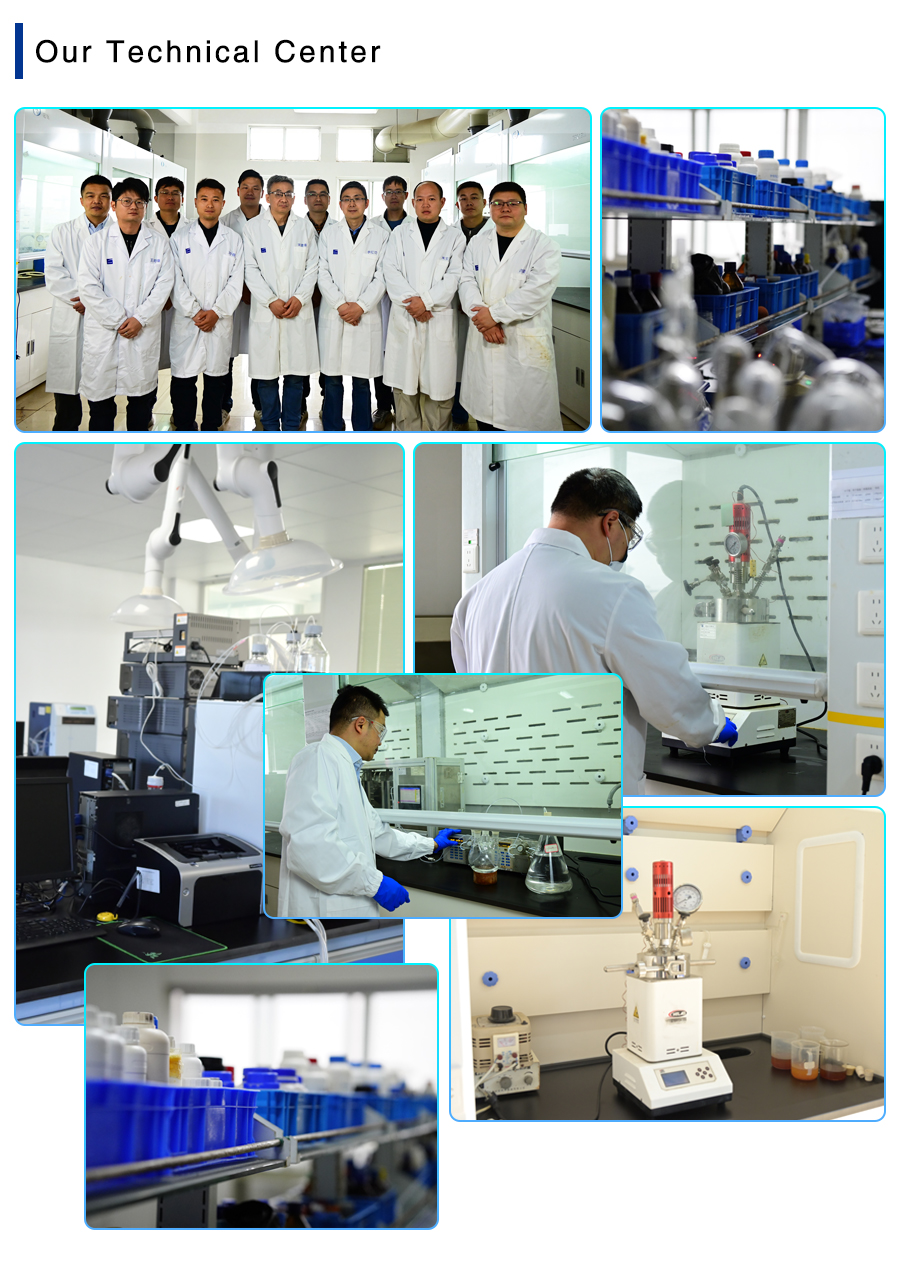
At EASTFINE, we eliminate these compliance vulnerabilities by employing state-of-the-art chromatographic and spectroscopic verification loops, ensuring that every batch of CAS No. 114776-15-7 is delivered with a pristine analytical baseline that simplifies global regulatory approvals.
What is 2-Chloro-4-fluoro-5-nitrobenzoic acid (CAS No. 114776-15-7)?
2-Chloro-4-fluoro-5-nitrobenzoic acid is a heavily functionalized core building block engineered to provide precise spatial and electronic directing handles for high-selectivity heterocyclic agrochemical synthesis. The compound is represented by the empirical formula C7H3ClFNO4, positioning a targeted array of atoms around a rigid aromatic ring.
The fundamental structure relies on the carboxylic acid group at position 1 to act as a polar link for subsequent esterification or condensation steps. The chlorine atom at position 2 provides steric insulation to adjacent sites, while the fluorine atom at position 4 and the nitro group at position 5 operate as powerful electron-withdrawing groups. This combined electronic withdrawal leaves the aromatic ring highly susceptible to regioselective nucleophilic aromatic substitution SNAr reactions during downstream active ingredient manufacturing.
On a physical level, premium-grade CAS No. 114776-15-7 exists as a highly stable crystalline powder with a defined melting point range of 156°C to 158°C and an approximate density of 1.68 g/cm³. Ensuring a consistent crystalline lattice is critical during commercial manufacturing, as variations in the crystal structure can alter dissolution velocities and complicate industrial filtration dynamics.
Applications of 2-Chloro-4-fluoro-5-nitrobenzoic acid
The uniquely balanced electronic framework of 2-Chloro-4-fluoro-5-nitrobenzoic acid makes it an indispensable starting material across several prominent sectors of modern crop protection:
Production of Protox-Inhibiting PPO Herbicides
The primary commercial application for this advanced building block is in the synthesis of protoporphyrinogen oxidase (PPO) inhibiting herbicides. These highly selective agricultural tools disrupt chlorophyll pathways within weed tissues, causing rapid cellular breakdown while remaining fully safe for core tolerant crops like commercial soybeans and field corn.
Synthesis of Fluorine-Containing Uracil Core Structures
In the industrial development of high-potency uracil herbicides, the 2,4,5-trisubstituted benzoyl architecture derived from this intermediate is integrated directly into the core heterocycle. This fluorinated matrix provides exceptional systemic control over aggressive broadleaf weeds while maintaining a low environmental persistence profile in agricultural soils.
Construction of Advanced Crop Protection Safeners
Derivatives of this intermediate are also utilized to formulate specialized heterocyclic safeners that protect valuable food crops from localized chemical stress. These compounds temporarily enhance the crop's internal metabolic defenses, allowing for a broader application window of primary herbicides without compromising final agricultural yields.
Advantages of Advanced Impurity Mapping in Agrochemical Supply Chains
Establishing complete clarity over the trace impurity matrix of CAS No. 114776-15-7 brings massive strategic and operational advantages to global agrochemical brands:
Elimination of Downstream Kinetic Irregularities
When an intermediate contains unmapped positional isomers, these contaminants participate in downstream coupling loops at entirely different reaction velocities compared to the target molecule. Eliminating these impurities at the sourcing phase guarantees highly predictable reaction kinetics and stable batch-to-batch yields across large production runs.
Seamless Acceleration of Five-Batch Regulatory Studies
To register a technical-grade active ingredient globally, companies must execute a formal five-batch analysis, mapping all impurities present down to a threshold of 0.1 percent. Sourcing an intermediate with a verified, stable impurity baseline ensures that the five-batch study proceeds without uncovering unexpected toxicological or chemical anomalies.
Mitigation of Toxicological Registration Failures
Certain trace halogenated side isomers can exhibit unintended biological activity or higher environmental persistence than the target herbicide. Ensuring that these components are comprehensively mapped and eliminated prevents long-term toxicological red flags during registration reviews with international environmental protection agencies.
Spectroscopy of Isomeric Contamination
Resolving closely related impurities requires a deep understanding of how minor changes in substitution orientation alter the chemical and physical characteristics of the aromatic core.
The Challenge of Positional Isomer Separation:
During initial nitration steps, a minor percentage of the material can undergo nitration at position 3 or position 6 instead of the desired position 5, creating isomers such as 2-chloro-4-fluoro-3-nitrobenzoic acid. Because these isomers possess identical molecular weights and highly similar boiling profiles, standard low-resolution gas chromatography often fails to separate them, allowing them to pass undetected into downstream steps.
The Spectral Resolution Approach:
Overcoming this tracking challenge requires using high-performance liquid chromatography paired with diode array detection and high-resolution mass spectrometry (HPLC-DAD-HRMS). The subtle differences in the electronic properties of the isomers alter their ultraviolet absorption spectra and retention dynamics on specialized stationary phases, allowing for precise quantification down to parts-per-million baselines.
By providing an intermediate with an analytically verified baseline containing less than 0.2 percent total positional isomers, EASTFINE gives downstream engineers a stable starting material that eliminates analytical guesswork.
Process Engineering of Chromatographic Validation
Achieving reliable quantification of trace impurities in a multi-ton industrial facility requires a standardized, validated suite of analytical methods across all testing laboratories:
High-Performance Liquid Chromatography Method Development
The primary tool for quality assurance is a reversed-phase high-performance liquid chromatography system optimized for highly polar aromatic acids.
Stationary Phase Optimization and Column Chemistry
Standard octadecylsilane (C18) columns often yield poor peak resolution due to the strong hydrogen-bonding capabilities of the multi-substituted benzoic acid. To achieve clean separation, validation teams employ polar-embedded or phenyl-hexyl stationary phases, which leverage dipole-dipole and pi-pi electronic interactions to cleanly separate positional isomers from the main product peak.
Mobile Phase Acidification and Gradient Tuning
The mobile phase utilizes a precisely controlled gradient of acetonitrile and water acidified with high-purity trifluoroacetic acid or formic acid. Maintaining the pH of the mobile phase well below the acid dissociation constant (pKa) of the benzoic acid ensures that the molecule remains entirely in its un-ionized form, eliminating peak tailing and guaranteeing reproducible retention times.
Quantitative Determination of Trace Halogen Impurities via Ion Chromatography
Beyond organic isomers, commercial manufacturing teams must track trace inorganic byproducts like free fluorides or chlorides.
Mitigating Secondary Halogen Leaching Risks
The presence of free halide ions indicates minor hydrolytic decomposition or raw material washing failures during early isolation loops. If left unmonitored, these inorganic salts can corrode stainless steel reactors and poison the precious-metal catalysts used in downstream reduction steps.
Implementing Automated Ion Chromatographic Injections
Samples of CAS No. 114776-15-7 are dissolved in alkaline aqueous matrices and passed through anion-exchange ion chromatography systems equipped with conductivity suppressors. This configuration quantifies free fluoride and chloride ions down to sub-part-per-million levels, ensuring that every batch meets the strict dryness and salt-free baselines required for catalytic transformations.
Sample Storage, Document Archiving, and Chain of Custody
To maintain regulatory readiness and ensure long-term data integrity, quality control laboratories must implement strict sample retention and documentation policies:
Regulated Retain Sample Archiving Protocols
From every commercial batch of 2-Chloro-4-fluoro-5-nitrobenzoic acid, a representative composite sample is sealed in high-density polyethylene vials, double-bagged in foil laminates, and placed in a climate-controlled retain archive held at a stable temperature of 20°C. These retain samples are securely stored for a minimum of five years, providing an uncorrupted material history for retrospective regulatory audits.
Comprehensive Digital Traceability and Auditing Trails
All raw chromatographic data, integration parameters, and instrument calibration logs are automatically archived within a certified Laboratory Information Management System (LIMS). This digital setup maintains a tamper-proof audit trail that tracks every analysis from initial sample injection to final certificate of analysis generation, fully complying with international data integrity regulations.
Chain-of-Custody Certification for Global Shipments
Every outbound container of CAS No. 114776-15-7 is issued a unique, batch-specific barcode tied to its analytical dossier and origin tracking. This label accompanies the physical shipment across all maritime and land logistics nodes, giving global procurement directors full confidence that the high-purity intermediate arriving at their facility matches the approved pre-shipment validation samples.
Comprehensive Analytical Specification and Validation Baselines
To support analytical validation teams and regulatory registration directors during raw material onboarding, our quality assurance departments maintain a strict specification matrix for our high-purity product.
| Analytical Parameter | Testing Methodology | Specification Target Baseline | Direct Regulatory and Processing Impact |
| Chemical Purity Profile | Reversed-Phase HPLC-DAD | Minimum 99.5% area normalization | Minimizes the generation of unknown side products during downstream synthesis loops. |
| Total Positional Isomers | LC-MS/MS Isomeric Mapping | Maximum 0.20% cumulative | Prevents the formation of structural variants that complicate active ingredient registrations. |
| Moisture Content (Water) | Coulometric Karl Fischer | Maximum 0.10% total weight | Preserves air-sensitive reagents and prevents hydrolysis during esterification phases. |
| Residual Ash (Heavy Metals) | ICP-MS Spectroscopy | Maximum 20 ppm total metals | Prevents catalyst poisoning and protects downstream hydrogenation efficiency metrics. |
Why Choose EASTFINE? Your Partner for Secure Commercial Scale-Up
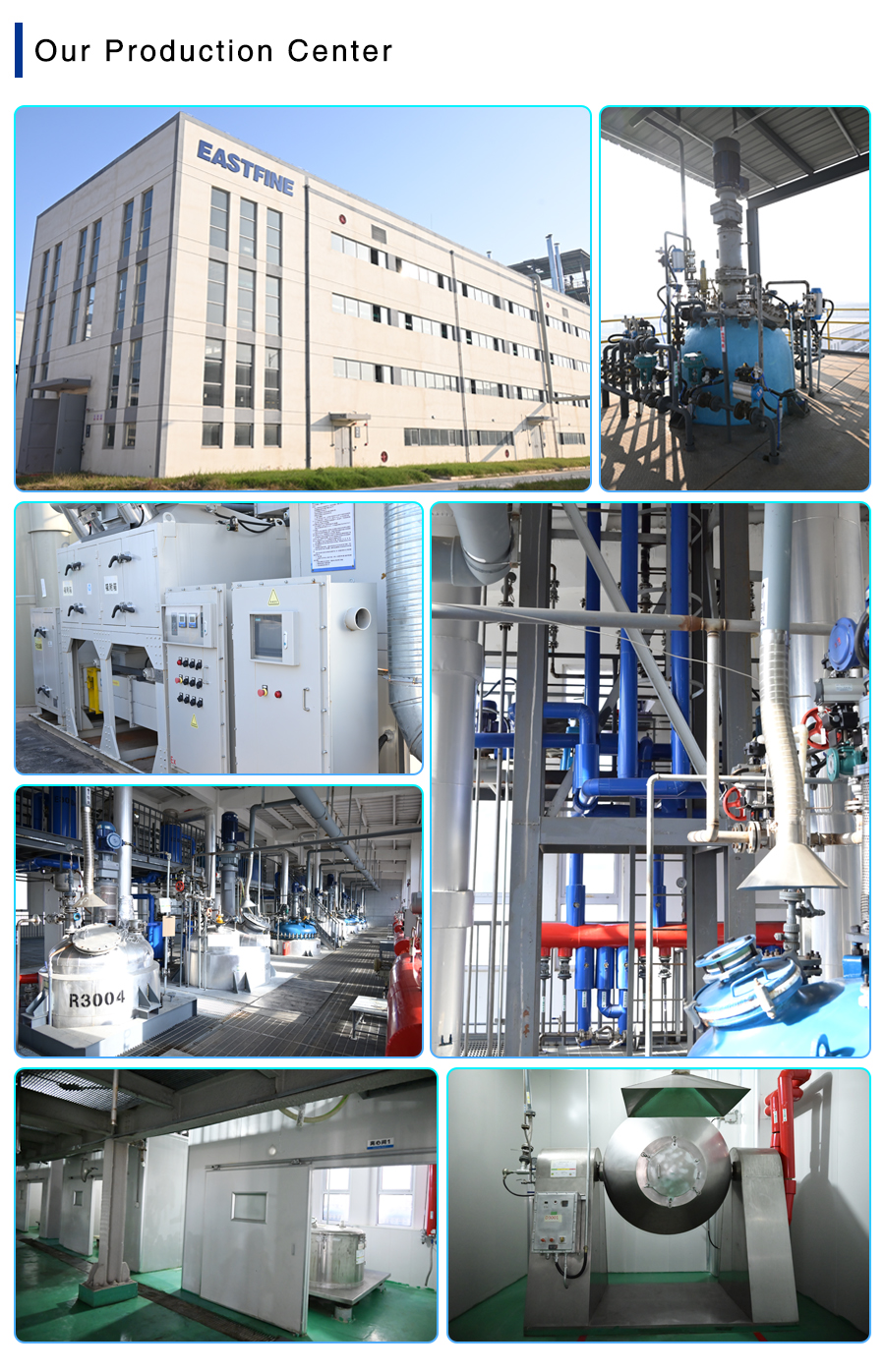
When an advanced crop protection molecule transitions from initial laboratory validation into multi-ton commercial production, selecting a technically capable chemical partner is essential. Established in 1995, EASTFINE is a leading global direct manufacturer of premium 2-Chloro-4-fluoro-5-nitrobenzoic acid.

Technical Innovation Led by Doctoral R&D Teams
Our chemical manufacturing lines and analytical tracking protocols are designed and continuously optimized by a corporate R&D department led by process chemists holding doctoral degrees. This technical leadership has successfully secured 19 invention patents and 8 utility model patents focused on high-selectivity nitration and advanced aromatic crystallization chemistry. By optimizing our core synthesis, we deliver an intermediate that helps downstream partners minimize analytical variations and maximize processing efficiency.
Dual-Site Production Redundancy and Supply Security (Dalian & Heze)
In today's complex international regulatory landscape, supply chain security is an absolute requirement for long-term planning. EASTFINE operates two fully mirrored, large-scale manufacturing complexes in Dalian and Heze. This dual-site setup guarantees an uninterrupted supply of high-purity intermediates; if one plant undergoes a scheduled environmental or maintenance audit, the sister facility can expand its output to seamlessly fulfill long-term commercial contracts.
Complete Analytical Validation and Traceability Dossiers
Navigating strict international registration pathways requires absolute data transparency and robust analytical backing. EASTFINE accompanies every batch of CAS No. 114776-15-7 with a comprehensive analytical package, including high-resolution liquid chromatography (HPLC) charts, precise melting point verifications, and detailed moisture measurements. Our rigorous quality control simplifies your raw material validation workflows, providing a clear auditing trail for global regulatory bodies.
Conclusion: Securing Global Registrations through Analytical Integrity
Achieving high chemical yields and predictable batch safety during commercial scale-up requires complete authority over both reaction kinetics and analytical quality control. Inconsistent impurity profiles, unmanaged positional isomers, or trace halogenated byproducts in low-grade 2-Chloro-4-fluoro-5-nitrobenzoic acid (CAS No. 114776-15-7) can cause downstream reaction failures, lower active ingredient yields, and complex regulatory auditing challenges.
Partnering with EASTFINE provides your engineering team with an analytically verified, highly stable intermediate. Backed by thirty years of direct manufacturing authority, advanced proprietary intellectual property, and a highly secure dual-site production model, EASTFINE helps you build exceptionally clean, efficient, and regulatory-secure agrochemical manufacturing processes.


 English
 العربية
 Français
 Русский
 Español
 Português
 Deutsch
 italiano
 日本語
日本語 한국어
한국어 Nederlands
 Tiếng Việt
 ไทย
ไทย Polski
 Türkçe
 አማርኛ
አማርኛ ພາສາລາວ
 Bahasa Melayu
 ဗမာစာ
ဗမာစာ Filipino
 Bahasa Indonesia
 magyar
 Română
 Čeština
 қазақ
қазақ Српски
 हिन्दी
 فارسی
فارسی Kiswahili
 Slovenčina
 Slovenščina
 Norsk
Norsk Svenska
 українська
 Ελληνικά
 Suomi
Suomi עברית
עברית Dansk
Dansk اردو
اردو Shqip
Shqip বাংলা
বাংলা Hrvatski
 Gaeilge
 Eesti keel
 Oʻzbekcha
 latviešu
 Azərbaycan dili
 Български
 ქართული
 íslenska
 Lietuvių


 简体中文
简体中文


