Introduction: The Environmental Mandate in Modern Crop Protection
The global crop protection industry is facing a transformative shift in regulatory compliance and social responsibility. Modern agricultural chemicals are no longer judged solely on their field performance or application low-dosage thresholds. Today, global chemical manufacturing must align with strict Environmental, Social, and Governance (ESG) criteria, requiring process development teams to look beyond crude chemical conversion rates and actively design pipelines that minimize total waste streams.
When engineering the bulk commercial scale-up of advanced fluorine-containing herbicides, process chemists face severe waste-management challenges. The synthesis of multi-substituted aromatic rings traditionally requires large volumes of aggressive halogenating agents, mixed-acid nitration matrices, and intensive aqueous washing sequences. These energy-heavy processes can result in an unfavorable Sheldon Environmental Factor, or E-Factor, generating significant masses of inorganic sludge and organic solvent waste per kilogram of final active ingredient.
To mitigate this environmental burden, agrochemical manufacturers are optimizing their procurement strategies, sourcing advanced pre-functionalized aromatic building blocks to shorten synthetic timelines. 2-Chloro-4-fluoro-5-nitrobenzoic acid (CAS No. 114776-15-7) stands as an exceptional platform for achieving these green processing targets.
At EASTFINE, we support this transition to sustainable process design by delivering high-purity, analytically verified CAS No. 114776-15-7 that eliminates resource waste, prevents isomeric side-product generation, and ensures stable, eco-efficient manufacturing workflows.
What is 2-Chloro-4-fluoro-5-nitrobenzoic acid (CAS No. 114776-15-7)?
2-Chloro-4-fluoro-5-nitrobenzoic acid is a highly functionalized aromatic benzoic acid derivative designed to act as an efficient core module in advanced heterocyclic synthesis. The molecular composition is represented by the formula C7H3ClFNO4, locking a precise balance of electron-withdrawing and sterically distinct directing handles onto a single benzene nucleus.
Structurally, the carboxylic acid functionality occupies position 1, operating as a polar anchor that can undergo straightforward esterification or amide coupling phases. The chlorine atom at position 2 provides local steric control, while the fluorine atom at position 4 and the nitro group at position 5 work together to create a powerful electronic sink. This electron-withdrawing synergy makes the ring system an excellent target for predictable, highly regioselective nucleophilic aromatic substitutions (SNAr).
On a physical level, pure CAS No. 114776-15-7 is characterized as a stable crystalline solid with a melting point range of 156°C to 158°C and a baseline density of 1.68 g/cm³. Managing this specific solid-state profile is vital for industrial scale-up operations; ensuring a consistent, uniform crystalline form prevents batch variations in dissolution rates and guarantees predictable mass transfer across heterogeneous reaction fields.
Applications of 2-Chloro-4-fluoro-5-nitrobenzoic acid
The multi-functional geometry of 2-Chloro-4-fluoro-5-nitrobenzoic acid makes it a vital chemical gateway for several high-volume agrochemical pipelines:
Production of Protox-Inhibiting Protoporphyrinogen Oxidase Herbicides
The primary commercial application for this advanced intermediate is the large-scale manufacture of protox-inhibiting herbicides. These selective crop-protection agents block the chlorophyll production pathway in target weeds, providing exceptional, rapid weed control in major food crops like field corn and commercial soybean systems.
Synthesis of Fluorine-Containing Uracil Core Structures
In the synthesis of high-potency uracil herbicides, the 2,4,5-trisubstituted benzoyl structure derived from this intermediate is integrated into the core heterocycle. This configuration provides exceptional systemic activity against resistant broadleaf weeds while maintaining a low persistence footprint in agricultural soils.
Engineering of Selective Heterocyclic Crop Safeners
Beyond direct herbicide construction, derivatives of this molecule are increasingly utilized to synthesize specialized chemical safeners. Co-applied with primary agricultural formulations, these safener compounds enhance the natural detoxification pathways of cash crops, protecting them from localized chemical stress.
Advantages of 2-Chloro-4-fluoro-5-nitrobenzoic acid in Green Chemistry
Sourcing a highly refined, pre-functionalized intermediate brings measurable advantages to green process development and corporate resource conservation:
Elimination of Commodity-Stage Waste Penalties
Building a 2,4,5-trisubstituted benzoic acid scaffold from cheap commodities requires consecutive nitration and halogenation stages that produce massive amounts of unwanted positional isomers. Utilizing a pre-synthesized intermediate ensures that every molecule entering your reactor contains the correct substitution pattern, eliminating the need for waste-heavy isolation loops.
Rapid Reduction in Process Mass Intensity Metrics
Process Mass Intensity (PMI) quantifies the total mass of raw materials, including solvents and water, required to manufacture a kilogram of target product. By bringing four functional handles simultaneously into the reaction vessel, CAS No. 114776-15-7 allows chemical engineers to bypass several early processing steps, lowering the cumulative solvent footprint of the manufacturing campaign.
Excellent Atom Retention Across Nucleophilic Substitution Steps
The clean reactivity of the activated fluorine atom at position 4 ensures that nucleophilic aromatic displacement reactions proceed with high atom economy. The fluorine atom functions as an efficient leaving group, departing cleanly under mild conditions to leave behind a highly pure substituted matrix with minimal side-product generation.
Synthetic Chemistry of Sustainable Substitution
The environmental and synthetic efficiency of 2-Chloro-4-fluoro-5-nitrobenzoic acid depends on managing its internal electronic pathways to maximize target yields while avoiding energy-heavy purifications.
Electronic Synergy and Low Activation Energy:
The nitro group at position 5 exerts a powerful ortho-directing and electron-withdrawing effect that works in harmony with the para-positioned carboxylic acid. This electronic pull drastically reduces the activation energy needed for nucleophilic aromatic substitution (SNAr) at the position 4 fluorine site, allowing the displacement to run under mild thermal conditions.
Preservation of the Chlorine Handle:
Because the chlorine atom at position 2 is less reactive under these specific conditions, it remains completely untouched during the initial fluorine displacement. This kinetic differentiation allows process engineers to execute highly selective transformations without generating complex mixtures of multi-halogenated side impurities.
To maintain this degree of selectivity on a commercial scale, the raw material must be completely free of trace acidic or isomeric contaminants that could disrupt the electronic stability of the ring system.
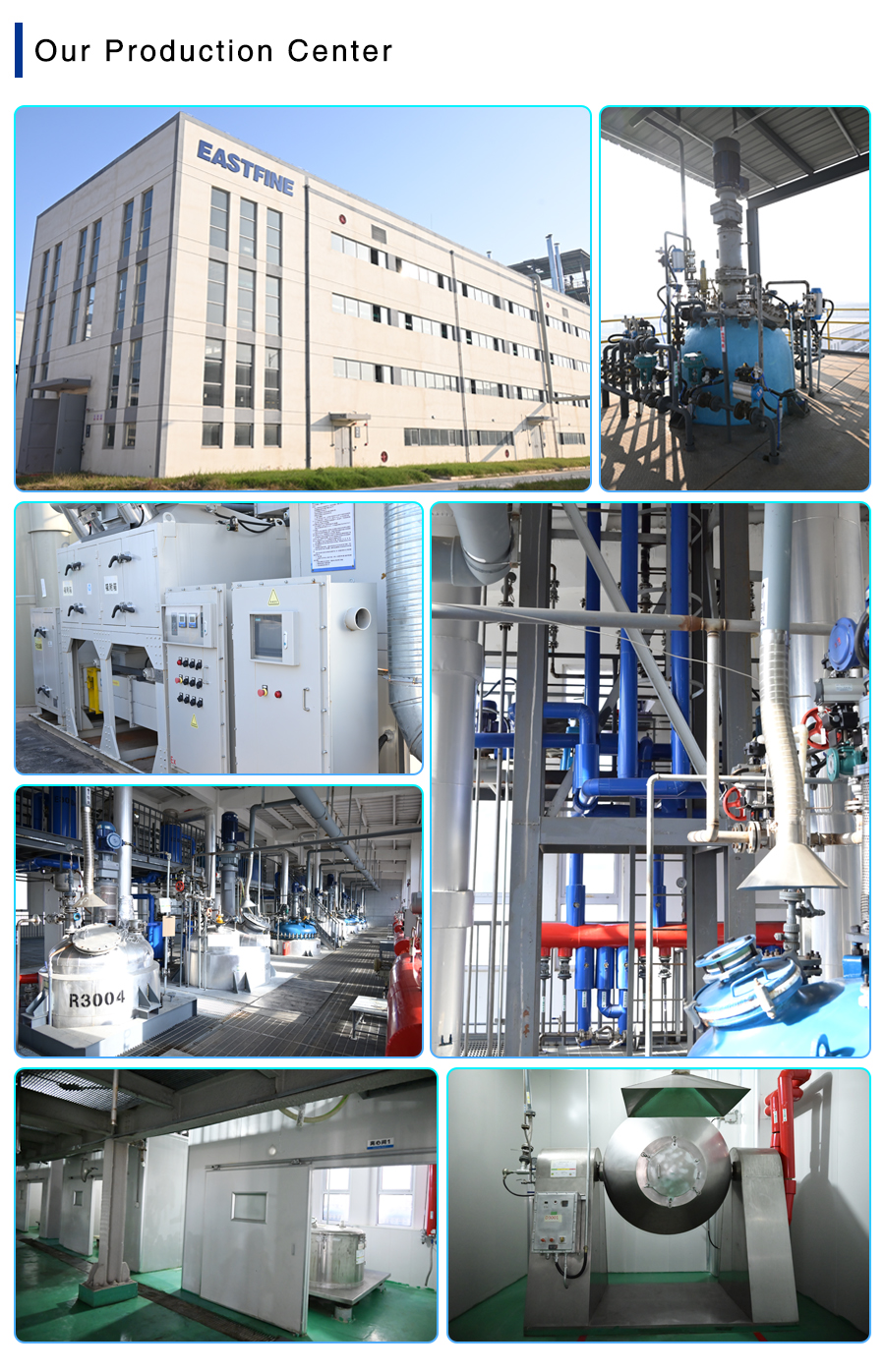
Process Engineering of Low-E-Factor Sequences
Scaling up bulk industrial transformations with CAS No. 114776-15-7 requires precise engineering controls to optimize mass transfer and minimize liquid effluent volumes:
Concentration Optimization and Solvent Recyclability
Operating reactions under highly concentrated conditions is an effective strategy for lowering industrial E-Factors.
Transitioning to Eco-Friendly Polar Aprotic Environments
While traditional processes require vast quantities of restricted solvents, optimized green pipelines employ recyclable polar aprotic solvents like N,N-dimethylacetamide or bio-derived alternatives. These matrices provide high solubility for the crystalline intermediate, enabling excellent reaction concentrations and reducing total solvent procurement costs.
Implementing Closed-Loop Distillation Recovery
EASTFINE’s ultra-pure intermediate contains no volatile side isomers, ensuring that post-reaction solvents can be captured via vacuum distillation and recycled with high efficiency. This closed-loop recovery system keeps the solvent recycling stream clear of cross-contaminants, directly reducing the volume of hazardous liquid waste directed to incineration.
Catalytic Hydrogenation for Waste Minimization
Converting the nitro group at position 5 into an amine handle must be conducted using low-impact catalytic pathways.
Replacing Stoichiometric Reductions with Heterogeneous Noble Metals
Traditional Bechamp reductions utilize stoichiometric iron powder and acid, generating large quantities of hazardous iron oxide sludge that present severe disposal challenges. Modern green engineering replaces this entirely with heterogeneous precious-metal catalysts like palladium on active carbon (Pd/C) under a mild hydrogen gas atmosphere.
Suppression of Hydrodechlorination Loss
A key challenge during catalytic hydrogenation is preventing the unintended cleavage of the ring-bound chlorine atom. Sourcing high-purity CAS No. 114776-15-7 allows engineers to apply minimized catalyst loadings and precise hydrogen pressure ramps, ensuring near-quantitative nitro reduction while preserving the chlorine handle.
Effluent Treatment, Solid Waste Valorization, and EHS Protocols
Managing a sustainable agrochemical production line requires strict operational controls over all waste streams and handling safety:
Advanced Treatment of Halogenated Aqueous Effluents
The aqueous washes generated during the quenching and isolation phases contain dissolved inorganic fluoride and chloride salts. These waste streams are directed to automated on-site treatment systems where the halides are precipitated out as inert minerals, ensuring that the final wastewater stream complies with strict local discharge standards.
High-Efficiency Airborne Dust Control
Due to the biological activity and fine particulate nature of multi-substituted benzoic acids, bulk drum charging must be performed using closed-loop powder-transfer systems or isolated laminar flow booths. These engineering setups prevent airborne dust migration, protecting factory personnel from inhalation risks and eliminating the need for high-volume air-scrubbing systems.
Stabilized Material Storage and Storage Logistics
The intermediate should be stored in cool, dark, well-ventilated warehouses maintained below 25°C. Containers must be constructed from high-grade 316L stainless steel or high-density polyethylene (HDPE) to prevent corrosion from trace acidic leaching, ensuring long-term shelf-life stability and preventing material degradation.
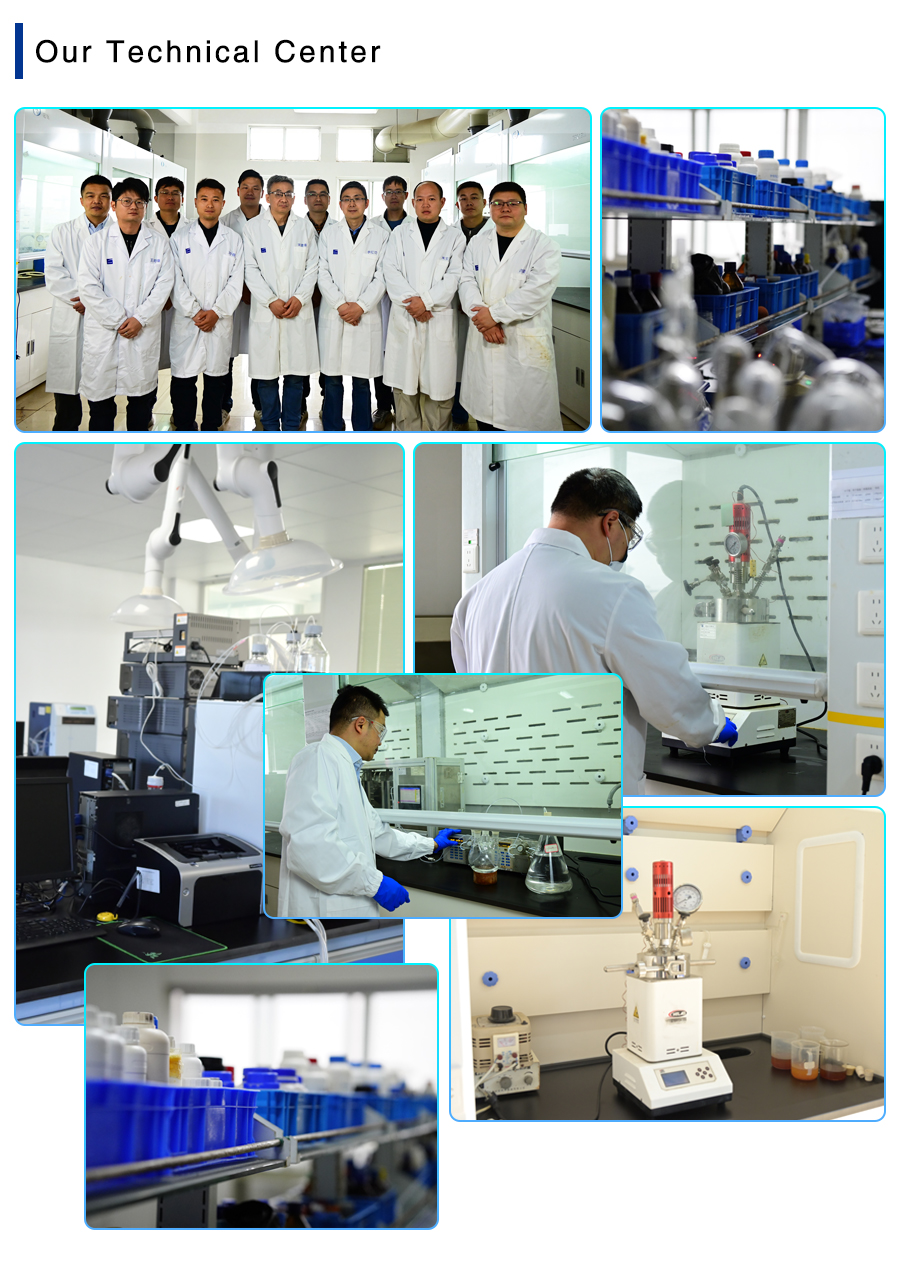
Comprehensive Environmental and Process Performance Metrics
To guide process development teams and procurement managers during raw material evaluation, our quality assurance departments track how intermediate purity directly influences standard green chemistry performance parameters.
| Process Performance Metric | Standard Commercial Grade Intermediate | EASTFINE Ultra-Pure Grade Intermediate | Direct Manufacturing Impact |
| Cumulative Step E-Factor | 35 to 60 kg waste / kg product | 8 to 15 kg waste / kg product | Drastically reduces the volume of hazardous materials requiring specialized environmental disposal. |
| Typical Solvating Volume | High dilution required (12 to 18 vol) | Concentrated processing (5 to 7 vol) | Maximizes batch output capacity per reactor volume and lowers distillation energy bills. |
| Positional Isomer Content | 1.5% to 3.5% unreactive variants | Monitored to <0.2% total isomers | Eliminates the need for waste-heavy crystallization steps to remove unwanted isomers. |
| Catalyst Reuse Potential | Low due to trace metallic poisoning | Extended catalyst lifetime matrices | Lowers overall manufacturing costs by reducing precious-metal catalyst consumption. |
Why Choose EASTFINE? Your Partner for Sustainable Agrochemical Scale-Up
When a high-value crop-protection asset moves from pilot validation into multi-ton commercial production, selecting a technically capable chemical partner is essential. Established in 1995, EASTFINE is a leading global direct manufacturer of premium 2-Chloro-4-fluoro-5-nitrobenzoic acid.
Technical Innovation Led by Doctoral R&D Teams
Our chemical production lines are designed and continuously optimized by an advanced R&D department led by process chemists holding doctoral degrees. This technical leadership has successfully secured 19 invention patents and 8 utility model patents focused on high-selectivity nitration and advanced aromatic crystallization chemistry. By optimizing our core synthesis, we deliver an intermediate that helps downstream partners minimize process variations and maximize environmental efficiency.
Dual-Site Manufacturing and Supply Security (Dalian & Heze)
In today's complex international regulatory landscape, supply chain redundancy is a core requirement for high-value pipelines. EASTFINE operates two fully mirrored, large-scale manufacturing complexes in Dalian and Heze. This dual-site setup guarantees an uninterrupted supply of high-purity intermediates; if one plant undergoes a scheduled environmental or maintenance audit, the sister facility can expand its output to seamlessly fulfill long-term commercial contracts.
Complete Analytical Validation and Traceability Dossiers
Navigating strict international agrochemical registration pathways requires absolute data transparency and robust analytical backing. EASTFINE accompanies every batch of CAS No. 114776-15-7 with a comprehensive analytical dossier, including high-resolution liquid chromatography (HPLC) charts, precise melting point verifications, and detailed moisture measurements. Our rigorous quality control simplifies your raw material validation workflows, providing a clear auditing trail for global regulatory bodies.

Conclusion: Securing Process Efficiency through Environmental Precision
Achieving high active-ingredient output and dependable batch safety during commercial scale-up requires deep control over both chemical kinetics and structural purity. Inconsistent physical properties or trace positional isomer contamination in low-grade 2-Chloro-4-fluoro-5-nitrobenzoic acid (CAS No. 114776-15-7) can cause downstream reaction failures, low active-ingredient yields, and complex regulatory auditing challenges.
Partnering with EASTFINE provides your engineering team with an analytically verified, highly stable intermediate. Backed by thirty years of direct manufacturing authority, advanced proprietary intellectual property, and a highly secure dual-site production model, EASTFINE helps you build exceptionally clean, efficient, and regulatory-secure agrochemical manufacturing processes.


 English
 العربية
 Français
 Русский
 Español
 Português
 Deutsch
 italiano
 日本語
日本語 한국어
한국어 Nederlands
 Tiếng Việt
 ไทย
ไทย Polski
 Türkçe
 አማርኛ
አማርኛ ພາສາລາວ
 Bahasa Melayu
 ဗမာစာ
ဗမာစာ Filipino
 Bahasa Indonesia
 magyar
 Română
 Čeština
 қазақ
қазақ Српски
 हिन्दी
 فارسی
فارسی Kiswahili
 Slovenčina
 Slovenščina
 Norsk
Norsk Svenska
 українська
 Ελληνικά
 Suomi
Suomi עברית
עברית Dansk
Dansk اردو
اردو Shqip
Shqip বাংলা
বাংলা Hrvatski
 Gaeilge
 Eesti keel
 Oʻzbekcha
 latviešu
 Azərbaycan dili
 Български
 ქართული
 íslenska
 Lietuvių


 简体中文
简体中文


