Introduction: The Sustainable Sourcing Paradigm in Advanced Small-Molecule Therapeutics
In the modern pharmaceutical manufacturing ecosystem, the criteria for raw material selection have undergone a profound evolution. Global life science innovators and multinational healthcare brands are no longer aligning their procurement portfolios solely around raw chemical yield, purity thresholds, and unit economics. Today, corporate sustainability benchmarks, carbon intensity metrics, and the environmental footprint of upstream supply networks are major parameters during vendor qualification loops. Under expanding international environmental regulations, active pharmaceutical ingredients (APIs) must be evaluated through comprehensive life-cycle assessments that trace the ecological impact of every precursor molecule.
Within the high-volume production streams of non-steroidal antiandrogens for targeted prostate oncology, these ecological challenges are particularly pronounced. The integration of 4-Amino-2-(trifluoromethyl)benzonitrile (CAS No. 654-70-6) establishes the foundational structural scaffold required for binding affinity. However, traditional industrial routes to this heavily functionalized molecule often rely on mass-intensive aromatic substitutions, significant quantities of volatile halogenated solvents, and high-load precious metal catalysts. These legacy approaches generate high waste-to-product ratios, commonly quantified as high Environmental Factors (E-Factors).
For sustainability directors and pharmaceutical operations managers at major life science organizations, sourcing this crucial intermediate from legacy, un-optimized factories that lack automated solvent loops or efficient catalytic designs creates a substantial corporate liability. High Scope 3 emissions profiles and unmitigated process waste can conflict with corporate net-zero commitments and introduce regulatory risks under strict regional carbon accounting frameworks. Overcoming these vulnerabilities requires partnering with an asset-backed direct manufacturer that builds green chemistry design, high atom economy, and continuous loop recycling systems directly into the industrial design.
At EASTFINE, we lead this green manufacturing transition by optimizing our commercial production lines with sustainable catalytic arrays and high-efficiency material recovery systems, delivering a highly pure intermediate that actively supports your corporate sustainability objectives.
What is 4-Amino-2-(trifluoromethyl)benzonitrile (CAS No. 654-70-6)?
4-Amino-2-(trifluoromethyl)benzonitrile is a highly functionalized aromatic building block configured to deliver specific electronic characteristics and spatial orientation for small-molecule oncology treatments. Defined by the chemical formula C8H5F3N2, the compound features a substituted benzene core binding a primary amine group at position 1, a strongly electron-withdrawing trifluoromethyl segment at position 2, and a polar cyano linkage at position 4.
The physical-chemical properties of premium-grade CAS No. 654-70-6 include a molecular weight of 186.13 g/mol, a sharp melting point range of 141°C to 145°C, and a true density of 1.37 g/cm³. The compound is isolated as a highly stable, off-white to pale crystalline powder.
From a green chemistry engineering standpoint, the principal challenge is to configure the three distinct functional groups across the aromatic core with maximum atom efficiency. Traditional manufacturing paths that introduce these segments via sacrificial leaving groups generate substantial byproduct streams. Minimizing this chemical waste requires designing highly selective catalytic pathways that allow every carbon and nitrogen atom fed into the system to be incorporated into the final molecular matrix, reducing downstream separation loads and lowering overall environmental impact.
Applications of 4-Amino-2-(trifluoromethyl)benzonitrile
The structural precision and validated eco-efficient profile of 4-Amino-2-(trifluoromethyl)benzonitrile makes it a critical component across several key applications in modern sustainable pharmaceutical manufacturing:
Atom-Efficient Amide Coupling for First-Generation Antiandrogens
The primary commercial application for this intermediate is the multi-ton assembly of Bicalutamide. Utilizing an intermediate produced via highly selective catalytic synthesis prevents the carryover of toxic reaction residues into the acylation loop, ensuring clean downstream synthesis with minimal purification waste.
High-Yield Condensations for Advanced Castration-Resistant Therapies
In the commercial manufacturing lines for second-generation oncology blockbusters such as Enzalutamide, the compound provides the essential 4-cyano-3-trifluoromethylphenyl pharmacophore ring. Utilizing an eco-friendly intermediate ensures that this central ring undergoes smooth cyclization into the thiohydantoin core while keeping total process mass intensity at low levels.
Green Standards for Analytical Reference and Sourcing Calibrations
Due to its high solid-state stability and clean physical metrics, premium lots of this compound are used as primary reference standards in sustainability validation workflows. Testing laboratories deploy these verified lots to calibrate green analytical methodologies, including supercritical fluid chromatography systems that drastically reduce testing solvent consumption.
Advantages of Green Chemistry Architecture in Intermediate Sourcing
Sourcing 4-Amino-2-(trifluoromethyl)benzonitrile from an asset-backed direct manufacturer that utilizes advanced green chemistry protocols delivers clear strategic and compliance advantages:
Immediate Mitigation of Scope 3 Pharmaceutical Supply Chain Carbon Footprints
Onboarding a partner that actively minimizes its processing E-Factor and energy consumption allows your organization to log lower greenhouse gas footprints for your raw materials. This integration helps you meet your corporate environmental and sustainability goals.
Complete Elimination of Heavy Metal Cross-Contamination Hazards
Partnering with a manufacturer that utilizes advanced, non-precious metal catalytic alternatives or high-efficiency catalyst immobilization arrays ensures that no trace platinum-group metals carry over into your process. This clean profile removes the need for intensive downstream heavy metal purification steps.
Long-Term Supply Security Against Regional Environmental Regulations
Direct manufacturers who operate fully compliant, low-emission plants with automated solvent recovery networks are exceptionally resilient against sudden regional environmental crackdowns. This compliance guarantees an uninterrupted supply of intermediates for your ongoing commercial drug lines.
Catalytic Optimization & Waste Minimization in Halogenated Aromatics
Fulfilling the quantitative expectations of modern corporate life-cycle assessments requires a deep mastery over reaction kinetics, catalytic turn-over frequencies, and closed-loop solvent recovery technologies.
The Challenge of Massive Mass Intensity and Toxic Byproduct Accumulation:
The traditional industrial synthesis of CAS No. 654-70-6 frequently utilizes high-temperature aromatic halogen substitutions and nitro reductions driven by stoichiometric metal reagents or heavy loads of palladium-based catalysts. These methods generate substantial amounts of metal salts and organic residues that must be separated and incinerated, leading to high E-Factors. Furthermore, the extensive use of un-recovered chlorinated solvents during multi-stage purifications increases volatile organic compound emissions, creating challenges for modern corporate sustainability audits.
The Solution of High-Selectivity Alternative Catalysis and Automated Fluid Recovery:
Addressing these sustainability challenges requires redesigning the core synthetic pathways. By introducing engineered earth-abundant metal catalyst arrays with high turnover frequencies, the amine functionalization can be achieved with exceptional selectivity under mild pressures. This approach is paired with automated, closed-loop fractional distillation systems that recover and reuse processing fluids within the plant, minimizing waste generation and optimizing overall resource efficiency.
By deploying these advanced green chemistry systems, EASTFINE delivers an intermediate that combines outstanding purity with a minimized environmental footprint, supporting sustainable supply chains for the global life science market.
Process Sustainability Infrastructure & Clean Scale-Up Engineering
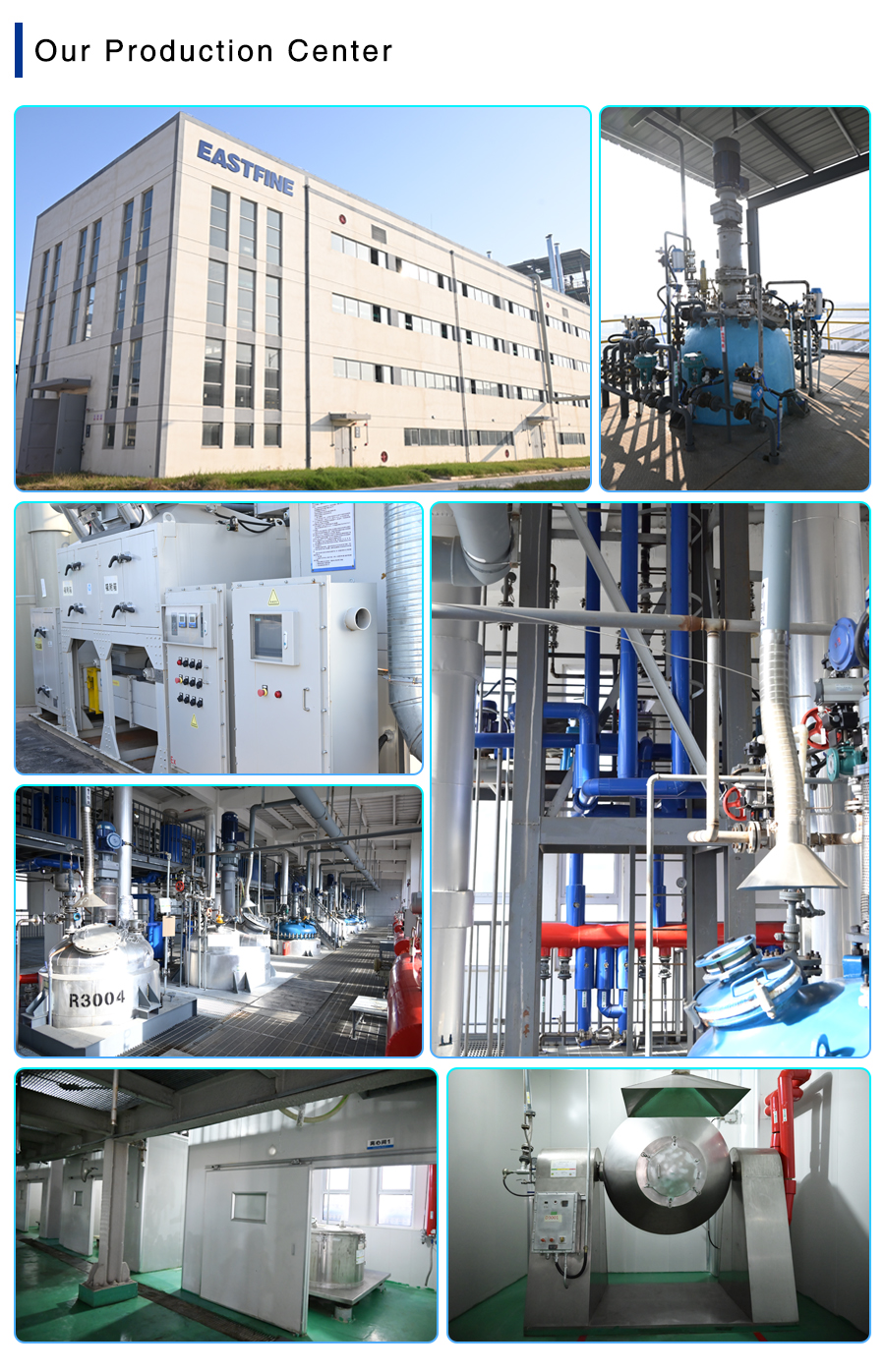
Sustaining multi-ton outputs while minimizing environmental impact requires a highly coordinated engineering configuration that combines advanced green chemistry, automated solvent recycling, and efficient utility systems:
Advanced Catalytic Arrays and High Atom Economy Synthesis
The primary defense against material waste within EASTFINE's manufacturing operations is rooted in our optimized catalytic process design.
High-Performance Non-Precious Metal Catalyst Systems
Our commercial processing lines utilize proprietary, non-precious metal catalytic arrays engineered to drive the reduction of nitro groups with high precision. By substituting traditional palladium or platinum systems with highly active, earth-abundant alternatives, we eliminate heavy metal migration risks and lower the environmental footprint associated with precious metal catalyst manufacturing.
Continuous-Flow Nitrile Functionalization Integration
To maximize atom economy during the cyano group introduction, our plants deploy automated continuous-flow reactor setups. This configuration maintains precise contact times and optimal mixing kinetics, ensuring high conversion efficiency per pass while preventing side-reactions that generate difficult-to-treat organic byproducts.
Closed-Loop Solvent Recovery and Zero-Effluent Infrastructure
Minimizing waste streams requires highly integrated, on-site solvent recovery and automated fluid recycling networks.
Automated On-Line Fractional Distillation and Fluid Stripping
All process mother liquors and crystallization fluids are automatically routed to our on-site fractional distillation columns. Operating under optimized vacuum profiles, these systems continuously separate and purify volatile processing fluids, maintaining a high solvent recovery index that returns clean fluids back to the reactors while minimizing raw solvent usage.
High-Efficiency Thermal Oxidizers and Energy Integration Networks
Any trace non-recyclable volatile streams are directed to high-efficiency thermal oxidizers that break down organic compounds into basic non-toxic elements. The heat energy generated by this destruction process is captured via heat exchangers and redirected to power the facility's drying and distillation infrastructure, significantly lowering overall factory energy consumption.
Post-Production Logistics: High-Density Consolidation, Recyclable Packagings, and Low-Emission Distribution
Following automated purification and comprehensive green chemistry validation, the bulk intermediate is handled under secure post-processing protocols to maintain material integrity while minimizing logistics-related environmental impacts:
Low-Temperature Vacuum Conduction Drying and Particle Stabilization
The isolated crystalline cake from the purification loop is dried inside closed-circuit vacuum conduction dryers operating under deep vacuum conditions. This low-temperature drying rapidly removes residual volatile organic processing fluids, eliminating the risk of flammable vapor accumulation inside final product containers.
High-Density Recyclable Shipping Volumes with Eco-Friendly Liners
To minimize packaging waste across long-distance maritime shipping routes, the crystalline intermediate is packed into heavy-duty, high-density fiber drums fabricated from fully renewable paperboard stocks. The inner product containers use advanced, fully recyclable multi-layer vapor barriers that protect material stability while simplifying your facility's packaging disposal workflows.
Strategic Logistics Hub Consolidation and Eco-Certified Freight Networks
Finished intermediate lots are distributed through strategic logistics hubs situated near major international maritime shipping lanes. This optimal positioning allows for rapid container consolidation and quick dispatch via eco-certified freight partners, shortening transit lead times while helping you achieve lower transport emissions across your global supply chain.
Comprehensive Green Chemistry and Environmental Sustainability Matrix
To support global sustainability directors, green chemistry leads, and procurement managers during deep technical reviews and life-cycle assessments, our divisions maintain a standardized environmental profile for our intermediate.
| Environmental Metric | Standard Commodity Sourcing | EASTFINE Eco-Efficient Sourcing Platform | Direct Downstream Pharmaceutical Pipeline Impact |
| Environmental Factor (E-Factor) | High waste generation ratios (≥ 25) | Restricted waste parameters (≤ 5) | Drastically lowers Scope 3 carbon footprints for final API formulations. |
| Solvent Recovery Index | Low or manual processing (≤ 40%) | Advanced automated recycling (≥ 92%) | Minimizes volatile organic waste and protects against solvent spikes. |
| Catalyst Core Metallurgy | High-load precious metal dependencies | Non-precious metal alternative arrays | Eliminates trace heavy metal migration risks in target drugs. |
| Life-Cycle Assessment Backing | Non-existent or unmeasured tracking | Complete carbon and mass footprint logs | Simplifies corporate ESG reporting and accelerates product audits. |
Why Choose EASTFINE? Your Partner for Secure Commercial Scale-Up
When an advanced oncology molecule transitions from initial laboratory development into multi-ton commercial production, selecting a technically capable and logistically secure chemical partner is essential. Established in 1995, EASTFINE is a leading global direct manufacturer of premium 4-Amino-2-(trifluoromethyl)benzonitrile.
Technical Innovation Anchored by Doctoral R&D Teams
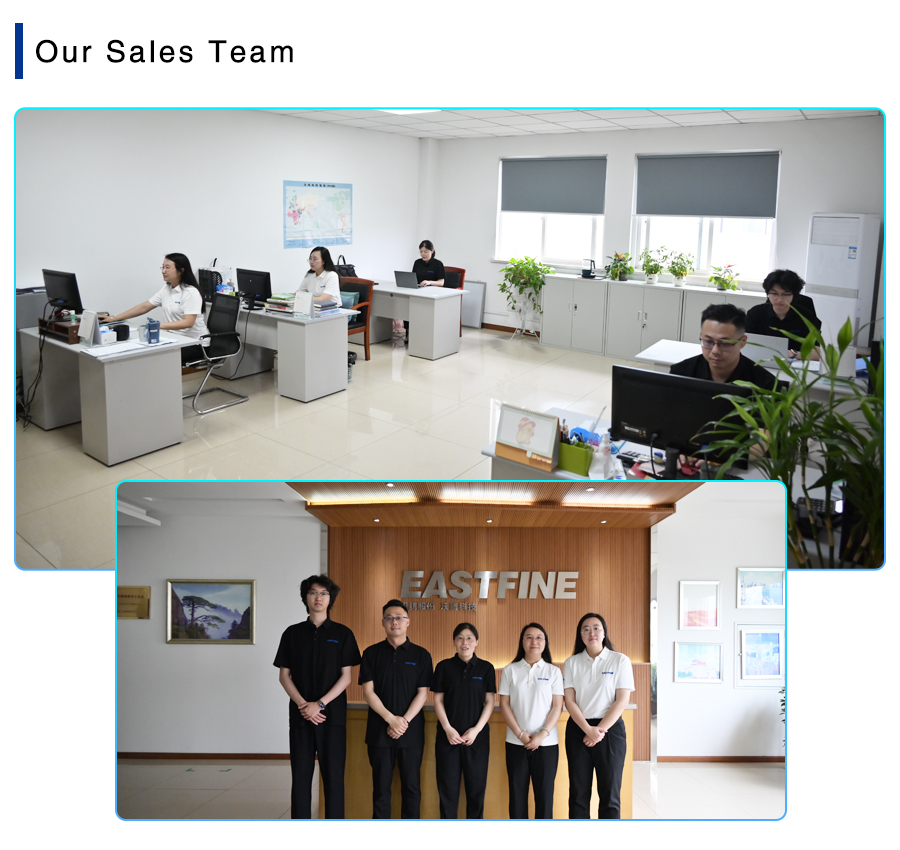
Our chemical manufacturing lines and high-precision analytical protocols are designed and continuously optimized by a corporate R&D department led by process chemists holding doctoral degrees. This technical leadership has successfully secured 19 invention patents and 8 utility model patents focused on high-selectivity synthesis, smart inline monitoring integration, and advanced purification chemistry. By optimizing our core processing, we deliver an intermediate that helps downstream partners minimize analytical variations and maximize manufacturing efficiency.
Dual-Site Production Redundancy and Supply Security (Dalian & Heze)
In today's complex international regulatory and environmental landscape, supply chain redundancy is an absolute requirement for long-term planning. EASTFINE operates two fully mirrored, large-scale manufacturing complexes in Dalian and Heze. This dual-site setup guarantees an uninterrupted supply of high-purity intermediates; if one plant undergoes a scheduled environmental audit or local maintenance cycle, the sister facility can expand its output to seamlessly fulfill long-term commercial contracts.
Complete Analytical Validation and Traceability Dossiers
Navigating strict international registration pathways requires absolute data transparency and robust analytical backing. EASTFINE accompanies every batch of CAS No. 654-70-6 with a comprehensive analytical package, including high-resolution liquid chromatography (HPLC) charts, precise melting point verifications, and detailed moisture measurements. Our rigorous quality control simplifies your raw material validation workflows, providing a clear auditing trail for global regulatory bodies.
Conclusion: Securing Manufacturing Authority through Advanced Green Chemistry
Achieving high active-ingredient output and dependable batch safety during commercial scale-up requires complete authority over both reaction kinetics and environmental sustainability parameters. Relying on high-waste processes, unrecovered solvent loops, or high-emission manufacturing practices when handling 4-Amino-2-(trifluoromethyl)benzonitrile (CAS No. 654-70-6) can cause severe supply chain vulnerabilities, regulatory compliance delays, and elevated Scope 3 carbon exposures.
Partnering with EASTFINE provides your R&D, operations, and corporate sustainability management teams with an eco-efficient, fully characterized intermediate supply line. Backed by thirty years of direct manufacturing authority, advanced proprietary intellectual property, and a highly secure dual-site production model, EASTFINE helps you build exceptionally clean, efficient, and regulatory-secure pharmaceutical manufacturing processes.


 English
 العربية
 Français
 Русский
 Español
 Português
 Deutsch
 italiano
 日本語
日本語 한국어
한국어 Nederlands
 Tiếng Việt
 ไทย
ไทย Polski
 Türkçe
 አማርኛ
አማርኛ ພາສາລາວ
 Bahasa Melayu
 ဗမာစာ
ဗမာစာ Filipino
 Bahasa Indonesia
 magyar
 Română
 Čeština
 қазақ
қазақ Српски
 हिन्दी
 فارسی
فارسی Kiswahili
 Slovenčina
 Slovenščina
 Norsk
Norsk Svenska
 українська
 Ελληνικά
 Suomi
Suomi עברית
עברית Dansk
Dansk اردو
اردو Shqip
Shqip বাংলা
বাংলা Hrvatski
 Gaeilge
 Eesti keel
 Oʻzbekcha
 latviešu
 Azərbaycan dili
 Български
 ქართული
 íslenska
 Lietuvių


 简体中文
简体中文


