Introduction: The Industrial Mandate for Absolute Thermochemical Safety in Advanced Intermediate Production
In the modern high-volume chemical manufacturing framework, transitioning an advanced oncology building block from laboratory-scale validation to multi-ton commercial production requires a deep, quantitative mastery over chemical reaction hazards. Modern cGMP facilities and international pharmaceutical consortia operate under strict regulatory safety mandates that treat process safety management (PSM) as a primary pillar of vendor qualification. A chemical process that exhibits unmanaged thermal exotherms, unpredictable gas evolution rates, or unstable decomposition profiles presents an immediate risk to supply chain security and personnel safety.
Within the synthetic architecture used to assemble non-steroidal antiandrogen targeted therapies, process intensification introduces unique thermal hazards. The core building block, 4-Amino-2-(trifluoromethyl)benzonitrile (CAS No. 654-70-6), contains high-energy functional groups located on a single aromatic ring. The presence of the highly dense trifluoromethyl segment directly adjacent to a polarized cyano group can alter the thermal stability profiles of upstream reaction masses, generating localized hot-spots, high gas evolution pressures, or self-accelerating thermal runaway reactions if process parameters deviate.
For process engineering directors and global procurement managers at major life science organizations, sourcing this crucial intermediate from legacy, asset-light facilities that lack automated calorimetry screening represents a critical operational vulnerability. A single thermal runaway incident or an unexpected emergency relief valve release at an unoptimized factory can immediately halt production, trigger severe regulatory penalties, and compromise active clinical trials or commercial product launches downstream. Mitigating these operational hazards demands partnering with a sophisticated direct manufacturer that builds quantitative thermochemical profiling, continuous-flow process controls, and multi-tier hazard mitigation loops directly into the plant layout.
At EASTFINE, we address these severe process vulnerabilities by combining rigorous reaction calorimetry screening with automated multi-stage safety controls, ensuring an exceptionally secure, stable, and highly predictable supply of premium-grade intermediates to the global pharmaceutical sector.
What is 4-Amino-2-(trifluoromethyl)benzonitrile (CAS No. 654-70-6)?
4-Amino-2-(trifluoromethyl)benzonitrile is a highly functionalized benzonitrile derivative designed to establish precise spatial orientation and high binding affinity within the hormone-binding domain of human androgen receptors. Defined by the chemical structure C8H5F3N2, the compound features a substituted benzene ring that binds a primary amine group at position 1, a strongly electron-withdrawing trifluoromethyl segment at position 2, and a polar cyano linkage at position 4.
The dense concentration of multiple electronic modifiers across a single aromatic core creates unique physical and chemical characteristics. Premium-grade CAS No. 654-70-6 is isolated as a stable, off-white to pale crystalline powder with a molecular weight of 186.13 g/mol, a true density of 1.37 g/cm³, and a sharp melting point range of 141°C to 145°C.
From a process safety engineering standpoint, managing the industrial chemistry of this molecule requires a thorough evaluation of its solid-state and liquid-phase thermal footprints. The convergence of the cyano group and the trifluoromethyl core creates a rigid structural framework; however, during large-scale synthesis, the chemical energy stored within intermediate precursors must be managed through precise thermodynamic cooling configurations to prevent the onset of uncontrolled thermal decomposition.
Applications of 4-Amino-2-(trifluoromethyl)benzonitrile
The structural precision and validated thermal stability profile of 4-Amino-2-(trifluoromethyl)benzonitrile makes it an essential raw material across several critical applications in commercial pharmaceutical manufacturing:
Safe, Scale-Up Amide Couplings for First-Generation Antiandrogens
The primary commercial application for this intermediate is the high-yield synthesis of Bicalutamide. Utilizing a structurally stable, thoroughly profiled raw material prevents the accumulation of unreacted aromatic residues in large-scale acylation loops, mitigating the risk of delayed exotherms during downstream batch processing.
High-Throughput Condensations for Advanced Castration-Resistant APIs
In the multi-stage synthesis lines for second-generation oncology blockbusters like Enzalutamide, the compound delivers a pure 4-cyano-3-trifluoromethylphenyl pharmacophore ring. This pure ring allows for clean, predictable thiohydantoin ring cyclization without generating high-pressure gas side-products or thermal runaway hazards.
Thermal and Physical Calibration Standards for Analytical Arrays
Due to its robust solid-state chemistry and clear melting profile, high-purity lots of this compound are used as stable standards in thermal analysis laboratories. Process safety groups utilize this material to calibrate high-pressure Differential Scanning Calorimetry (DSC) systems and Thermal Gravimetric Analyzers (TGA) across global validation networks.
Advantages of Process Safety Engineering in Intermediate Sourcing
Sourcing 4-Amino-2-(trifluoromethyl)benzonitrile from an asset-backed direct manufacturer that implements rigorous process safety engineering provides key operational and commercial advantages:
Elimination of Supply Disruptions Caused by Industrial Safety Shutdowns
Partnering with a supplier that utilizes automated reaction calorimetry and operates under strict process hazard analysis (PHA) protocols minimizes the risk of plant accidents. This technical security protects your raw material supply from sudden, emergency enforcement stoppages.
Complete Thermal Profiles for Seamless Technology Transfer Files
Sourcing an intermediate that is backed by comprehensive thermochemical data—including reaction enthalpies (DeltaH), adiabatic temperature rise calculations (DeltaTad), and gas evolution rates—simplifies your internal engineering validations, ensuring safe handling in your downstream production facilities.
Lower Initial Volatile Accumulation and Stable Long-Term Bulk Storage
Direct manufacturers who deploy low-temperature vacuum conditioning and inline continuous fluid separation produce a highly stable crystalline matrix with zero trapped gas pockets or active organic residues. This stability guarantees a safe shelf life, avoiding pressure build-up or decomposition risks in your storage warehouses.
High-Pressure Hydrogenation and Exotherm Dynamics of Fluorinated Benzonitriles
Fulfilling modern chemical safety standards across multi-ton production campaigns requires a deep, quantitative understanding of reaction enthalpies, nucleation kinetics, and pressure-relief configurations.
The Hazard of Multi-Phase Exotherms and Delayed Thermal Runaway:
The industrial synthesis of CAS No. 654-70-6 typically involves the catalytic reduction of a nitrobenzene intermediate to build the primary amine group. This multi-phase hydrogenation is highly exothermic, releasing substantial amounts of heat per mole of reactant. If the hydrogen gas feed or agitation rates are not properly balanced with the cooling capacity of the reactor, the process can exceed safe operating boundaries. This overheating can trigger a secondary, highly dangerous runaway reaction marked by the hydrolysis of the cyano group, rapid pressure spikes, and massive gas generation that can easily overwhelm standard emergency vent systems.
The Solution of Automated Calorimetry and Advanced Emergency Vent Sizing:
Overcoming these hazardous scale-up limitations requires a multi-tier safety architecture. Every processing step must be characterized using automated reaction colorimeters to determine the exact Maximum Rate of Heat Generation (qmax) and the Time to Maximum Rate under adiabatic conditions (TMRad). These quantitative profiles are used to optimize automated cooling loops and design high-capacity emergency relief vents based on Design Institute for Emergency Relief Systems (DIERS) standards, completely isolating chemical energy loops from the surrounding plant environment.
By implementing these advanced thermochemical controls, EASTFINE delivers a product that combines world-class purity with exceptional process safety, protecting the continuity of global oncology manufacturing networks.
Process Safety Infrastructure & Automated Scale-Up Engineering
Sustaining multi-ton outputs while maintaining total process safety control requires a unified engineering configuration that combines automated reaction monitoring, continuous separation loops, and multi-tier backup systems:
Advanced Reaction Calorimetry and Real-Time Hazard Mitigation
The primary defense against process thermal hazards across EASTFINE's production lines is rooted in our real-time analytical control architecture.
Continuous Inline Heat-Flow Calorimetry Monitoring
Our commercial synthesis loops are integrated with automated inline heat-flow colorimeters that continuously measure the heat transfer coefficient of the reaction fluid. If the heat release profile deviates from the calibrated baseline by even a minor fraction, the plant's control system automatically adjusts the precursor feed rates and ramps up chilled utility loops to keep the thermal profile securely within safe operating parameters.
Automated Emergency Quench and Interlocking Valve Systems
To manage extreme process upsets, our hydrogenation and functionalization reactors are fitted with automated safety interlocks. If internal temperatures cross a critical threshold, high-speed valves actuate to immediately flood the reaction core with an inert, compatible quenching fluid, instantly halting chemical kinetics and protecting the integrity of the manufacturing plant.
Advanced High-Pressure Engineering and Effluent Containment Networks
Managing high-pressure catalytic transformations requires a robust, heavy-duty plant design capable of containing volatile process dynamics.
High-Pressure Hastelloy Reactor Assemblies with Blast-Wall Isolations
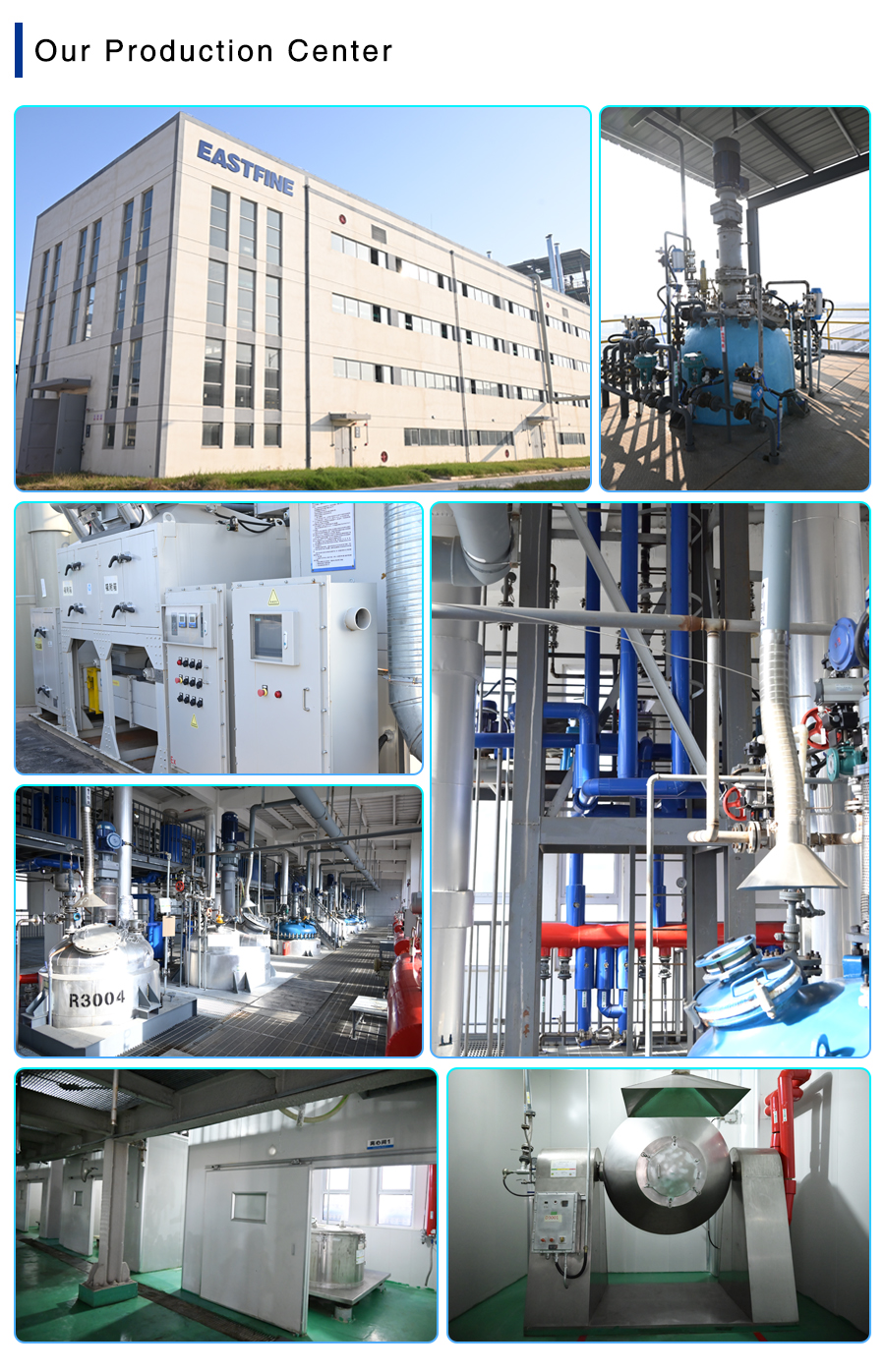
All advanced hydrogenation and cyano-functionalization stages are executed inside heavy-walled Hastelloy alloy reactors engineered to withstand exceptional pressure envelopes. These high-integrity reactor arrays are housed within dedicated, reinforced concrete blast-containment cells managed by remote, automated control systems to ensure total isolation from processing staff.
Dual-Stage Condenser Arrays and Closed-Loop Vent Scrubbers
Emergency relief lines and process vents are channeled directly into dual-stage, high-capacity condenser banks that operate at sub-zero temperatures to instantly liquefy volatile organic vapors. Any remaining non-condensable process gases are routed through automated gas-scrubbing columns to ensure zero toxic or flammable emissions escape into the atmosphere.
Post-Production Safety Logistics: Sealed Stabilization, Explosion-Proof Packaging, and Monitored Transport
Following automated purification and comprehensive thermochemical safety validation, the bulk intermediate is handled under secure post-processing protocols to maintain long-term stability and eliminate transit hazards:
Low-Temperature Vacuum Drying and Volatile Organic VOC Removal
The wet crystalline cake isolated from the purification loop is dried inside closed-circuit vacuum conduction dryers operating under deep vacuum conditions. This low-temperature drying rapidly removes residual volatile organic processing fluids, eliminating the risk of flammable vapor accumulation inside final product containers.
Anti-Static Protective Packaging with Conductive Multi-Layer Liners
To eliminate the hazard of electrostatic discharge (ESD) during dry material handling and powder pouring, the crystalline intermediate is housed in heavy-duty commercial fiber drums equipped with conductive inner vapor barriers. These multi-layer liners dissipate static charges to ground, ensuring safe, hassle-free material addition at your compounding facility.
Continuous Climate-Controlled Warehousing and Real-Time Environmental Logging
Finished intermediate lots are stored in specialized, explosion-proof warehouses fitted with automated temperature, humidity, and volatile gas monitoring arrays. Every storage bay is linked to our centralized control network, providing real-time data tracking and complete environmental history to back up your corporate quality and safety compliance audits.
Comprehensive Process Safety and Thermochemical Performance Matrix
To support process safety directors, plant engineering heads, and EHS auditing managers during deep technical reviews and vendor safety qualifications, our engineering divisions maintain a standardized thermochemical profile for our intermediate.
| Process Safety Sourcing Metric | Standard Commodity Sourcing | EASTFINE Advanced Safety Sourcing | Direct Downstream Pharmaceutical Pipeline Impact |
| Reaction Calorimetry Verification | Non-existent or un-quantified | Fully mapped via RC1/DSC arrays | Prevents unexpected thermal runs and stabilizes batch reproducibility. |
| Adiabatic Runaway Boundary (TMRad) | Unmeasured processing hazard | Guaranteed parameters (>24 hours) | Provides ample response windows for plant safety control systems. |
| Residual Volatile Vapor Level | High or variable (≥ 0.50%) | Ultra-low containment (≤ 0.15%) | Eliminates static ignition risks and flammable vapor buildup during transport. |
| Emergency Plant Infrastructure | Basic manual relief setup | Automated interlocks and DIERS vents | Guarantees uninterrupted supply by preventing facility accidents. |
Why Choose EASTFINE? Your Partner for Secure Commercial Scale-Up
When an advanced oncology molecule transitions from initial laboratory development into multi-ton commercial production, selecting a technically capable and logistically secure chemical partner is essential. Established in 1995, EASTFINE is a leading global direct manufacturer of premium 4-Amino-2-(trifluoromethyl)benzonitrile.
Technical Innovation Anchored by Doctoral R&D Teams
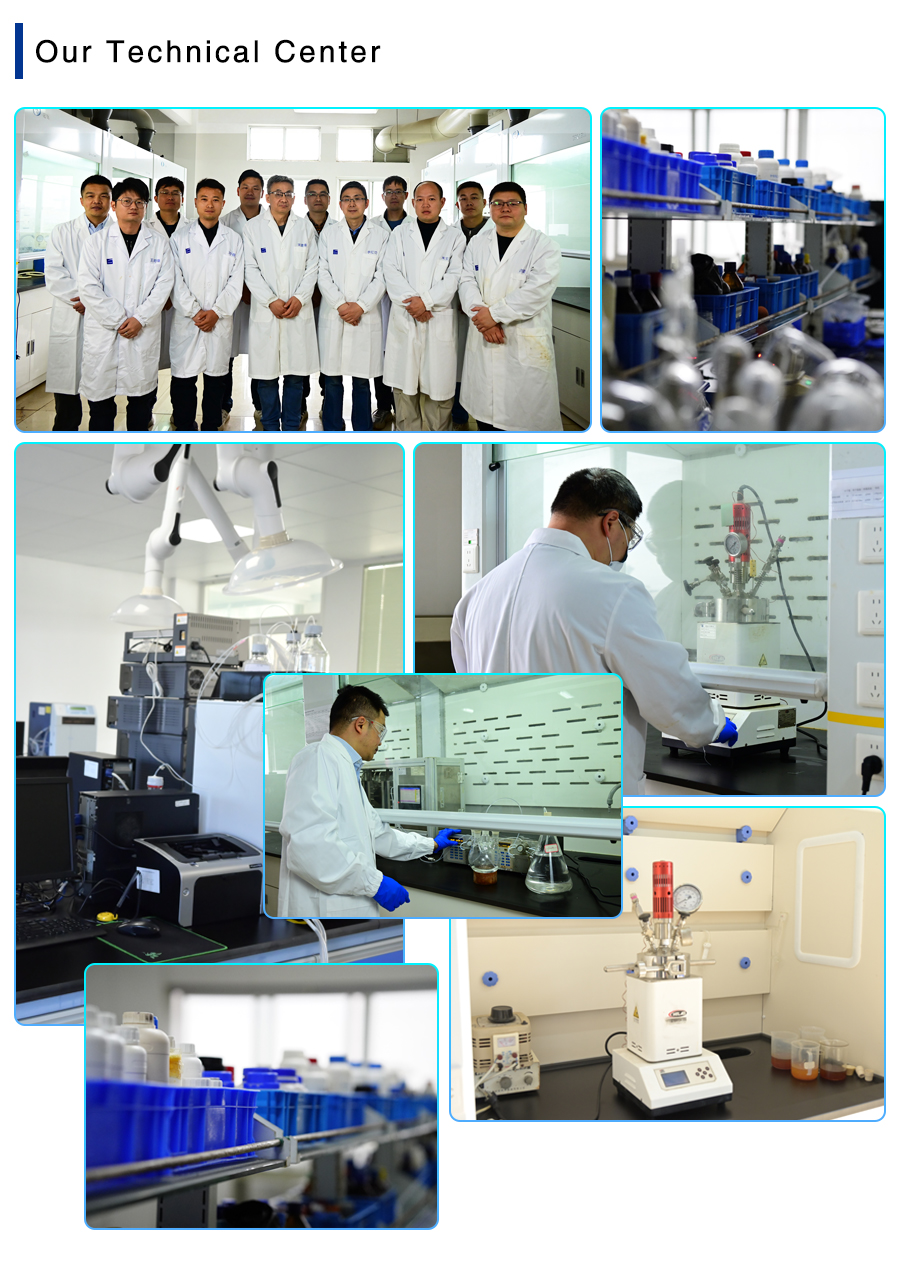
Our chemical manufacturing lines and high-precision analytical protocols are designed and continuously optimized by a corporate R&D department led by process chemists holding doctoral degrees. This technical leadership has successfully secured 19 invention patents and 8 utility model patents focused on high-selectivity synthesis, smart inline monitoring integration, and advanced purification chemistry. By optimizing our core processing, we deliver an intermediate that helps downstream partners minimize analytical variations and maximize manufacturing efficiency.
Dual-Site Production Redundancy and Supply Security (Dalian & Heze)
In today's complex international regulatory and environmental landscape, supply chain redundancy is an absolute requirement for long-term planning. EASTFINE operates two fully mirrored, large-scale manufacturing complexes in Dalian and Heze. This dual-site setup guarantees an uninterrupted supply of high-purity intermediates; if one plant undergoes a scheduled environmental audit or local maintenance cycle, the sister facility can expand its output to seamlessly fulfill long-term commercial contracts.
Complete Analytical Validation and Traceability Dossiers
Navigating strict international registration pathways requires absolute data transparency and robust analytical backing. EASTFINE accompanies every batch of CAS No. 654-70-6 with a comprehensive analytical package, including high-resolution liquid chromatography (HPLC) charts, precise melting point verifications, and detailed moisture measurements. Our rigorous quality control simplifies your raw material validation workflows, providing a clear auditing trail for global regulatory bodies.
Conclusion: Securing Manufacturing Authority through Advanced Thermochemical Control
Achieving high active-ingredient output and dependable batch safety during commercial scale-up requires complete authority over both reaction kinetics and plant process safety parameters. Unmonitored thermal exotherms, un-quantified gas evolution dynamics, or an absence of high-pressure safety engineering when handling 4-Amino-2-(trifluoromethyl)benzonitrile (CAS No. 654-70-6) can cause catastrophic runaway reactions, regulatory enforcement shutdowns, and severe supply chain disruptions.
Partnering with EASTFINE provides your engineering, production, and corporate EHS management teams with a thermally verified, fully characterized intermediate supply. Backed by thirty years of direct manufacturing authority, advanced proprietary intellectual property, and a highly secure dual-site production model, EASTFINE helps you build exceptionally clean, efficient, and regulatory-secure pharmaceutical manufacturing processes.


 English
 العربية
 Français
 Русский
 Español
 Português
 Deutsch
 italiano
 日本語
日本語 한국어
한국어 Nederlands
 Tiếng Việt
 ไทย
ไทย Polski
 Türkçe
 አማርኛ
አማርኛ ພາສາລາວ
 Bahasa Melayu
 ဗမာစာ
ဗမာစာ Filipino
 Bahasa Indonesia
 magyar
 Română
 Čeština
 қазақ
қазақ Српски
 हिन्दी
 فارسی
فارسی Kiswahili
 Slovenčina
 Slovenščina
 Norsk
Norsk Svenska
 українська
 Ελληνικά
 Suomi
Suomi עברית
עברית Dansk
Dansk اردو
اردو Shqip
Shqip বাংলা
বাংলা Hrvatski
 Gaeilge
 Eesti keel
 Oʻzbekcha
 latviešu
 Azərbaycan dili
 Български
 ქართული
 íslenska
 Lietuvių


 简体中文
简体中文


