Introduction: The Critical Role of Molecular Packing in Manufacturing Reliability
In the industrial scale-up of advanced crop protection assets, a compound's solid-state crystal structure influences its processing behavior as much as its chemical molecular formula. A single organic molecule can organize itself into multiple distinct crystalline arrangements—a phenomenon known as polymorphism. While these polymorphs possess identical chemical identities, their physical properties, including thermodynamic stability, solubility rates, mechanical hardness, and melting thresholds, can differ substantially based on their spatial orientation.
For formulation scientists and process engineers scaling up premium fluorinated herbicides, managing the polymorphic isolation of 2-Chloro-4-fluoro-5-nitrobenzoic acid (CAS No. 114776-15-7) is a vital quality priority. This dense aromatic building block features a highly polar and unsymmetrical arrangement of modifiers, combining a carboxylic acid, a chlorine atom, a fluorine atom, and a nitro group on a single ring.
This specific electronic configuration generates strong intermolecular forces, including intricate halogen bonding networks and carboxylic acid dimer formations, that can yield different solid-state structures under varying processing temperatures.
If these crystalline phases are not carefully controlled during commercial crystallization, an intermediate batch can contain a mixture of metastable and thermodynamically stable forms. This structural variation can cause unexpected transformations during downstream formulation, leading to product caking in liquid suspension concentrates, changes in dissolution profiles, or processing blockages in wet milling systems.
At EASTFINE, we eliminate these crystallographic risks by utilizing automated process analytical technology to lock the intermediate into a single, highly stable crystalline phase, ensuring predictable performance throughout your downstream operations.
What is 2-Chloro-4-fluoro-5-nitrobenzoic acid (CAS No. 114776-15-7)?
2-Chloro-4-fluoro-5-nitrobenzoic acid is a highly functionalized aromatic intermediate engineered to provide precise spatial arrangements and reactive sites for crop protection chemistry. The molecule is defined by the chemical formula C7H3ClFNO4, locking four highly electronegative and reactive handles onto a benzene core.
The carboxylic acid group at position 1 acts as the primary linking site for esterification, amidation, or downstream heterocyclic ring closures. The chlorine atom at position 2 introduces specific steric constraints, while the fluorine atom at position 4 and the nitro group at position 5 function as powerful electron-withdrawing groups. This specific combination heavily activates the aromatic system, making it highly responsive to rapid, regioselective nucleophilic aromatic substitution (SNAr) reactions during active ingredient synthesis.
From a physical and crystallographic standpoint, premium-grade CAS No. 114776-15-7 presents as a stable, off-white crystalline solid with a sharp melting point range of 156°C to 158°C and a true density of 1.68 g/cm³. Maintaining this precise physical signature is crucial; any alteration in the underlying unit cell volume or the crystal habit immediately indicates a shift in the solid-state phase, which can compromise processing safety and downstream formulation stability.
Applications of 2-Chloro-4-fluoro-5-nitrobenzoic acid
The unique electronic distribution of 2-Chloro-4-fluoro-5-nitrobenzoic acid makes it a vital commercial intermediate across several prominent sectors of modern sustainable crop protection:
Production of High-Efficiency PPO Herbicides
The main commercial application for this intermediate is the synthesis of premium protoporphyrinogen oxidase (PPO) inhibiting herbicides. These advanced formulations target weed species with exceptional precision, allowing farmers to apply lower quantities of active chemicals per hectare while maintaining optimal crop protection.
Synthesis of Fluorine-Containing Uracil Core Herbicides
In the commercial manufacturing of advanced uracil-class herbicides, the 2,4,5-trisubstituted benzoyl architecture derived from this intermediate is integrated directly into the core heterocycle. This configuration provides excellent systemic stability, allowing the active crop-protection asset to resist rapid degradation in agricultural soils and ensuring long-lasting weed control.
Construction of Specialized Chemical Crop Safeners
Derivatives of this intermediate are also utilized to manufacture selective chemical safeners that alter plant enzyme expressions. These molecules temporarily upregulate metabolic detoxification pathways within cash crops, preserving plant health and maximizing final agricultural yields under varying field conditions.
Advantages of Polymorphic Control in Product Sourcing
Establishing complete control over the solid-state crystallography of CAS No. 114776-15-7 delivers definitive commercial and operational advantages to global agrochemical brands:
Prevention of Caking and Sedimentation in Suspension Concentrates
Isolating a single thermodynamically stable polymorph prevents solvent-mediated phase transformations during shelf storage. This structural stability eliminates the risk of Ostwald ripening and crystal growth, preventing liquid suspensions from separating or turning into unpumpable sediments.
Consistent Mechanical Behavior during Industrial Milling
A uniform crystalline phase guarantees predictable mechanical properties, such as crystal cleavage and hardness, during dry jet milling or wet bead milling. This predictability prevents mill fouling, reduces energy consumption, and ensures a uniform particle size distribution across high-volume processing runs.
Predictable and Fast Dissolution Rates in Synthesis Chemical Loops
Because different polymorphs exhibit different free energies, a pure, single-phase crystal structure delivers highly reproducible dissolution kinetics in reaction solvents. This consistency allows chemical engineers to optimize cycle times and eliminate variations in downstream synthesis steps.
Solid-State Chemistry & Phase Dynamics of Multi-Substituted Aromatics
Controlling the crystal lattice structure of a multi-substituted aromatic acid requires deep control over molecular packing forces, thermal profiles, and nucleation pathways.
The Risk of Metastable Phase Transitions:
During rapid crystallization or sudden cooling cycles, the molecules of CAS No. 114776-15-7 can become trapped in a metastable polymorphic state. While this form may appear stable at room temperature, exposure to mechanical shear, moisture, or organic solvents during downstream processing can trigger a transition toward the stable form, causing unexpected heat release and slurry solidification.
The Solution of Controlled Nucleation Chemistry:
Overcoming these phase transitions involves using precision cooling profiles and targeted crystal seeding techniques. Introducing highly pure seeds of the desired stable polymorph guides the molecular assembly process, ensuring the entire batch transitions cleanly into the preferred crystal shape without forming unwanted amorphous or unstable phases.
By utilizing these advanced crystallographic controls, EASTFINE delivers an intermediate with long-term solid-state stability, fully preserving the processability of the material throughout your production chain.
Process Engineering & Crystallographic Characterization of Solid-State Phases
Achieving complete polymorphic control and high material consistency on an industrial scale requires a coordinated approach that integrates process analytical technology, thermal analysis, and diffraction mapping:
Advanced Crystallization Process Control and Seeding Dynamics
The primary advancement in modernizing the isolation of CAS No. 114776-15-7 involves transitioning to automated, supersaturation-controlled cooling crystallization systems.
Precision Cooling and Anti-Solvent Tuning
The intermediate is dissolved in an optimized organic solvent matrix at elevated temperatures. The crystallization system lowers the temperature along a non-linear thermodynamic curve while managing the addition of a selective anti-solvent, maintaining a precise supersaturation level that avoids spontaneous, unmanaged nucleation.
Automated Polymorphic Crystal Seeding Protocols
As the solution enters the metastable zone, a micronized suspension of the thermodynamically stable polymorph is injected into the reactor. These seed crystals function as structural templates, causing the solute to deposit directly onto the verified crystal lattice and preventing the formation of alternative, unwanted polymorphic structures.
State-of-the-Art Analytical Characterization Matrices
Verifying the polymorphic purity of every outbound commercial batch involves utilizing advanced solid-state characterization tools.
High-Resolution X-ray Powder Diffraction (XRPD) Testing
Every manufactured batch undergoes automated $\text{XRPD}$ scanning to map its distinct crystalline fingerprint. Quality control technicians compare the resulting diffraction peaks against established reference standards to confirm the complete absence of metastable peaks, ensuring full polymorphic purity before packaging.
Differential Scanning Calorimetry (DSC) Thermal Analysis
To validate phase stability, samples are evaluated using high-precision $\text{DSC}$ systems over an extended thermal window. The thermal scan records the exact onset of melting and confirms the complete absence of exothermic or endothermic peaks before the main melting point, verifying that the material will not undergo unexpected phase transitions during high-temperature processing.
Post-Crystallization Handling: Mechanical Milling Stability, Storage Caking Prevention, and Wet Processing
Following successful solid-state purification and analytical validation, the bulk material must be managed under optimized environmental and mechanical storage guidelines to preserve its crystal form:
Managing Mechanical Energy Inputs during Micronization
High-energy grinding operations can introduce local thermal stress capable of driving localized phase changes. EASTFINE mitigates this risk by utilizing specialized cryogenic cooling jacket loops on grinding systems, safely dissipating mechanical heat and preserving the engineered crystal structure during high-throughput micronization.
Climate-Controlled Storage and Moisture Caking Mitigation
Because trace ambient moisture can dissolve surface molecules and form liquid bridges that dry into hard crystal cakes, storage zones are managed under strict climate controls. Warehouse spaces utilize continuous dehumidification loops held below 40 percent relative humidity, ensuring the crystalline intermediate remains dry, stable, and completely free-flowing.
Monitoring Slurry Rheology in Wet Formulation Milling
When downstream formulation facilities introduce the intermediate into aqueous milling systems for suspension concentrates, real-time viscosity tracking is deployed. Using a stable, single-phase intermediate ensures the suspension exhibits predictable Newtonian or shear-thinning rheology, avoiding sudden shear-thickening spikes caused by unmanaged polymorphic transformations.

Comprehensive Solid-State Crystallography and Polymorphic Specification Matrix
To support formulation scientists, process chemists, and quality assurance managers during raw material qualification and safety reviews, our operations departments maintain a standardized solid-state performance profile.
| Crystallographic Parameter | Standard Industrial Intermediate | EASTFINE Stable Polymorphic Grade | Direct Industrial and Downstream Manufacturing Impact |
| Polymorphic Phase Purity | Mixed phases (stable + metastable) | Pure single thermodynamic phase | Eliminates phase transitions during processing, ensuring product safety. |
| XRPD Diffraction Fingerprint | Variable peaks, inconsistent profile | Sharp, verified reference match | Confirms absolute crystalline uniformity across commercial scale-up runs. |
| DSC Thermal Thermogram | Anomalous peaks or broad transitions | Single sharp melting endotherm | Guarantees thermodynamic stability under severe milling and processing stress. |
| Slurry Stability (Aqueous) | Risk of crystal growth and ripening | Stable particle sizes over time | Prevents sedimentation and viscosity changes in final herbicide formulations. |
Why Choose EASTFINE? Your Partner for Secure Commercial Scale-Up
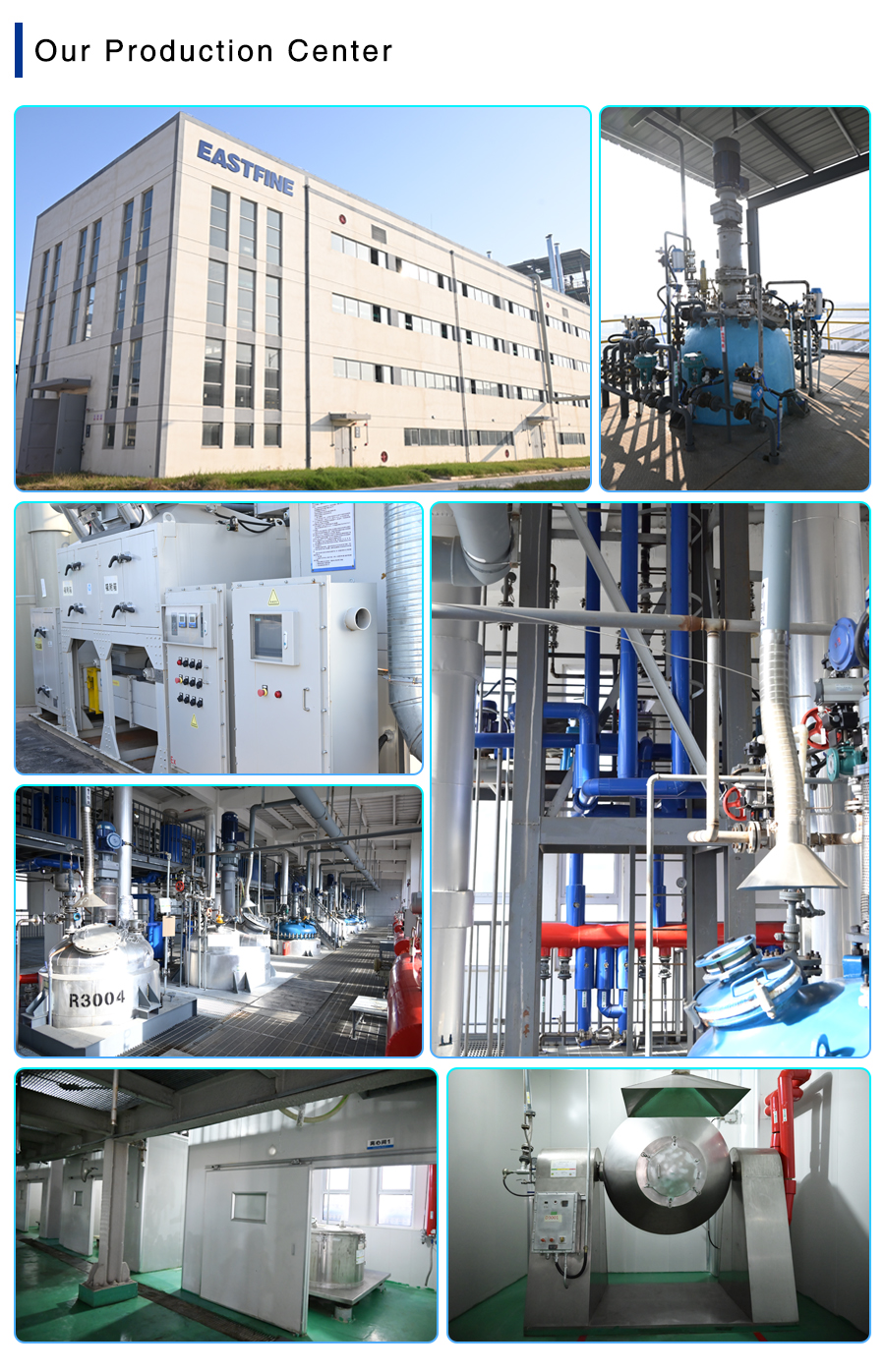
When an advanced crop protection molecule transitions from initial laboratory development into multi-ton commercial production, selecting a technically capable and crystallographically aware chemical partner is essential. Established in 1995, EASTFINE is a leading global direct manufacturer of premium 2-Chloro-4-fluoro-5-nitrobenzoic acid.
Technical Innovation Anchored by Doctoral R&D Teams
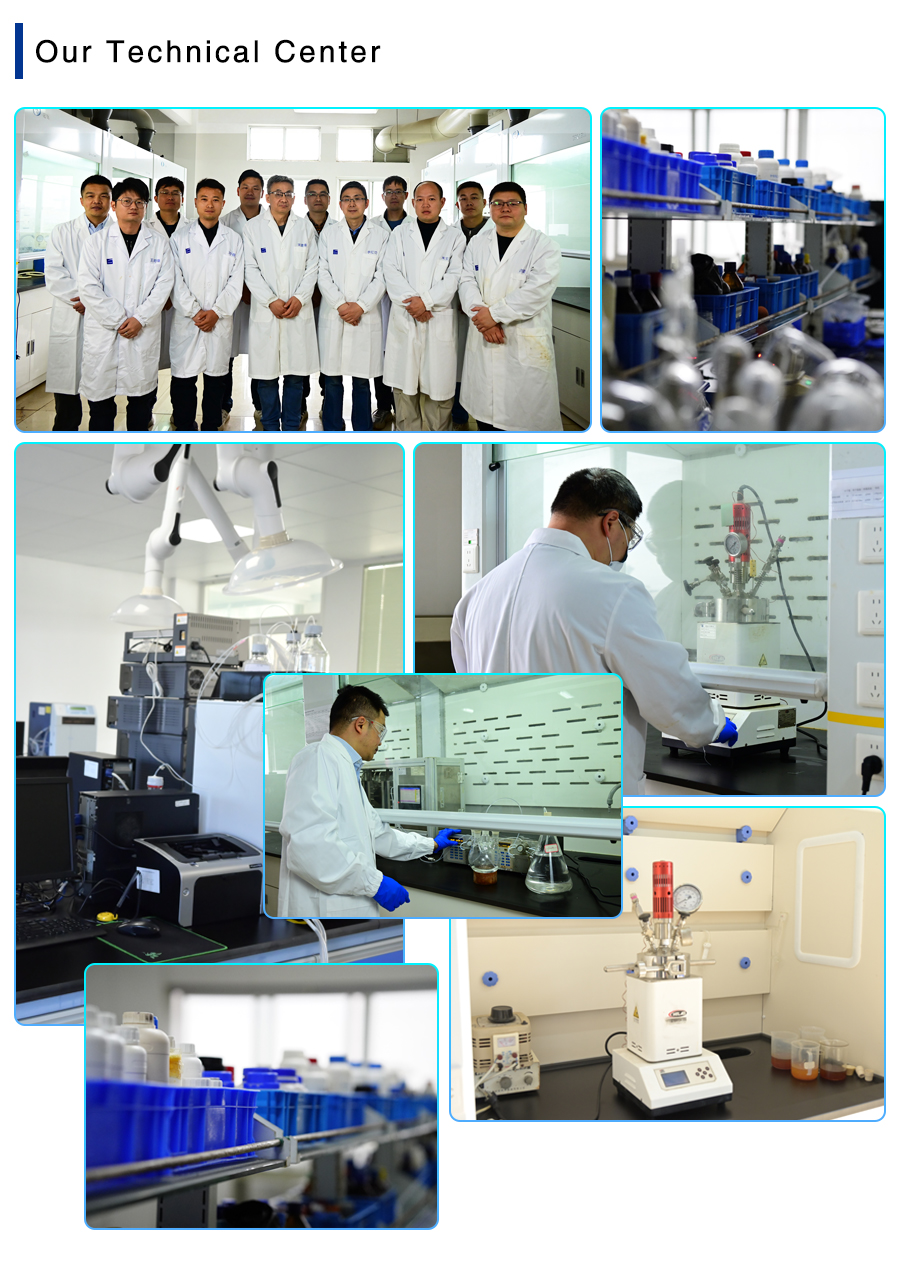
Our chemical manufacturing lines and solid-state crystallization protocols are designed and continuously optimized by a corporate R&D department led by process chemists holding doctoral degrees. This technical leadership has successfully secured 19 invention patents and 8 utility model patents focused on high-efficiency synthesis, advanced polymorphic control, and precise crystallization chemistry. By optimizing our core processing, we deliver an intermediate that helps downstream partners minimize physical variations and maximize manufacturing efficiency.
Dual-Site Production Redundancy and Supply Security (Dalian & Heze)
In today's complex international regulatory and environmental landscape, supply chain redundancy is an absolute requirement for long-term planning. EASTFINE operates two fully mirrored, large-scale manufacturing complexes in Dalian and Heze. This dual-site setup guarantees an uninterrupted supply of high-purity intermediates; if one plant undergoes a scheduled environmental audit or local maintenance cycle, the sister facility can expand its output to seamlessly fulfill long-term commercial contracts.
Complete Analytical Validation and Traceability Dossiers
Navigating strict international registration pathways requires absolute data transparency and robust analytical backing. EASTFINE accompanies every batch of CAS No. 114776-15-7 with a comprehensive analytical package, including high-resolution liquid chromatography (HPLC) charts, precise melting point verifications, and detailed moisture measurements. Our rigorous quality control simplifies your raw material validation workflows, providing a clear auditing trail for global regulatory bodies.
Conclusion: Securing Formulation Safety through Crystallographic Excellence
Achieving high active-ingredient output and dependable batch safety during commercial scale-up requires complete authority over both reaction kinetics and solid-state crystallographic structures. Variable polymorphic phases, unmanaged crystal transformations, or unstable lattice arrangements when handling 2-Chloro-4-fluoro-5-nitrobenzoic acid (CAS No. 114776-15-7) can cause production downtime, mill blockages, and costly formulation stability failures.
Partnering with EASTFINE provides your engineering and formulation teams with an analytically verified, crystallographically stable intermediate. Backed by thirty years of direct manufacturing authority, advanced proprietary intellectual property, and a highly secure dual-site production model, EASTFINE helps you build exceptionally clean, efficient, and regulatory-secure agrochemical manufacturing processes.


 English
 العربية
 Français
 Русский
 Español
 Português
 Deutsch
 italiano
 日本語
日本語 한국어
한국어 Nederlands
 Tiếng Việt
 ไทย
ไทย Polski
 Türkçe
 አማርኛ
አማርኛ ພາສາລາວ
 Bahasa Melayu
 ဗမာစာ
ဗမာစာ Filipino
 Bahasa Indonesia
 magyar
 Română
 Čeština
 қазақ
қазақ Српски
 हिन्दी
 فارسی
فارسی Kiswahili
 Slovenčina
 Slovenščina
 Norsk
Norsk Svenska
 українська
 Ελληνικά
 Suomi
Suomi עברית
עברית Dansk
Dansk اردو
اردو Shqip
Shqip বাংলা
বাংলা Hrvatski
 Gaeilge
 Eesti keel
 Oʻzbekcha
 latviešu
 Azərbaycan dili
 Български
 ქართული
 íslenska
 Lietuvių


 简体中文
简体中文


