Introduction: The Industrial Paradigm Shift Toward Sustainable Chemical Intensification
In the contemporary specialty chemical and crop protection sectors, environmental sustainability has evolved from a regulatory compliance obligation into a core driver of manufacturing competitiveness. Multinational agrochemical brands face increasing pressure from regulatory bodies, consumers, and institutional investors to document and reduce the environmental footprint of their active ingredient supply chains. Consequently, the selection of raw materials is no longer based solely on cost and purity; it is heavily influenced by the ecological efficiency of the chemical processes used to manufacture them.
For environmental compliance directors and strategic sourcing executives managing advanced fluorinated herbicide portfolios, analyzing the green chemistry profile of 2-Chloro-4-fluoro-5-nitrobenzoic acid (CAS No. 114776-15-7) is a vital operational necessity. The synthesis of this highly functionalized benzene ring—bearing a carboxylic acid, a chlorine atom, a fluorine atom, and a nitro group—historically relied on resource-intensive nitration and halogenation methods. These legacy pathways frequently generated significant amounts of acidic wastewater, spent organic solvents, and hazardous chemical byproducts.
If downstream procurement teams source this critical building block from unoptimized facilities that utilize primitive waste-management setups, they expose their corporate brands to severe environmental liabilities and sudden regulatory shutdowns. Mitigating these risks requires partnering with asset-backed direct manufacturers who apply green engineering principles directly to their commercial production lines.
At EASTFINE, we address these sustainability challenges by integrating advanced atom-economy optimizations, closed-loop solvent recovery systems, and rigorous effluent treatment designs across our entire manufacturing network, providing our global partners with an exceptionally clean, regulatory-secure intermediate supply chain.
What is 2-Chloro-4-fluoro-5-nitrobenzoic acid (CAS No. 114776-15-7)?
2-Chloro-4-fluoro-5-nitrobenzoic acid is an advanced, multi-substituted aromatic intermediate engineered to deliver specific spatial orientations and activated reaction centers for premium agricultural chemistry. The molecular architecture is defined by the chemical formula C7H3ClFNO4, locking four highly electronegative and reactive modifiers onto a single benzene core.
The carboxylic acid group at position 1 serves as the primary handle for downstream condensation, esterification, or amidation reactions. The chlorine atom at position 2 provides specific steric adjustments, while the fluorine atom at position 4 and the nitro group at position 5 function as powerful electron-withdrawing groups. This combined electronic withdrawal heavily polarizes the aromatic system, activating the carbon-fluorine bond and facilitating rapid, regioselective nucleophilic aromatic substitution (SNAr) reactions during active ingredient synthesis.
From an analytical and physical perspective, premium-grade CAS No. 114776-15-7 presents as a stable, off-white crystalline solid with a sharp melting point range of 156°C to 158°C and a true density of 1.68 g/cm³. Maintaining high batch-to-batch physical uniformity is critical; ensuring the material has low volatile organic content and minimal moisture parameters prevents handling issues in automated downstream processing while supporting corporate waste reduction goals.
Applications of 2-Chloro-4-fluoro-5-nitrobenzoic acid
The unique electronic distribution of 2-Chloro-4-fluoro-5-nitrobenzoic acid makes it a vital commercial intermediate across several prominent sectors of modern sustainable crop protection:
Production of Low-Dose Protox-Inhibiting PPO Herbicides
The main commercial application for this intermediate is the synthesis of high-efficiency protoporphyrinogen oxidase (PPO) inhibiting herbicides. These advanced crop protection assets target weed species with extreme precision, allowing agricultural operators to minimize chemical application rates per hectare while maintaining optimal crop yields.
Synthesis of Soil-Stable Uracil Herbicides
In the commercial manufacturing of advanced uracil-class herbicides, the 2,4,5-trisubstituted benzoyl framework derived from this intermediate is integrated directly into the heterocyclic core. This structure provides excellent systemic stability, allowing the herbicide to resist rapid degradation in agricultural soils and ensuring long-lasting weed control.
Construction of Eco-Friendly Chemical Crop Safeners
Derivatives of this intermediate are also utilized to manufacture selective chemical safeners that enhance crop tolerance to primary co-applied herbicides. These molecules temporarily upregulate metabolic detoxification pathways within cash crops, preserving plant health and maximizing final agricultural yields under varying field conditions.
Advantages of Green Chemical Engineering in Product Sourcing
Onboarding a primary direct manufacturer that implements advanced green chemistry workflows for CAS No. 114776-15-7 delivers definitive commercial and operational advantages to global agrochemical brands:
Complete Protection Against Environmental Regulatory Suspensions
Sourcing from an environmentally optimized manufacturer shields your supply chain from sudden regulatory shutdowns. Facilities that operate with low Environmental Factors (E-Factors) and fully permitted emissions controls comply naturally with stringent regional and national environmental mandates, ensuring uninterrupted contract execution.
Reduction in Lifecycle Carbon Footprint Metrics
Utilizing an intermediate manufactured via atom-economical pathways lowers the overall Scope 3 greenhouse gas emissions of your final active ingredient. This quantifiable reduction assists downstream brands in meeting corporate carbon-neutrality goals and satisfies the reporting requirements of global sustainability indexes.
Long-Term Price Stabilization via Resource Recovery Loops
Direct manufacturers who capture and reuse raw solvent streams and catalytic reagents insulate their production lines from volatile primary chemical markets. These recycling loops reduce raw material expenditures, allowing the supplier to provide stable, competitive pricing over multi-year commercial delivery contracts.
Environmental Risk Profiles & Sustainable Engineering Benchmarks
Managing a sustainable agrochemical pipeline requires a thorough understanding of upstream processing impacts and waste-generation metrics.
The Problem of High E-Factor Multi-Phase Syntheses:
Traditional industrial pathways for halogenated aromatic acids often generate large quantities of waste per kilogram of finished product, leading to high E-Factor metrics. This waste typically stems from unoptimized nitration steps using bulk sulfuric acid or inefficient washing sequences that require massive volumes of deionized water, creating a heavy burden for wastewater treatment facilities.
The Solution of Catalytic and Closed-Loop Process Design:
Overcoming these environmental burdens requires a complete redesign of the core synthetic chemistry. By deploying highly selective, low-temperature nitration methodologies and integrating automated closed-loop solvent distillation systems, green manufacturers minimize raw chemical consumption and eliminate waste generation at the source.
By utilizing these advanced sustainable engineering practices, EASTFINE delivers an intermediate that combines high chemical performance with exceptional ecological responsibility, ensuring your crop protection pipeline remains fully compliant with global ESG standards.
Process Engineering & Advanced Effluent Management at Commercial Scale
Achieving high synthetic yields while maintaining strict environmental compliance on an industrial scale requires a coordinated approach that integrates green process chemistry, solvent recycling, and advanced wastewater purification:
Optimization of Atom Economy and Reagent Consumption Profiles
The primary advancement in modernizing the synthesis of CAS No. 114776-15-7 involves the deployment of highly selective, high-yield reaction sequences that maximize atom efficiency.
Catalytic Regioselective Nitration Engineering
The installation of the nitro group at position 5 is performed using an optimized, catalytic nitration matrix that minimizes the use of bulk fuming acids. This process control system limits the formation of unwanted positional isomers, maximizing chemical selectivity for the target structure and reducing the volume of spent acidic byproducts requiring neutralization.
Low-Waste Halogenation and Solvent-Free Washing Loops
Following ring modification, the crude reaction mass undergoes a specialized purification sequence that replaces traditional resource-intensive water washing loops with targeted anti-solvent precipitation. This modification significantly reduces wastewater generation while allowing for the high-purity isolation of the crystalline intermediate.
Closed-Loop Solvent Recovery and Comprehensive Effluent Treatment
To achieve low net emissions, production complexes integrate automated recovery systems directly within the primary manufacturing loops.
Fractional Automated Solvent Distillation Arrays
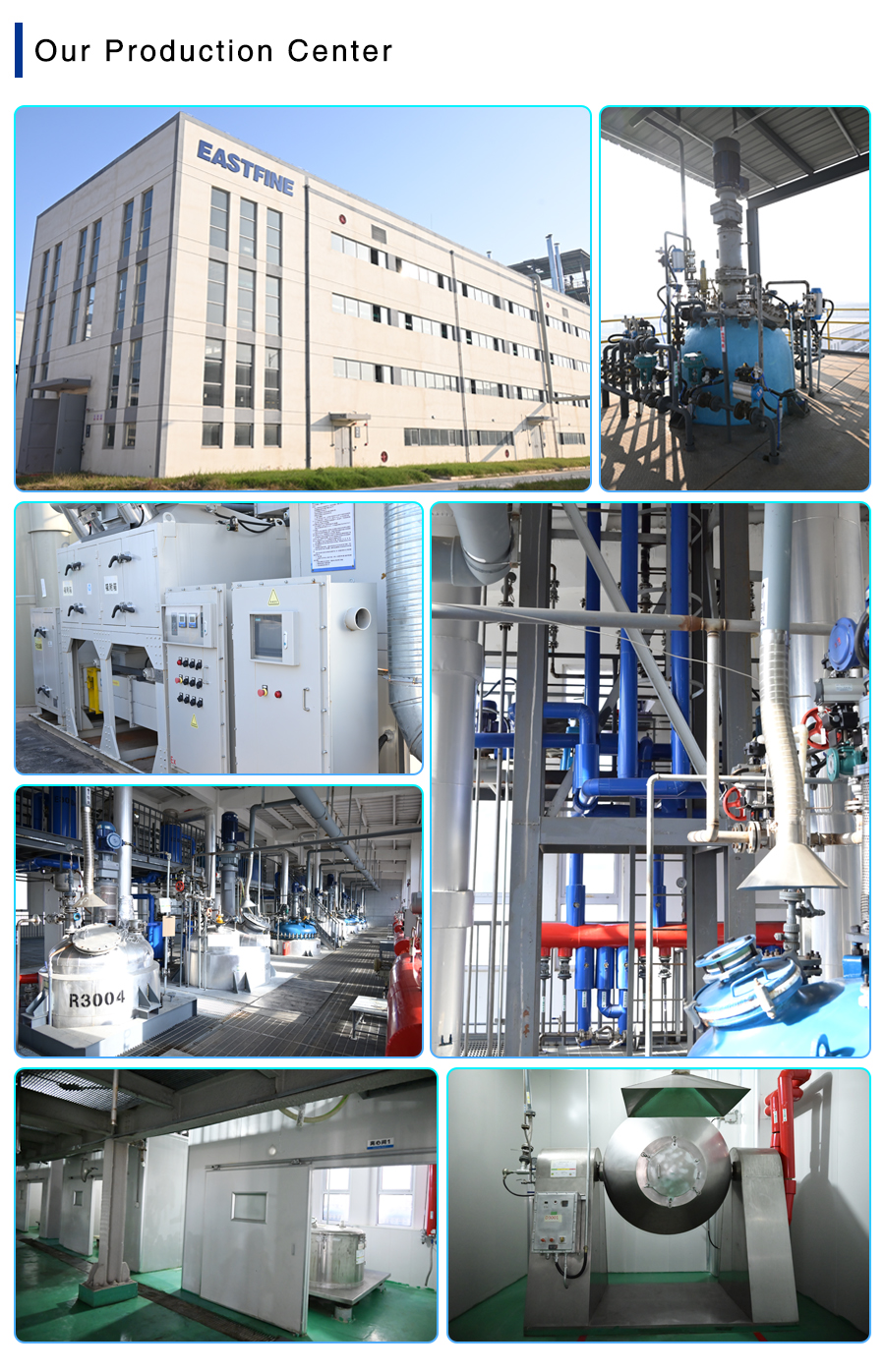
Spent organic solvents utilized during crystallization and substitution phases are directed into automated, continuous fractional distillation units. These systems purify the solvent matrix back to a minimum analytical threshold of 99.2 percent, allowing the recovered fluid to be pumped directly back into the primary reactors and reducing external solvent procurement requirements.
Advanced Wastewater Oxidation and Solid-Waste Immobilization
Any process wastewater that cannot be recycled undergoes intensive pretreatment within an on-site advanced oxidation facility. Utilizing combinations of ozone and Fenton-type catalytic oxidation breaks down trace aromatic rings into basic carbon dioxide and water, while residual inorganic salts are crystallized out via multi-effect evaporators to ensure complete compliance with local environmental discharge limits.
Post-Synthesis Sustainability Management: Energy-Efficient Drying, Clean Bulk Logistics, and Lifecycle Assessment Logs
Following successful green purification and analytical validation, the bulk intermediate is handled under optimized post-processing protocols to maintain its sustainability profile:
Low-Temperature Vacuum Conduction Drying Loops
The wet crystalline cake is dried using highly efficient, closed-circuit vacuum conduction dryers. These systems operate at lower temperatures, reducing electrical energy consumption by up to 35 percent compared to conventional hot-air drying ovens while capturing all vaporized residual solvent molecules for immediate liquefaction and reuse.
High-Density Eco-Friendly Bulk Packaging Protocols
Dried batches are packed into high-density, fully recyclable commercial fiber drums lined with specialized multi-layer vapor barriers. This packaging strategy eliminates the need for single-use composite metal containers, reducing secondary logistics waste while protecting the high-purity intermediate from ambient moisture during long-distance maritime transit.
Continuous Compilation of Product Carbon Footprint Data Logs
Every commercial production campaign is tracked by an automated environmental accounting system that records energy consumption, raw material inputs, and waste treatment metrics. This data is compiled to generate an authenticated lifecycle assessment profile, providing downstream sustainability managers with the verified data required for global environmental auditing.
Comprehensive Green Chemistry and Environmental Performance Matrix
To support sustainability directors, environmental auditors, and corporate procurement managers during vendor technical evaluations and ESG compliance reviews, our engineering departments maintain a standardized environmental profile for our operations.
| Environmental Performance Parameter | Standard Unoptimized Sourcing | EASTFINE Green-Engineered Sourcing | Direct Downstream Agrochemical Pipeline Impact |
| Process E-Factor Profile | High waste ratio (≥ 15.0) | Low waste ratio (≤ 2.5) | Drastically reduces total environmental impact and waste management liabilities. |
| Solvent Management Loop | Single-use disposal via incineration | Closed-loop fractional distillation (≥ 95%) | Minimizes volatile organic emissions and stabilizes production costs. |
| Wastewater Processing Base | Basic pH neutralization only | Advanced catalytic oxidation and evaporation | Guarantees complete compliance with international zero-liquid-discharge guidelines. |
| Carbon Data Transparency | No verified emission metrics | Complete lifecycle assessment logs | Speeds up corporate ESG reporting and simplifies green brand auditing. |
Why Choose EASTFINE? Your Partner for Secure Commercial Scale-Up
When an advanced crop protection molecule transitions from initial laboratory development into multi-ton commercial production, selecting a technically capable and environmentally responsible chemical partner is essential. Established in 1995, EASTFINE is a leading global direct manufacturer of premium 2-Chloro-4-fluoro-5-nitrobenzoic acid.
Technical Innovation Anchored by Doctoral R&D Teams
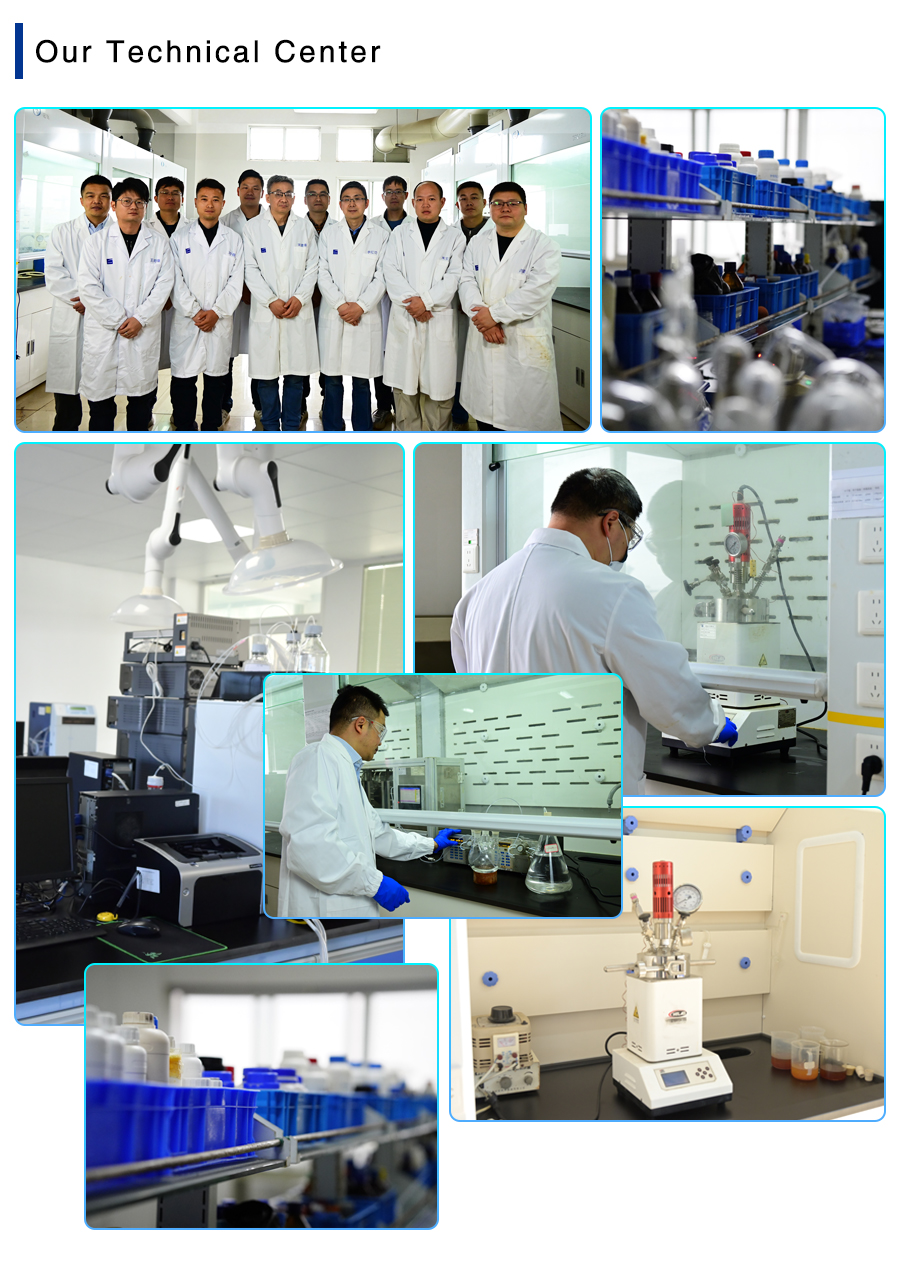
Our chemical manufacturing lines and green engineering protocols are designed and continuously optimized by a corporate R&D department led by process chemists holding doctoral degrees. This technical leadership has successfully secured 19 invention patents and 8 utility model patents focused on high-efficiency synthesis, automated process controls, and advanced green chemistry chemistry. By optimizing our core processing, we deliver an intermediate that helps downstream partners minimize physical variations and maximize manufacturing efficiency.
Dual-Site Production Redundancy and Supply Security (Dalian & Heze)
In today's complex international regulatory and environmental landscape, supply chain redundancy is an absolute requirement for long-term planning. EASTFINE operates two fully mirrored, large-scale manufacturing complexes in Dalian and Heze. This dual-site setup guarantees an uninterrupted supply of high-purity intermediates; if one plant undergoes a scheduled environmental audit or local maintenance cycle, the sister facility can expand its output to seamlessly fulfill long-term commercial contracts.
Complete Analytical Validation and Traceability Dossiers
Navigating strict international registration pathways requires absolute data transparency and robust analytical backing. EASTFINE accompanies every batch of CAS No. 114776-15-7 with a comprehensive analytical package, including high-resolution liquid chromatography (HPLC) charts, precise melting point verifications, and detailed moisture measurements. Our rigorous quality control simplifies your raw material validation workflows, providing a clear auditing trail for global regulatory bodies.
Conclusion: Securing Manufacturing Longevity through Green Chemistry Authority
Achieving high active-ingredient output and dependable batch safety during commercial scale-up requires complete authority over both reaction kinetics and environmental engineering parameters. Unoptimized synthetic pathways, unmanaged waste-solvent generation, or lack of rigorous effluent treatment when handling 2-Chloro-4-fluoro-5-nitrobenzoic acid (CAS No. 114776-15-7) can cause manufacturing disruptions, regulatory non-compliance fines, and severe brand liabilities.
Partnering with EASTFINE provides your engineering and environmental compliance teams with an analytically verified, ecologically sustainable intermediate. Backed by thirty years of direct manufacturing authority, advanced proprietary intellectual property, and a highly secure dual-site production model, EASTFINE helps you build exceptionally clean, efficient, and regulatory-secure agrochemical manufacturing processes.


 English
 العربية
 Français
 Русский
 Español
 Português
 Deutsch
 italiano
 日本語
日本語 한국어
한국어 Nederlands
 Tiếng Việt
 ไทย
ไทย Polski
 Türkçe
 አማርኛ
አማርኛ ພາສາລາວ
 Bahasa Melayu
 ဗမာစာ
ဗမာစာ Filipino
 Bahasa Indonesia
 magyar
 Română
 Čeština
 қазақ
қазақ Српски
 हिन्दी
 فارسی
فارسی Kiswahili
 Slovenčina
 Slovenščina
 Norsk
Norsk Svenska
 українська
 Ελληνικά
 Suomi
Suomi עברית
עברית Dansk
Dansk اردو
اردو Shqip
Shqip বাংলা
বাংলা Hrvatski
 Gaeilge
 Eesti keel
 Oʻzbekcha
 latviešu
 Azərbaycan dili
 Български
 ქართული
 íslenska
 Lietuvių


 简体中文
简体中文


