Introduction: The Industrial Mandate for Sustainable Chemical Process Intensification
The global pharmaceutical manufacturing landscape is undergoing a profound structural shift driven by modern environmental mandates. International regulatory frameworks, including the European Green Deal and evolving corporate ESG (Environmental, Social, and Governance) carbon-neutrality directives, have redefined vendor qualification standards. Sourcing strategies for high-value active pharmaceutical ingredients (APIs) can no longer evaluate upstream intermediates solely through the lenses of raw unit economics or basic percentage purity. Today, a chemical process must prove its environmental compliance, atom economy, and waste minimization metrics to maintain long-term commercial viability.
In the high-volume manufacturing of non-steroidal antiandrogen oncology portfolios, process sustainability poses a major technical challenge. The synthesis of specialized fluorinated intermediates, specifically 4-Amino-2-(trifluoromethyl)benzonitrile (CAS No. 654-70-6), historically relied on resource-intensive, multi-step aromatic substitutions. These traditional pathways frequently generated substantial volumes of halogenated waste salts, required heavy consumption of volatile organic solvents, and utilized carbon-intensive thermal cycles.
For sustainable procurement directors and EHS management teams at major life-science firms, relying on low-tier intermediate facilities that run unoptimized, legacy batch processes introduces severe supply chain vulnerabilities. Sudden regulatory enforcement interventions, localized hazardous waste disposal restrictions, or rising carbon taxes can halt un-optimized production lines overnight. Securing your anti-cancer drug pipeline requires partnering with a sophisticated direct manufacturer that integrates green chemistry principles, closed-loop recycling, and clean catalytic transformations directly into the industrial design.
At EASTFINE, we lead this industrial transition by anchoring our large-scale synthesis lines with state-of-the-art process intensification tools and waste-stream suppression networks, ensuring a highly sustainable, regulatory-secure intermediate supply for our global partners.
What is 4-Amino-2-(trifluoromethyl)benzonitrile (CAS No. 654-70-6)?
4-Amino-2-(trifluoromethyl)benzonitrile is a highly functionalized benzonitrile derivative engineered to provide a chemically dense, structurally rigid framework for advanced small-molecule targeted therapies. The molecule is defined by the chemical formula C8H5F3N2, featuring a highly substituted benzene core populated by a primary amine group at position 1, a trifluoromethyl cluster at position 2, and a cyano functional linkage at position 4.
The specific spatial arrangement of these electronegative and polarizable groups creates a unique molecular architecture. The trifluoromethyl group introduces powerful inductive electron-withdrawing forces while creating local lipophilic pockets that are vital for downstream receptor interactions. Simultaneously, the cyano group polarizes the ring system along the horizontal axis, optimizing the electronic profile of the primary amine to participate cleanly in downstream acylation and condensation sequences.
From a green engineering perspective, premium-grade CAS No. 654-70-6 is produced as a uniform, off-white crystalline solid exhibiting a sharp melting point range of 141°C to 145°C and a true density of 1.37 g/cm³. Achieving true process sustainability requires that the synthetic preparation of this dense molecular architecture maximize its theoretical atom economy while actively suppressing the formation of hazardous organic byproducts or persistent structural isomers during high-volume production loops.
Applications of 4-Amino-2-(trifluoromethyl)benzonitrile
The strategic alignment of functional groups within 4-Amino-2-(trifluoromethyl)benzonitrile makes it an essential raw material for the clean synthesis of several major lifesaver therapeutics:
Atom-Efficient Synthesis of Chiral First-Generation Antiandrogens
The primary commercial application for this intermediate is the large-scale synthesis of Bicalutamide. By optimizing the nucleophilic coupling of the primary amine group, modern green engineering methods eliminate the need for heavy auxiliary activating reagents, streamlining the mass balance of the final therapeutic amide assembly.
High-Yield Construction of Second-Generation Hydantoin Complexes
In the commercial manufacturing of second-generation antiandrogens like Enzalutamide, the 4-cyano-3-trifluoromethylphenyl core derived from this building block undergoes a direct, highly selective condensation sequence to form a central thiohydantoin ring system, minimizing raw material consumption per batch cycle.
Reference Standards for Sustainable Quality Validation
Because this intermediate is processed in high volumes, it serves as a critical reference tool for evaluating trace volatile organic compound (VOC) matrices. Pharmaceutical laboratories utilize this high-purity crystalline substance to calibrate sensitive headspace gas chromatography systems, ensuring all residual solvents across the drug's life cycle fall well below international exposure limits.
Advantages of Green Chemistry in Intermediate Sourcing
Transitioning your supply network to a primary direct manufacturer that utilizes advanced sustainable engineering for CAS No. 654-70-6 delivers profound operational and compliance advantages:
Drastic Reduction in Corporate E-Factor and Waste Management Surcharges
Onboarding a supplier that operates with a highly optimized Environmental Impact Factor (E-Factor) minimizes the total kilograms of waste generated per kilogram of intermediate produced. This eco-efficiency insulates downstream partners from rising hazardous waste disposal surcharges and localized environmental carbon taxes.
Complete Protection Against Localized Environmental Shutdowns
Direct manufacturers who operate under full, modern environmental clearance certificates and utilize closed-loop solvent reclamation loops are highly resilient against sudden regulatory crackdowns. This continuous compliance guarantees an uninterrupted flow of materials, shielding your formulation schedule from external regulatory shocks.
Enhanced Product Integrity and Absolute Low-Volatile Profiles
Green engineering protocols utilize advanced vacuum conduction drying and green solvent matrices that leave no persistent, toxic residues within the final crystalline matrix. This processing cleanliness translates into an exceptionally pure chemical profile that easily clears international pharmaceutical safety audits.
Process Sustainability and E-Factor Sourcing Metrics
Evaluating a multi-substituted fluorinated intermediate through the lens of green manufacturing requires a deep understanding of mass balance metrics, catalytic pathways, and waste minimization principles.
The Problem of High E-Factors and Waste-Heavy Legacy Routes:
Traditional synthesis methods for CAS No. 654-70-6 frequently relied on raw stoichiometric reductions of nitrobenzene precursors using heavy metal reagents or unoptimized halogen exchanges in volatile amide solvents. These legacy pathways resulted in a highly unfavorable E-Factor, producing substantial amounts of hazardous chemical waste per kilogram of final product, while creating a high risk of volatile organic emissions that run counter to modern corporate sustainability mandates.
The Solution of Cat-Intensified Transformations and Closed-Loop Recycling:
Resolving these environmental vulnerabilities requires replacing outdated stoichiometric protocols with high-efficiency catalytic transfers and continuous-flow extraction loops. Deploying noble-metal heterogeneous catalysts allows for rapid, highly selective transformations under mild thermal regimes, while integrated solvent recovery loops capture and re-distill over 95 percent of processing fluids, significantly reducing the environmental footprint of the final intermediate.
By implementing these advanced process controls, EASTFINE supplies an intermediate that blends world-class purity with exceptional eco-efficiency, supporting the sustainability targets of global pharmaceutical supply chains.
Process Engineering & Green Infrastructure Scale-Up
Achieving high mass-transfer efficiency while minimizing environmental impacts on a multi-ton scale requires a unified approach combining catalytic continuous processes, strict energy management, and comprehensive effluent controls:
Advanced Green Synthesis Loop and Catalytic Transfer Optimization
The core of EASTFINE's sustainable production platform for CAS No. 654-70-6 is rooted in our proprietary catalytic process lines.
High-Selectivity Catalytic Hydrogenation and Atom Economy
Rather than using traditional, waste-heavy chemical reducing agents to convert nitro-precursors into our target amine structure, our manufacturing plants utilize advanced heterogeneous catalytic hydrogenation. Operating under highly optimized hydrogen pressures and mild temperature profiles in the presence of recyclable noble metal catalysts, this reaction yields pure water as its sole chemical byproduct, maximizing total atom economy.
Closed-Loop Solvent Extraction and Inline Distillation Arrays
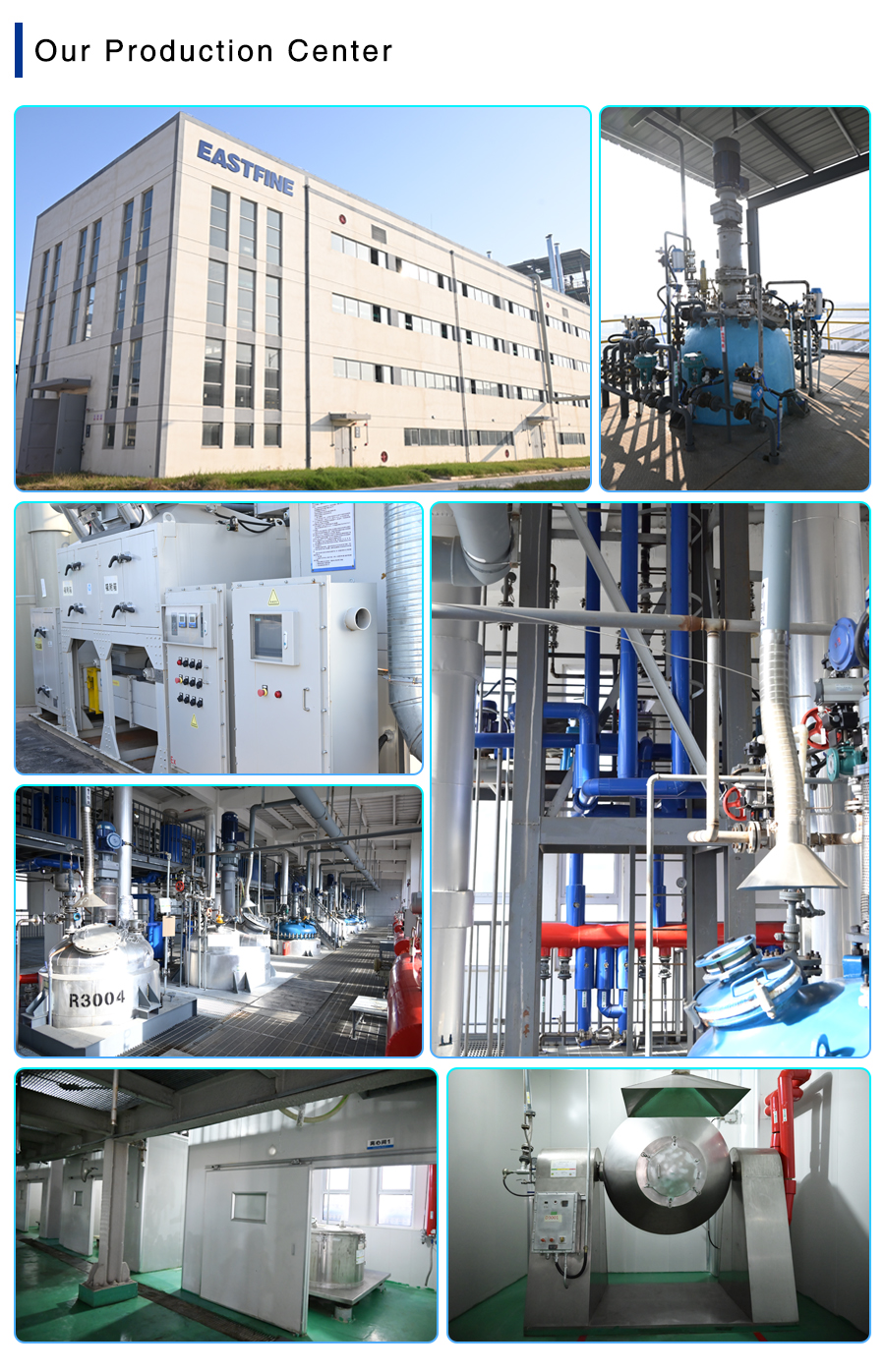
To eliminate excessive solvent waste, both our Dalian and Heze manufacturing complexes are engineered with fully enclosed, continuous extraction and distillation units. Processing solvents are automatically channeled out of the primary reaction loops, purified via fractional distillation, and immediately fed back into the production cycle, reducing total volatile organic solvent consumption to ultra-low thresholds.
Environmental Health and Safety Compliance and Effluent Destruct Systems
Fulfilling international environmental expectations requires absolute control over all manufacturing side-streams and plant discharges.
Advanced Catalytic Wet Air Oxidation for Wastewater Matrices
Any process wastewater generated during the crystallization loops is directed to an integrated, state-of-the-art Catalytic Wet Air Oxidation (CWAO) unit. This system utilizes advanced oxidation processes to break down complex organic molecules into simple, non-toxic components, ensuring all liquid discharges easily surpass local and international clean-water environmental standards.
High-Efficiency Thermal Oxidizers with Energy Recovery Loops
Trace volatile process emissions are managed by automated regenerative thermal oxidizers (RTOs) that operate at high combustion efficiencies to eliminate volatile organic compounds. The thermal energy generated by this destruction sequence is captured and routed back into the plant's main boiler systems, significantly lowering the total carbon footprint of our commercial production campaigns.
Post-Production Logistics: Eco-Friendly Packaging, High-Density Consolidation, and Carbon-Optimized Shipping
Following successful automated purification and green quality validation, the bulk intermediate is handled under eco-optimized logistics protocols to preserve its quality while minimizing carbon intensity:
Biodegradable High-Barrier Fiber Drum Packing Configurations
To replace resource-heavy plastic storage systems, the dry crystalline intermediate is housed in fully recyclable, high-strength commercial fiber drums constructed from sustainably sourced wood pulp. These containers are fitted with specialized multi-layer inner vapor liners that maximize shelf life while aligning cleanly with global corporate waste recycling goals.
Optimized Shipping Densities and Localized Hub Management
Our international logistics departments utilize advanced algorithmic freight planning to maximize shipping density within every outbound sea container. By maximizing cargo layouts and positioning strategic inventories near key maritime routes, EASTFINE reduces the total carbon emissions per ton-kilometer of transport, supporting your scope 3 green logistics tracking.
Comprehensive Material Safety and EHS Transport Dossiers
Every commercial shipment is accompanied by a modern, fully documented Environmental Safety and Regulatory Dossier. This package includes a verified carbon footprint assessment, detailed safety data logs, and certified clean-process declarations, providing your corporate sustainability officers with the verifiable data required for comprehensive ESG reporting.
Comprehensive Green Engineering and Eco-Efficiency Matrix
To support environmental health and safety directors, process engineering heads, and sustainable sourcing managers during deep technical audits and ESG compliance reviews, our manufacturing divisions maintain a standardized environmental profile for our advanced intermediate.
| Green Engineering Metric | Legacy Commodity Sourcing Methods | EASTFINE Sustainable Production | Direct Downstream ESG and Pipeline Impact |
| Process E-Factor Range | High waste ratio (≥ 45.0) | Highly optimized ratio (≤ 8.5) | Significantly lowers chemical waste overhead and carbon tax exposures. |
| Primary Reduction Tool | Waste-heavy chemical reagents | Recyclable catalytic hydrogenation | Replaces hazardous metal sludges with pure, non-toxic water byproducts. |
| Solvent Recovery Efficiency | Poor containment (≤ 40%) | Advanced closed-loop tracking (≥ 95%) | Minimizes volatile organic solvent purchases and reduces environmental footprints. |
| Effluent Management | Basic third-party chemical treatment | Integrated CWAO and RTO systems | Guarantees complete environmental compliance and secures production uptime. |
Why Choose EASTFINE? Your Partner for Secure Commercial Scale-Up
When an advanced oncology molecule transitions from initial laboratory development into multi-ton commercial production, selecting a technically capable and logistically secure chemical partner is essential. Established in 1995, EASTFINE is a leading global direct manufacturer of premium 4-Amino-2-(trifluoromethyl)benzonitrile.
Technical Innovation Anchored by Doctoral R&D Teams
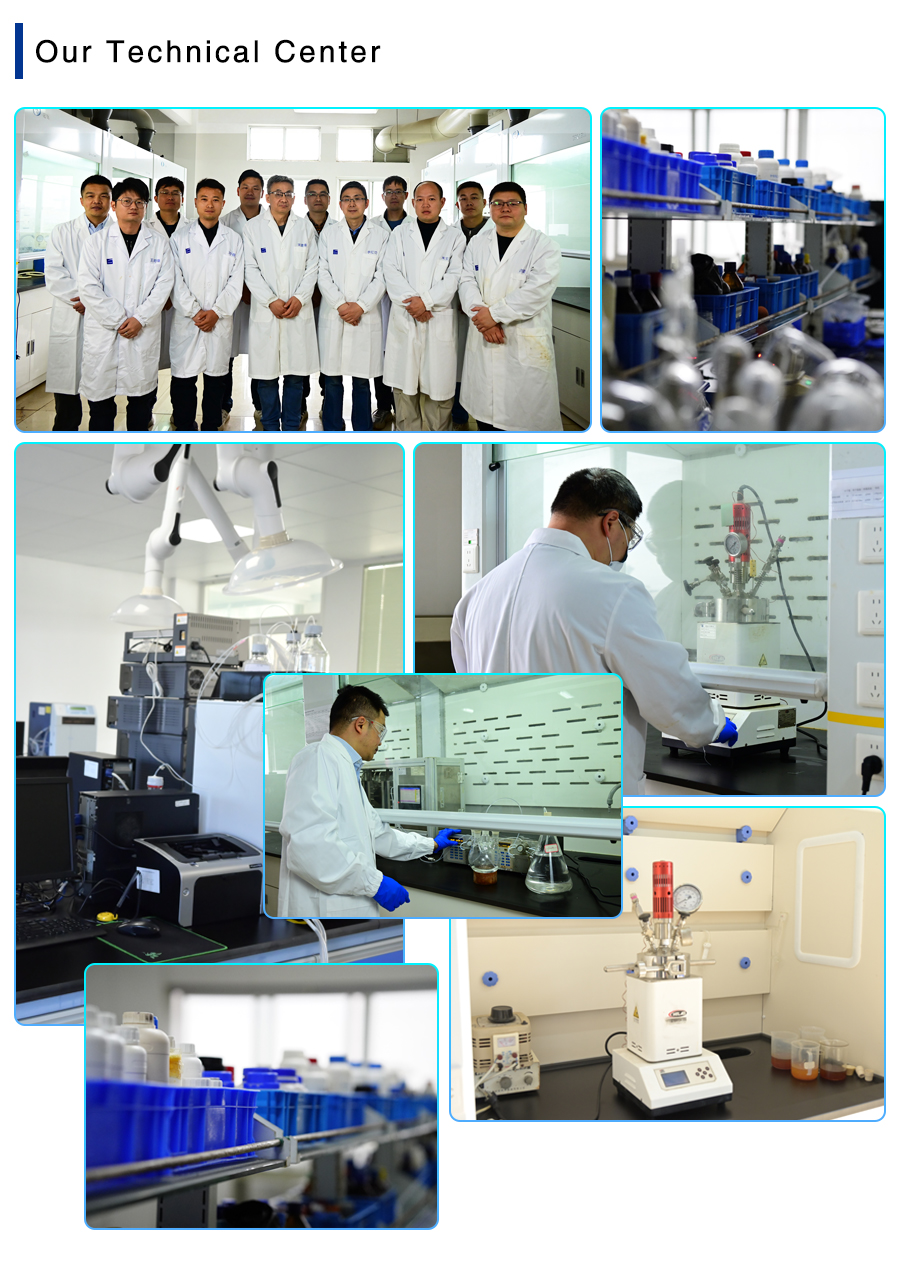
Our chemical manufacturing lines and high-precision analytical protocols are designed and continuously optimized by a corporate R&D department led by process chemists holding doctoral degrees. This technical leadership has successfully secured 19 invention patents and 8 utility model patents focused on high-selectivity synthesis, smart inline monitoring integration, and advanced purification chemistry. By optimizing our core processing, we deliver an intermediate that helps downstream partners minimize analytical variations and maximize manufacturing efficiency.
Dual-Site Production Redundancy and Supply Security (Dalian & Heze)
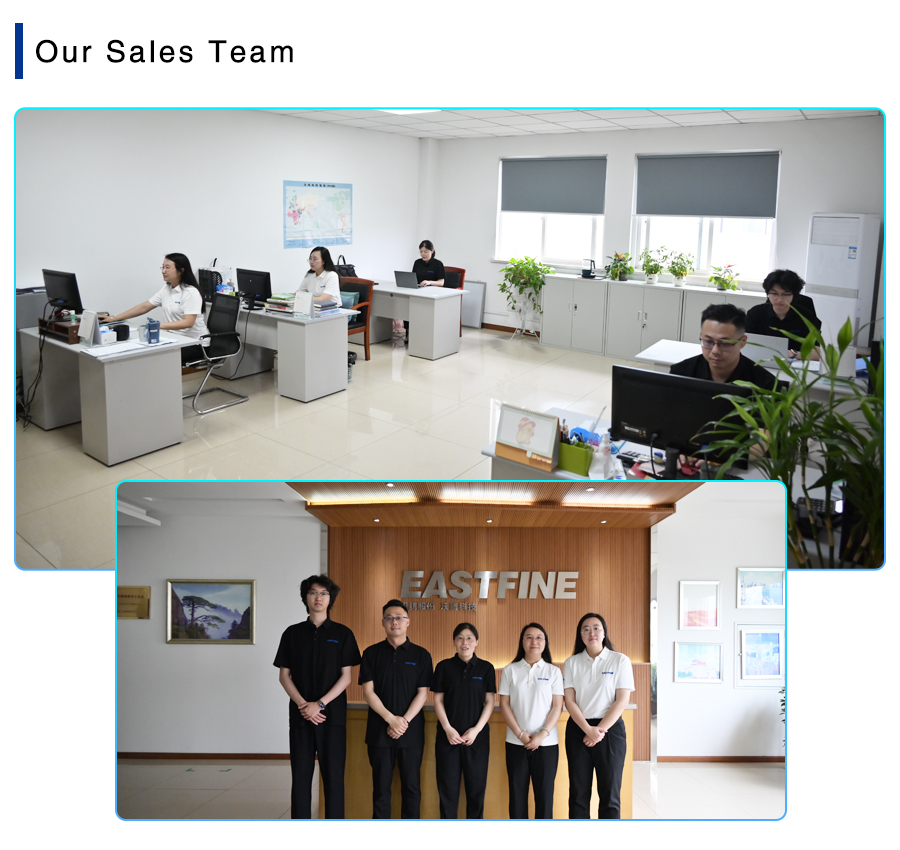
In today's complex international regulatory and environmental landscape, supply chain redundancy is an absolute requirement for long-term planning. EASTFINE operates two fully mirrored, large-scale manufacturing complexes in Dalian and Heze. This dual-site setup guarantees an uninterrupted supply of high-purity intermediates; if one plant undergoes a scheduled environmental audit or local maintenance cycle, the sister facility can expand its output to seamlessly fulfill long-term commercial contracts.
Complete Analytical Validation and Traceability Dossiers
Navigating strict international registration pathways requires absolute data transparency and robust analytical backing. EASTFINE accompanies every batch of CAS No. 654-70-6 with a comprehensive analytical package, including high-resolution liquid chromatography (HPLC) charts, precise melting point verifications, and detailed moisture measurements. Our rigorous quality control simplifies your raw material validation workflows, providing a clear auditing trail for global regulatory bodies.
Conclusion: Securing Long-Term Markets through Environmental Engineering Excellence
Achieving high active-ingredient output and dependable batch safety during commercial scale-up requires complete authority over both reaction kinetics and environmental compliance parameters. Relying on unoptimized chemical pathways, unmanaged waste-stream generation, or an absence of transparent green chemistry metrics when handling 4-Amino-2-(trifluoromethyl)benzonitrile (CAS No. 654-70-6) can cause regulatory enforcement delays, severe carbon penalties, and critical supply chain disruptions.
Partnering with EASTFINE provides your procurement, engineering, and EHS management teams with an eco-efficient, fully validated intermediate supply line. Backed by thirty years of direct manufacturing authority, advanced proprietary intellectual property, and a highly secure dual-site production model, EASTFINE helps you build exceptionally clean, efficient, and regulatory-secure pharmaceutical manufacturing processes.


 English
 العربية
 Français
 Русский
 Español
 Português
 Deutsch
 italiano
 日本語
日本語 한국어
한국어 Nederlands
 Tiếng Việt
 ไทย
ไทย Polski
 Türkçe
 አማርኛ
አማርኛ ພາສາລາວ
 Bahasa Melayu
 ဗမာစာ
ဗမာစာ Filipino
 Bahasa Indonesia
 magyar
 Română
 Čeština
 қазақ
қазақ Српски
 हिन्दी
 فارسی
فارسی Kiswahili
 Slovenčina
 Slovenščina
 Norsk
Norsk Svenska
 українська
 Ελληνικά
 Suomi
Suomi עברית
עברית Dansk
Dansk اردو
اردو Shqip
Shqip বাংলা
বাংলা Hrvatski
 Gaeilge
 Eesti keel
 Oʻzbekcha
 latviešu
 Azərbaycan dili
 Български
 ქართული
 íslenska
 Lietuvių


 简体中文
简体中文


