Introduction: The Essential Transition to Sustainable Chemical Intensification
In the modern chemical manufacturing landscape, evaluating an advanced aromatic intermediate involves analyzing parameters that extend far beyond chemical purity and batch-to-batch consistency. Global environmental regulations and strict corporate sustainability mandates have elevated process eco-efficiency into a primary benchmark for industrial sourcing. Agrochemical conglomerates are actively auditing their entire supply chains to calculate the environmental burdens of raw materials, prioritizing manufacturing methods that reduce waste, conserve energy, and lower carbon emissions.
For process intensification engineers and global procurement directors sourcing critical fluorinated intermediates, evaluating the environmental life cycle of 2-Chloro-4-fluoro-5-nitrobenzoic acid (CAS No. 114776-15-7) is a core operational requirement. The synthesis of this highly functionalized molecule requires multiple steps, including aggressive nitration and selective halogenation on a benzene core substituted with a carboxylic acid, a chlorine atom, a fluorine atom, and a nitro group.
Historically, multi-stage aromatic alterations of this type have generated significant waste streams, utilizing vast amounts of mixed acids and polar organic solvents that carry substantial disposal obligations.
If these manufacturing pathways remain unoptimized during large-scale production, downstream brands can face rising waste treatment expenses, regulatory emission penalties, and inflation in their Scope 3 greenhouse gas calculations. Applying the core tenets of green chemistry—such as maximizing atom economy and implementing closed-loop recycling systems—mitigates these financial and environmental risks.
At EASTFINE, we lead this industrial transition by deploying advanced continuous-flow technologies and highly efficient atom-economic catalytic systems, delivering an exceptionally pure intermediate that satisfies the strictest global ESG standards.
What is 2-Chloro-4-fluoro-5-nitrobenzoic acid (CAS No. 114776-15-7)?
2-Chloro-4-fluoro-5-nitrobenzoic acid is a highly functionalized aromatic building block engineered to provide exact spatial arrangements and highly active reaction sites for selective agrochemical manufacturing. The molecular configuration is defined by the chemical formula C7H3ClFNO4, positioning a dense array of functional modifiers around a single benzene core.
The carboxylic acid group at position 1 acts as a highly reactive handle for downstream amidation, esterification, or heterocyclic cyclization sequences. The chlorine atom at position 2 introduces localized steric control, while the fluorine atom at position 4 and the nitro group at position 5 operate as powerful electron-withdrawing groups. This specific combination activates the aromatic framework, making it highly susceptible to rapid, regioselective nucleophilic aromatic substitution (SNAr) reactions during active ingredient synthesis.
From a physical standpoint, premium-grade CAS No. 114776-15-7 presents as a stable, off-white crystalline solid with a sharp melting point range of 156°C to 158°C and a true density of 1.68 g/cm³. Maintaining this precise physical and structural uniformity across commercial volumes is essential; a clean crystallographic configuration guarantees predictable dissolution rates, avoids processing variations, and ensures that no unmanaged chemical fractions or amorphous processing residues are present to complicate downstream synthesis.
Applications of 2-Chloro-4-fluoro-5-nitrobenzoic acid
The unique electronic distribution of 2-Chloro-4-fluoro-5-nitrobenzoic acid makes it a vital commercial intermediate across several core sectors of modern sustainable crop protection:
Production of Low-Application-Rate PPO Herbicides
The main commercial application for this intermediate is the synthesis of high-potency protoporphyrinogen oxidase (PPO) inhibiting herbicides. These advanced formulations target weed species with exceptional precision, allowing farmers to apply drastically lower quantities of active chemicals per hectare while maintaining optimal crop protection.
Synthesis of Advanced Systemic Uracil Herbicides
In the commercial manufacturing of advanced uracil-class herbicides, the 2,4,5-trisubstituted benzoyl architecture derived from this intermediate is integrated directly into the heterocyclic matrix. This configuration provides excellent systemic stability, allowing the active crop-protection asset to resist rapid degradation in agricultural soils and ensuring long-lasting weed control.
Construction of Heterocyclic Crop Safeners
Derivatives of this intermediate are also utilized to manufacture selective chemical safeners that enhance crop tolerance to primary co-applied herbicides. These molecules temporarily upregulate metabolic detoxification pathways within cash crops, preserving plant health and maximizing final agricultural yields under varying field conditions.
Advantages of Sustainable Process Intensification in Product Sourcing
Implementing green chemistry standards and efficient process engineering for CAS No. 114776-15-7 delivers definitive commercial and operational advantages to global agrochemical brands:
Substantial Reduction in Scope 3 Environmental Footprints
Optimizing the synthesis pathway to reduce energy inputs and minimize raw material consumption directly reduces the cradle-to-gate carbon footprint of the intermediate. This eco-efficiency enables downstream agrochemical brands to hit their published corporate carbon-reduction targets, strengthening their market position with ESG-conscious consumers.
Protection against Solvents and Raw Material Cost Volatility
Implementing advanced, closed-loop solvent recovery loops allows a manufacturing facility to reuse up to 95 percent of its processing solvents directly within the production cycle. This high recycling rate shields downstream purchasing teams from the pricing volatility of raw petrochemical solvents, stabilizing long-term contract pricing.
Long-Term Regulatory Security and Compliance Stability
Manufacturing processes that achieve exceptionally low Environmental Factors (E-Factors) generate minimal hazardous waste streams, reducing compliance risks. This low-emission profile insulates production operations from sudden tightenings of local environmental controls, preventing unexpected factory shutdowns and ensuring long-term supply security.
Biomechanics & Process Chemistry of Waste Minimization
Minimizing the environmental impact of manufacturing a densely substituted aromatic acid requires deep control over multi-phase reaction kinetics, catalysis, and thermodynamic balances.
The Challenge of Traditional High-Waste Synthesis:
In conventional batch manufacturing, the nitration of substituted benzoic acids relies on a massive excess of concentrated sulfuric and nitric acids. This traditional approach generates substantial quantities of acidic wastewater that require extensive neutralization with inorganic bases, resulting in high salt loads, high E-Factors, and massive disposal costs.
The Solution of Catalytic and Continuous-Flow Engineering:
Overcoming these environmental burdens involves replacing old batch setups with advanced continuous-flow microreactors and highly selective catalytic systems. Flow chemistry allows for precise thermal management and stoichiometric control, which maximizes the yield of the desired regioisomer, prevents over-nitration byproducts, and minimizes hazardous waste generation at the source.
By utilizing these advanced, sustainable process designs, EASTFINE ensures that chemical purity and environmental responsibility are fully optimized across our entire manufacturing workflow.
Process Engineering & Green Technology of Closed-Loop Resource Recovery
Achieving low carbon footprints and high material consistency on an industrial scale requires a coordinated approach that integrates process intensification, catalytic synthesis, and advanced solvent recycling:
Continuous-Flow Microreactor Nitration Technology
The primary advancement in modernizing the synthesis of CAS No. 114776-15-7 involves transitioning the critical nitration step from a batch vessel to a continuous-flow framework.
Precision Mixing and Mass-Transfer Optimization
The aromatic substrate and nitrating agents are continuously metered into a microchannel reactor engineered from highly corrosion-resistant materials. The microscopic channel geometries maximize mass-transfer rates and enable instantaneous heat dissipation, maintaining a perfectly uniform temperature profile that eliminates hot spots and suppresses competitive side reactions.
Real-Time Stoichiometric and Process Control
Automated feedback networks continuously monitor flow rates, pressures, and inline spectroscopic signatures. This real-time tracking allows technicians to maintain the exact stoichiometric ratios required to achieve full conversion, reducing the consumption of excess nitrating acids by up to 40 percent compared to conventional batch reactions.
Closed-Loop Fractional Solvent Distillation Arrays
To handle the organic liquids used during the halogenation, crystallization, and purification phases, manufacturing plants are integrated with automated solvent recovery networks.
Multi-Stage Fractional Distillation under Vacuum
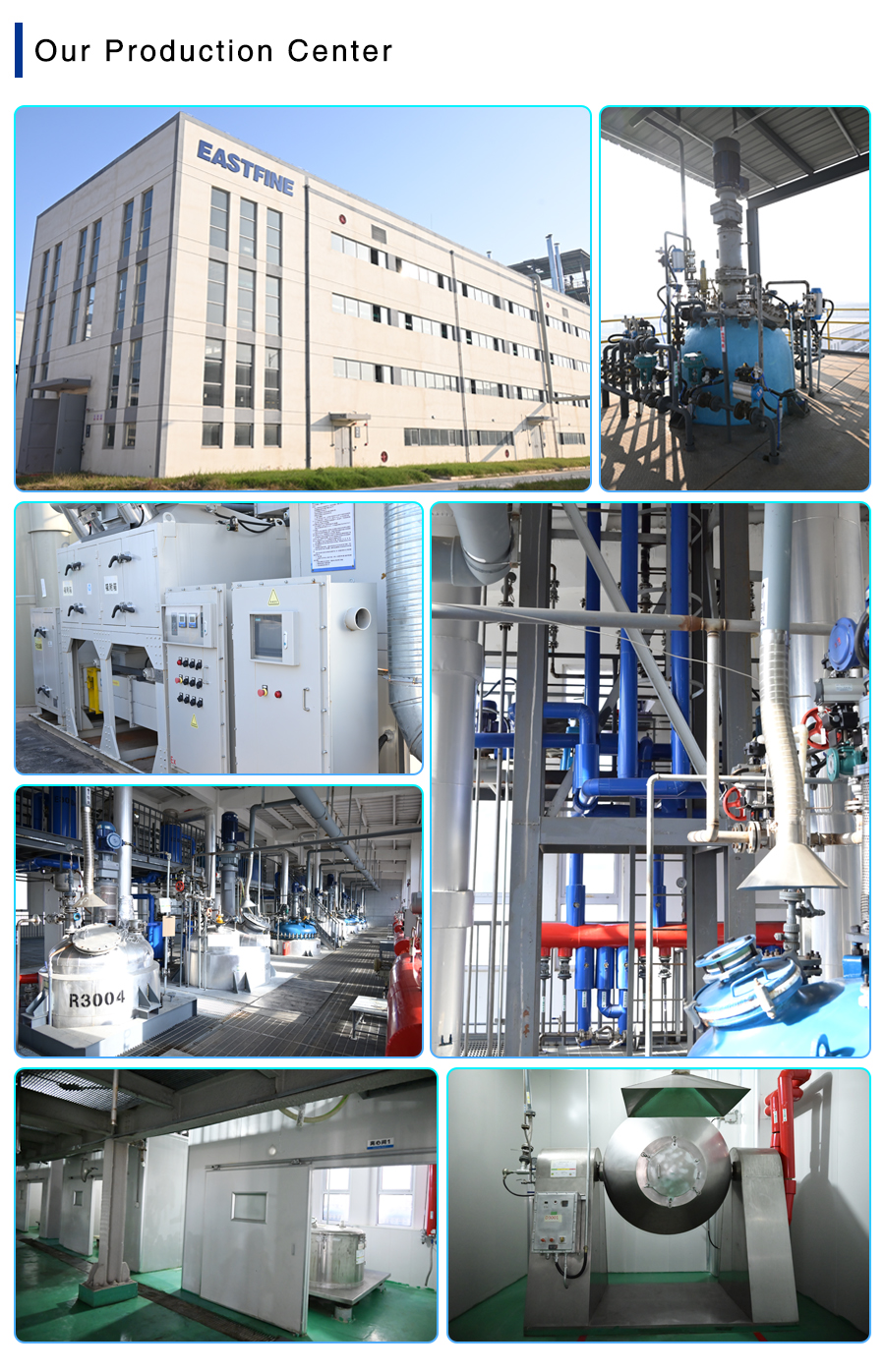
Used process solvents are continuously directed into automated fractional distillation columns operating under deep vacuum. This vacuum operation lowers boiling points, significantly reducing the thermal energy required to vaporize and separate the target solvents from heavy organic residues and distillation bottoms.
High-Efficiency Solvent Reutilization Metrics
The distilled solvents pass through online purity verifications, including gas chromatography and coulometric Karl Fischer moisture analysis. Once validated, the purified solvents are pumped directly back into the primary synthesis loop, achieving a closed-loop recycling efficiency that drastically lowers external solvent procurement requirements and hazardous waste incineration loads.
Life Cycle Assessment Validation, Carbon Accounting, and Supply Auditing
Following successful manufacturing and purification, the environmental performance data of the intermediate must be thoroughly processed and audited to support corporate compliance programs:
Conducting Standardized Cradle-to-Gate Life Cycle Assessments (LCA)
Representative production campaigns undergo comprehensive cradle-to-gate Life Cycle Assessments adhering strictly to ISO 14040 and ISO 14044 standards. This scientific evaluation tracks all material inputs, energy expenditures, water consumption metrics, and waste outputs, generating a verified data package that measures the environmental footprint of the intermediate.
Integrating Environmental Data into Corporate Carbon Ledgers
All calculated greenhouse gas emissions, energy efficiency indices, and water consumption metrics are systematically compiled and archived within our corporate Environmental Management System. This automated accounting provides down-stream procurement partners with clear, auditable documentation that supports their Scope 3 greenhouse gas reporting requirements during international sustainability disclosures.
Continuous Supply Chain and Environmental Auditing Audits
EASTFINE operates its manufacturing complexes under comprehensive ISO 14001 Environmental Management certifications. This operational framework guarantees that all emission controls, scrubbers, wastewater treatment facilities, and waste handling protocols function at peak efficiency, protecting your supply chain from environmental liabilities and supporting long-term regulatory compliance.
Comprehensive Green Chemistry and Sustainability Specification Matrix
To assist sustainability directors, process intensification engineers, and global procurement managers during supplier qualification reviews and carbon accounting audits, our operations departments maintain a standardized eco-efficiency performance profile.
| Eco-Efficiency Parameter | Traditional Industrial Batch Profile | EASTFINE Intensified Green Profile | Direct Industrial and ESG Manufacturing Impact |
| Process Environmental Factor | High E-Factor range (15 to 25) | Optimized low E-Factor (≤ 4.5) | Drastically minimizes hazardous waste volume and lowers downstream disposal costs. |
| Solvent Recovery Efficiency | Typically ≤ 40% (high incineration) | Advanced closed-loop recovery ≥ 92% | Shields raw material costs from petrochemical price shocks and solvent volatility. |
| Nitrating Acid Consumption | Heavy excess (requires massive neutralization) | Near-stoichiometric flow feeding | Minimizes total inorganic salt loads in process wastewater streams. |
| Process Automation Profile | Manual batch charging and control | Fully automated continuous flow | Eliminates operator exposure risks and ensures exceptional batch-to-batch consistency. |
Why Choose EASTFINE? Your Partner for Secure Commercial Scale-Up
When an advanced crop protection molecule transitions from initial laboratory development into multi-ton commercial production, selecting a technically capable and environmental-aware chemical partner is essential. Established in 1995, EASTFINE is a leading global direct manufacturer of premium 2-Chloro-4-fluoro-5-nitrobenzoic acid.
Technical Innovation Anchored by Doctoral R&D Teams
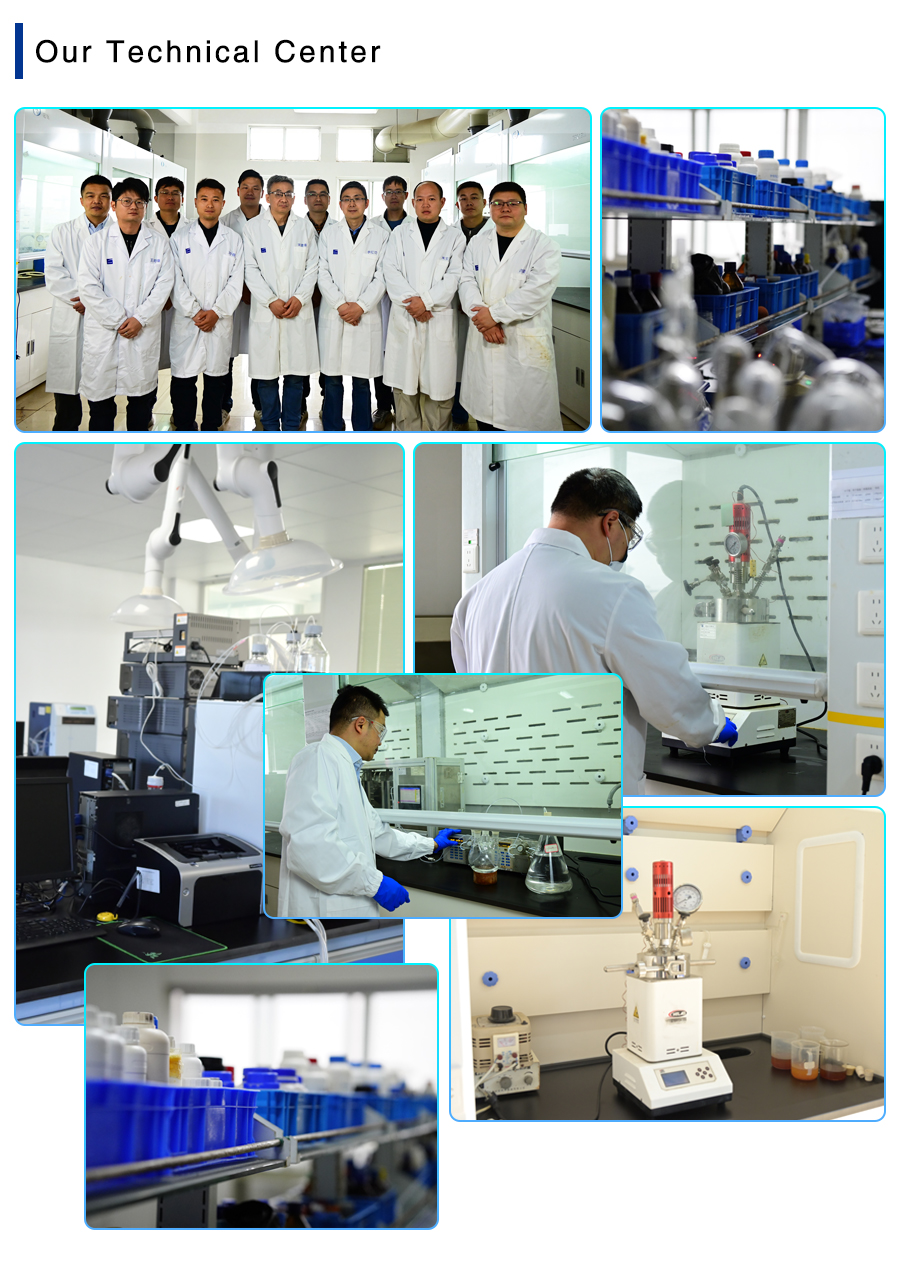
Our chemical manufacturing lines and green process protocols are designed and continuously optimized by a corporate R&D department led by process chemists holding doctoral degrees. This technical leadership has successfully secured 19 invention patents and 8 utility model patents focused on high-efficiency synthesis, continuous-flow microreactor integration, and advanced crystallization chemistry. By optimizing our core processing, we deliver an intermediate that helps downstream partners minimize physical variations and maximize manufacturing efficiency.
Dual-Site Production Redundancy and Supply Security (Dalian & Heze)
In today's complex international regulatory and environmental landscape, supply chain redundancy is an absolute requirement for long-term planning. EASTFINE operates two fully mirrored, large-scale manufacturing complexes in Dalian and Heze. This dual-site setup guarantees an uninterrupted supply of high-purity intermediates; if one plant undergoes a scheduled environmental audit or local maintenance cycle, the sister facility can expand its output to seamlessly fulfill long-term commercial contracts.
Complete Analytical Validation and Traceability Dossiers
Navigating strict international registration pathways requires absolute data transparency and robust analytical backing. EASTFINE accompanies every batch of CAS No. 114776-15-7 with a comprehensive analytical package, including high-resolution liquid chromatography (HPLC) charts, precise melting point verifications, and detailed moisture measurements. Our rigorous quality control simplifies your raw material validation workflows, providing a clear auditing trail for global regulatory bodies.

Conclusion: Securing Process Efficiency through Sustainable Engineering
Achieving high active-ingredient output and dependable batch safety during commercial scale-up requires complete authority over both reaction kinetics and sustainable process design. Unoptimized manufacturing pathways, excessive solvent consumption, or unmanaged waste streams when handling 2-Chloro-4-fluoro-5-nitrobenzoic acid (CAS No. 114776-15-7) can cause cost inflation, regulatory compliance delays, and supply chain vulnerabilities.
Partnering with EASTFINE provides your engineering and procurement teams with an analytically verified, sustainably manufactured intermediate. Backed by thirty years of direct manufacturing authority, advanced proprietary intellectual property, and a highly secure dual-site production model, EASTFINE helps you build exceptionally clean, efficient, and regulatory-secure agrochemical manufacturing processes.


 English
 العربية
 Français
 Русский
 Español
 Português
 Deutsch
 italiano
 日本語
日本語 한국어
한국어 Nederlands
 Tiếng Việt
 ไทย
ไทย Polski
 Türkçe
 አማርኛ
አማርኛ ພາສາລາວ
 Bahasa Melayu
 ဗမာစာ
ဗမာစာ Filipino
 Bahasa Indonesia
 magyar
 Română
 Čeština
 қазақ
қазақ Српски
 हिन्दी
 فارسی
فارسی Kiswahili
 Slovenčina
 Slovenščina
 Norsk
Norsk Svenska
 українська
 Ελληνικά
 Suomi
Suomi עברית
עברית Dansk
Dansk اردو
اردو Shqip
Shqip বাংলা
বাংলা Hrvatski
 Gaeilge
 Eesti keel
 Oʻzbekcha
 latviešu
 Azərbaycan dili
 Български
 ქართული
 íslenska
 Lietuvių


 简体中文
简体中文


