


Views: 0 Author: Site Editor Publish Time: 2026-06-24 Origin: Site
In the global crop protection sector, navigating regulatory approval systems has become increasingly complex. International oversight bodies have significantly expanded their scrutinization metrics, shifting focus from major composition parameters to the strict control of trace-level impurities. Chemical intermediates used to build modern active ingredients face deep regulatory audits to confirm the absence of hazardous byproducts that could compromise downstream toxicity profiles or lead to environmental accumulation.
For regulatory affairs directors and quality compliance heads managing advanced herbicide registration dossiers, establishing an airtight analytical profile for 2-Chloro-4-fluoro-5-nitrobenzoic acid (CAS No. 114776-15-7) is a critical commercial mandate. Due to its densely substituted aromatic core, the manufacturing process involves aggressive nitration and halogenation sequences.
If these reaction vectors are not carefully controlled, they can generate trace positional isomers and structural anomalies that carry toxicological risks.
If these trace impurities are left unmapped during data submission, global registration packages can face unexpected rejections, costly administrative holds, or demands for extensive multi-year toxicological feeding studies. Identifying, profiling, and quantifying these micro-contaminants at parts-per-million levels is essential for mitigating risk and securing smooth market entry.
At EASTFINE, we address these strict compliance challenges by employing advanced ultra-performance liquid chromatography and high-resolution mass spectrometry, providing our partners with an intermediate that simplifies international validation and accelerates active ingredient registration.
2-Chloro-4-fluoro-5-nitrobenzoic acid is a highly functionalized aromatic core engineered to serve as a structurally defined, electronically active building block for selective crop protection synthesis. The compound is defined by the chemical formula C7H3ClFNO4, positioning four distinct functional groups around a single benzene core.
The carboxylic acid group located at position 1 functions as the primary anchoring point for subsequent condensation, amidation, or esterification pathways. The chlorine atom at position 2 introduces localized steric constraints, while the fluorine atom at position 4 and the nitro group at position 5 operate as powerful electron-withdrawing groups. This combined electronic withdrawal heavily activates the aromatic ring, making it highly responsive to rapid, regioselective nucleophilic aromatic substitution (SNAr) reactions during downstream heterocyclic construction.
From an analytical standpoint, premium-grade CAS No. 114776-15-7 presents as a stable, off-white crystalline solid with a sharp melting point range of 156°C to 158°C and a true density of 1.68 g/cm³. Maintaining high batch uniformity across commercial quantities is vital; any deviation in the melting point window or the appearance of anomalous crystalline color points immediately indicates the presence of unmanaged byproducts, which can complicate downstream processing and compromise regulatory compliance.
The specific electronic arrangement of 2-Chloro-4-fluoro-5-nitrobenzoic acid makes it a vital commercial intermediate across several prominent sectors of modern sustainable agriculture:
The main commercial application for this intermediate is the synthesis of high-efficiency protoporphyrinogen oxidase (PPO) inhibiting herbicides. These advanced crop protection assets offer exceptional weed-suppression metrics at exceptionally low application rates per hectare, drastically lowering the total chemical load introduced into global agricultural ecosystems.
In the commercial synthesis of advanced uracil-class herbicides, the 2,4,5-trisubstituted benzoyl structure derived from this intermediate is integrated directly into the heterocyclic matrix. This structural integration provides excellent target-weed control while maintaining a highly predictable environmental degradation profile in field soils.
Derivatives of this intermediate are also utilized to synthesize selective chemical safeners that enhance crop tolerance to primary co-applied herbicides. These molecules trigger temporary metabolic defense pathways within cash crops, preserving food plant health and maximizing agricultural yields under diverse environmental conditions.
Establishing complete authority over the micro-impurity profile of CAS No. 114776-15-7 yields definitive financial and strategic advantages for global agrochemical brands:
Providing data packages that include complete trace impurity mapping ensures immediate compliance with the stringent registration requirements of the US EPA, European EFSA, and China ICAMA. This analytical transparency eliminates unexpected requests for data clarification, preventing costly product launch delays.
Ensuring that technical intermediates are completely free from unmapped genotoxic or mutagenic impurities prevents downstream contamination of the final active ingredient. This proactive purification protects agricultural brands from long-term environmental liabilities, crop damage lawsuits, and expensive global product recalls.
An intermediate characterized by an exceptionally clean and stable impurity profile behaves predictably during large-scale manufacturing runs. Eliminating variable trace contaminants prevents unexpected catalyst poisoning or side-reaction vectors, ensuring consistent yields and stable processing cycles across continuous-flow operations.
Controlling the purity profile of a highly substituted benzoyl ring requires an intimate understanding of competitive reaction pathways and trace-level analytical mechanics.
During the industrial nitration phase required to install the nitro group at position 5, minor variations in acid concentration or thermal distribution can cause nitration at position 3 or position 6. These trace regioisomers are structurally similar to the target molecule, making them exceptionally difficult to remove during standard crystallization and introducing unmapped toxicological variations into the downstream matrix.
Certain nitroaromatic and halogenated byproducts can present structural alerts indicating potential genotoxic or mutagenic activity. Regulatory bodies enforce strict threshold limits on these components, often requiring quantification down to parts-per-million levels to guarantee that the final crop protection asset poses no risk to non-target organisms or human consumers.
By providing an intermediate produced via highly optimized manufacturing pathways and backed by complete impurity validation, EASTFINE enables downstream partners to maintain a clean, safe, and regulatory-secure crop protection manufacturing loop.
Achieving low impurity metrics and high material consistency on an industrial scale requires a coordinated approach that integrates process controls, selective crystallization, and state-of-the-art chromatography:
The primary tool for verifying chemical purity and mapping trace contaminants is high-performance liquid chromatography paired with specialized detection arrays.
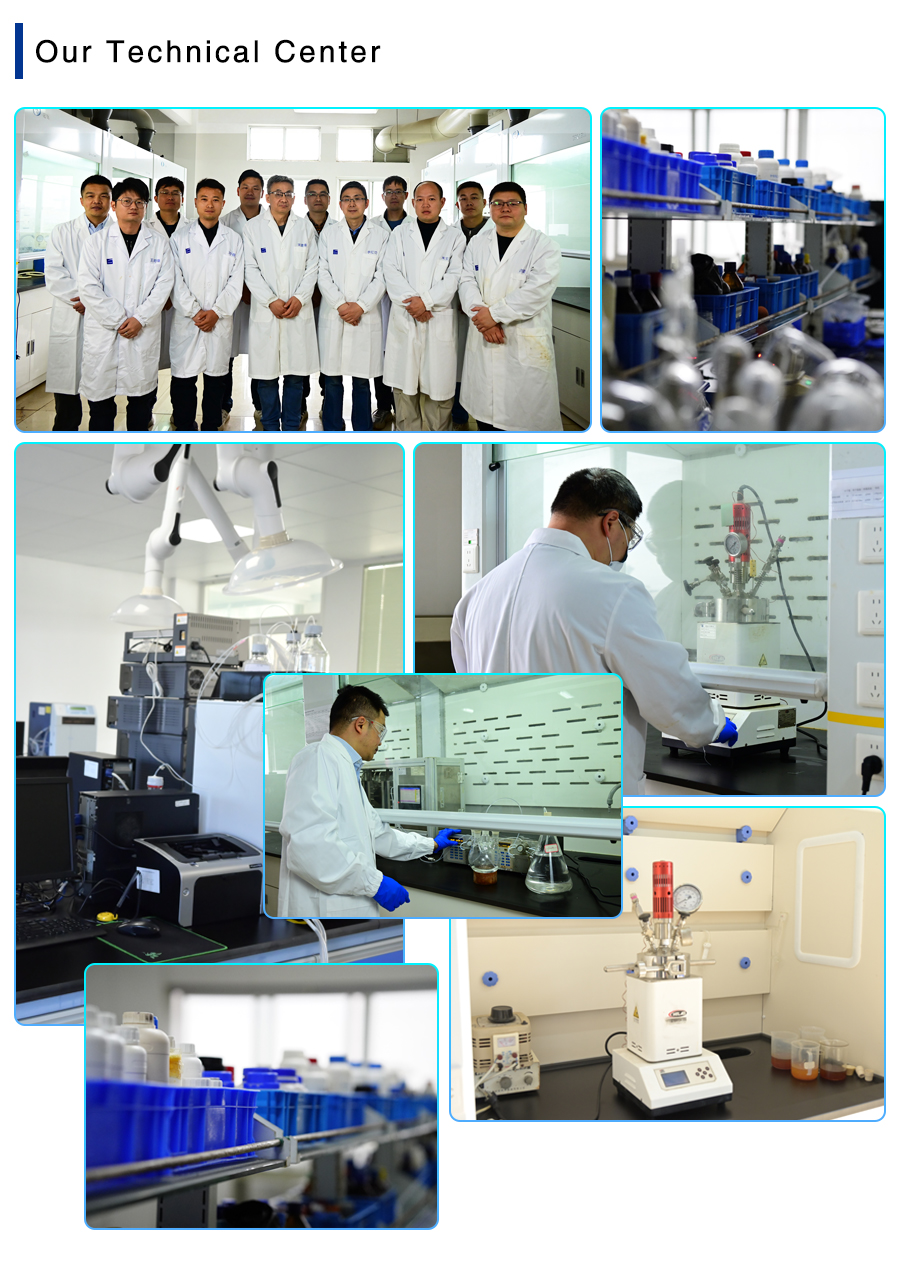
Quality control teams utilize high-resolution HPLC systems equipped with photodiode array detectors to scan outbound batches across a wide ultraviolet spectrum. This comprehensive optical scanning ensures that trace impurities with overlapping retention times are accurately identified, quantified, and resolved against the primary product peak.
For the monitoring of potential genotoxic impurities that fall below standard UV detection thresholds, samples are analyzed using liquid chromatography coupled with tandem mass spectrometry (LC-MS/MS). Operating under multiple reaction monitoring modes, this equipment detects and quantifies trace contaminants down to sub-ppm levels, ensuring full compliance with international safety guidelines.
Eliminating unwanted positional isomers requires precise control over the final solid-state isolation phase.
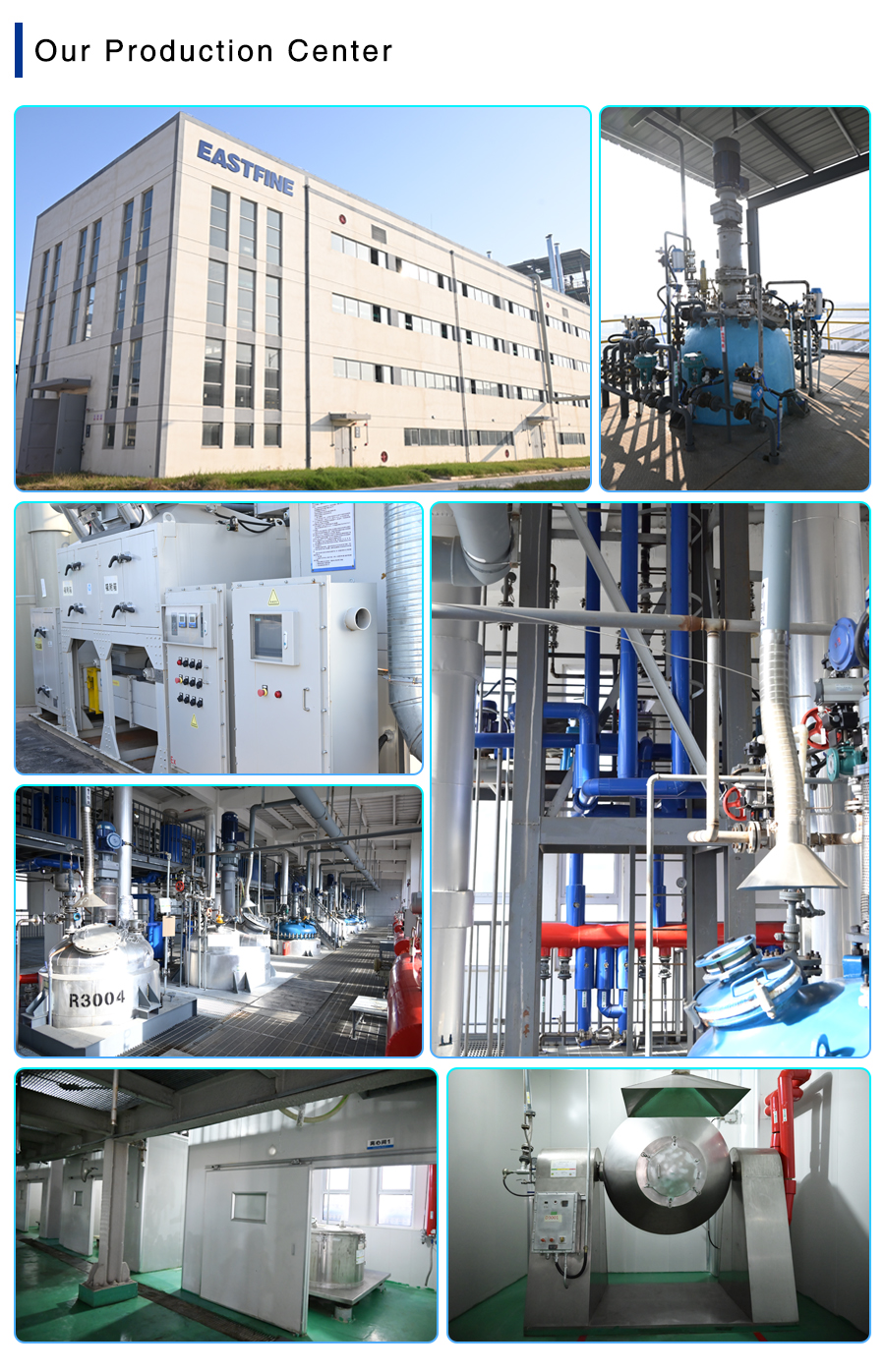
Process engineers utilize specialized solvent-antisolvent mixtures combined with controlled multi-stage cooling profiles to govern the crystallization of CAS No. 114776-15-7. This precise thermodynamic management ensures that the target molecule crystallizes out in a highly pure state, while unwanted regioisomers remain completely trapped within the liquid mother-liquor phase.
Following crystallization, the wet cake is transferred into automated, closed-loop industrial centrifuges where it undergoes multi-stage washing with chilled organic solvents. This continuous washing cycle effectively removes trace surface-bound impurities and residual processing acids, creating a highly stable crystalline powder with an exceptionally clean chemical signature.
Following manufacturing and analytical purification, the intermediate's compliance data must be carefully processed and archived to support global registration workflows:
To satisfy the requirements of international regulatory bodies, representative batches from commercial campaigns undergo formal six-batch validation studies. This testing provides full statistical documentation regarding chemical purity, trace impurity profiles, and batch-to-batch consistency, delivering the verified raw data required for the preparation of global registration dossiers.
All analytical workflows, instrument calibrations, and manufacturing logs are managed under a strict ISO 9001 certified Quality Management System. This operational framework guarantees complete data integrity and full audit trails; every chromatogram and mass spectrum is permanently linked to its respective production batch, providing total security during international regulatory audits.
EASTFINE supplies every outbound shipment of CAS No. 114776-15-7 with a complete regulatory support package. This dossier includes high-resolution HPLC traces, mass spectrometry verifications, detailed structural identification profiles for trace byproducts, and formal certificates of analysis, simplifying your raw material validation processes and lowering administrative barriers.
To assist regulatory affairs directors and quality assurance managers during supplier qualification audits and risk assessments, our compliance departments maintain a verified purity performance profile.
| Analytical Parameter | Standard Industrial Intermediate | EASTFINE Agrochemical Registration Grade | Direct Impact on Global Registration Dossiers |
|---|---|---|---|
| Primary Chemical Purity | Typically 97.5% to 98.5% | Guaranteed premium purity ≥ 99.0% | Eliminates unmapped background noise in downstream active ingredient analysis. |
| Total Regioisomeric Content | Variable (often up to 1.50%) | Controlled strictly to ≤ 0.15% | Prevents the formation of structural isomers during active ingredient synthesis. |
| Trace Genotoxic Impurities | Unmonitored or unquantified | Quantified via LC-MS/MS to sub-ppm levels | Completely satisfies the strict safety requirements of the US EPA and EFSA. |
| Residual Heavy Metal Matrix | General screening only | Verified ultra-low trace metals (≤ 10 ppm) | Protects downstream catalytic systems from poisoning and unexpected degradation. |
When an advanced crop protection molecule transitions from initial laboratory development into multi-ton commercial production, selecting a technically capable and regulatory-aware chemical partner is essential. Established in 1995, EASTFINE is a leading global direct manufacturer of premium 2-Chloro-4-fluoro-5-nitrobenzoic acid.

Our chemical manufacturing lines and analytical tracking protocols are designed and continuously optimized by a corporate R&D department led by process chemists holding doctoral degrees. This technical leadership has successfully secured 19 invention patents and 8 utility model patents focused on high-selectivity catalytic nitration, efficient isomer separation, and advanced aromatic crystallization chemistry. By optimizing our core processing, we deliver an intermediate that helps downstream partners minimize analytical variations and maximize manufacturing efficiency.
In today's complex international regulatory and environmental landscape, supply chain redundancy is an absolute requirement for long-term planning. EASTFINE operates two fully mirrored, large-scale manufacturing complexes in Dalian and Heze. This dual-site setup guarantees an uninterrupted supply of high-purity intermediates; if one plant undergoes a scheduled environmental audit or local maintenance cycle, the sister facility can expand its output to seamlessly fulfill long-term commercial contracts.
Navigating strict international registration pathways requires absolute data transparency and robust analytical backing. EASTFINE accompanies every batch of CAS No. 114776-15-7 with a comprehensive analytical package, including high-resolution liquid chromatography (HPLC) charts, precise melting point verifications, and detailed moisture measurements. Our rigorous quality control simplifies your raw material validation workflows, providing a clear auditing trail for global regulatory bodies.
Achieving high active-ingredient output and dependable batch safety during commercial scale-up requires complete authority over both reaction kinetics and advanced impurity characterization. Unmapped trace contaminants, variable isomer ratios, or undocumented impurities when handling 2-Chloro-4-fluoro-5-nitrobenzoic acid (CAS No. 114776-15-7) can cause registration rejections, market entry delays, and costly manufacturing variations.
Partnering with EASTFINE provides your engineering and regulatory teams with an analytically verified, exceptionally pure intermediate. Backed by thirty years of direct manufacturing authority, advanced proprietary intellectual property, and a highly secure dual-site production model, EASTFINE helps you build exceptionally clean, efficient, and regulatory-secure agrochemical manufacturing processes.


 简体中文
简体中文

