Introduction: The Physical Chemistry Bottlenecks of Industrial Solid Isolation
In the commercial manufacturing of advanced agrochemical intermediates, the final chemical conversion step is only half the battle. The ultimate efficiency of a multi-ton manufacturing campaign is frequently dictated by the physical chemistry of the isolation phase. When transitioning a multi-substituted aromatic acid from a hot processing solution into a dry crystalline powder, chemical engineers must navigate the complex landscapes of supersaturation, crystal nucleation kinetics, and phase behavior.
For engineering teams processing 2-Chloro-4-fluoro-5-nitrobenzoic acid (CAS No. 114776-15-7) as a core herbicide building block, controlling this solid-state transformation is a critical operational parameter. CAS No. 114776-15-7 possesses a unique molecular profile featuring a carboxylic acid group, a chlorine atom, a fluorine atom, and a nitro group arranged around a single benzene core.
This combination of highly polar and highly electronegative functional handles creates strong intermolecular hydrogen bonding and packing forces, making the molecule prone to erratic crystallization behaviors if thermal trajectories are unmanaged.
If a crystallization process is executed without precise thermodynamic control, the intermediate can easily precipitate as an inconsistent mixture of fragile, needle-like crystals or unfilterable amorphous aggregates. This physical variance can lead to solvent entrapment, extended filtration cycles in bulk agitated filter-dryers, and unstable melting profiles that disrupt downstream processing.
At EASTFINE, we eliminate these solid-isolation vulnerabilities by delivering high-purity intermediates under strict crystalline control, enabling downstream engineers to establish reliable cooling trajectories and ensure rapid solid-liquid separation.
What is 2-Chloro-4-fluoro-5-nitrobenzoic acid (CAS No. 114776-15-7)?
2-Chloro-4-fluoro-5-nitrobenzoic acid is a highly functionalized benzoic acid derivative engineered to serve as a structurally rigid and electronically activated bridge in heterocyclic agrochemical synthesis. The molecular composition is defined by the formula C7H3ClFNO4, locking a specific arrangement of chemical handles onto a single aromatic ring.
The presence of the carboxylic acid group at position 1 establishes a powerful hydrogen-bonding donor and acceptor site. This polar anchor works alongside the ortho-chlorine handle at position 2, the highly electronegative fluorine atom at position 4, and the electron-withdrawing nitro group at position 5 to form a complex electronic matrix. This specific arrangement influences both the chemical reactivity of the ring and the physical stacking behavior of the molecules within a solid crystalline lattice.
On a physical scale, pure CAS No. 114776-15-7 presents as a stable crystalline solid with a sharp melting point range of 156°C to 158°C and a true density of 1.68 g/cm³. Maintaining this specific crystalline integrity across commercial quantities is vital for large-scale operations; a well-defined crystal matrix ensures uniform dissolution kinetics, predictable bulk density, and consistent mass transfer behavior during industrial scale-up operations.
Applications of 2-Chloro-4-fluoro-5-nitrobenzoic acid
The specific physical and chemical characteristics of 2-Chloro-4-fluoro-5-nitrobenzoic acid make it an essential intermediate across several core sectors of advanced crop protection:
Production of High-Selectivity PPO Herbicides
The main commercial destination for this intermediate is the high-volume production of protoporphyrinogen oxidase (PPO) inhibiting herbicides. These modern agrochemical assets provide exceptional control over invasive broadleaf weeds in major food crops, requiring high-purity building blocks to guarantee product uniformity and field safety metrics.
Synthesis of Fluorine-Containing Uracil Molecules
In the industrial synthesis of advanced uracil-class herbicides, the 2,4,5-trisubstituted benzoyl structure derived from this intermediate is integrated directly into the heterocyclic core. This configuration imparts exceptional system stability to the herbicide, allowing it to resist rapid enzymatic degradation in target soil environments.
Construction of Specialized Functional Crop Safeners
Derivatives of this intermediate are also utilized to formulate selective chemical safeners that protect valuable cash crops from localized chemical stress. These specialized compounds temporarily modify plant enzyme pathways, enhancing crop tolerance to primary herbicide co-applications without reducing weed-suppression efficacy.
Advantages of Crystalline Polymorph Control in Process Scale-Up
Establishing complete authority over the crystallization thermodynamics of CAS No. 114776-15-7 delivers distinct operational and financial benefits to commercial fine chemical facilities:
Maximization of Filtration Flux Rates
Controlling the crystal size distribution ensures the growth of large, block-like prismatic crystals rather than thin, fragile needles. Prismatic crystal beds form a highly porous filter cake that maximizes the liquid filtration flux, drastically reducing the cycle time required to pull mother liquors through large-scale agitated Nutsche filter-dryers.
Reduction of Volatile Organic Solvent Entrapment
Uniform crystal growth eliminates the formation of internal voids or jagged crystal clusters that trap mother liquors via capillary forces. Minimizing this solvent entrapment means that the resulting filter cake requires fewer wash cycles and can be dried at lower temperatures, saving energy and preventing thermal degradation.
Mitigation of Static Charge Accumulation in Powder Handling
Crystals isolated with a narrow size distribution and minimal fine particulates exhibit favorable powder-flow characteristics. This consistency eliminates erratic bulk density variations and minimizes the accumulation of static electricity during drum-charging and pneumatic-conveying phases, significantly reducing dust explosion risks in packaging suites.
Interface Physics of Crystallization Energetics
Developing a robust industrial isolation process requires a thorough understanding of the thermodynamic and kinetic forces that govern crystal formation from a solution.
The Desired Metastable Zone Trajectory:
In an optimized crystallization loop, the solution is guided carefully within its metastable zone, where the concentration is high enough to support crystal growth but low enough to avoid spontaneous secondary nucleation. This careful balancing ensures that solute molecules deposit uniformly onto existing seed crystals, yielding thick, structurally sound prisms with a high filtration efficiency.
The Unwanted Amorphous Fouling Cascade:
If the cooling rate is too aggressive or if the mixing dynamics are poorly calibrated, the solution enters a state of labile supersaturation. This extreme state triggers an uncontrolled nucleation burst, generating millions of ultra-fine particles or trapping amorphous gels that blind the filter cloths, stall production lines, and lock in unacceptably high levels of impurities.
By providing an intermediate with a highly consistent impurity profile and zero trace isomer contamination, EASTFINE ensures that the boundary of the metastable zone remains stable from batch to batch, allowing process engineers to program reliable, highly repeatable cooling paths.
Process Engineering of Solid Isolation Loops
Maintaining strict control over the solid-state properties of CAS No. 114776-15-7 during industrial processing requires a coordinated engineering approach combining solvent selection, seeding techniques, and controlled drying mechanics:
Thermodynamic Solvent Selection and Supersaturation Tuning
The choice of crystallization solvent dictates the shape and size of the resulting crystals by influencing how individual molecular faces interact with the liquid phase.
Balancing Solubility via Binary Solvent Systems
Process engineers typically utilize a binary solvent system consisting of an organic solvent like an alcohol or acetate paired with an anti-solvent. This combination allows for precise adjustments to the solubility curve, enabling high material yields while preventing the rapid precipitation events that often occur in single-solvent setups.
Implementing Controlled Automated Seeding Protocols
Rather than allowing the system to nucleate randomly, the reactor is cooled to a specific temperature within the metastable zone and charged with a precise mass of milled seed crystals. This controlled seeding provides a defined surface area for crystal growth, bypassing the unpredictable primary nucleation phase and ensuring a uniform crystal size distribution.
Mechanical Engineering of Cake Deliquoring and Vacuum Drying
Once the crystal slurry is transferred to an agitated Nutsche filter-dryer, the mechanical handling of the bed determines final product quality.
Optimizing Agitator Blade Smoothing Trajectories
During the filtration phase, the filter-dryer's S-blade agitator is operated at low rotational speeds to gently smooth the surface of the cake without crushing individual crystals. This gentle smoothing prevents the formation of cracks and bypass channels in the cake, ensuring that subsequent washing solvents pass uniformly through the entire bed to rinse away trace mother liquors.
Low-Temperature Vacuum Drying and Cake Turnover Kinetics
The final drying step is conducted under a deep vacuum with gentle heating applied through both the vessel jacket and the internal agitator shaft. Rotating the blade periodically ensures efficient cake turnover and rapid heat transfer, allowing residual solvents to evaporate quickly at low temperatures without causing thermal decarboxylation or surface sintering.
Dry Powder Handling, Packaging Safety, and Storage Logistics
Following successful isolation and drying, the bulk intermediate powder must be handled and packaged under strict environmental and containment protocols:
High-Containment Discharge and Packaging Infrastructure
The dried powder must be discharged from the filter-dryer through closed-loop continuous-liner systems or split butterfly valves. These engineering containment systems prevent fine chemical dust from escaping into the workplace atmosphere, protecting operators from respiratory risks and keeping the facility clean.
Dissipative Grounding Networks and Static Mitigation
Because fine organic powders can accumulate significant static charges during transfer, all storage drums, transfer hoppers, and discharging lines must be integrated into a certified electrical grounding network. The use of conductive or dissipative polymer drum liners is mandatory to prevent spark discharges during bulk powder transfers.
Humidity-Controlled Warehousing and Logistics
The packaged intermediate must be stored in cool, dark, climate-controlled warehouses maintained below 25°C with active humidity monitoring. Because multi-substituted benzoic acids can absorb ambient moisture and form hard aggregates over time, storing the drums in a low-humidity environment is critical for preserving powder flowability and ensuring trouble-free downstream processing.
Comparative Physical and Processing Metrics of Material Purity
To assist solid-state development teams and plant managers during equipment design and scheduling, our quality control departments maintain a physical validation matrix tracking core processing parameters.
| Solid-State Isolation Parameter | Standard Commodity Grade Intermediate | EASTFINE Ultra-Pure Grade Intermediate | Direct Industrial Manufacturing Impact |
| Dominant Crystal Morphology | Variable (mixed needles and fine dust) | Uniform (thick prismatic blocks) | Eliminates filter blinding and reduces cake deliquoring times by up to 65%. |
| Mean Particle Size (d50 Parameter) | Broad distribution (15 to 45 microns) | Narrow distribution (120 to 180 microns) | Ensures excellent powder flowability and prevents handling issues in downstream hoppers. |
| Residual Solvent Content | High and variable (often >800 ppm) | Monitored to <200 ppm baseline | Accelerates vacuum drying cycles and guarantees compliance with strict environmental filings. |
| Bulk Cake Compressibility Index | High compressibility (prone to cracking) | Low compressibility (homogeneous bed) | Ensures highly efficient cake washing, reducing overall solvent consumption metrics. |
Why Choose EASTFINE? Your Partner for Secure Commercial Scale-Up
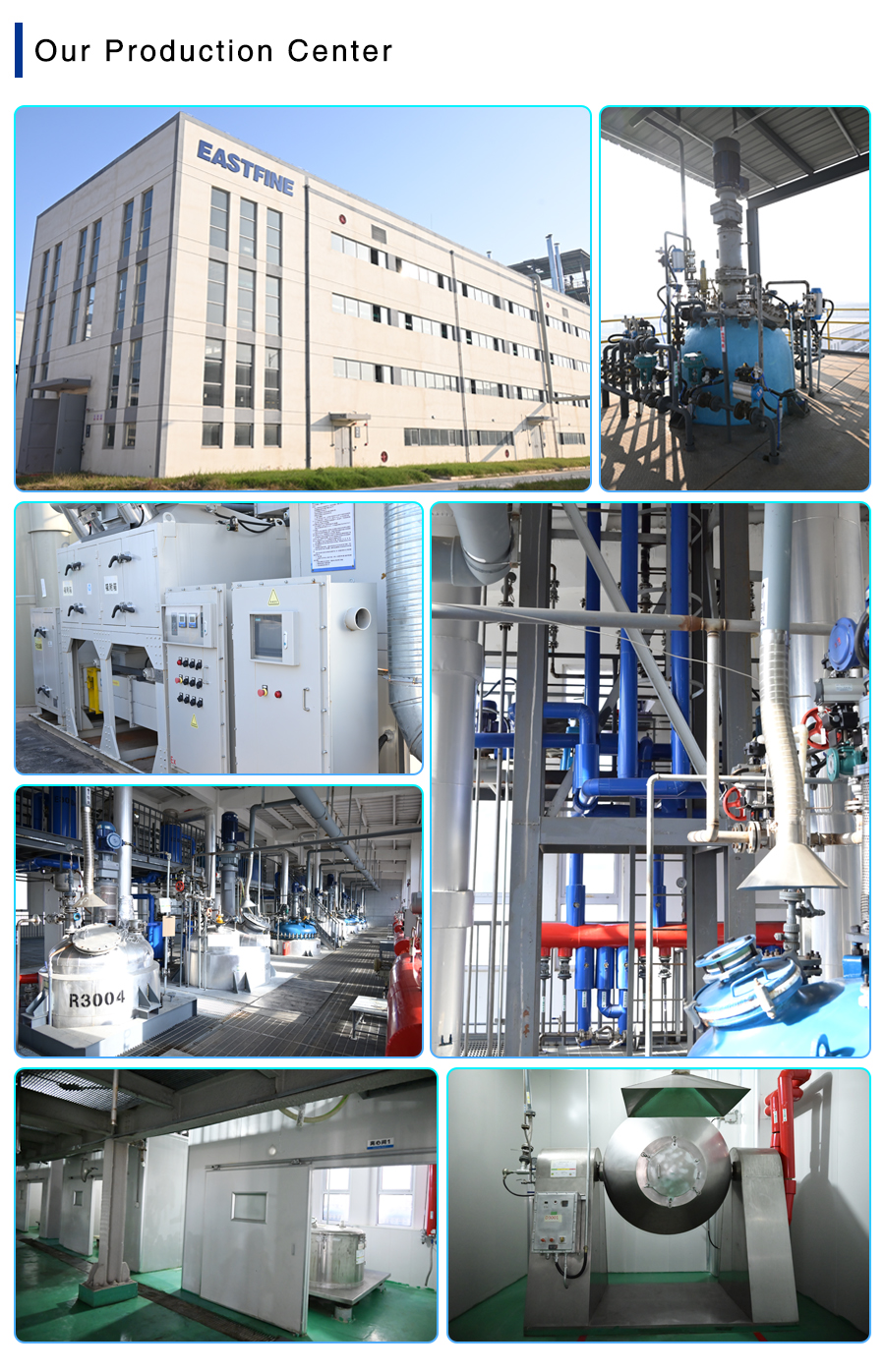
When an advanced crop protection molecule or high-volume agrochemical asset transitions to large-scale commercial production, choosing a technically dependable intermediate manufacturer is vital. Established in 1995, EASTFINE is a leading global direct producer of premium 2-Chloro-4-fluoro-5-nitrobenzoic acid.
Technical Leadership Anchored by Doctoral R&D Teams
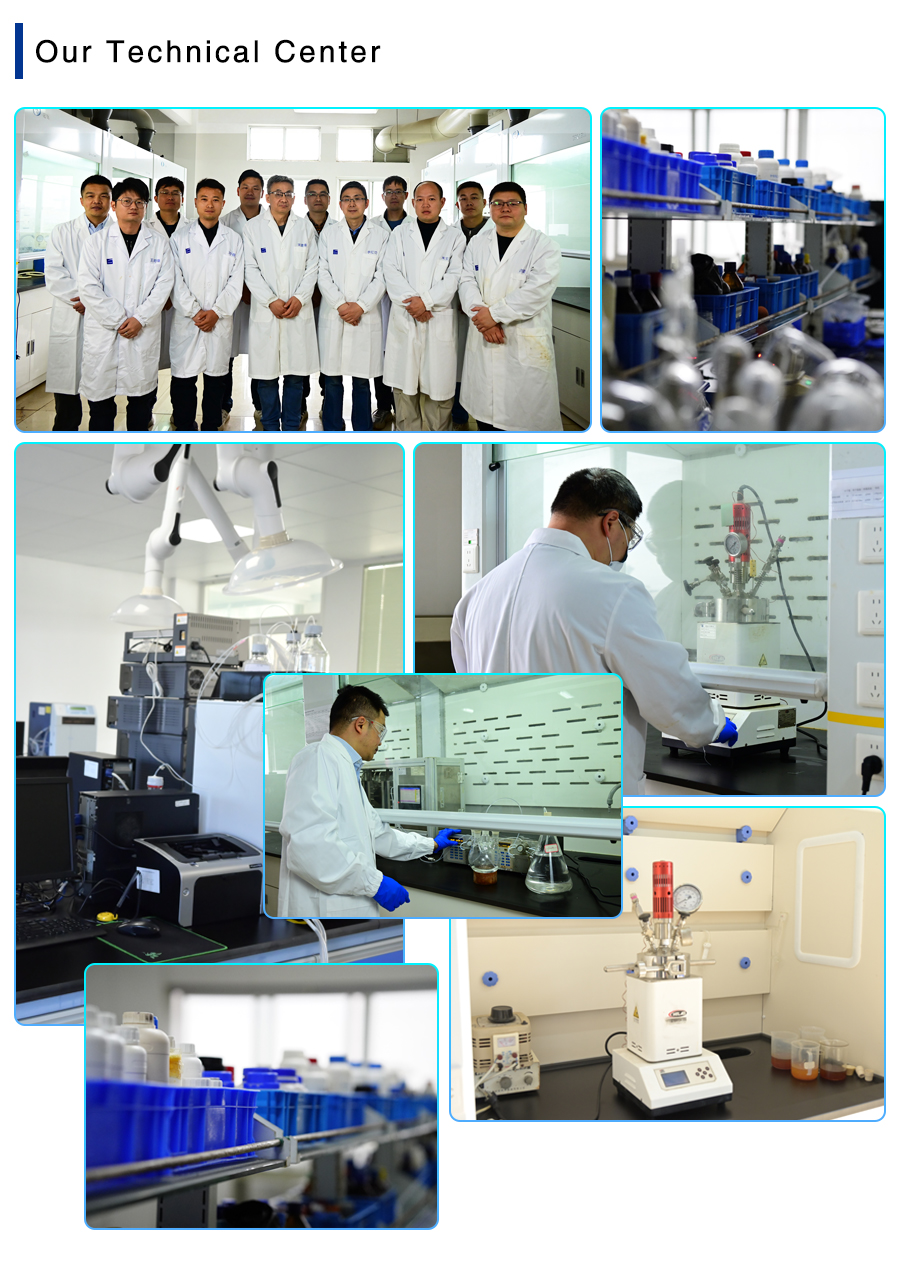
Our chemical production lines and physical isolation protocols are designed and constantly optimized by a corporate R&D department led by process chemists holding doctoral degrees. This technical leadership has successfully secured 19 invention patents and 8 utility model patents focused on high-efficiency catalytic synthesis and advanced aromatic crystallization chemistry. By optimizing our core processing, we deliver an intermediate that helps downstream partners minimize physical variations and maximize manufacturing efficiency.
Dual-Site Production Redundancy and Supply Security (Dalian & Heze)
In today's complex international regulatory landscape, supply chain security is an absolute requirement for long-term planning. EASTFINE operates two fully mirrored, large-scale manufacturing complexes in Dalian and Heze. This dual-site setup guarantees an uninterrupted supply of high-purity intermediates; if one plant undergoes scheduled maintenance or an environmental audit, the sister facility can expand its output to seamlessly fulfill long-term commercial contracts.
Complete Analytical Validation and Traceability Dossiers
Navigating strict regulatory filing processes requires absolute data transparency and robust analytical backing. EASTFINE accompanies every batch of CAS No. 114776-15-7 with a comprehensive analytical package, including high-resolution liquid chromatography (HPLC) charts, precise melting point verifications, and detailed moisture measurements. Our rigorous quality control simplifies your raw material validation workflows, providing a clear auditing trail for global regulatory bodies.

Conclusion: Securing Process Safety through Physical Precision
Achieving high chemical yields and predictable batch safety during commercial scale-up requires complete authority over both reaction kinetics and solid-state physical chemistry. Inconsistent crystalline morphologies, unmanaged particle size distributions, or residual solvent entrapment in low-grade 2-Chloro-4-fluoro-5-nitrobenzoic acid (CAS No. 114776-15-7) can cause filtration failures, handling issues, and costly process variations.
Partnering with EASTFINE provides your engineering team with an analytically verified, highly stable intermediate. Backed by thirty years of direct manufacturing authority, advanced proprietary intellectual property, and a highly secure dual-site production model, EASTFINE helps you build exceptionally clean, efficient, and regulatory-secure agrochemical manufacturing processes.


 English
 العربية
 Français
 Русский
 Español
 Português
 Deutsch
 italiano
 日本語
日本語 한국어
한국어 Nederlands
 Tiếng Việt
 ไทย
ไทย Polski
 Türkçe
 አማርኛ
አማርኛ ພາສາລາວ
 Bahasa Melayu
 ဗမာစာ
ဗမာစာ Filipino
 Bahasa Indonesia
 magyar
 Română
 Čeština
 қазақ
қазақ Српски
 हिन्दी
 فارسی
فارسی Kiswahili
 Slovenčina
 Slovenščina
 Norsk
Norsk Svenska
 українська
 Ελληνικά
 Suomi
Suomi עברית
עברית Dansk
Dansk اردو
اردو Shqip
Shqip বাংলা
বাংলা Hrvatski
 Gaeilge
 Eesti keel
 Oʻzbekcha
 latviešu
 Azərbaycan dili
 Български
 ქართული
 íslenska
 Lietuvių


 简体中文
简体中文


