Introduction: The Strategic Prerequisite of Molecular Alignment in Androgen Receptor Antagonism
In the design of high-potency small-molecule targeted therapies, the clinical and commercial success of an active pharmaceutical ingredient is fundamentally determined by the structural activity relationships established at the intermediate stage. Discovery pipelines frequently engineer high-affinity lead candidates that provide exceptional enzyme or receptor inhibition in early screening assays. Transforming these hits into stable commercial drug assets requires chemical raw materials that possess highly precise electronic and spatial layouts capable of fitting neatly into target human biological receptor pockets while resisting rapid in vivo metabolic breakdown.
For discovery medicinal chemists, lead optimization leads, and process R&D directors developing advanced therapeutic portfolios for castration-resistant prostate cancer, mastering the molecular configuration of 4-Amino-2-(trifluoromethyl)benzonitrile (CAS No. 654-70-6) is an absolute technical requirement. This intermediate features a specific, dense arrangement of functional groups on a single aromatic ring, including a primary amine, a strongly electron-withdrawing trifluoromethyl segment, and a highly polarized cyano group.
The value of this exact orientation rests in how these functional modifiers interact to optimize the overall electronic distribution of the molecule, enabling the finished antiandrogen active ingredient to outcompete natural hormones within targeted human cellular pathways.
If downstream process lines or custom synthesis teams utilize low-tier intermediate lots characterized by positional impurities or trace structural variations, the target receptor alignment can be completely compromised. Even a minor shift in the position of the trifluoromethyl cluster or cyano linkage can drastically alter the molecule's electrostatic footprint, reducing biological binding affinity and introducing unwanted off-target interactions. Mitigating these molecular design risks requires partnering with an asset-backed direct manufacturer that implements absolute regioselective process control.
At EASTFINE, we support these critical medicinal chemistry workflows by delivering an intermediate with exceptional chemical and structural purity, ensuring highly predictable coupling reactions and reliable biological performance across your entire active ingredient manufacturing framework.
What is 4-Amino-2-(trifluoromethyl)benzonitrile (CAS No. 654-70-6)?
4-Amino-2-(trifluoromethyl)benzonitrile is a highly functionalized aromatic intermediate specifically configured to serve as a structurally precise building block for high-potency oncology therapeutics. The molecular framework is defined by the chemical formula C8H5F3N2, locking three highly distinct, interacting modifiers into precise relative positions on a single benzene core.
The molecular structure places a primary amine group at position 1, a strongly inductive trifluoromethyl cluster at position 2, and a highly polarized cyano linkage at position 4. The combination of the trifluoromethyl and cyano groups induces a powerful electronic withdrawal across the aromatic ring. This severe polarization alters the electron density of the primary amine, optimizing its nucleophilic behavior to participate cleanly in downstream acylation transformations, amide couplings, or heterocyclic condensations without triggering side-reactions on adjacent ring carbons.
From an analytical and material science perspective, premium pharmaceutical-grade CAS No. 654-70-6 presents as a highly stable, off-white to pale crystalline powder with a molecular weight of 186.13 g/mol, a sharp melting point range of 141°C to 145°C, and a true density of 1.37 g/cm³. Maintaining this high degree of structural and chemical uniformity across commercial batch volumes is critical; ensuring the material is free from trace positional isomers allows downstream chemists to maintain precise stoichiometric control, preventing catalyst deactivation or unmanaged side-products in automated high-throughput production lines.
Applications of 4-Amino-2-(trifluoromethyl)benzonitrile
The unique electronic distribution and precise spatial layout of 4-Amino-2-(trifluoromethyl)benzonitrile makes it an irreplaceable starting platform across several high-value therapeutic applications:
Construction of First-Generation Non-Steroidal Androgen Receptor Antagonists
The primary commercial application for this intermediate is the multi-ton synthesis of Bicalutamide. Within this synthetic pipeline, the primary amine group is coupled with advanced chiral segments to build the central amide linkage that forms the structural foundation of the final active drug molecule.
Assembly of Second-Generation Castration-Resistant Oncology APIs
In the commercial manufacturing of second-generation antiandrogens such as Enzalutamide, the 4-cyano-3-trifluoromethylphenyl pharmacophore ring derived from this building block is integrated directly into a central hydantoin core, providing the extreme binding affinity required to overcome mutated cellular resistances.
Formulation Reference Standards and Bioisosteric Profiling
Because this compound determines the electronic behavior of early-stage synthetic fragments, high-purity lots are maintained as physical reference tools. Testing laboratories utilize these stable materials to calibrate high-resolution liquid chromatography systems and validate global drug stability profiles.
Advantages of Advanced Structural Control in Intermediate Sourcing
Establishing complete control over the structural purity and electronic directs forces of CAS No. 654-70-6 delivers definitive commercial and operational advantages to global pharmaceutical networks:
Maximization of Receptor Binding Affinity in Commercial Active Ingredients
Utilizing an intermediate with absolute regioselective precision ensures that the finished API retains the exact electronic profile required for high-affinity receptor inhibition. This structural perfection translates directly into optimal biological potency and reliable clinical performance.
Complete Elimination of Parallel Impurity Pathways during Amide Coupling
Maintaining high isomeric purity prevents the formation of structural isomers or unreacted residues during downstream acylation. This clean reaction profile minimizes the need for extensive recrystallization or column chromatography, accelerating cycle times and increasing final manufacturing yields.
Streamlined Data Compilation for International Regulatory Filings
Providing global regulatory agencies with fully characterized raw materials backed by comprehensive analytical data simplifies the assembly of the Drug Master File. This deep data transparency minimizes regulatory follow-up questions and shortens review timelines for international drug approvals.
Structural Biology & Electronic Mechanics of Drug-Target Alignment
Exploitation of the chemical reactivity of a multi-substituted aromatic benzonitrile requires deep control over molecular orbital overlays, electrostatic potentials, and thermodynamic binding pathways.
The Core Mechanism of Trifluoromethyl Inductive Force Polarization:
The key structural feature of CAS No. 654-70-6 during active ingredient synthesis is the dense grouping of its electronegative modifiers. The trifluoromethyl segment located at position 2 exerts a powerful inductive electron-withdrawing effect across the aromatic core, which works in tandem with the highly polar cyano group at position 4. This combined electronic withdrawal significantly lowers the electron density of the benzene ring, enabling the molecule to engage in highly stable hydrophobic interactions and strong dipole-dipole alignments within target human receptor pockets.
The Role of the Cyano Linkage in Establishing Hydrogen-Bonding Arrays:
While the trifluoromethyl group provides the necessary lipophilic properties and local steric adjustments, the cyano linkage operates as a strong hydrogen-bond acceptor. When integrated into the finished active pharmaceutical ingredient, this nitrile group establishes highly specific hydrogen-bonding arrays with key amino acid residues in the target receptor domain, effectively locking the biological system in an inactive conformation and halting disease progression.
By maintaining complete control over these fundamental physical and structural properties, EASTFINE provides an intermediate that optimizes downstream processing efficiency and ensures exceptional compliance reliability across your entire synthetic network.
Process Engineering & Kinetic Optimization of Active Ingredient Synthesis Loops
Achieving high synthetic conversion and structural consistency on an industrial scale requires a coordinated approach that integrates precise parameter balancing, selective crystallization, and advanced analytical tracking:
Advanced Parameter Control during Acylation and Condensation Sequences
The primary methodology for scaling up active ingredient lines using CAS No. 654-70-6 involves the optimization of high-precision amine functionalization systems.
Precision Scavenger Selection and Amide Bond Engineering
Coupling the primary amine at position 1 with advanced chiral acid chloride segments or oxirane complexes requires the use of mild, non-nucleophilic acid scavengers in optimized organic solvents. Process engineers must balance reagent concentrations to achieve complete conversion without triggering competitive hydrolysis or degradation of the reactive cyano group.
Non-Linear Thermodynamic Profiling and Ring-Closure Adjustments
For active ingredients requiring a central heterocyclic structure, the reaction mass is managed along a tightly regulated thermal path. Initial coupling is performed at lower temperatures to prevent thermal decomposition, after which the matrix is heated along a non-linear thermodynamic curve to drive ring cyclization, maintaining a clean conversion profile without generating unreacted chemical residues.
Analytical Monitoring of Intermediate Conversion Metrics
Verifying the complete conversion and structural purity of the intermediate during large-scale manufacturing campaigns requires the utilization of advanced, high-speed analytical tracking.
High-Resolution In-Process Liquid Chromatography Validation
In-process quality control stations utilize automated, high-pressure liquid chromatography (HPLC) lines to sample the reaction mass at regular intervals. Technicians monitor the disappearance of the intermediate peak alongside the emergence of the coupled active molecule, ensuring the reaction is quenched at peak conversion to prevent over-reaction impurities.
High-Sensitivity Mass Spectrometry Regioisomeric Profiling
To guarantee compliance with international pharmaceutical registration metrics, the crude reaction mass is evaluated using gas chromatography-mass spectrometry (GC-MS). This high-sensitivity tracking confirms that the functional modifications remain perfectly aligned in the target 1,2,4-substitution pattern, ensuring the final batch remains completely free from trace positional isomers that could compromise therapeutic efficacy.
Post-Coupling Handling: Downstream Crystallization, Solid-State Isolation, and Polymorphic Control
Following successful acylation and structural validation, the resulting coupled derivative must be processed through optimized isolation and purification systems to prepare it for final OSD formulation:
Controlled Precipitation and Isolation of Coupled Intermediate Salts
The coupled derivative is converted into a stable crystalline matrix by introducing selective solvent-antisolvent systems. This purification step causes the target compound to precipitate cleanly from the liquid phase, allowing for highly efficient filtration while leaving trace chemical byproducts dissolved in the liquid mother liquor.
Low-Temperature Vacuum Conduction Drying and Volatile Removal
The isolated crystalline cake is dried inside closed-circuit vacuum conduction dryers operating under deep vacuum conditions. This low-temperature drying rapidly removes residual processing fluids without exposing the crystals to thermal stress, preventing heat-induced phase transitions and ensuring that volatile organic parameters easily satisfy international limits.
Analytical Validation of Complete Structural and Phase Purity
The final isolated active ingredient undergoes a complete analytical verification suite to document its physical and chemical properties. High-resolution nuclear magnetic resonance (NMR) spectroscopy and quantitative HPLC ensure that the molecular configuration remains perfectly uniform, providing a clear auditing trail for global regulatory bodies.
Comprehensive Structural and Chemical Performance Matrix
To support discovery scientists, process R&D chemists, and manufacturing managers during raw material evaluation and synthetic scale-up audits, our operations departments maintain a standardized performance profile for our advanced intermediate.
| Structural Process Parameter | Unoptimized Industrial Intermediate | EASTFINE High-Performance Grade | Direct Downstream Active Ingredient Sourcing Impact |
| Regioselective Substitution Purity | Inconsistent isomer control (≤ 98.5%) | Highly predictable selectivity (≥ 99.5%) | Eliminates competitive positional isomers, ensuring high active ingredient potency. |
| Amide Coupling Yield | Variable conversion yields (75% to 82%) | Optimized yield profile (≥ 95%) | Drastically lowers raw material consumption and optimizes production costs. |
| Downstream Purification Profile | Requires multiple recrystallizations | Clean crude conversion profile | Streamlines downstream manufacturing steps and shortens processing cycle times. |
| Moisture Content (Karl Fischer) | Variable performance (≥ 0.50%) | Strict moisture restriction (≤ 0.15%) | Prevents chemical caking and ensures uniform dissolution in reactors. |
Why Choose EASTFINE? Your Partner for Secure Commercial Scale-Up
When an advanced oncology molecule transitions from initial laboratory development into multi-ton commercial production, selecting a technically capable and logistically secure chemical partner is essential. Established in 1995, EASTFINE is a leading global direct manufacturer of premium 4-Amino-2-(trifluoromethyl)benzonitrile.

Technical Innovation Anchored by Doctoral R&D Teams
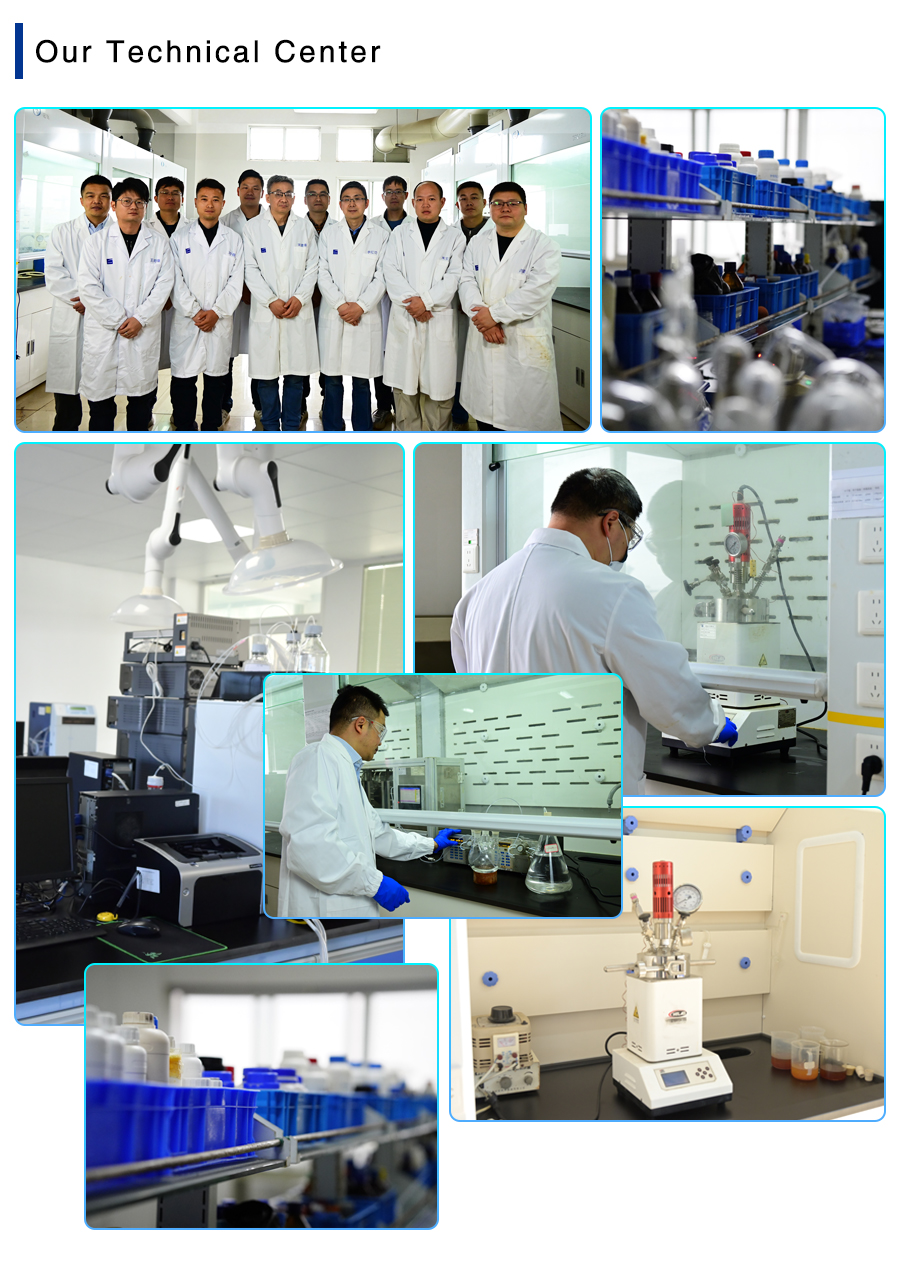
Our chemical manufacturing lines and high-precision analytical protocols are designed and continuously optimized by a corporate R&D department led by process chemists holding doctoral degrees. This technical leadership has successfully secured 19 invention patents and 8 utility model patents focused on high-selectivity synthesis, smart inline monitoring integration, and advanced purification chemistry. By optimizing our core processing, we deliver an intermediate that helps downstream partners minimize analytical variations and maximize manufacturing efficiency.
Dual-Site Production Redundancy and Supply Security (Dalian & Heze)
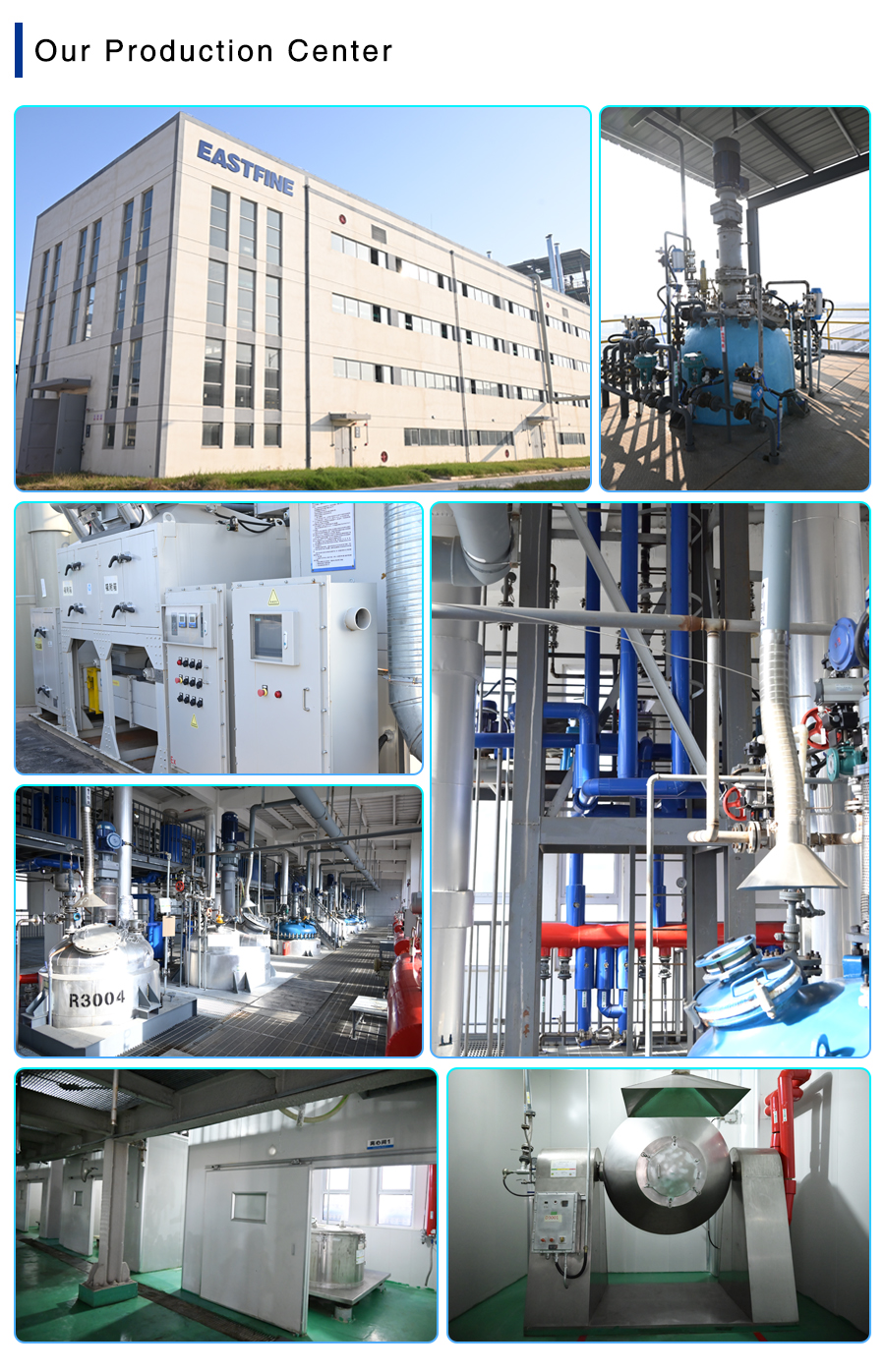
In today's complex international regulatory and environmental landscape, supply chain redundancy is an absolute requirement for long-term planning. EASTFINE operates two fully mirrored, large-scale manufacturing complexes in Dalian and Heze. This dual-site setup guarantees an uninterrupted supply of high-purity intermediates; if one plant undergoes a scheduled environmental audit or local maintenance cycle, the sister facility can expand its output to seamlessly fulfill long-term commercial contracts.
Complete Analytical Validation and Traceability Dossiers
Navigating strict international registration pathways requires absolute data transparency and robust analytical backing. EASTFINE accompanies every batch of CAS No. 654-70-6 with a comprehensive analytical package, including high-resolution liquid chromatography (HPLC) charts, precise melting point verifications, and detailed moisture measurements. Our rigorous quality control simplifies your raw material validation workflows, providing a clear auditing trail for global regulatory bodies.
Conclusion: Securing Manufacturing Efficiency through Synthetic Excellence
Achieving high active-ingredient output and dependable batch safety during commercial scale-up requires complete authority over both reaction kinetics and structural activity relationships. Variable intermediate purity, unmanaged positional isomers, or sluggish coupling kinetics when handling 4-Amino-2-(trifluoromethyl)benzonitrile (CAS No. 654-70-6) can cause manufacturing bottlenecks, lost yields, and costly validation delays.
Partnering with EASTFINE provides your engineering and process R&D teams with an analytically verified, highly pure chemical intermediate. Backed by thirty years of direct manufacturing authority, advanced proprietary intellectual property, and a highly secure dual-site production model, EASTFINE helps you build exceptionally clean, efficient, and regulatory-secure pharmaceutical manufacturing processes.


 English
 العربية
 Français
 Русский
 Español
 Português
 Deutsch
 italiano
 日本語
日本語 한국어
한국어 Nederlands
 Tiếng Việt
 ไทย
ไทย Polski
 Türkçe
 አማርኛ
አማርኛ ພາສາລາວ
 Bahasa Melayu
 ဗမာစာ
ဗမာစာ Filipino
 Bahasa Indonesia
 magyar
 Română
 Čeština
 қазақ
қазақ Српски
 हिन्दी
 فارسی
فارسی Kiswahili
 Slovenčina
 Slovenščina
 Norsk
Norsk Svenska
 українська
 Ελληνικά
 Suomi
Suomi עברית
עברית Dansk
Dansk اردو
اردو Shqip
Shqip বাংলা
বাংলা Hrvatski
 Gaeilge
 Eesti keel
 Oʻzbekcha
 latviešu
 Azərbaycan dili
 Български
 ქართული
 íslenska
 Lietuvių


 简体中文
简体中文


