Introduction: The Critical Role of Crystal Lattice Dynamics in Solid-State Processing
In the industrial manufacturing of premium agrochemicals, ensuring high chemical purity represents only a single dimension of technical compliance. The physical arrangement of molecules within a solid crystalline matrix—known as polymorphism—frequently dictates how a technical intermediate behaves during mechanical handling, bulk storage, and downstream formulation processing. For advanced multi-substituted aromatics, small changes in processing temperatures, solvent polarity, or mechanical stress can trigger unintended shifts in the crystal lattice.
For pre-formulation scientists and process engineers managing bulk crop-protection lines, understanding the solid-state behavior of 2-Chloro-4-fluoro-5-nitrobenzoic acid (CAS No. 114776-15-7) is a critical operational requirement. CAS No. 114776-15-7 features a benzene ring substituted with a carboxylic acid, a chlorine atom, a fluorine atom, and a nitro group.
This highly polar arrangement forms complex intermolecular hydrogen-bonding networks that can assemble into distinct polymorphic forms depending on crystallization conditions.
If these solid-state dynamics are left unmonitored during industrial scale-up, an intermediate batch can undergo spontaneous phase transitions during storage, leading to product caking, unexpected changes in dissolution rates, or chemical instability. Furthermore, processing an unstable polymorph can cause viscosity spikes in high-shear suspension concentrate mills, causing production line blockages and inconsistent field application metrics.
At EASTFINE, we eliminate these material vulnerabilities by utilizing advanced solid-state characterization tools like X-ray powder diffraction and thermal analysis, delivering an intermediate with a highly stable crystalline structure that ensures predictable processing performance.
What is 2-Chloro-4-fluoro-5-nitrobenzoic acid (CAS No. 114776-15-7)?
2-Chloro-4-fluoro-5-nitrobenzoic acid is a highly functionalized aromatic building block engineered to provide precise spatial orientation and activated chemical sites for high-potency agrochemical synthesis. The compound is defined by the molecular formula C7H3ClFNO4, locking a specific array of functional handles onto a single benzene ring.
The carboxylic acid group at position 1 acts as a polar handle for subsequent esterification or heterocyclic ring-closure chemistry. The chlorine atom at position 2 introduces localized steric hindrance, while the fluorine atom at position 4 and the nitro group at position 5 operate as powerful electron-withdrawing groups. This specific arrangement activates the aromatic core, making it highly responsive to rapid, regioselective nucleophilic aromatic substitution (SNAr) reactions during downstream synthesis.
On a physical scale, premium-grade CAS No. 114776-15-7 exists as a highly stable, off-white crystalline solid with a sharp melting point range of 156°C to 158°C and a true density of 1.68 g/cm³. Maintaining this precise crystalline integrity across commercial quantities is vital; a uniform crystal lattice guarantees predictable solubility, stable bulk density, and consistent behavior during large-scale manufacturing operations.
Applications of 2-Chloro-4-fluoro-5-nitrobenzoic acid
The unique electronic and spatial arrangement of 2-Chloro-4-fluoro-5-nitrobenzoic acid makes it an essential starting material across several core sectors of advanced crop protection:
Production of Ultra-Selective PPO Herbicides
The main commercial application for this advanced building block is the synthesis of protoporphyrinogen oxidase (PPO) inhibiting herbicides. These highly selective modern crop protection tools target specific weed species in major global food crops, requiring exceptional raw material consistency to ensure reliable field performance and crop safety.
Synthesis of Fluorine-Containing Uracil Active Ingredients
In the industrial development of high-potency uracil-class herbicides, the 2,4,5-trisubstituted benzoyl structure derived from this intermediate is integrated directly into the heterocyclic ring system. This fluorinated configuration provides excellent systemic weed control while maintaining a predictable degradation profile in agricultural soils.
Formulation of Specialized Heterocyclic Crop Safeners
Derivatives of this molecule are also used to manufacture specialized chemical safeners that temporarily alter plant enzyme pathways. When applied alongside primary herbicides, these safeners enhance the natural metabolic defenses of the cash crop, protecting valuable crops from localized chemical stress without reducing weed control efficacy.
Advantages of Solid-State Polymorph Stability in Manufacturing Scale-Up
Establishing complete control over the crystal structure and polymorphic profile of CAS No. 114776-15-7 delivers definitive financial and operational advantages to global agrochemical brands:
Prevention of In-Drum Caking and Consolidation During Storage
Maintaining a stable, single polymorphic form prevents the crystalline powder from undergoing phase transitions induced by ambient temperature cycles during long-term storage. This structural stability eliminates particle bridging and consolidation, ensuring the powder remains free-flowing and ready for automatic hopper charging.
Optimization of Milling Kinetics in Suspension Concentrates
When formulating liquid suspension concentrates, using a thermodynamically stable crystal form prevents spontaneous crystal growth or Ostwald ripening within the liquid medium. This stability ensures that particle sizes remain consistent over time, avoiding sedimentation, cream separation, or viscosity spikes in the final packaging.
Predictable Dissolution and Downstream Reaction Kinetics
A single, validated polymorphic phase exhibits a highly consistent dissolution velocity in processing solvents. This thermodynamic predictability allows process engineers to establish standard dissolution holding times, preventing incomplete reactions or localized concentration spikes in industrial-scale synthesis loops.
Material Physics of Crystallographic Phase Transitions
Controlling the solid-state behavior of a multi-substituted aromatic acid requires a thorough understanding of the thermodynamic and kinetic forces that govern crystal packing.
The Energetics of Intermolecular Hydrogen Bonding:
The carboxylic acid and nitro groups on the molecule form strong hydrogen bonds that dictate how the molecules stack within the crystal lattice. Under unoptimized cooling pathways or high mechanical stress, the molecules can rearrange into metastable polymorphic forms that possess higher free energy and lower mechanical stability than the desired phase.
The Risk of Solution-Mediated Phase Shifts:
If a metastable polymorph is introduced into a processing solvent, it can slowly dissolve and recrystallize into a more stable form, creating unfilterable networks of needles or large agglomerates. This solution-mediated phase transformation can blind filter cloths, trap impurities within the newly formed crystals, and stall commercial production campaigns.
By providing an intermediate with a validated, thermodynamically stable crystalline profile, EASTFINE ensures that downstream formulation teams can avoid unexpected solid-state phase changes.
Characterization Engineering of Crystalline Fingerprinting
To guarantee that every batch of CAS No. 114776-15-7 matches the required solid-state specifications, quality control laboratories utilize a suite of advanced spectroscopic and thermal analysis tools:
X-Ray Powder Diffraction (XRPD) Lattice Validation
X-ray powder diffraction serves as the primary analytical tool for mapping and certifying the crystalline phase of the bulk intermediate.
Establishing Definitive Bragg Peak Profiles
Every polymorphic form of the compound produces a unique diffraction pattern determined by its specific crystal structure. Validation teams monitor key characteristic Bragg peaks, ensuring the absence of unexpected reflections that would indicate the presence of a metastable crystalline phase or amorphous contaminants.
Quantitative Phase Analysis via Rietveld Refinement
Using advanced software algorithms, quality control specialists apply Rietveld refinement techniques to the raw diffraction data. This mathematical modeling allows for the precise quantification of crystalline phases down to sub-percentage limits, ensuring that every outbound container meets strict solid-state uniformity standards.
Thermal Kinetic Profiling via DSC and TGA Analysis
Complementing diffraction methods, thermal analysis provides critical data regarding the thermodynamic stability of the crystalline powder.
Differential Scanning Calorimetry Melting Profiles
Samples are heated under a continuous nitrogen purge in high-precision differential scanning calorimetry systems. A pure, stable polymorphic batch produces a single, sharp endothermic melting peak between 156°C and 158°C, with no anomalous exothermic peaks at lower temperatures that would indicate a polymorphic transition or solid-state recrystallization event.
Thermogravimetric Analysis for Volatile Tracking
Thermogravimetric analysis is conducted simultaneously to monitor sample mass as a function of temperature. This precise mass tracking verifies that the crystalline matrix is entirely free of trapped processing solvents or water molecules, confirming that the intermediate is non-solvated and highly stable.
High-Shear Milling Controls, Formulation Safety, and Environmental Controls
Following successful characterization, the stable crystalline intermediate must be handled under optimized processing and environmental conditions to maintain its structural properties:
Mechanical Stress Limits in Dry Milling Operations
When the crystalline intermediate undergoes dry milling to reduce particle size prior to formulation, the milling equipment must be operated under controlled feed rates and temperature monitoring. Excessive localized mechanical energy can induce amorphous transformations on the crystal surfaces, which can trigger caking during subsequent storage phases.
Temperature-Regulated Wet Milling Trajectories
During the wet milling phases used to produce aqueous suspension concentrates, the milling chambers must be equipped with active cooling jackets to keep processing temperatures below 35°C. Managing this thermal window prevents temperature-induced dissolution and recrystallization cycles, preserving the narrow particle size distribution required for formulation stability.
High-Integrity Environmental Containment and Moisture Management
Because ambient moisture can compromise surface crystal structures, the intermediate must be packaged in heavy-duty drums fitted with verified moisture-barrier liners. Warehousing areas must maintain active humidity controls below 60 percent relative humidity, ensuring the material retains its free-flowing crystalline properties over extended storage windows.
Comprehensive Solid-State and Crystallographic Specification Matrix
To support formulation scientists and quality assurance directors during raw material onboarding and regulatory validation, our operations departments maintain a rigorous material science profile for our product.
| Solid-State Parameter | Standard Commodity Material Profile | EASTFINE High-Stability Crystalline Profile | Direct Downstream Formulation Impact |
| Crystalline Phase Purity | Unmonitored (often mixed phases) | Verified single polymorphic phase | Eliminates unpredictable solubility and unexpected phase changes during storage. |
| XRPD Bragg Peak Baseline | Variable diffraction profiles | Standardized diffraction fingerprint | Guarantees absolute batch-to-batch physical consistency for regulatory compliance. |
| DSC Thermal Profile | Broad or split melting endotherms | Sharp single endotherm (156℃ to 158℃) | Confirms the absence of metastable phases or amorphous fractions. |
| Ripening Sensitivity | Prone to crystal growth in water | High resistance to Ostwald ripening | Prevents sedimentation and phase separation in liquid suspension concentrates. |
Why Choose EASTFINE? Your Partner for Secure Commercial Scale-Up
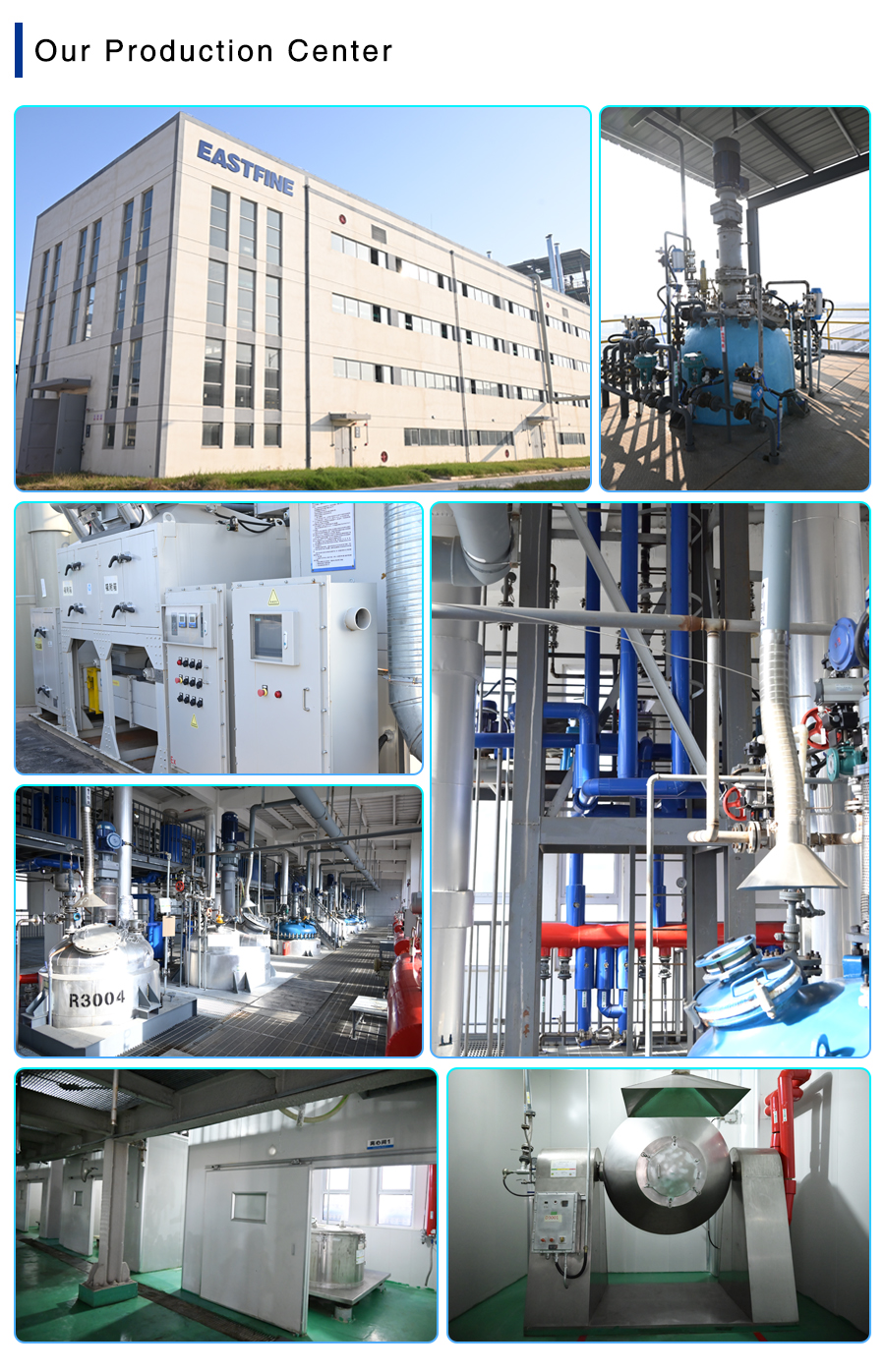
When an advanced crop protection molecule transitions from initial laboratory development into multi-ton commercial production, selecting a technically capable chemical partner is essential. Established in 1995, EASTFINE is a leading global direct manufacturer of premium 2-Chloro-4-fluoro-5-nitrobenzoic acid.

Technical Innovation Anchored by Doctoral R&D Teams
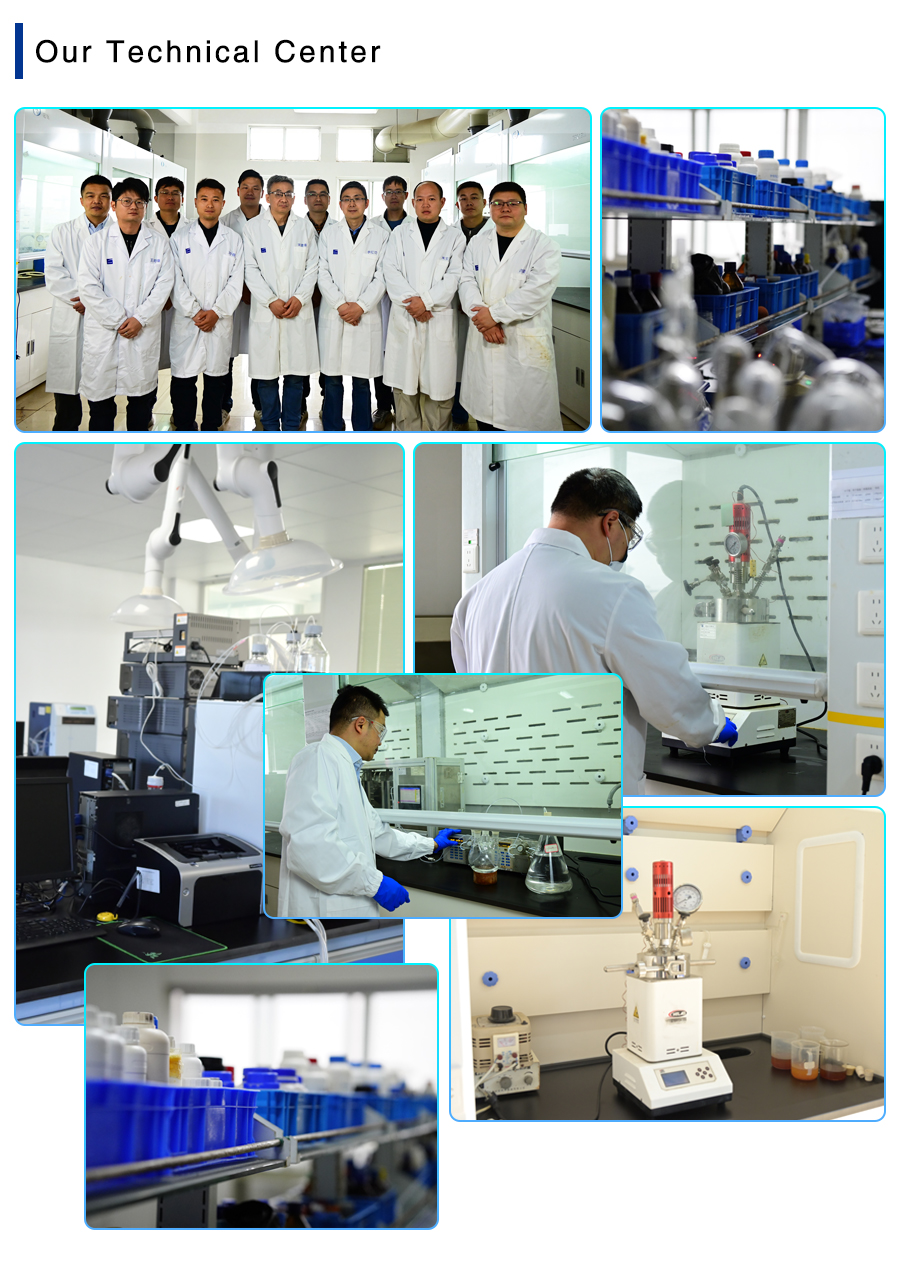
Our chemical synthesis lines and solid-state characterization protocols are designed and continuously optimized by a corporate R&D department led by process chemists holding doctoral degrees. This technical leadership has successfully secured 19 invention patents and 8 utility model patents focused on high-selectivity catalysis, isomer separation, and advanced aromatic crystallization chemistry. By optimizing our core processing, we deliver an intermediate that helps downstream partners minimize physical variations and maximize manufacturing efficiency.
Dual-Site Production Redundancy and Supply Security (Dalian & Heze)
In today's complex international regulatory landscape, supply chain redundancy is an absolute requirement for long-term planning. EASTFINE operates two fully mirrored, large-scale manufacturing complexes in Dalian and Heze. This dual-site setup guarantees an uninterrupted supply of high-purity intermediates; if one plant undergoes a scheduled environmental or maintenance audit, the sister facility can expand its output to seamlessly fulfill long-term commercial contracts.
Complete Analytical Validation and Traceability Dossiers
Navigating strict international registration pathways requires absolute data transparency and robust analytical backing. EASTFINE accompanies every batch of CAS No. 114776-15-7 with a comprehensive analytical package, including high-resolution liquid chromatography (HPLC) charts, precise melting point verifications, and detailed moisture measurements. Our rigorous quality control simplifies your raw material validation workflows, providing a clear auditing trail for global regulatory bodies.
Conclusion: Securing Process Reliability through Material Science Precision
Achieving high active-ingredient output and dependable batch safety during commercial scale-up requires complete authority over both reaction kinetics and solid-state material science. Inconsistent crystalline profiles, unmanaged polymorphic transitions, or amorphous surface fouling when handling 2-Chloro-4-fluoro-5-nitrobenzoic acid (CAS No. 114776-15-7) can cause manufacturing disruptions, storage failures, and costly formulation variations.
Partnering with EASTFINE provides your engineering team with an analytically verified, structurally stable intermediate. Backed by thirty years of direct manufacturing authority, advanced proprietary intellectual property, and a highly secure dual-site production model, EASTFINE helps you build exceptionally clean, efficient, and regulatory-secure agrochemical manufacturing processes.


 English
 العربية
 Français
 Русский
 Español
 Português
 Deutsch
 italiano
 日本語
日本語 한국어
한국어 Nederlands
 Tiếng Việt
 ไทย
ไทย Polski
 Türkçe
 አማርኛ
አማርኛ ພາສາລາວ
 Bahasa Melayu
 ဗမာစာ
ဗမာစာ Filipino
 Bahasa Indonesia
 magyar
 Română
 Čeština
 қазақ
қазақ Српски
 हिन्दी
 فارسی
فارسی Kiswahili
 Slovenčina
 Slovenščina
 Norsk
Norsk Svenska
 українська
 Ελληνικά
 Suomi
Suomi עברית
עברית Dansk
Dansk اردو
اردو Shqip
Shqip বাংলা
বাংলা Hrvatski
 Gaeilge
 Eesti keel
 Oʻzbekcha
 latviešu
 Azərbaycan dili
 Български
 ქართული
 íslenska
 Lietuvių


 简体中文
简体中文


