Introduction: The Thermal Challenges of Scaling High-Strain Reagents
Transitioning a chemical reaction from a benchtop laboratory environment to an industrial metric-ton batch reactor is a complex task governed by the laws of thermodynamics and fluid mechanics. In small-scale discovery chemistry, the high surface-area-to-volume ratio of laboratory glassware allows for near-instantaneous heat dissipation. However, when scaled up to commercial glass-lined reactors, this ratio decreases dramatically. This change creates significant heat-transfer boundaries that can compromise reaction selectivity and process safety.
For process engineering teams utilizing (Bromomethyl)cyclopropane (BMCP, CAS 7051-34-5) as an alkylating agent, managing these thermal dynamics is a core operational requirement. BMCP is highly valued for its ability to introduce the compact, rigid cyclopropylmethyl framework into small-molecule therapeutics.
However, its high-strain three-membered carbon ring possesses a significant inherent strain energy. This structural profile makes the molecule highly sensitive to localized thermal fluctuations and unmanaged heat flux.
If an industrial alkylation triggers an unmonitored exothermic spike, the system can instantly shift away from the desired substitution pathway. Instead, it enters an autocatalytic ring-opening or ring-expansion cascade, transforming the high-value intermediate into unwanted isomeric byproducts.
At EASTFINE, we address these scale-up vulnerabilities by delivering premium, direct-manufactured CAS 7051-34-5 with exceptional chemical consistency and a verified stabilizer matrix. This enables downstream engineers to establish reliable kinetic models, predict heat generation profiles accurately, and maintain perfect thermal control throughout the scale-up lifecycle.
Applications of CAS 7051-34-5: Powering High-Value Therapeutics
The precise kinetic control enabled by premium-grade (Bromomethyl)cyclopropane is a foundational requirement across several expanding sectors of advanced medicine:
Blockbuster Cardiovascular Inhibitors
The primary commercial application of BMCP is the high-volume synthesis of Prasugrel, a foundational antiplatelet medication used to prevent thrombotic events in acute coronary syndrome pipelines. Achieving tight control over thermal profiles during bulk intermediate alkylation is essential for maintaining the stringent purity standards required for regulatory approval.
Target-Specific Ion Channel Openers
In central nervous system drug design, BMCP is utilized to synthesize advanced KCNQ2 potassium channel modulators targeting treatment-resistant epilepsy. The structural uniformity of the cyclopropyl arm is critical for ensuring proper target-site docking, requiring absolute precision during the initial manufacturing steps.
Payloads for High-Potency Antibody-Drug Conjugates
BMCP is a core building block for complex azole-based dihydroorotate dehydrogenase (DHODH) inhibitors. These molecules function as highly selective cytotoxins conjugated into third-generation Antibody-Drug Conjugates (ADCs), a sector where raw material purity directly impacts final clinical performance metrics.
Advantages of Advanced Kinetic Modeling in Process Scale-Up
Developing a rigorous kinetic model backed by highly consistent raw materials brings measurable performance benefits to commercial fine chemical operations:
Predictable Arrhenius Deactivation Trajectories
Using a highly refined intermediate ensures that the activation energy (Ea) of the target alkylation pathway remains stable across different production batches. Process engineers can confidently map the reaction velocity using standard Arrhenius equations, eliminating erratic induction periods caused by trace impurities that frequently disrupt automated dosing schedules.
Minimization of Process Mass Intensity Penalties
When kinetic parameters are predictable, manufacturing teams can run reactions at optimal concentrations rather than relying on high-dilution conditions to manage heat generation. This concentration optimization directly lowers the Process Mass Intensity (PMI) by reducing the total volume of solvent required per manufacturing campaign.
Prevention of Autocatalytic Runaway Triggers
Low-grade intermediates containing microscopic amounts of free hydrobromic acid can initiate an autocatalytic ring-opening cascade that releases substantial thermal energy. Sourcing an analytically verified intermediate with built-in acid-scavenging properties removes these hidden triggers, ensuring a smooth and controllable reaction trajectory.
Biomechanics & Synthetic Logic of Heat Flux Dynamics
Controlling an industrial scale-up requires a comprehensive understanding of the competing kinetic pathways that occur within the reaction mass when managing high-strain cyclic intermediates.
The Desired Kinetic Pathway:
Under optimized commercial processing conditions, the liquid alkyl halide participates in a clean, second-order nucleophilic substitution (SN2) mechanism. This transformation features a moderate exothermic profile that is easily balanced by standard reactor cooling jackets, preserving the integrity of the three-membered carbon ring.
The Unwanted Thermodynamic Pathway:
If the internal temperature exceeds a critical thermal threshold, the mechanism shifts toward a first-order ionization (SN1) trajectory. This transition generates a highly reactive cyclopropylmethyl carbocation that undergoes rapid, highly exothermic ring-opening or ring-expansion rearrangements, yielding 4-bromo-1-butene or cyclobutyl derivatives while generating a secondary thermal surge.
By eliminating trace transition metals and acidic impurities that lower the activation threshold of the ionization pathway, EASTFINE’s intermediate ensures that the target substitution pathway remains favored across the entire operational temperature range.
Process Engineering of Thermal Management
Maintaining precise heat flux control during bulk industrial processing requires a coordinated approach combining advanced reactor design, agitation mechanics, and dosing control:
Designing for Specific Heat Dissipation Limits
The reaction vessel must be calibrated to match the calculated heat generation rate (qgen) against the maximum heat removal capacity (qrem) of the cooling jacket. This thermodynamic balance is maintained by adjusting the overall concentration of the liquid mass and utilizing solvents with favorable thermal conductivity profiles.
Optimization of Mass Transfer via Impeller Fluid Dynamics
To prevent the formation of localized thermal zones or "hot spots" around the reagent feed lines, reactors employ advanced retreat-curve impellers paired with multi-stage baffles. This engineering design creates uniform macro-mixing and high shear rates, dispersing the liquid intermediate instantly throughout the slurry and ensuring uniform heat transfer across the vessel walls.
Automated Delta-T Dosing Regulation Networks
Modern commercial manufacturing setups link the intermediate addition pumps directly to the automated distributed control system (DCS). The system monitors the temperature differential (Delta T) between the inner reaction mass and the outer cooling jacket, automatically throttling the inflow of BMCP if heat generation approaches the safe boundary limits of the kinetic model.
Thermal Quenching, Solvent Stripping, and Safety Controls
Once the target alkylation reaches its optimal conversion threshold, the reaction mass must be safely transitioned through downstream isolation and stabilization phases:
Managed Thermal Quenching Sequences
The crude reaction mixture is passed through inline heat exchangers to lower the internal temperature before introducing aqueous quenching agents. This automated cooling sequence prevents sudden boiling or pressure surges when the organic matrix mixes with the aqueous wash layer.
Vacuum-Assisted Low-Temperature Solvent Stripping
Removing volatiles and processing solvents is conducted under a deep system vacuum to suppress the boiling point of the mixture. Keeping the distillation temperature low ensures that the newly synthesized product does not undergo thermal degradation or ring rearrangement during extended solvent recovery cycles.
Emergency Pressure Relief and Vent Fire Suppression
Because low-molecular-weight alkyl halides are volatile and flammable, storage and reactor vents are integrated into automated safety networks. These systems feature rupture discs calibrated to precise pressure limits, backed by nitrogen purge systems that eliminate oxygen tracking and prevent the formation of explosive vapor mixtures.
Comparative Thermodynamic Metrics of Material Quality
To support process engineers during scale-up validation and safety auditing, our quality assurance departments maintain a comprehensive tracking matrix detailing how material purity directly influences core thermodynamic parameters.
| Thermodynamic Parameter | Standard Commodity Grade BMCP | EASTFINE Ultra-Pure Grade BMCP | Manufacturing Operational Impact |
| Onset Temperature of Rearrangement | Low and unpredictable (55℃ to 65℃) | High and stable (>85℃) | Greatly expands the safe operational window inside large-scale batch vessels. |
| Batch Heat Flux Predictability | Variable due to erratic induction phases | High consistency (± 2% across batches) | Allows for precise programming of automated cooling jacket control loops. |
| Trace Acid Level (HBr Content) | Often >500 ppm from early hydrolysis | Monitored to <50 ppm baseline | Prevents localized autocatalytic ring opening and subsequent chemical runaway. |
| Slurry Apparent Viscosity | Variable due to side-polymerization | Homogeneous and highly stable | Ensures uniform power draw on the impeller and consistent mass transfer rates. |
Advanced Boundary Layer Fluid Mechanics and Mixing Controls
Optimizing an industrial chemical reaction requires precise control over the fluid boundary layers where liquid reagents interact with the surrounding solution.
Controlling Localized Concentration Gradients during Addition
As liquid BMCP enters a large batch reactor, it forms a localized concentration gradient at the point of injection.
The Danger of Localized Viscosity Strands
If the mixing dynamics are insufficient, this injection zone can form a high-concentration strand with a different density and viscosity compared to the bulk solution. This variance blocks rapid mass and heat transfer, trapping reaction heat within the strand and triggering local thermal ring opening into 4-bromo-1-butene impurities.
Implementing Multi-Point Sub-Surface Dosing Rings
EASTFINE’s technical support teams assist clients in optimizing their reactor configurations by recommending multi-point sub-surface dosing rings. This engineering approach introduces the liquid intermediate directly into the high-velocity discharge stream of the impeller, achieving instant dilution and preventing the formation of uncooled reaction pockets.
Managing Vapor-Liquid Phase Partitioning under Reflux
Controlling the balance between liquid and vapor phases is essential for maintaining a stable reaction mass during long heating cycles.
The Risk of Condenser-Induced Reagent Depletion
If a reaction is run under aggressive solvent reflux, volatile intermediates like BMCP can vaporize and accumulate in the overhead condenser system. This phase partitioning alters the stoichiometry inside the liquid mass, slowing down target conversion rates and extending the batch cycle time.
Precision Pressure-Regulated Reflux Control
Our process engineers recommend utilizing automated, pressure-regulated reflux systems. By adjusting the internal reactor pressure, the vapor-liquid equilibrium can be tuned to keep the intermediate safely dissolved within the liquid phase, maximizing reaction velocity and ensuring consistent, high-yielding commercial campaigns.
Why Choose EASTFINE? Your Partner for Secure Commercial Scale-Up
When an advanced pharmaceutical candidate or high-value agrochemical molecule transitions to commercial manufacturing, choosing an experienced and technically capable intermediate partner is vital. Founded in 1995, EASTFINE is a leading global direct manufacturer of high-purity (Bromomethyl)cyclopropane.
Technical Leadership and Patent Innovation
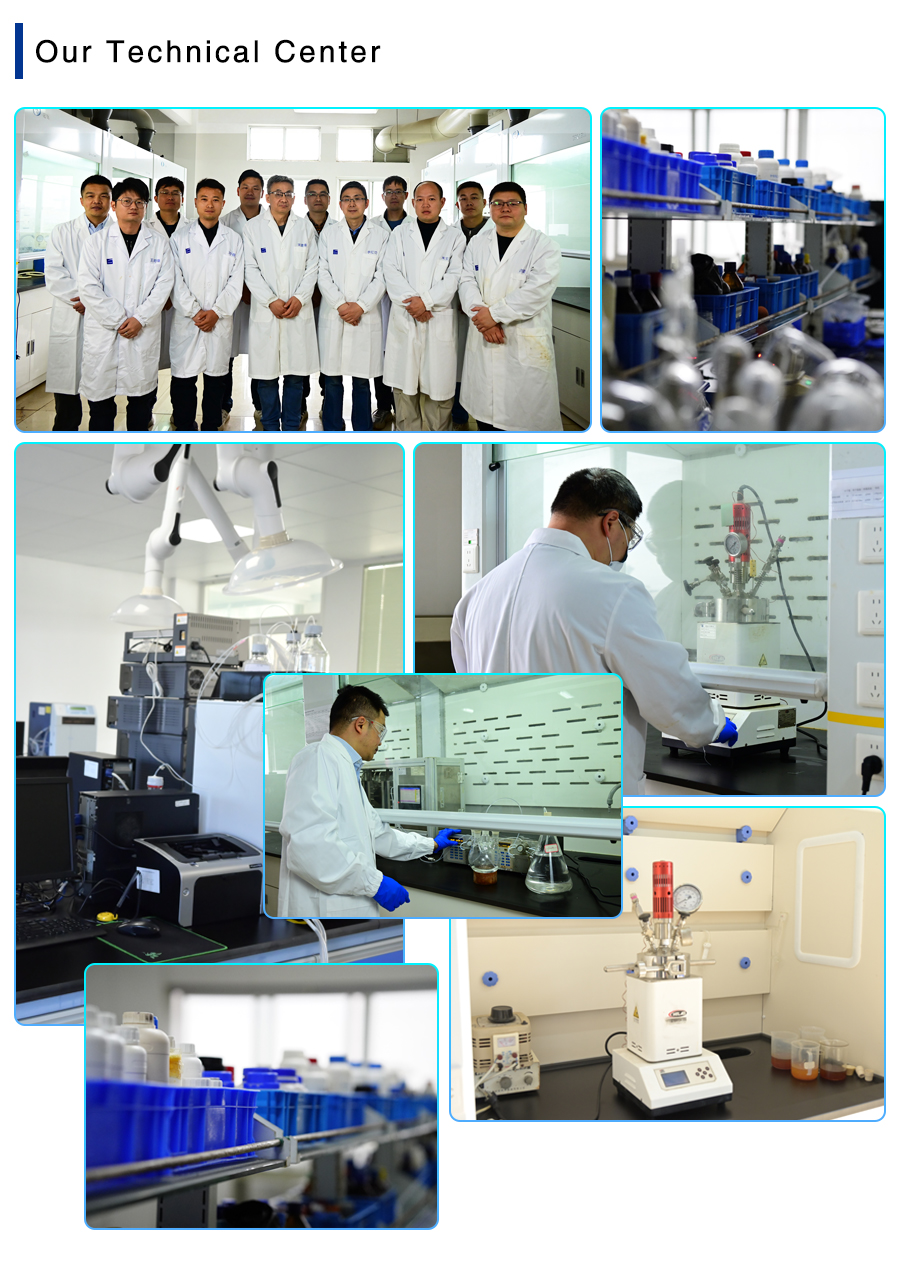
Our chemical processes are designed and continuously optimized by an expert R&D team led by process chemists holding doctoral degrees. This technical leadership has successfully secured 19 invention patents and 8 utility model patents focused on high-efficiency catalytic halogenation and precision stabilization matrices. By optimizing our own synthesis chemistry, we deliver an intermediate that helps downstream partners minimize process variations and maintain exceptional thermal safety.
Dual-Site Supply Security (Dalian & Heze)
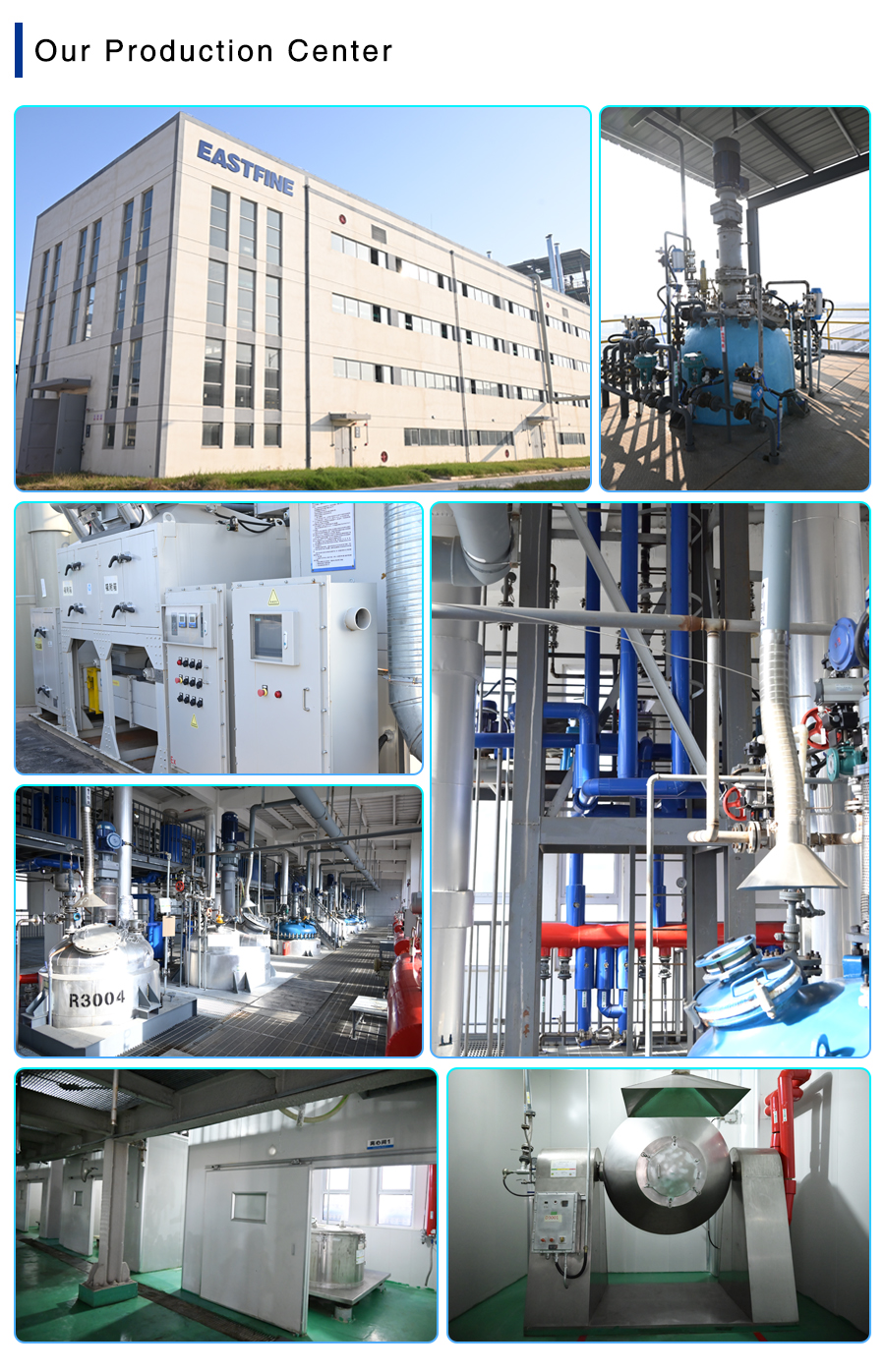
In today's complex international regulatory landscape, relying on a single production point introduces significant operational risk. EASTFINE provides absolute supply security by operating two fully mirrored, large-scale production complexes in Dalian and Heze. This dual-site setup guarantees an uninterrupted supply of high-purity intermediates; if one plant undergoes scheduled maintenance or regulatory audits, the sister facility can expand its output to seamlessly fulfill long-term commercial contracts.
Complete Analytical Dossiers and Verification Support
Navigating strict regulatory filing processes requires absolute data transparency and robust analytical backing. EASTFINE accompanies every batch of CAS 7051-34-5 with a complete analytical package, including automated gas chromatography data, precise Karl Fischer moisture measurements, and detailed trace metal profiles via ICP-MS. Our rigorous quality control simplifies your raw material validation workflows, providing a clear auditing trail for global regulatory bodies.

Conclusion: Securing Process Safety through Kinetic Control
Achieving a successful and safe commercial scale-up requires complete control over both chemical kinetics and thermodynamic heat flux. Inconsistent physical properties, unmanaged moisture thresholds, or trace acidic contaminants in low-grade (Bromomethyl)cyclopropane (CAS 7051-34-5) can cause localized thermal runaway, side isomer accumulation, and costly process variations.
Partnering with EASTFINE provides your engineering team with an analytically verified, highly stable intermediate that optimizes solid-liquid and liquid-liquid interfaces. Backed by thirty years of direct manufacturing authority, advanced proprietary intellectual property, and a highly secure dual-site production model, EASTFINE helps you build exceptionally safe, efficient, and high-yielding chemical processes.


 English
 العربية
 Français
 Русский
 Español
 Português
 Deutsch
 italiano
 日本語
日本語 한국어
한국어 Nederlands
 Tiếng Việt
 ไทย
ไทย Polski
 Türkçe
 አማርኛ
አማርኛ ພາສາລາວ
 Bahasa Melayu
 ဗမာစာ
ဗမာစာ Filipino
 Bahasa Indonesia
 magyar
 Română
 Čeština
 қазақ
қазақ Српски
 हिन्दी
 فارسی
فارسی Kiswahili
 Slovenčina
 Slovenščina
 Norsk
Norsk Svenska
 українська
 Ελληνικά
 Suomi
Suomi עברית
עברית Dansk
Dansk اردو
اردو Shqip
Shqip বাংলা
বাংলা Hrvatski
 Gaeilge
 Eesti keel
 Oʻzbekcha
 latviešu
 Azərbaycan dili
 Български
 ქართული
 íslenska
 Lietuvių


 简体中文
简体中文


