Introduction: The Industrial Consequences of Synthetic Route Selection
In commercial life-science manufacturing, selecting the ideal synthetic route for a critical intermediate is a deciding factor in determining long-term market competitiveness and regulatory security. When process design teams plan the large-scale introduction of a cyclopropylmethyl framework into an active pharmaceutical ingredient (API) or advanced agrochemical scaffold, the chemical history of the alkylating agent matters immensely. The choice of raw material dictates the baseline impurity profile, the presence of genotoxic components, and the environmental footprint of the entire downstream manufacturing campaign.
As the primary vehicle for introducing this rigid three-membered ring system, (Bromomethyl)cyclopropane (BMCP, CAS 7051-34-5) can be synthesized through fundamentally different chemical trajectories. Historically, pilot plants relied on indirect, multi-step derivatization methods involving sulfonate ester intermediates to avoid the challenges associated with high-strain ring-opening cascades.
However, these traditional methods introduce high step-counts, severe process mass intensity (PMI) penalties, and a high risk of generating trace genotoxic impurities.
Modern industrial process intensification favors a direct, catalytic single-step halogenation of cyclopropylmethanol. While this advanced route requires sophisticated control over reaction kinetics and specialized catalyst matrices to prevent thermodynamic ring expansion, it offers unmatched atom economy and eliminates the hazardous waste streams associated with older methods.
At EASTFINE, we utilize proprietary, PhD-backed catalytic halogenation methods to manufacture CAS 7051-34-5 directly, delivering an ultra-pure, high-performance building block that simplifies downstream processing and protects global supply chains.
Applications of CAS 7051-34-5: Building Modern Lifescience Scaffolds
The structural value of high-purity (Bromomethyl)cyclopropane spans across several critical lifecritical healthcare and agricultural sectors:
Advanced Antithrombotic Formulations
The major commercial application of BMCP is in the production of Prasugrel, a thienopyridine antiplatelet agent widely used to reduce thrombotic events in acute coronary syndrome patients undergoing percutaneous coronary intervention. Ensuring that the cyclopropylmethyl framework is completely free of sulfonate or linear alkyl impurities is critical for safeguarding the strict purity requirements of the final injectable or oral dosage form.
Novel Ion Channel Openers for Epilepsy
In the neurology pipeline, BMCP is utilized to synthesize targeted KCNQ2/3 potassium channel openers designed to treat severe, drug-resistant epilepsy. The precise geometry of the cyclopropane ring optimizes hydrophobic binding within the channel pore, a structural alignment that requires absolute spatial purity at the intermediate stage.
Next-Generation Tumor-Targeted Payloads
BMCP is an essential reagent for constructing selective human dihydroorotate dehydrogenase (DHODH) inhibitors based on complex azole architectures. These structures serve as functional payloads for next-generation Antibody-Drug Conjugates (ADCs), where any trace raw material impurity could disrupt the highly sensitive antibody conjugation process.
Advantages of Catalytic Halogenation over Sulfonate Ester Routes
Transitioning from a traditional multi-step sulfonate ester derivation to a direct catalytic halogenation pathway brings measurable improvements to process efficiency and regulatory compliance:
Absolute Elimination of Genotoxic Sulfonate Residues
Traditional synthesis routes utilize alkyl sulfonates—such as cyclopropylmethyl tosylate or mesylate—as intermediate activation steps. These sulfonate esters are well-known alkylating agents classified as potential mutagenic or genotoxic impurities (GTIs) under regulatory guidelines like ICH M7. Direct catalytic halogenation completely circumvents the use of sulfonic acids and their corresponding esters, eliminating the risk of trace GTI carryover into the final API.
Radical Reduction in Process Mass Intensity (PMI)
The multi-step sulfonate route requires separate isolation, washing, and recrystallization stages for each intermediate phase, a process that consumes significant volumes of solvent and auxiliary reagents. Direct catalytic halogenation converts the starting alcohol into the target bromide in a streamlined, single-pot reaction profile, maximizing atom retention and drastically lowering the overall volume of process waste.
Superior Baseline Control over Isomeric Shifting
Sulfonate displacement reactions frequently operate via transient ion-pair pathways that are highly sensitive to solvent polarity and temperature fluxes. These conditions often trigger a substantial percentage of rearrangement into cyclobutyl or homoallylic sulfonates. Advanced catalytic halogenation, by contrast, relies on a tightly controlled, surface-stabilized mechanism that locks the cyclopropyl group in place, preventing unexpected structural shifts.
Biomechanics & Synthetic Chemistry of Route Architectures
Understanding why these pathways differ so radically requires a deep dive into the underlying molecular mechanisms and kinetic boundaries that govern high-strain ring systems.
The Sulfonate Displacement Pathway:
This traditional route begins by reacting cyclopropylmethanol with p-toluenesulfonyl chloride (TsCl) or methanesulfonyl chloride (MsCl) in the presence of a stoichiometric base to yield a sulfonate ester intermediate. This intermediate is subsequently isolated and subjected to a second nucleophilic displacement using a bromide salt, such as sodium bromide or lithium bromide. The multiple phase transfers and extended residence times under basic and polar conditions create a highly volatile thermodynamic environment, allowing a portion of the molecules to rearrange into cyclobutyl derivatives.
The Direct Catalytic Halogenation Pathway:
This advanced method bypasses intermediate isolation entirely. The starting cyclopropylmethanol reacts directly with a specialized brominating complex in the presence of a proprietary transition-metal catalyst. The catalyst coordinates directly with the hydroxyl leaving group, lowering the activation energy required for the substitution while simultaneously shielding the alpha-carbon center. This coordinated shield prevents the formation of a free cyclopropylmethyl carbocation, steering the reaction cleanly through a pure displacement pathway that preserves the three-membered ring.
By suppressing the carbocation intermediate, EASTFINE’s production lines can run the halogenation at high concentrations without risking the exotherms or localized acid spikes that trigger ring-opening cascades in less advanced setups.
Process Engineering of Pathway Scale-Up
Executing an intensified catalytic halogenation of CAS 7051-34-5 requires strict adherence to precise process engineering parameters to ensure absolute batch reproducibility:
Precision Catalyst Loadings and Complexation Kinetics
The direct conversion relies on a finely balanced catalytic matrix that must be prepared in situ before introducing the primary alcohol. Process operators introduce the transition-metal catalyst under an inert atmosphere, allowing it to form a stable, soluble complex with the brominating agent, a step that ensures uniform reactivity throughout the liquid mass.
Continuous In-Line Byproduct Extraction
The primary byproduct of the direct halogenation pathway is water or a simple phosphorus-based mineral acid residue. To prevent these acidic components from accumulating and initiating autocatalytic ring opening, the reactor design includes an automated, continuous in-line washing and neutralisation loop that strips out polar byproducts immediately as they form.
Temperature Profiling and Vacuum-Assisted Distillation
The final purification of BMCP is conducted via a highly optimized, single-pass vacuum distillation sequence. By maintaining a deep system vacuum, the operational boiling point is suppressed far below the thermal threshold of the cyclopropane ring, allowing the pure liquid to distill off cleanly while leaving heavy catalyst residues and high-boiling stabilizers in the pot for reclamation.
Catalyst Reclamation, Lifecycle Management, and EHS
A sustainable direct manufacturing process must incorporate complete lifecycle protocols for all auxiliary processing components:
Closed-Loop Transition Metal Recovery
The spent catalyst residues collected from the distillation pot are directed to an on-site metallurgical reclamation unit. Here, the precious or transition-metal complexes are chemically stripped, purified, and re-ligated into active catalyst batches, minimizing solid waste streams and reducing raw material depletion metrics.
Safe Destruction of Mineral Acid Effluents
The neutralized aqueous washes containing inorganic bromide and phosphate residues are channeled to a specialized chemical treatment facility. The fractions undergo controlled precipitation and oxidation, transforming potential chemical waste into inert, industrially usable mineral salts that meet the highest environmental discharge criteria.
Rigorous Leak Detection and Volatility Mitigation
Because BMCP is an active alkylating liquid with a low boiling point, all transfer lines, pump seals, and storage tanks utilize dual-containment mechanics equipped with real-time electronic halogen sensors. This multi-layered monitoring setup prevents any volatile organic emissions, ensuring an ultra-safe operating environment that aligns with global environmental health and safety (EHS) requirements.
Comparative Analytical Metrics of Synthesis Trajectories
To provide procurement and process development teams with data to support raw material qualification, our quality control departments maintain a comparative matrix tracking the differences between these two primary manufacturing methodologies.
| Purity and Process Parameter | Traditional Sulfonate Ester Route | EASTFINE Direct Catalytic Route | Commercial Operational Impact |
| Total Synthetic Steps | 2 Isolated Steps + Multi-stage Washes | 1 Streamlined Single-Pot Process | Lowers production cycle times and minimizes intermediate inventory storage costs. |
| Genotoxic Impurity Risk | High (Trace Alkyl Sulfonates present) | Non-Existent (Zero Sulfonates used) | Eliminates regulatory hurdles and costly genotoxic screening assays for the API. |
| Isomeric Purity Profile | Variable (95.0% to 97.5% typical BMCP) | Consistently High (≥ 99.0% BMCP) | Prevents the formation of structural variants in the final downstream therapeutic. |
| Heavy Metal Accumulation | High risk from crude bromide salts | Controlled to low ppm levels via ICP-MS | Protects downstream precious metal catalysts from premature poisoning and deactivation. |
Advanced Boundary Layer Control and Phase Dynamics
Optimizing a direct catalytic pathway requires careful management of the chemical boundaries where the liquid reactants and the catalyst surface interact.
Preventing Catalyst Surface Passivation via Viscosity Regulation
During high-concentration halogenation, the reaction mixture undergoes shifts in dynamic viscosity as the alcohol converts into the denser alkyl halide.
The Risk of Localized Concentration Polarization
If the fluid dynamics within the reactor are not perfectly maintained, a highly viscous boundary layer can form around the active catalyst complexes. This localized polarization restricts mass transfer, trapping liberated mineral acids near the catalyst and creating acidic hot spots that trigger the sudden ring opening of BMCP into 4-bromo-1-butene.
Maintaining Homogeneous Fluid Dynamics
EASTFINE solves this boundary layer challenge by utilizing a custom-engineered agitation system paired with a precisely tuned solvent matrix. This setup maintains uniform fluid viscosity and constant mass transfer rates across the entire reactor volume, ensuring that the intermediate is instantly moved away from the catalyst zone once substitution is complete, preserving its cyclic structure.
Managing Vapor-Liquid Equilibria during In-Line Strikes
Controlling the transition between liquid and vapor phases inside the reactor is a key parameter for achieving consistent purity at scale.
The Danger of Uncontrolled Micro-Boiling
The direct halogenation process is exothermic. If the reaction heat is not dissipated uniformly, micro-boiling pockets can form at the impeller interfaces. These rapid phase changes can alter the concentration of the stabilizer matrix in the liquid phase, leaving localized zones of BMCP vulnerable to radical-mediated degradation loops.
Precision Thermal Control Architecture
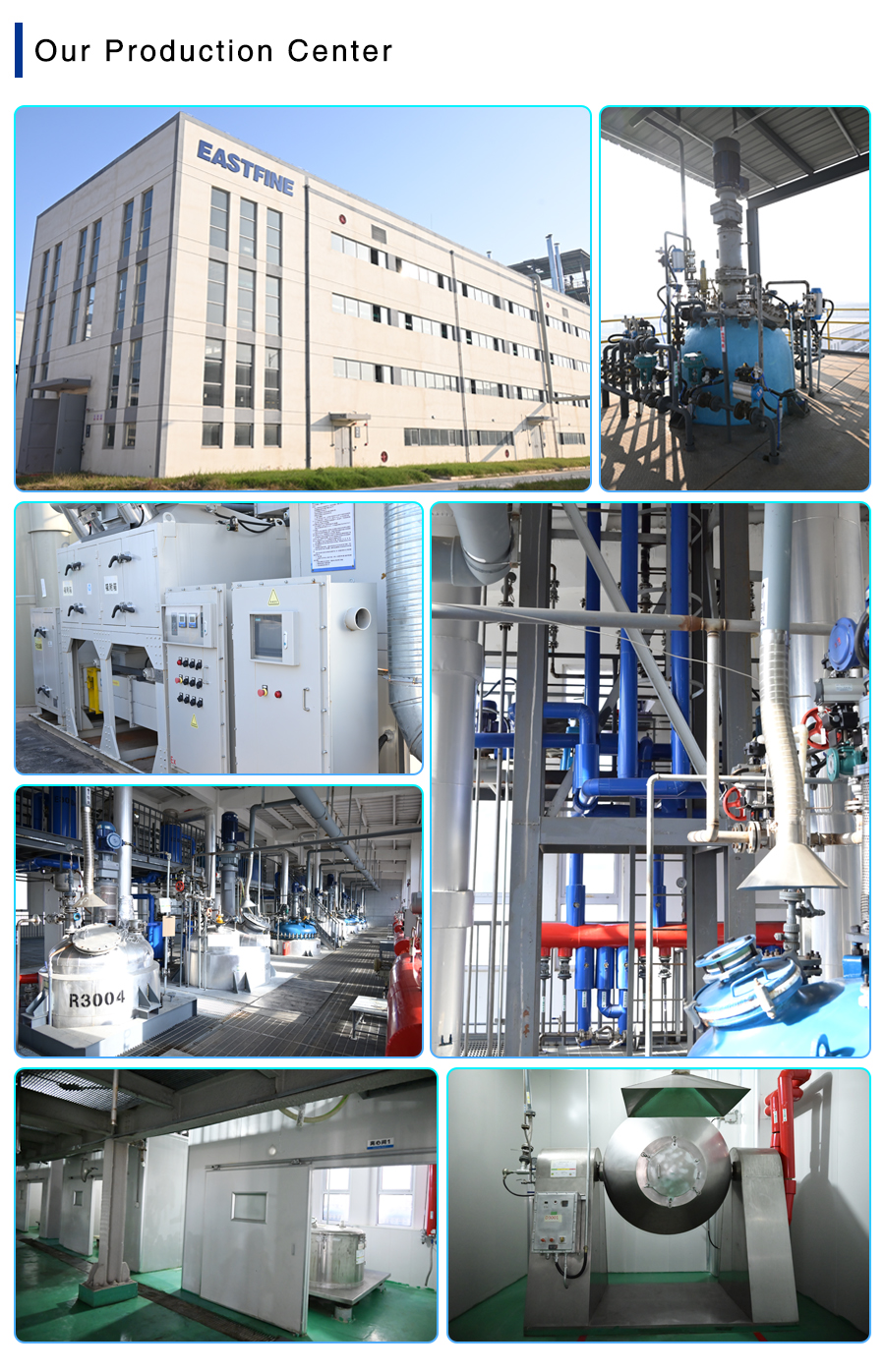
Our production facilities utilize jacketed glass-lined reactors backed by automated thermal regulation networks. These systems adjust cooling fluid delivery based on real-time internal heat flux measurements, preventing micro-boiling, ensuring a perfectly stable vapor-liquid equilibrium, and maintaining the chemical integrity of the intermediate throughout the production run.
Why Choose EASTFINE? Your Partner for Advanced Commercial Scale-Up
When an active pharmaceutical ingredient or next-generation agrochemical molecule progresses to high-volume commercial manufacturing, selecting an intermediate partner with a technically advanced, secure production model is essential. Established in 1995, EASTFINE is a leading global direct manufacturer of high-purity (Bromomethyl)cyclopropane.
Technical Innovation Driven by Doctoral Process Teams
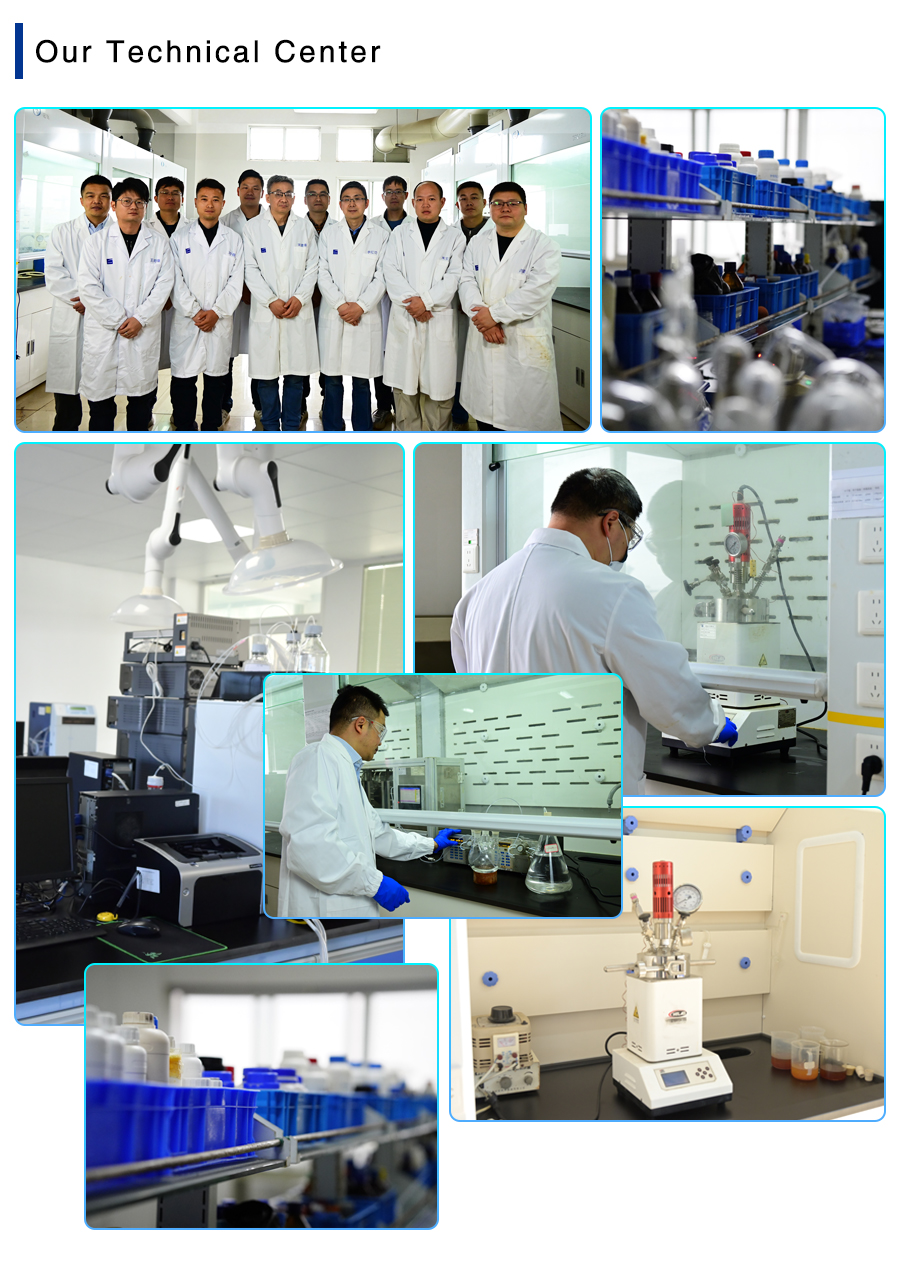
Our chemical pathways are developed and managed by an advanced corporate R&D team led by industrial process chemists holding doctoral degrees. This specialized technical leadership has secured 19 invention patents and 8 utility model patents focused on high-efficiency catalytic halogenation and precision stabilization matrices. By choosing our direct catalytic route, we deliver an intermediate that is fundamentally free of the genotoxic and isomeric impurities that commonly complicate traditional trading-firm supply chains.
Dual-Site Manufacturing and Supply Security (Dalian & Heze)
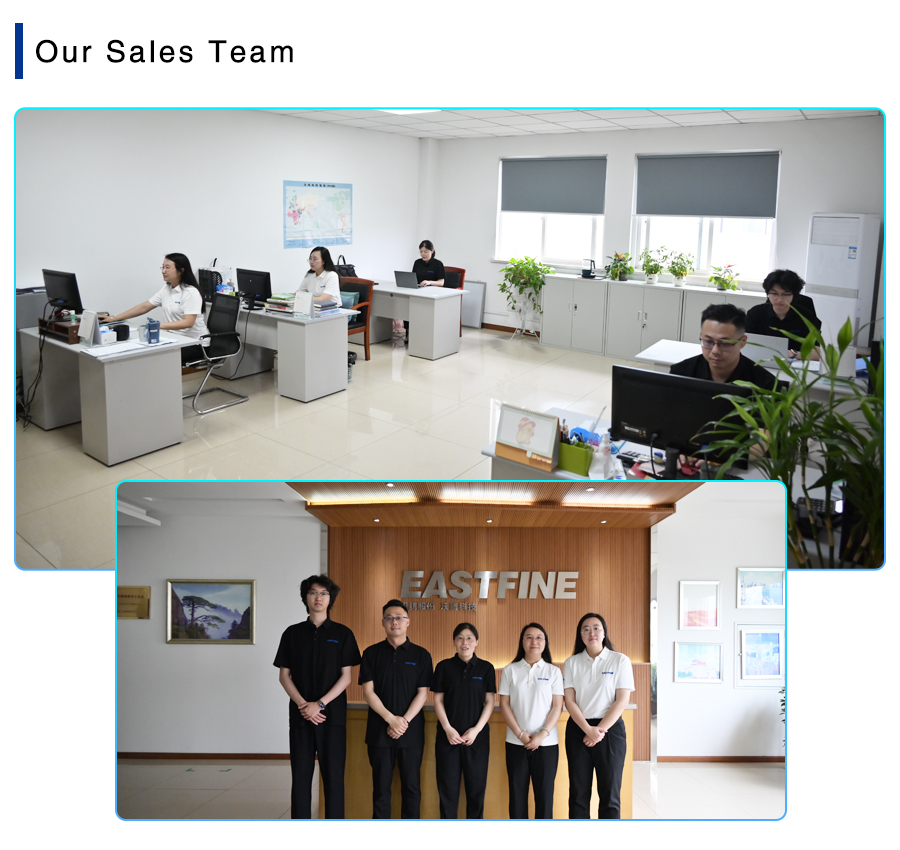
In today's complex international regulatory climate, supply chain redundancy is a core requirement for high-value pipelines. EASTFINE operates two fully mirrored, large-scale production complexes in Dalian and Heze. This dual-site infrastructure guarantees a reliable, continuous flow of material for your commercial campaigns; if one plant undergoes a scheduled regulatory audit or maintenance shutdown, the sister facility expands its output to seamlessly fulfill your high-volume supply contracts.
Complete Analytical Validation and Traceability Dossiers
Navigating strict regulatory filing processes requires absolute data transparency and robust analytical backing. EASTFINE accompanies every batch of CAS 7051-34-5 with a complete analytical package, including high-resolution gas chromatography charts, coulometric Karl Fischer water determinations, and trace transition-metal mappings via ICP-MS. Our rigorous quality control simplifies your raw material validation workflows, providing a clear auditing trail for global regulatory bodies.
Conclusion: Securing Regulatory Compliance through Clean Synthetic History
In high-stakes pharmaceutical and crop-protection manufacturing, the synthetic history of your raw materials directly dictates the reliability of your commercial scale-up. Relying on an intermediate produced via traditional sulfonate ester pathways introduces risks of genotoxic contamination, isomeric variations, and unpredictable quality fluctuations that can delay clinical timelines and lower process yields.
Partnering with EASTFINE provides your development team with a premium, direct-catalytically synthesized intermediate that optimizes solid-liquid and liquid-liquid interfaces. Backed by thirty years of direct manufacturing authority, advanced proprietary intellectual property, and a highly secure dual-site production model, EASTFINE helps you build exceptionally clean, efficient, and regulatory-secure manufacturing processes.


 English
 العربية
 Français
 Русский
 Español
 Português
 Deutsch
 italiano
 日本語
日本語 한국어
한국어 Nederlands
 Tiếng Việt
 ไทย
ไทย Polski
 Türkçe
 አማርኛ
አማርኛ ພາສາລາວ
 Bahasa Melayu
 ဗမာစာ
ဗမာစာ Filipino
 Bahasa Indonesia
 magyar
 Română
 Čeština
 қазақ
қазақ Српски
 हिन्दी
 فارسی
فارسی Kiswahili
 Slovenčina
 Slovenščina
 Norsk
Norsk Svenska
 українська
 Ελληνικά
 Suomi
Suomi עברית
עברית Dansk
Dansk اردو
اردو Shqip
Shqip বাংলা
বাংলা Hrvatski
 Gaeilge
 Eesti keel
 Oʻzbekcha
 latviešu
 Azərbaycan dili
 Български
 ქართული
 íslenska
 Lietuvių


 简体中文
简体中文


