Introduction: The Sustainability Mandate in Advanced Agrochemical CDMO Operations
In the contemporary chemical manufacturing sector, the metrics of process efficiency have undergone a profound transformation. While chemical yield, purity profiles, and processing throughput remain foundational pillars of commercial operations, industrial facilities must now align their scale-up methodologies with the core principles of green chemistry. Environmental regulatory frameworks have significantly increased the costs and liabilities associated with hazardous effluent treatment, forcing commercial developers to redesign traditional synthetic routes to minimize ecological impacts.
For environmental engineering directors and corporate procurement teams managing advanced herbicide pipelines, sourcing sustainable raw materials is an operational necessity. Within this framework, the production of 2-Chloro-4-fluoro-5-nitrobenzoic acid (CAS No. 114776-15-7) historically carried a significant environmental footprint.
The introduction of multiple, highly electronegative functional handles onto a single benzoyl ring typically required aggressive, highly corrosive nitration mixtures and large volumes of halogenated extraction solvents.
If a manufacturing route is executed using traditional, unoptimized synthetic methodologies, the resulting process generates high volumes of acidic waste liquors and low-value byproducts. This inefficiency elevates the Environmental Factor (E-Factor) of the entire crop protection asset, driving up regulatory compliance costs and complicating carbon footprint reporting.
At EASTFINE, we address these sustainability challenges by deploying advanced catalytic innovations and circular engineering pathways, ensuring that CAS No. 114776-15-7 is manufactured with minimal environmental impact without compromising chemical purity.
What is 2-Chloro-4-fluoro-5-nitrobenzoic acid (CAS No. 114776-15-7)?
2-Chloro-4-fluoro-5-nitrobenzoic acid is a densely functionalized aromatic core engineered to serve as an electronically activated, structurally rigid building block in high-selectivity crop protection synthesis. The molecule is structurally defined by the empirical formula C7H3ClFNO4, positioning a targeted array of atoms around a central aromatic ring.
The fundamental reactivity of the compound depends on the carboxylic acid group at position 1 to facilitate robust downstream condensation or esterification reactions. The chlorine atom at position 2 and the fluorine atom at position 4 exert powerful electronic effects, which work in tandem with the strongly electron-withdrawing nitro group at position 5 to heavily activate the aromatic ring system. This specific electronic state makes the compound highly responsive to rapid, regioselective nucleophilic substitution reactions during downstream herbicide construction.
On a physical level, premium-grade CAS No. 114776-15-7 presents as a stable, off-white crystalline solid with a melting point range of 156°C to 158°C and a true density of 1.68 g/cm³. Ensuring a highly uniform crystalline habit is critical for environmental handling, as consistent particle size distributions minimize dust generation during packaging and accelerate downstream dissolution cycles under mild, energy-efficient mixing parameters.
Applications of 2-Chloro-4-fluoro-5-nitrobenzoic acid
The distinct electronic layout of 2-Chloro-4-fluoro-5-nitrobenzoic acid makes it a vital commercial intermediate across several prominent sectors of modern sustainable agriculture:
Production of Next-Generation PPO-Inhibiting Herbicides
The primary industrial application for this intermediate is the synthesis of high-efficiency protoporphyrinogen oxidase (PPO) inhibiting herbicides. These advanced crop protection assets offer exceptional weed-suppression metrics at exceptionally low application rates per hectare, drastically lowering the total chemical load introduced into global agricultural ecosystems.
Synthesis of Fluorine-Containing Uracil Core Structures
In the commercial synthesis of advanced uracil-class herbicides, the 2,4,5-trisubstituted benzoyl structure derived from this intermediate is integrated directly into the heterocyclic matrix. This structural integration provides excellent target-weed control while maintaining a highly predictable environmental degradation profile in field soils.
Formulation of Selective Heterocyclic Crop Safeners
Derivatives of this intermediate are also utilized to synthesize selective chemical safeners that enhance crop tolerance to primary co-applied herbicides. These molecules trigger temporary metabolic defense pathways within cash crops, preserving food plant health and maximizing agricultural yields under diverse environmental conditions.
Advantages of Atom Economy and Green Chemistry in Intermediate Sourcing
Implementing sustainable process chemistry and minimizing waste streams during the synthesis of CAS No. 114776-15-7 yields definitive financial and strategic advantages for global agrochemical brands:
Significant Reduction in Waste Disposal and Effluent Treatment Costs
Optimizing the synthesis loop to reduce the volume of liquid hazardous waste directly lowers the operational expenditures required for on-site thermal oxidation or complex chemical neutralization. This optimization helps protect downstream margins from rising environmental tax rates and stringent waste disposal surcharges.
Seamless Alignment with Corporate ESG Mandates
Sourcing raw materials manufactured via green processes allows multinational agrochemical companies to report lower Scope 3 greenhouse gas emissions. This measurable reduction in indirect supply chain carbon footprint supports corporate Environmental, Social, and Governance (ESG) compliance, enhancing brand reputation among sustainability-focused investors and consumers.
Mitigation of Local Environmental Audit Risks
Manufacturing facilities utilizing green chemical processes generate fewer hazardous emissions and rely less on volatile organic solvents. This inherent safety minimizes the frequency of regulatory interventions, preventing sudden plant shutdowns during unannounced regional environmental inspections and securing long-term supply continuity.
Chemistry of Waste Reduction and Catalytic Efficiency
Transforming a traditional multi-step aromatic substitution into an environmentally responsible green process requires a rigorous focus on atomic efficiency and reaction mechanism physics.
The Problem of Traditional Stoichiometric Waste:
Conventional synthetic pathways for installing the nitro and halogen groups frequently rely on large excesses of strong acids and stoichiometric reagents, leading to heavy salt-cake formation during neutralization steps. These non-recyclable inorganic salts clog waste treatment equipment, trap valuable organic product, and lead to unacceptably high E-Factor scores.
The Solution of Advanced Regenerative Catalysis:
Overcoming this environmental challenge involves transitioning to highly active catalytic systems and utilizing alternative, highly target-specific nitrating agents. This strategic engineering maximizes the process's atom economy—ensuring a higher percentage of the starting material's atoms wind up in the final molecule of 2-Chloro-4-fluoro-5-nitrobenzoic acid rather than in a hazardous waste stream.
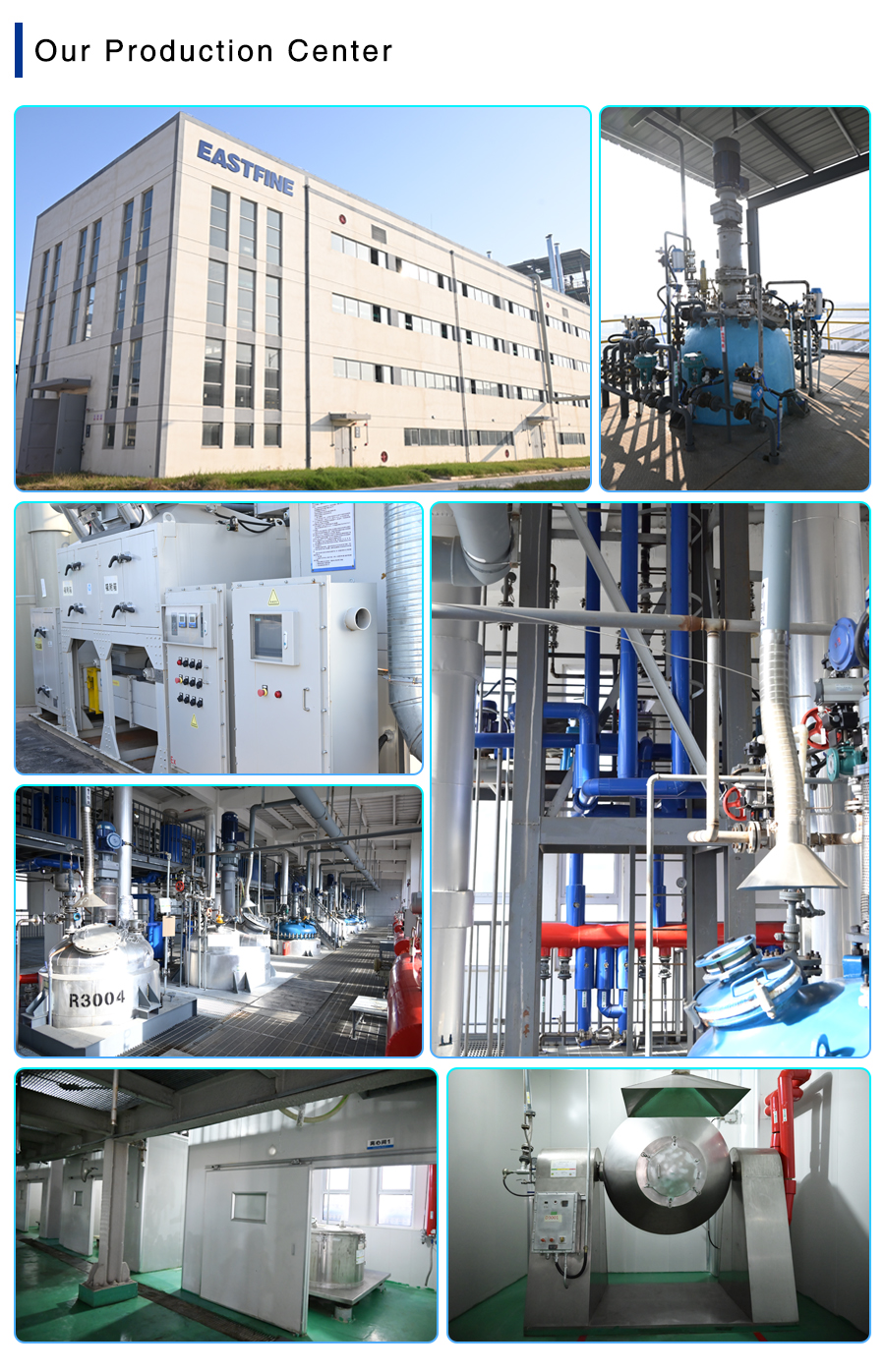
By providing an intermediate produced via highly optimized, atom-efficient manufacturing pathways, EASTFINE enables downstream partners to maintain a exceptionally clean, lean, and resource-efficient crop protection manufacturing loop.
Process Engineering of Closed-Loop Manufacturing
Achieving low E-Factor scores and high material throughput on an industrial scale requires a coordinated engineering approach that integrates catalytic innovations, solvent recovery, and circular processing loops:
Catalytic Selectivity and Atom-Efficient Nitration Technologies
The core environmental challenge in synthesizing CAS No. 114776-15-7 resides in the highly regulated aromatic nitration phase, which must be carefully managed to prevent hazardous runaway reactions and minimize side products.
Implementing Clean Nitration Protocols
Process engineers utilize specialized heterogeneous catalysts or modified mixed-acid matrices that operate under mild thermal ranges. This catalytic activation allows the nitration reaction to proceed with near-perfect regioselectivity at position 5, significantly reducing the generation of unwanted positional isomers that would otherwise require energy-intensive separation and disposal.
Continuous Flow Microreactor Engineering
Transitioning from traditional bulk batch nitration vessels to continuous-flow microreactors optimizes local mass and heat transfer parameters. This continuous processing limits the localized concentration of hazardous intermediates, reduces energy input requirements by up to 40 percent, and prevents over-reaction pathways that generate unrecyclable tar byproducts.
Closed-Loop Solvent Extraction and Inorganic Salt Valorization
Managing auxiliary waste streams is critical for maintaining an environmentally responsible manufacturing ecosystem.
Automated On-Site Solvent Recovery and Distillation Loops
The extraction and crystallization solvents used during the final isolation of CAS No. 114776-15-7 are routed directly into closed-loop, automated fractional distillation systems. This on-site recycling setup allows the manufacturing plant to recover and reuse over 95 percent of volatile organic solvents, drastically reducing volatile organic compound (VOC) emissions and lowering raw material procurement costs.
Phase Separation and Effluent Neutralization Efficiency
Aqueous wash streams containing trace acidic residues are treated in automated, multi-stage neutralization systems utilizing green neutralizing agents like calcium carbonate. The resulting neutral, non-toxic inorganic salts are separated via high-efficiency membrane filter presses, creating a clean aqueous effluent that meets stringent international discharge standards.
Continuous Environmental Auditing, Emission Tracking, and Life Cycle Assessment
Following sustainable production and isolation, the intermediate's environmental metrics must be continuously monitored and audited to guarantee full transparency across the global supply chain:
Implementation of Real-Time TOC and Effluent Monitoring
Manufacturing facilities maintain continuous online Total Organic Carbon (TOC) and pH analyzers at all wastewater discharge nodes. This real-time analytical oversight ensures that any minor process variation is instantly detected and contained, preventing un-neutralized process waters from entering local municipal treatment infrastructures.
Comprehensive Product Life Cycle Assessments (LCA)
Every large-scale commercial campaign of 2-Chloro-4-fluoro-5-nitrobenzoic acid undergoes a formal Life Cycle Assessment tracking raw material energy inputs, water consumption, and greenhouse gas generation from cradle to gate. This verified LCA data is delivered directly to multinational procurement teams, allowing them to precisely validate the environmental footprint of their final commercial herbicide formulations.
Zero-Waste Packaging and Polymeric Circularity
To further minimize the environmental footprint of logistics operations, EASTFINE offers bulk packaging options using fully recyclable high-density polyethylene (HDPE) drums and biodegradable protective inner liners. This commitment to circular packaging engineering reduces the volume of solid plastic waste generated at your receiving facility, simplifying local environmental waste disposal protocols.
Comparative Sustainability Metrics and Process E-Factor Matrix
To assist environmental compliance officers and procurement directors during corporate sustainability audits and raw material evaluations, our operations departments maintain a verified green chemistry performance profile.
| Green Chemistry Parameter | Traditional High-Waste Synthetic Route | EASTFINE Advanced Catalytic Route | Direct Downstream Environmental Impact |
| Process Environmental Factor (E-Factor) | High waste ratio (typically 15 to 25) | Optimized low ratio (monitored to <4.5) | Drastically minimizes total hazardous waste generation per metric ton of product. |
| Organic Solvent Recycling Efficiency | Minimal recycling (high waste incineration) | Advanced closed-loop distillation (>95%) | Lowers volatile organic compound emissions and minimizes external solvent consumption. |
| Regioselective Isomer Waste | Significant (up to 4.0% unwanted isomers) | Exceptional control (<0.20% total isomers) | Maximizes atom economy, ensuring starting materials are converted directly into useful product. |
| Process Water Consumption Index | High volume (heavy multi-stage washing) | Counter-current efficient washing loops | Reduces fresh water usage metrics, minimizing the volume of industrial aqueous effluent. |
Why Choose EASTFINE? Your Partner for Secure Commercial Scale-Up
When a next-generation crop protection molecule transitions from initial laboratory development into multi-ton commercial production, selecting a technically capable and environmentally responsible chemical partner is essential. Established in 1995, EASTFINE is a leading global direct manufacturer of premium 2-Chloro-4-fluoro-5-nitrobenzoic acid.

Technical Innovation Anchored by Doctoral R&D Teams
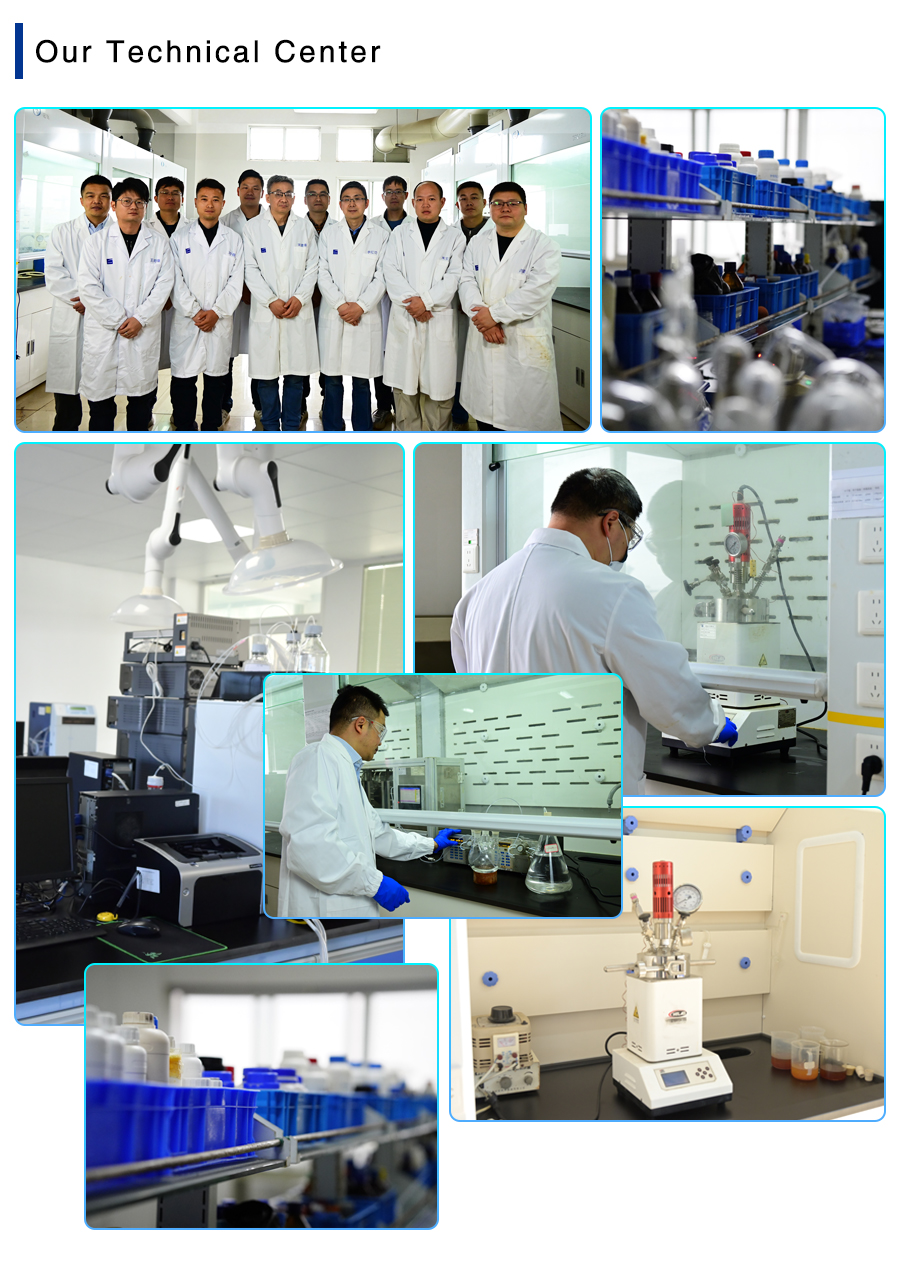
Our chemical synthesis lines and green engineering protocols are designed and continuously optimized by a corporate R&D department led by process chemists holding doctoral degrees. This technical leadership has successfully secured 19 invention patents and 8 utility model patents focused on high-selectivity catalytic nitration, efficient isomer separation, and advanced aromatic crystallization chemistry. By optimizing our core processing, we deliver an intermediate that helps downstream partners minimize process variations and maximize manufacturing efficiency.
Dual-Site Production Redundancy and Supply Security (Dalian & Heze)
In today's complex international regulatory and environmental landscape, supply chain redundancy is an absolute requirement for long-term planning. EASTFINE operates two fully mirrored, large-scale manufacturing complexes in Dalian and Heze. This dual-site setup guarantees an uninterrupted supply of high-purity intermediates; if one plant undergoes a scheduled environmental audit or local maintenance cycle, the sister facility can expand its output to seamlessly fulfill long-term commercial contracts.
Complete Analytical Validation and Traceability Dossiers
Navigating strict international registration pathways requires absolute data transparency and robust analytical backing. EASTFINE accompanies every batch of CAS No. 114776-15-7 with a comprehensive analytical package, including high-resolution liquid chromatography (HPLC) charts, precise melting point verifications, and detailed moisture measurements. Our rigorous quality control simplifies your raw material validation workflows, providing a clear auditing trail for global regulatory bodies.
Conclusion: Advancing Agrochemical Performance through Green Innovation
Achieving high active-ingredient output and dependable batch safety during commercial scale-up requires complete authority over both reaction kinetics and environmental process engineering. High E-Factor processes, unmanaged hazardous waste streams, or high volatile emissions when handling 2-Chloro-4-fluoro-5-nitrobenzoic acid (CAS No. 114776-15-7) can cause regulatory non-compliance, supply chain disruptions, and costly manufacturing penalties.
Partnering with EASTFINE provides your engineering team with an analytically verified, sustainably manufactured intermediate. Backed by thirty years of direct manufacturing authority, advanced proprietary intellectual property, and a highly secure dual-site production model, EASTFINE helps you build exceptionally clean, efficient, and regulatory-secure agrochemical manufacturing processes.


 English
 العربية
 Français
 Русский
 Español
 Português
 Deutsch
 italiano
 日本語
日本語 한국어
한국어 Nederlands
 Tiếng Việt
 ไทย
ไทย Polski
 Türkçe
 አማርኛ
አማርኛ ພາສາລາວ
 Bahasa Melayu
 ဗမာစာ
ဗမာစာ Filipino
 Bahasa Indonesia
 magyar
 Română
 Čeština
 қазақ
қазақ Српски
 हिन्दी
 فارسی
فارسی Kiswahili
 Slovenčina
 Slovenščina
 Norsk
Norsk Svenska
 українська
 Ελληνικά
 Suomi
Suomi עברית
עברית Dansk
Dansk اردو
اردو Shqip
Shqip বাংলা
বাংলা Hrvatski
 Gaeilge
 Eesti keel
 Oʻzbekcha
 latviešu
 Azərbaycan dili
 Български
 ქართული
 íslenska
 Lietuvių


 简体中文
简体中文


