Introduction: The ESG Mandate in High-Potency Pharmaceutical Intermediate Synthesis
In the evolving global pharmaceutical landscape, environmental, social, and governance (ESG) compliance has shifted from a corporate social responsibility metric into a hard operational requirement. International regulatory bodies, backed by European Union Green Deal frameworks and global decarbonization targets, are enforcing strict limits on Scope 3 upstream emissions and industrial chemical waste. For multinational drug innovators and contract manufacturing organizations, validating a therapeutic pipeline now requires evaluating not only an intermediate’s purity profile, but also the environmental sustainability and carbon intensity of its synthetic route.
In the commercial synthesis of advanced antiandrogen oncology therapies, implementing sustainable manufacturing protocols presents significant chemical engineering challenges. The foundational intermediate, 4-Amino-2-(trifluoromethyl)benzonitrile (CAS No. 654-70-6), is a heavily substituted aromatic molecule requiring multi-step fluorination, nitration, and cyanation processes. Traditionally, introducing halogenated functional groups and organofluorine fragments generates complex waste streams, high carbon footprints, and volatile solvent runoff that require intensive treatment.
For procurement directors and corporate sustainability leads, relying on legacy chemical suppliers operating un-optimized, energy-intensive batch processes introduces severe supply chain vulnerabilities. As environmental regulators tighten discharge limits on fluorinated organic compounds and organic solvents, un-integrated intermediate manufacturers face unexpected operational halts, environmental compliance fines, and rising production costs. Securing a reliable long-term supply demands partnering with an asset-backed direct manufacturer that embeds atom economy principles, closed-loop solvent recovery, and advanced wastewater defluorination directly into its production infrastructure.
At EASTFINE, we address these global ESG challenges by engineering sustainable, low-carbon manufacturing routes and high-efficiency waste recycling protocols for CAS No. 654-70-6, delivering a green, regulatory-secure intermediate supply to the global pharmaceutical industry.
What is 4-Amino-2-(trifluoromethyl)benzonitrile (CAS No. 654-70-6)?
4-Amino-2-(trifluoromethyl)benzonitrile is an advanced fluorinated aromatic building block engineered to provide precise electronic properties and steric orientation in targeted small-molecule therapeutics. Defined by the chemical formula C8H5F3N2, its benzene core contains a primary amine group at position 1, an electron-withdrawing trifluoromethyl segment at position 2, and a polar cyano linkage at position 4.
The physical and chemical properties of premium-grade CAS No. 654-70-6 include a molecular weight of 186.13 g/mol, a true density of 1.37 g/cm³, and a sharp melting point range of 141°C to 145°C. The compound is isolated as a stable, off-white to pale crystalline powder.
From a green chemistry perspective, synthesizing this multi-functionalized aromatic ring efficiently requires optimizing reaction selectivity to maximize atom economy. Controlling the thermodynamic equilibrium during catalytic reduction and halogen exchange steps minimizes the formation of unwanted organic side-products, reducing waste generation at the source.
Applications of 4-Amino-2-(trifluoromethyl)benzonitrile
The precise molecular structure and environmentally validated production of 4-Amino-2-(trifluoromethyl)benzonitrile make it a critical raw material across several sustainable oncology manufacturing pipelines:
Sustainable Scale-Up of First-Generation Antiandrogen Therapeutics
The primary commercial application for this intermediate is the multi-ton synthesis of Bicalutamide. Utilizing an intermediate produced via high-efficiency, closed-loop solvent processes ensures that large-scale acylation steps maintain a low overall environmental footprint.
Low-Carbon Assembly of Second-Generation Castration-Resistant APIs
In the commercial manufacturing lines for advanced therapies such as Enzalutamide, the compound establishes the central 4-cyano-3-trifluoromethylphenyl pharmacophore. Sourcing this intermediate from an ESG-compliant supply chain allows pharmaceutical brand owners to meet corporate Scope 3 decarbonization targets.
Certified Reference Benchmarks for Environmental Audit Compliance
Because green synthesis relies on strict impurity and waste profiling, verified high-purity intermediate lots are deployed as analytical benchmarks. Quality and EHS teams utilize these standards to validate green analytical methods and audit raw material environmental impact scores.
Advantages of Green Chemistry in Intermediate Procurement
Sourcing 4-Amino-2-(trifluoromethyl)benzonitrile from an asset-backed manufacturer committed to sustainable chemical engineering offers key commercial, environmental, and compliance benefits:
Seamless Compliance with Global Scope 3 Decarbonization Mandates
Partnering with a supplier that utilizes energy-efficient manufacturing processes lowers the overall Product Carbon Footprint (PCF) of your raw materials. This reduction supports corporate sustainability reporting and satisfies investor ESG metrics.
Long-Term Price Stability through Closed-Loop Solvent Recycling
Utilizing continuous solvent recovery systems reduces raw material consumption and insulates manufacturing costs from volatile solvent market prices. This process efficiency translates into stable long-term intermediate pricing.
Uninterrupted Supply Security Clear of Environmental Regulatory Shutdowns
Sourcing intermediate material from production plants equipped with advanced wastewater treatment and zero-liquid-discharge (ZLD) technologies eliminates the risk of sudden facility suspensions during regional environmental audits.
Sustainable Fluorination Chemistry & Waste Minimization Science
Achieving high-yield synthesis while minimizing environmental impact requires advanced catalytic development, solvent selection, and specialized effluent treatment technologies.
The Challenge of Fluorinated Waste and Organic Solvent Runoff:
Traditional halogenation and trifluoromethylation pathways often generate hazardous halide salts, acidic wastewater, and significant volumes of spent organic solvents. If these waste streams are improperly managed, organofluorine residues can persist in wastewater systems, creating severe environmental liabilities and failing strict local discharge regulations.
The Solution of Heterogeneous Catalysis and Closed-Loop Defluorination:
Overcoming these environmental bottlenecks involves replacing stoichiometric reagents with highly selective, reusable heterogeneous catalysts that drive near-quantitative conversions under mild thermal conditions. Spent organic solvents are continuously captured via closed-circuit fractional distillation units for internal reuse, while industrial wastewater undergoes specialized multi-stage precipitation and advanced oxidation process (AOP) defluorination to remove trace fluorine ions before discharge.
By integrating these green engineering principles into commercial production, EASTFINE delivers an intermediate that balances chemical performance with environmental sustainability, protecting global supply chains from ESG-related disruptions.
Green Infrastructure & Environmental Engineering at Commercial Scale
Sustaining multi-ton outputs while meeting strict ESG parameters relies on a modernized industrial setup that integrates energy recovery systems, automated waste tracking, and continuous environmental monitoring:
Closed-Loop Solvent Recovery and VOC Emission Controls
The primary defense against resource waste and air emissions across EASTFINE’s manufacturing centers relies on advanced recovery hardware.
Continuous Fractional Distillation and Solvent Regeneration Trains
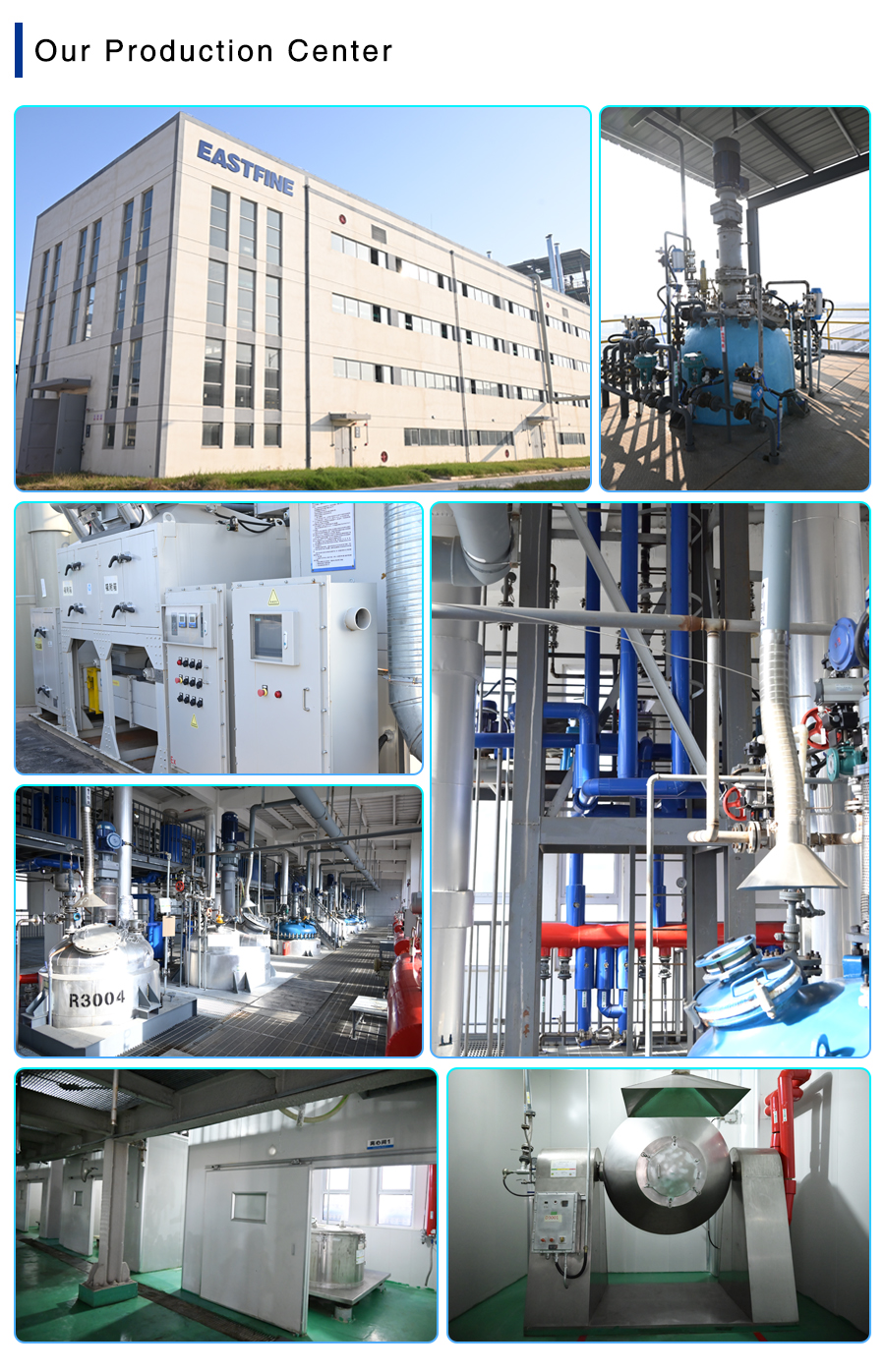
Our processing plants operate dedicated, high-efficiency fractional distillation columns integrated directly into reaction loop outlets. These systems capture, purify, and recycle spent reaction solvents back into production runs with high recovery rates, minimizing fresh solvent purchasing requirements and reducing overall waste volume.
High-Efficiency Thermal Oxidizers and Scrubbing Arrays
To eliminate volatile organic compound (VOC) emissions during processing, process vents are channeled into multi-stage gas scrubbers paired with regenerative thermal oxidizers (RTO). This setup incinerates gaseous residues at high temperatures, ensuring stack emissions easily pass strict international air quality standards.
Advanced Industrial Wastewater Treatment and Zero-Liquid-Discharge Systems
Managing chemical effluent requires robust, multi-tier water treatment systems capable of neutralizing hazardous byproducts.
Multi-Stage Chemical Neutralization and Membrane Separation
Process wastewater undergoes automated chemical neutralization followed by multi-stage membrane filtration. This sequence isolates solid halide salts and heavy organic residues, generating a purified water stream suitable for internal recycling or safe discharge.
Zero-Liquid-Discharge (ZLD) Evaporative Crystallization
For high-salinity wastewater streams, our facilities deploy energy-efficient evaporative crystallization units. By driving off water vapor for reuse in cooling towers, these ZLD systems reduce liquid waste to dry, easily managed solid mineral cakes, eliminating untreated liquid effluent discharge.
Post-Production Environmental Stewardship: Sustainable Packaging and Low-Carbon Freight Logistics
Following automated purification and final quality clearance, the intermediate is packed and distributed using environmentally responsible packaging and logistics strategies:
Fully Recyclable Commercial Packaging Systems
The dry crystalline product is packed into heavy-duty, fully recyclable UN-certified fiber drums manufactured from sustainably sourced paper materials. The inner protective liners utilize recyclable multi-layer polymers designed to prevent moisture ingress without introducing non-recyclable composite waste.
Optimized High-Density Ocean Freight and Carbon-Offset Logistics
Finished product shipments are consolidated into high-density container shipments routed through major international maritime ports. Utilizing sea freight over air transport significantly reduces carbon emissions per kilogram shipped, supporting your overall logistics sustainability targets.
Digital Product Carbon Footprint (PCF) Documentation
Every commercial shipment is accompanied by a digital environmental compliance package, providing verified data on batch carbon intensity, solvent recycling rates, and energy consumption metrics to simplify your internal sustainability audits.
Green Chemistry and ESG Compliance Performance Matrix
To support sustainability directors, EHS engineering leads, and green procurement managers during vendor qualification and environmental audits, our operations maintain a standardized ESG performance profile.
| Sustainability Parameter | Legacy Commodity Sourcing | EASTFINE Green Manufacturing Platform | Direct Downstream Pharmaceutical Pipeline Impact |
| Solvent Recovery Efficiency | Low recovery rates (≤ 50%) | Closed-loop continuous distillation (≥ 90%) | Lowers production costs and minimizes fresh solvent waste. |
| Wastewater Treatment | Basic neutralization only | Advanced AOP defluorination & ZLD options | Prevents environmental compliance halts and protects water resources. |
| Carbon Intensity Tracking | Un-monitored carbon footprint | Verified Product Carbon Footprint (PCF) data | Supports corporate Scope 3 decarbonization reporting goals. |
| Packaging Sustainability | Mixed non-recyclable materials | Fully recyclable UN-certified fiber drums | Reduces solid waste generation at receiving manufacturing sites. |
Why Choose EASTFINE? Your Partner for Secure Commercial Scale-Up
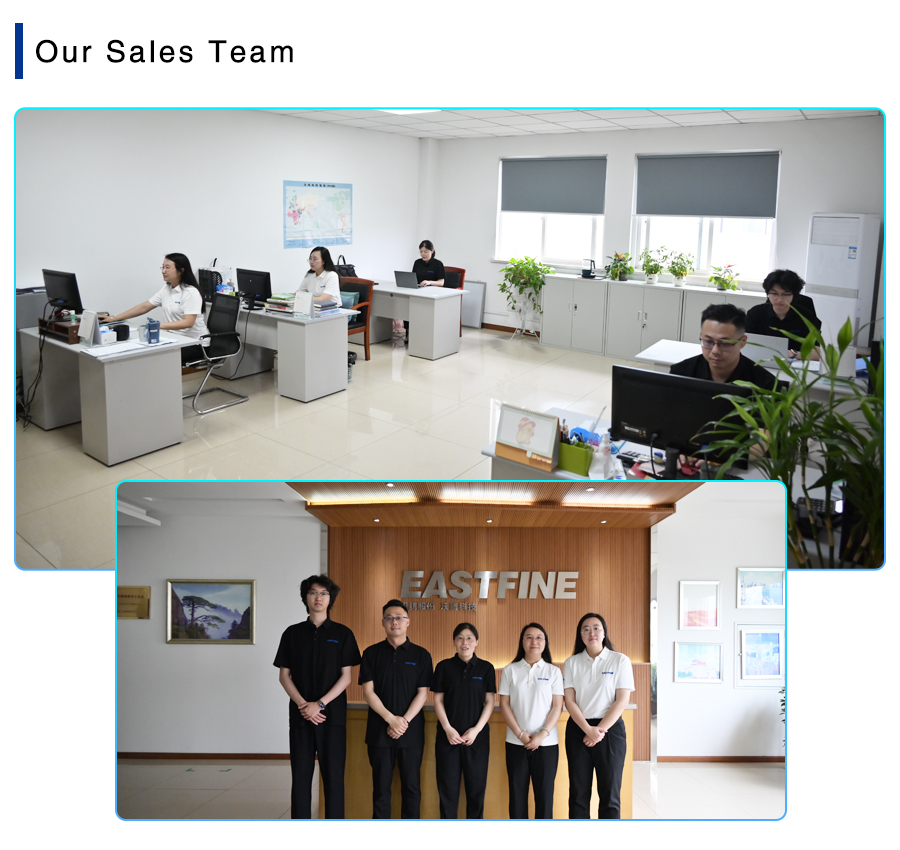
When an advanced oncology molecule transitions from initial laboratory development into multi-ton commercial production, selecting a technically capable and logistically secure chemical partner is essential. Established in 1995, EASTFINE is a leading global direct manufacturer of premium 4-Amino-2-(trifluoromethyl)benzonitrile.
Technical Innovation Anchored by Doctoral R&D Teams
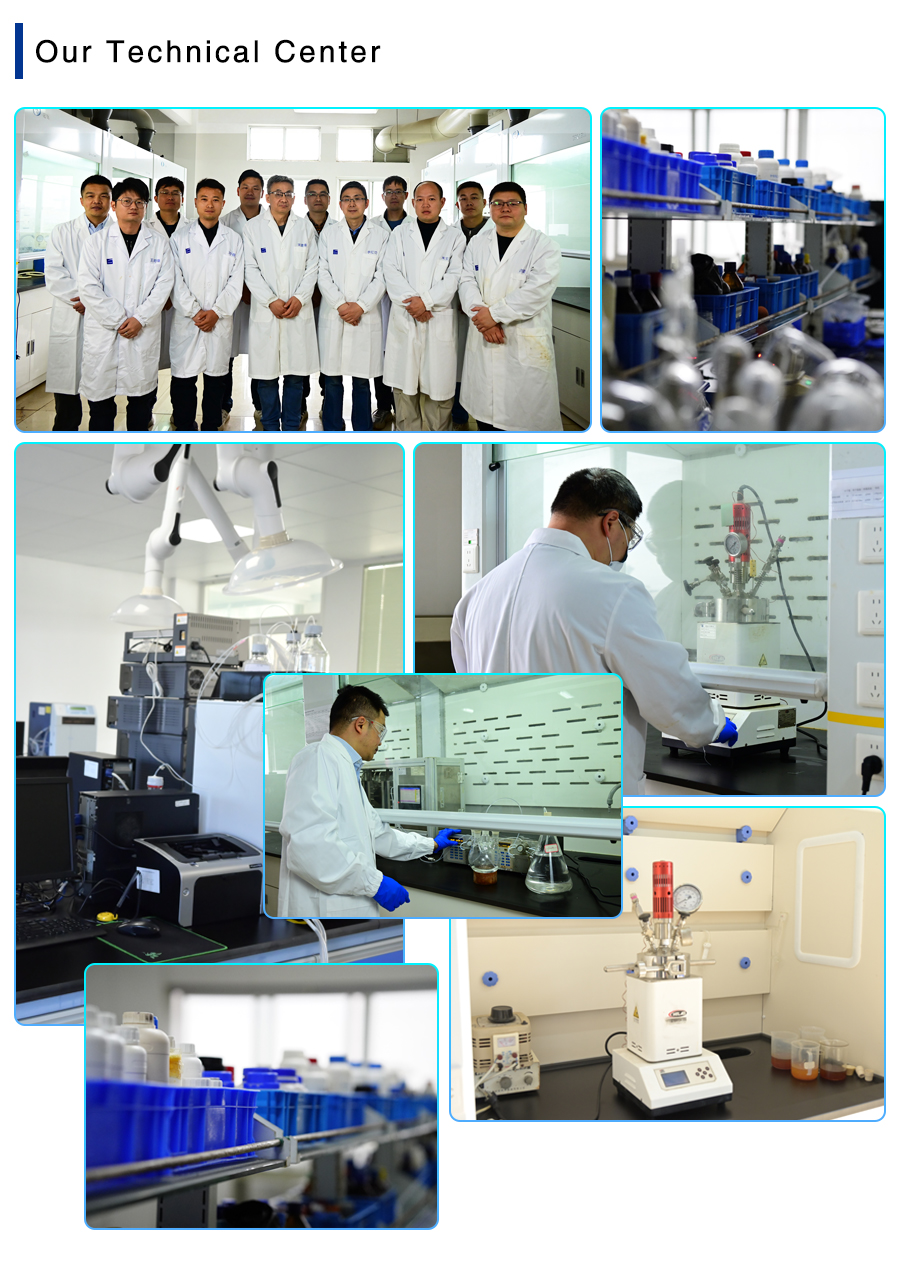
Our chemical manufacturing lines and high-precision analytical protocols are designed and continuously optimized by a corporate R&D department led by process chemists holding doctoral degrees. This technical leadership has successfully secured 19 invention patents and 8 utility model patents focused on high-selectivity synthesis, smart inline monitoring integration, and advanced purification chemistry. By optimizing our core processing, we deliver an intermediate that helps downstream partners minimize analytical variations and maximize manufacturing efficiency.
Dual-Site Production Redundancy and Supply Security (Dalian & Heze)
In today's complex international regulatory and environmental landscape, supply chain redundancy is an absolute requirement for long-term planning. EASTFINE operates two fully mirrored, large-scale manufacturing complexes in Dalian and Heze. This dual-site setup guarantees an uninterrupted supply of high-purity intermediates; if one plant undergoes a scheduled environmental audit or local maintenance cycle, the sister facility can expand its output to seamlessly fulfill long-term commercial contracts.
Complete Analytical Validation and Traceability Dossiers
Navigating strict international registration pathways requires absolute data transparency and robust analytical backing. EASTFINE accompanies every batch of CAS No. 654-70-6 with a comprehensive analytical package, including high-resolution liquid chromatography (HPLC) charts, precise melting point verifications, and detailed moisture measurements. Our rigorous quality control simplifies your raw material validation workflows, providing a clear auditing trail for global regulatory bodies.
Conclusion: Building Sustainable Supply Chains Through Advanced Green Engineering
Meeting modern pharmaceutical market demands requires combining precise synthetic control with advanced environmental stewardship. Relying on inefficient reaction routes, un-recycled waste streams, or non-compliant manufacturing plants when sourcing 4-Amino-2-(trifluoromethyl)benzonitrile (CAS No. 654-70-6) introduces severe regulatory, financial, and ESG risks.
Partnering with EASTFINE provides your procurement, EHS, and corporate sustainability teams with an analytically verified, environmentally responsible intermediate supply line. Backed by thirty years of direct manufacturing authority, advanced proprietary intellectual property, and a highly secure dual-site production model, EASTFINE helps you build clean, efficient, and ESG-secure active pharmaceutical ingredient manufacturing pipelines.


 English
 العربية
 Français
 Русский
 Español
 Português
 Deutsch
 italiano
 日本語
日本語 한국어
한국어 Nederlands
 Tiếng Việt
 ไทย
ไทย Polski
 Türkçe
 አማርኛ
አማርኛ ພາສາລາວ
 Bahasa Melayu
 ဗမာစာ
ဗမာစာ Filipino
 Bahasa Indonesia
 magyar
 Română
 Čeština
 қазақ
қазақ Српски
 हिन्दी
 فارسی
فارسی Kiswahili
 Slovenčina
 Slovenščina
 Norsk
Norsk Svenska
 українська
 Ελληνικά
 Suomi
Suomi עברית
עברית Dansk
Dansk اردو
اردو Shqip
Shqip বাংলা
বাংলা Hrvatski
 Gaeilge
 Eesti keel
 Oʻzbekcha
 latviešu
 Azərbaycan dili
 Български
 ქართული
 íslenska
 Lietuvių


 简体中文
简体中文


