


Views: 0 Author: Site Editor Publish Time: 2026-06-23 Origin: Site
In the industrial manufacturing of advanced agricultural chemical assets, translating a high-purity organic intermediate into a successful downstream formulation depends heavily on physical material mechanics. While chemical purity baselines establish the foundational efficacy of a compound, the physical properties of the bulk powder dictate its behavior inside a commercial manufacturing plant. When moving thousands of kilograms of crystalline solids through automated industrial equipment, the particle geometry and surface energies of the material determine the efficiency of the entire production line.
For formulation engineers and plant operations managers scaling up high-potency fluorinated herbicides, managing the particle dynamics of 2-Chloro-4-fluoro-5-nitrobenzoic acid (CAS No. 114776-15-7) is a critical processing requirement. CAS No. 114776-15-7 features an aromatic core substituted with a carboxylic acid group, a chlorine atom, a fluorine atom, and a nitro group.
This functional arrangement forms strong intermolecular dipole interactions and hydrogen-bonding networks, causing the raw crystals to naturally assemble into cohesive, needle-like or elongated structures that present distinct handling challenges.
If these crystalline structures are left unoptimized during large-scale manufacturing, bulk handling systems can experience severe operational failures, including hopper bridging, erratic flow rates, or inconsistent dissolution kinetics. Furthermore, unengineered particles can undergo severe agglomeration during micronization, causing blockages in high-speed jet mills and leading to inconsistent particle size distributions in final water-dispersible granules or suspension concentrates.
At EASTFINE, we eliminate these processing vulnerabilities by combining advanced crystallization techniques with precise particle engineering, delivering a bulk intermediate with optimized powder rheology and predictable handling characteristics.
2-Chloro-4-fluoro-5-nitrobenzoic acid is a highly functionalized aromatic building block engineered to serve as a structurally stable, highly reactive intermediate for premium crop protection chemicals. The molecular layout is defined by the chemical formula C7H3ClFNO4, locking four highly specific functional handles onto an aromatic ring.
The carboxylic acid group at position 1 functions as a reactive site for downstream esterification, amidation, or heterocycle ring-closure procedures. The chlorine atom at position 2 provides steric control, while the fluorine atom at position 4 and the nitro group at position 5 function as powerful electron-withdrawing groups. This specific combination activates the aromatic system, making it an exceptional target for highly predictable, regioselective nucleophilic aromatic substitution (SNAr) reactions.
From a physical perspective, premium-grade CAS No. 114776-15-7 presents as a stable, off-white crystalline solid with a melting point range of 156°C to 158°C and a true density of 1.68 g/cm³. Managing this physical profile across commercial volumes is essential; a highly uniform crystal habit guarantees predictable bulk density, optimal specific surface area, and consistent flow profiles during high-throughput plant operations.
The distinct electronic and spatial layout of 2-Chloro-4-fluoro-5-nitrobenzoic acid makes it a vital commercial intermediate for several major sectors of modern agricultural manufacturing:
The main commercial application for this intermediate is the synthesis of protoporphyrinogen oxidase (PPO) inhibiting herbicides. These highly effective formulations disrupt chlorophyll synthesis within target weed species, providing exceptional weed control in major global food crops like field corn and commercial soybean systems.
In the commercial synthesis of high-potency uracil herbicides, the 2,4,5-trisubstituted benzoyl framework derived from this intermediate is integrated directly into the core heterocycle. This configuration provides exceptional systemic stability, allowing the active crop-protection asset to resist rapid enzymatic degradation in agricultural soils.
Derivatives of this intermediate are also utilized to manufacture specialized chemical safeners that alter plant enzyme expressions. When applied alongside primary herbicides, these safeners enhance the natural metabolic defenses of the cash crop, widening the application window without risking crop injury or lowering yield metrics.
Implementing advanced particle engineering and powder rheology controls for CAS No. 114776-15-7 delivers measurable financial and operational advantages to multi-national agrochemical brands:
Optimizing the particle shape and particle size distribution minimizes cohesive forces and internal friction within the bulk powder. This mechanical modification ensures consistent, mass-flow discharge from large storage silos and industrial hoppers, completely eliminating production shutdowns caused by material bridging or rat-holing.
Engineering a high and uniform specific surface area maximizes the interface between the solid crystalline powder and the processing solvents. This structural configuration accelerates dissolution rates, allowing process engineers to shorten cycle times and maximize reactor throughput in commercial synthesis loops.
Utilizing a particle profile with a narrow size distribution prevents Ostwald ripening and unexpected crystal growth in liquid formulations. This structural stability maintains consistent viscosity metrics, preventing sedimentation and product separation over extended shelf-life windows.
Managing the physical behavior of a multi-substituted aromatic acid during high-volume handling requires a thorough understanding of powder mechanics, surface forces, and shear dynamics.
Unoptimized crystallization methods typically produce needle-like or elongated crystals that exhibit high mechanical interlocking and high surface-to-volume ratios. These elongated geometries increase the powder's compressibility and cause low flowability indices, leading to severe handling difficulties in automated screw-conveyor and gravimetric feeding systems.
Overcoming these mechanical limitations involves using modified cooling profiles and anti-solvent crystallization techniques to produce blocky or isometric crystal habits. This engineered geometry minimizes mechanical interlocking and optimizes bulk powder rheology, allowing the material to flow freely without the need for expensive mechanical flow-aids or fluidization systems.
By ensuring that our intermediate is produced with these optimized physical parameters, EASTFINE guarantees that the chemical purity and mechanical processability of the material are fully preserved throughout your downstream manufacturing pipeline.
Achieving optimal bulk flowability and highly predictable particle dimensions requires strict adherence to advanced particle-processing parameters and particle-characterization protocols:
When downstream herbicide formulations require sub-micron or low-micrometer particle profiles, the bulk intermediate must undergo high-efficiency fluid-energy micronization.
Crystalline CAS No. 114776-15-7 is processed using a spiral jet mill driven by oil-free, dry compressed air or inert nitrogen gas. Process technicians precisely balance the venturi injection pressure against the grinding nozzle pressure to control particle collisions, achieving a highly uniform particle size distribution without generating excessive localized heat that could melt or degrade the material.
High-velocity particle-to-particle collisions during jet milling can generate severe electrostatic charges on the surface of organic crystals. To prevent particle agglomeration and mill-lining accumulation, operations teams implement inline grounding networks and utilize temperature-controlled dehumidified process gas to dissipate static charges safely.
Verifying the physical success of the particle engineering process requires continuous, automated tracking of particle sizes and surface metrics.
Every manufactured batch is systematically analyzed via dry or wet laser diffraction testing to map its complete particle size distribution. Quality control protocols enforce strict limits on both the median particle size (D50) and the largest particle fraction (D90), ensuring absolute batch-to-batch consistency for downstream automated processing.
To validate dissolution predictability, the specific surface area of the micronized powder is verified using gas adsorption analysis based on Brunauer-Emmett-Teller (BET) theory. This precise metric guarantees that the available surface area matches theoretical dissolution models, allowing for seamless integration into high-throughput reactor systems.
Following successful particle engineering and packaging, the bulk material must be managed under optimized environmental and mechanical storage rules to preserve its flow properties:
Bulk organic powders stored in tall silos or stacked pallets experience significant pressure from gravity, which can cause particle deformation and storage caking. EASTFINE manages this risk by enforcing strict stacking height limitations for transit pallets and utilizing specialized packaging geometries that distribute vertical loads evenly.
Because moisture can dissolve crystal surfaces and form strong solid bridges as it dries, storage areas must maintain strict climate controls. Warehouse zones must feature continuous dehumidification systems held below 50 percent relative humidity, ensuring the engineered crystals remain dry and completely free-flowing.
When transferring the engineered intermediate into automated production lines, formulation plants utilize gravimetric loss-in-weight feeders calibrated to the specific bulk density of the material. This automated feeding setup monitors discharge consistency in real time, enabling precise stoichiometric dosing into liquid formulation tanks or high-shear agglomerators.
To support formulation scientists, plant operations directors, and process engineers during raw material onboarding and safety reviews, our operations departments maintain a standardized physical performance profile for our high-purity product.
| Physical Parameter | Standard Commercial Crystalline Profile | EASTFINE Engineered Particle Profile | Direct Manufacturing and Rheological Impact |
|---|---|---|---|
| Crystal Habit Geometry | Needle-like, highly elongated | Blocky, isometric, uniform habit | Minimizes mechanical interlocking, ensuring free-flowing powder performance. |
| Particle Size Distribution | Broad, variable distribution | Narrow, optimized distribution | Prevents Ostwald ripening and segregation in final herbicide formulations. |
| Specific Surface Area (SSA) | Low, unpredictable surface area | High, verified BET baseline | Accelerates dissolution velocities, shortening downstream reactor cycle times. |
| Hausner Ratio Flowability | High ratio (poor, cohesive flow) | Low ratio (≤ 1.18, excellent flow) | Eliminates silo bridging, ensuring consistent feeding into automated production lines. |
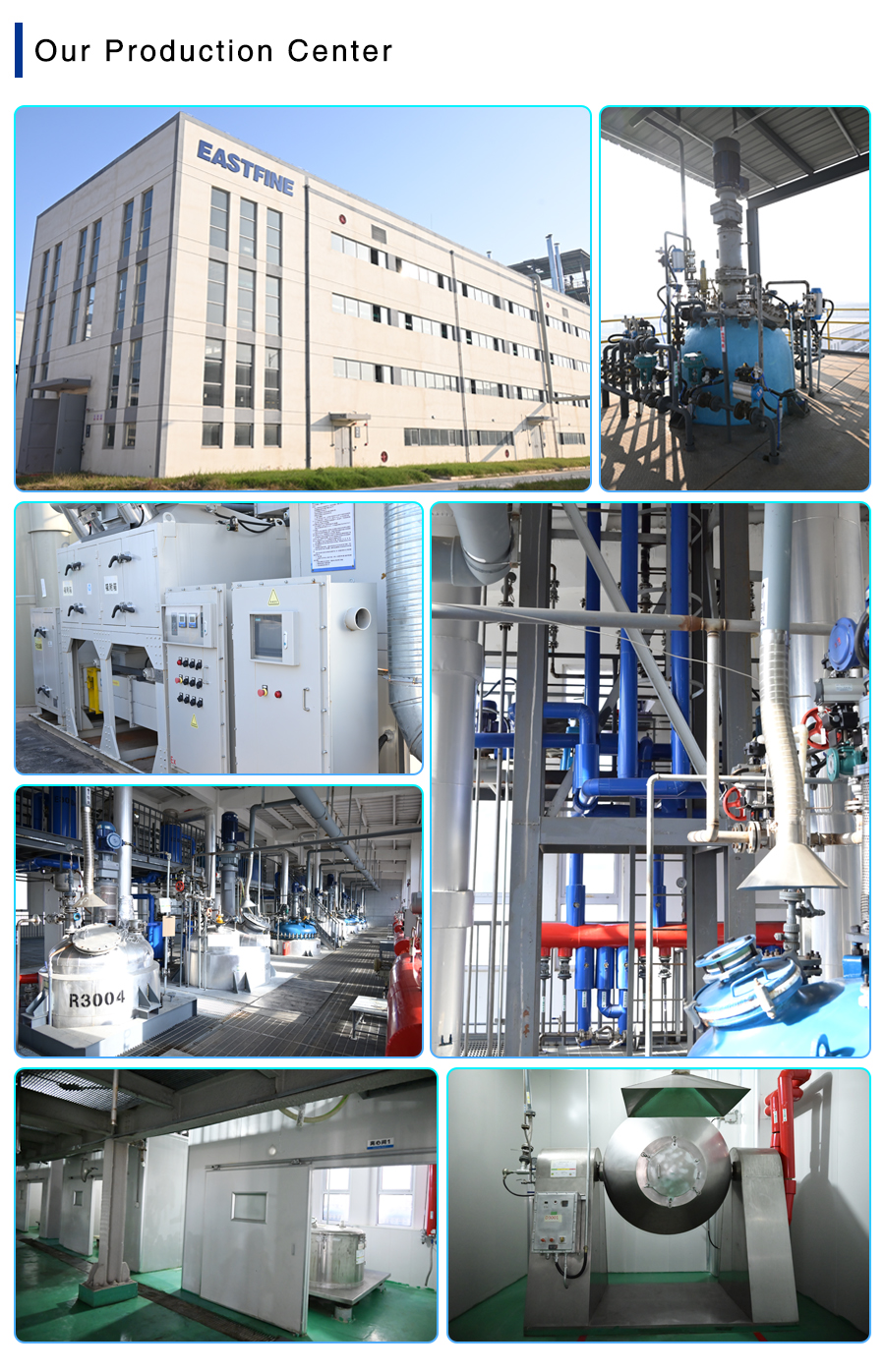
When an advanced crop protection molecule transitions from initial laboratory development into multi-ton commercial production, choosing a technically capable chemical partner is essential. Established in 1995, EASTFINE is a leading global direct manufacturer of premium 2-Chloro-4-fluoro-5-nitrobenzoic acid.
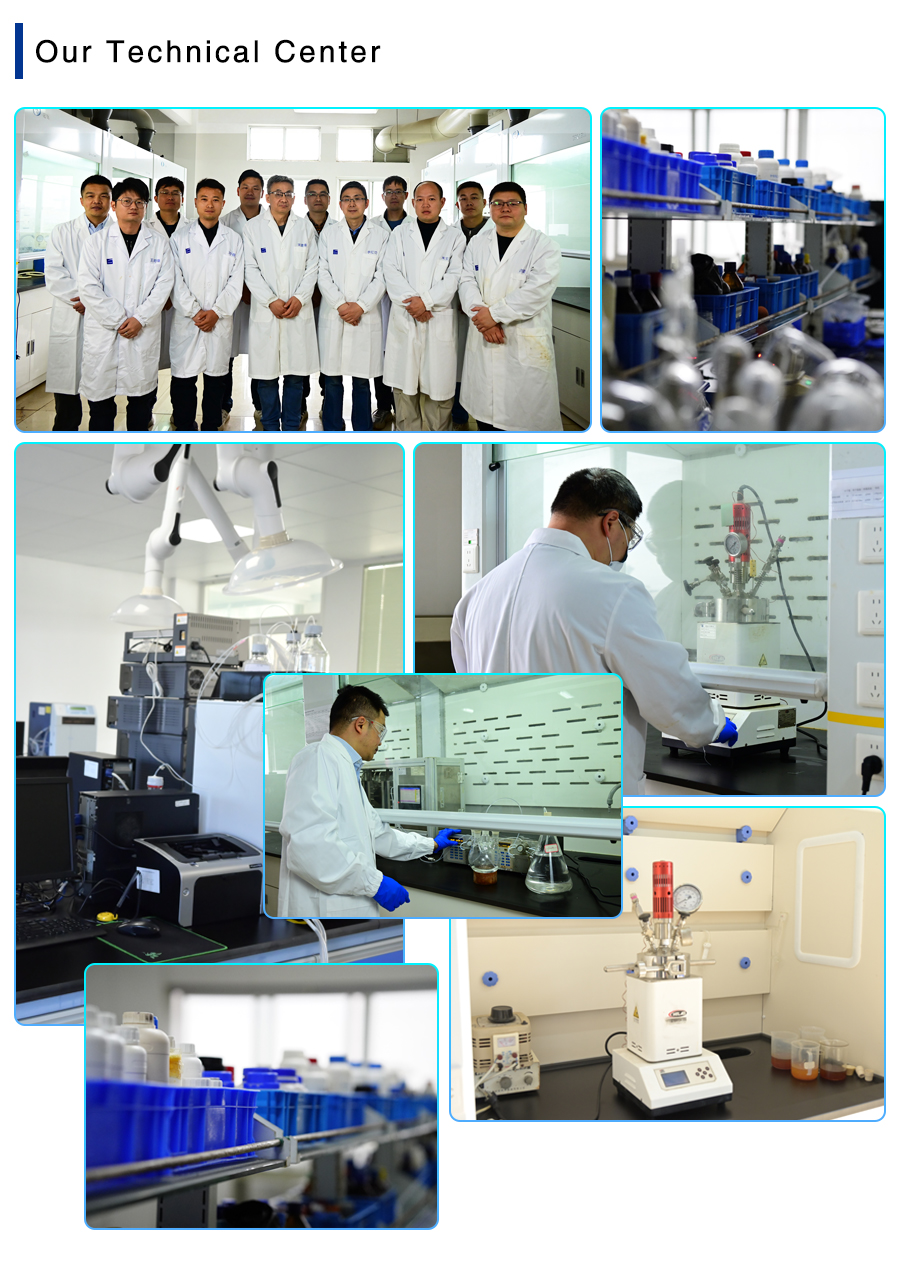
Our chemical synthesis lines and particle engineering protocols are designed and continuously optimized by a corporate R&D department led by process chemists holding doctoral degrees. This technical leadership has successfully secured 19 invention patents and 8 utility model patents focused on high-efficiency synthesis, advanced crystallization control, and particle modification chemistry. By optimizing our core processing, we deliver an intermediate that helps downstream partners minimize processing variations and maximize manufacturing efficiency.
In today's complex international regulatory and environmental landscape, supply chain redundancy is an absolute requirement for long-term planning. EASTFINE operates two fully mirrored, large-scale manufacturing complexes in Dalian and Heze. This dual-site setup guarantees an uninterrupted supply of high-purity intermediates; if one plant undergoes a scheduled environmental or maintenance audit, the sister facility can expand its output to seamlessly fulfill long-term commercial contracts.
Navigating strict international registration pathways requires absolute data transparency and robust analytical backing. EASTFINE accompanies every batch of CAS No. 114776-15-7 with a comprehensive analytical package, including high-resolution liquid chromatography (HPLC) charts, precise melting point verifications, laser diffraction particle size metrics, and detailed moisture measurements. Our rigorous quality control simplifies your raw material validation workflows, providing a clear auditing trail for global regulatory bodies.

Achieving high active-ingredient output and dependable batch safety during commercial scale-up requires complete authority over both reaction kinetics and bulk powder mechanics. Inconsistent particle structures, unmanaged crystal habits, or poor powder rheology when handling 2-Chloro-4-fluoro-5-nitrobenzoic acid (CAS No. 114776-15-7) can cause production delays, hopper blockages, and costly formulation variations.
Partnering with EASTFINE provides your engineering team with an analytically verified, physically optimized intermediate. Backed by thirty years of direct manufacturing authority, advanced proprietary intellectual property, and a highly secure dual-site production model, EASTFINE helps you build exceptionally clean, efficient, and regulatory-secure agrochemical manufacturing processes.


 简体中文
简体中文

