The Critical Link in Targeted Cancer Therapy
In the pharmaceutical manufacturing landscape of 2026, the demand for high-performance oncology treatments remains a top priority for global health systems. Imatinib Mesylate, famously known as the "magic bullet" for Chronic Myeloid Leukemia (CML), remains one of the most successful examples of targeted molecular therapy. However, the commercial success of this API depends entirely on the efficiency of its multi-step synthesis.
At the heart of this process are two pivotal intermediates that are frequently confused due to their structural similarities: CAS 106261-64-7 and CAS 106261-49-8. While they share the same 4-(4-methylpiperazin-1-ylmethyl)phenyl backbone, they represent different stages of chemical readiness. In an era where 2026 regulatory standards demand ultra-low impurity profiles and "Green Chemistry" efficiency, understanding the granular differences between the Acid form and the Chloride form is essential for any process chemist or procurement lead.
For the modern pharmaceutical facility, choosing between these two is not just a matter of chemical preference; it is a tactical decision. It impacts the total synthesis time, the heat profile of the reaction, and—most importantly—the purification burden of the final oncology drug.
Product Insights: The Chemical Intelligence
What are these Molecules?
Both compounds are dihydrochloride salts designed to introduce the "tail" moiety into the Imatinib scaffold. The addition of the 2HCl (dihydrochloride) is critical in 2026 industrial standards because it stabilizes the piperazine ring and ensures the intermediate is a crystalline solid rather than an unstable oil.
CAS 106261-49-8:
This is 4-(4-Methylpiperazinylmethyl)benzoic acid dihydrochloride. It is the carboxylic acid precursor. It is chemically "dormant" and requires activation before it can form a bond with the Imatinib core.
CAS 106261-64-7:
This is 4-(4-Methylpiperazinylmethyl)benzoyl chloride dihydrochloride. This is the "activated" version. The hydroxyl group (-OH) of the acid has been replaced by a chlorine atom (-Cl), turning it into an acyl halide—one of the most reactive functional groups in organic chemistry.
Applications of these Intermediates
The primary application for both is the synthesis of Imatinib and its various salt forms (Mesylate, etc.). However, their roles in the "Post-Patent" 2026 market have diverged:
Upstream Precursor (106261-49-8):
Used by manufacturers who have the in-house capability to perform safe chlorination. It is often purchased in bulk because its high stability allows for long-term storage in strategic reserves.
Downstream Acylating Agent (106261-64-7):
Used by "Fast-Track" manufacturers who want to bypass the hazardous chlorination step. It is used to form the crucial amide bond in Imatinib by reacting with the "Amine Core" (N-(5-Amino-2-methylphenyl)-4-(3-pyridyl)-2-pyrimidineamine).
Deep-Dive Comparison: CAS 106261-64-7 vs. 106261-49-8
Kinetic Efficiency and Reaction Profiles
The transition from the acid to the chloride is the "surgical strike" of the synthesis. Using the Benzoyl Chloride (106261-64-7) allows for a rapid, high-yield reaction at low temperatures (typically 0°C to room temperature). Conversely, using the Benzoic Acid (106261-49-8) directly would require expensive coupling reagents (like EDCI or HATU), which are harder to remove and increase the impurity burden on the final product.
Biomechanics of Amide Bond Formation
In the synthesis of Imatinib, the formation of the amide bridge is the most critical step. The benzoyl chloride (106261-64-7) provides the thermodynamic "push" needed to lock the two pieces together. The resulting amide bond is the "spine" of the Imatinib molecule; it provides the necessary rigidity for the drug to fit into the ATP-binding pocket of the Bcr-Abl protein. If the amidation is incomplete or if side-reactions occur, the resulting impurities can inhibit the final drug's ability to bind to the kinase.
Stability and Shelf-Life Intelligence
The starkest difference between these two molecules lies in their handling requirements:
A robust molecule, stable at room temperature and manageable in standard laboratory conditions without fear of immediate degradation.
Extremely hygroscopic and moisture-sensitive. Any exposure to air will cause hydrolysis, reverting the product back to the acid form (106261-49-8). For an industrial process, this "reversion" changes the stoichiometry and compromises the final yield.
Biomechanics of the Quaternary Piperazine Center
Both molecules feature a methylpiperazine ring, which is essential for the solubility of Imatinib. In 2026, the purity of this piperazine moiety is under intense regulatory scrutiny. At the intermediate stage, any trace of unmethylated piperazine or over-methylated quaternary ammonium salts will result in "Impurity Carry-over" into the final API. Our 2026 production technology specifically targets the stabilization of this ring system, ensuring the dihydrochloride salt maintains its ionic integrity throughout the acylation process.
Advanced Industrial Transformation
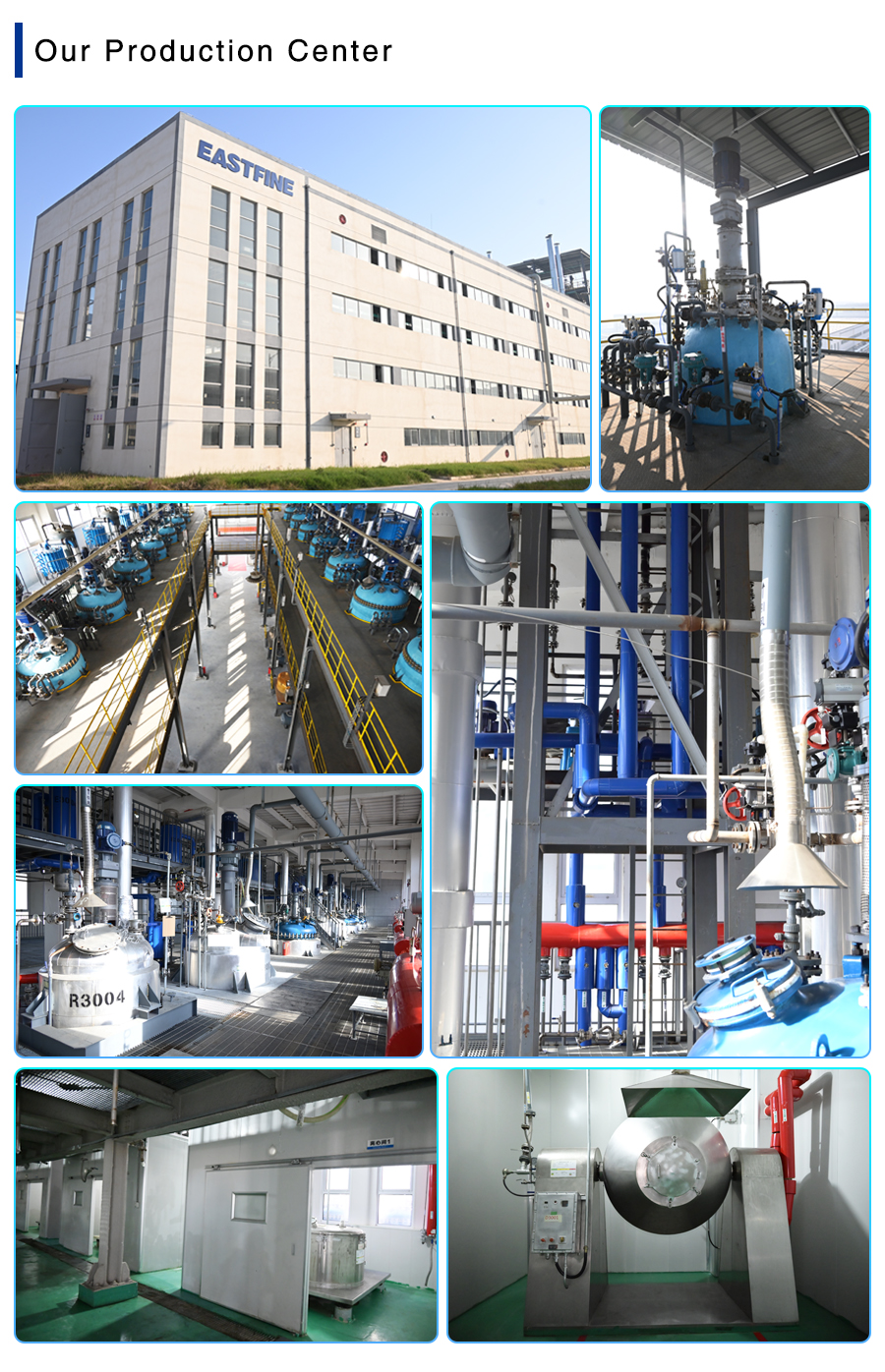
At EASTFINE, we specialize in the "in-situ" or high-purity isolation of the chloride through a refined three-stage process:
Chlorination Strategy:
The Benzoic Acid (106261-49-8) is reacted with high-purity Thionyl Chloride (SOCl2) in a controlled, anhydrous environment.
Solvent Evacuation:
Excess chlorinating agents are removed via a multi-stage vacuum distillation process to prevent residual acidity.
Salt Stabilization:
The Dihydrochloride salt is precipitated to ensure a high-melting-point solid (>240°C dec.) that is significantly easier to handle than the unstable free base.
Storage and Logistics
Physical State:
Both present as white to off-white crystalline powders.
Moisture Control:
106261-64-7 must be handled under Inert Atmosphere (Nitrogen/Argon) and stored at -20°C.
Packaging:
2026 standards require dual-layer, moisture-barrier packaging. EASTFINE ships exclusively in vacuum-sealed aluminum-foil liners inside reinforced fiber drums to ensure 0% moisture ingress during transit.
Comparative Technical Data Table
| Feature | CAS 106261-49-8 (Acid) | CAS 106261-64-7 (Chloride) |
| Functional Group | Carboxylic Acid (-COOH) | Acid Chloride (-COCl) |
| Molecular Weight | 307.22 | 325.66 |
| Reactivity | Moderate (Passive) | Very High (Active) |
| Stability Level | High (Room Temp Stable) | Low (Moisture Sensitive) |
| Purification Role | Standard Precursor | Direct Amidation Agent |
| Handling Risk | Minimal | Corrosive / Moisture Reactive |
Advantages of EASTFINE: Your Partner in Oncology for CAS 106261-64-7 & 106261-49-8
In the competitive 2026 oncology market, EASTFINE provides the technical depth and manufacturing stability to ensure your production is safe and cost-competitive.

Regioselective Precision:
Our 2026 catalytic amination ensures the methylpiperazine is perfectly attached at the para-position, providing a clean baseline for your API.
Ultra-Dry Packaging:
We use dual-layer, nitrogen-flushed foil sealing to guarantee that our Benzoyl Chloride arrives with 100% reactive titer.
Regulatory Transparency:
Every batch includes a full 2026 Technical Package (NMR, HPLC, and Residual Solvent Analysis) to simplify your CMC documentation.
Scalable Capacity:
From 1kg pilot studies to 10-ton commercial cycles, our infrastructure is built to support your growth with consistent quality.
Conclusion
Understanding the functional difference between CAS 106261-64-7 and CAS 106261-49-8 is vital for process optimization. While the Benzoic Acid is the logical starting point for stability, the Benzoyl Chloride Dihydrochloride is the refined tool that drives industrial-scale Imatinib production toward the 99.9% purity required by modern medicine.


 English
 العربية
 Français
 Русский
 Español
 Português
 Deutsch
 italiano
 日本語
日本語 한국어
한국어 Nederlands
 Tiếng Việt
 ไทย
ไทย Polski
 Türkçe
 አማርኛ
አማርኛ ພາສາລາວ
 Bahasa Melayu
 ဗမာစာ
ဗမာစာ Filipino
 Bahasa Indonesia
 magyar
 Română
 Čeština
 қазақ
қазақ Српски
 हिन्दी
 فارسی
فارسی Kiswahili
 Slovenčina
 Slovenščina
 Norsk
Norsk Svenska
 українська
 Ελληνικά
 Suomi
Suomi עברית
עברית Dansk
Dansk اردو
اردو Shqip
Shqip বাংলা
বাংলা Hrvatski
 Gaeilge
 Eesti keel
 Oʻzbekcha
 latviešu
 Azərbaycan dili
 Български
 ქართული
 íslenska
 Lietuvių


 简体中文
简体中文


