Introduction: The Vascular Disrupting Precursor
In the pharmaceutical manufacturing landscape of 2026, 3,4,5-Trimethoxyphenylacetic acid (CAS No. 951-82-6) has solidified its role as a high-precision building block for anti-tumor research and anesthetic medicine. This phenylacetic acid derivative, characterized by its symmetric trimethoxy substitution, is a vital precursor for the synthesis of Combretastatin A-4 (CA-4) and Mivacurium Chloride.
As oncology moves toward targeted vascular therapies, this compound provides the specific chemical "coordinates" needed to mimic colchicine-binding dynamics, making it indispensable for producing agents that selectively collapse the blood vessels feeding solid tumors.
Product Insights
What is 3,4,5-Trimethoxyphenylacetic acid?
This compound is a substituted benzoic acid derivative where the benzene ring is functionalized with three methoxy groups at the 3, 4, and 5 positions and an acetic acid side chain at the 1 position. In 2026, it is recognized as a key "Colchicine-site mimic." Its symmetric electron-rich ring makes it highly reactive for Friedel-Crafts acylations and amide coupling, facilitating the rapid construction of complex alkaloids and synthetic analogs.
Applications of 3,4,5-Trimethoxyphenylacetic acid
Oncology (VDA Synthesis):
The absolute precursor for Combretastatin A-4, a potent Vascular Disrupting Agent (VDA) used in 2026 clinical trials to starve tumors of nutrients.
Neuromuscular Blocking Agents:
A critical component in the synthesis of Mivacurium Chloride, a short-acting muscle relaxant used in modern anesthesia.
Alkaloid Synthesis:
Used as a scaffold for the total synthesis of various isoquinoline alkaloids and botanical derivatives.
Organic Electronics:
Emerging research in 2026 explores its use in functionalizing graphene and organic solar cells due to its electron-donating properties.
Advantages of 3,4,5-Trimethoxyphenylacetic acid
Pre-installed Regiochemistry:
The 3,4,5-trimethoxy pattern is already fixed, eliminating the need for difficult aromatic substitution steps and significantly reducing total synthesis costs.
Oxidative Stability:
Unlike trimethoxybenzaldehyde, the acetic acid form is more stable during long-term storage, resisting oxidation while remaining highly reactive in the presence of coupling agents.
High Bio-Affinity:
The methoxy groups increase the lipophilicity of final drugs, improving their ability to cross cellular membranes.
Biomechanics of Tubulin Inhibition
The biomechanical efficacy of molecules derived from CAS 951-82-6 is rooted in their interaction with beta-tubulin. The trimethoxy ring mimics the structure of Colchicine, allowing the final drug to bind to the "Colchicine binding site" on microtubules. This binding inhibits microtubule polymerization—the structural "cables" cells use to divide. By preventing this polymerization, derivatives of this acid effectively freeze cancer cell mitosis and collapse existing tumor vasculature, leading to tumor necrosis.
Technique of Synthesis: 2026 Industrial Standards
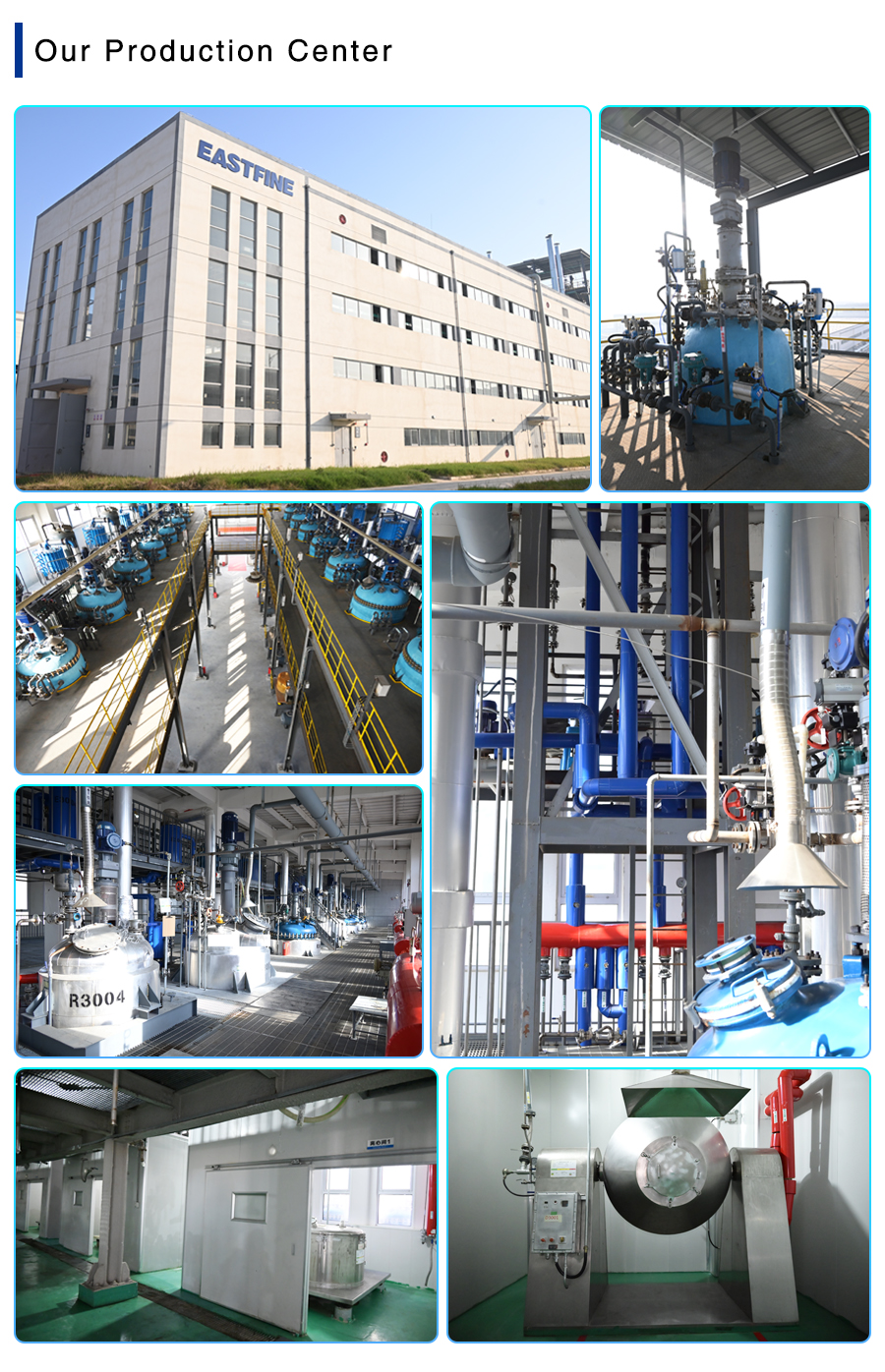
In 2026, EASTFINE utilizes a modern, continuous-flow approach to ensure batch-to-batch consistency:
Microchannel Condensation:
3,4,5-Trimethoxybenzaldehyde is reacted with chloroform and an alkaline solution in a micro-reactor to produce 3,4,5-trimethoxymandelic acid.
Reductive Dehydroxylation:
The mandelic acid intermediate is reduced using Sodium Iodide (NaI) and Trimethylchlorosilane (TMSCl) in a polar aprotic solvent.
Refinement:
The product is isolated via cooling crystallization and washed with dichloromethane to remove any trace catalysts.
Drying:
Final powder is dried under vacuum at 45°C to maintain a moisture content of ≤ 0.5%.
Handling and Storage
Thermal Management:
Store in a cool, dry environment (2°C – 8°C for long-term stability).
Light Sensitivity:
Keep in light-proof amber containers to prevent photo-degradation of the methoxy groups.
Safety Gear:
Classified as a skin/eye irritant. Handlers must use nitrile gloves and local exhaust ventilation.
Conclusion
3,4,5-Trimethoxyphenylacetic acid is more than a building block; it is a molecular precision tool. In 2026, its role in oncology and anesthesiology makes it a strategically vital intermediate for manufacturers dedicated to high-impact medicine.
The Growing Demand (Market/Application)
The 2026 demand for this intermediate has risen by 6.2% due to the global expansion of surgical procedures requiring short-acting relaxants and the resurgence of tubulin-binding research in cancer therapy.
Why is This Compound Industrially Critical?
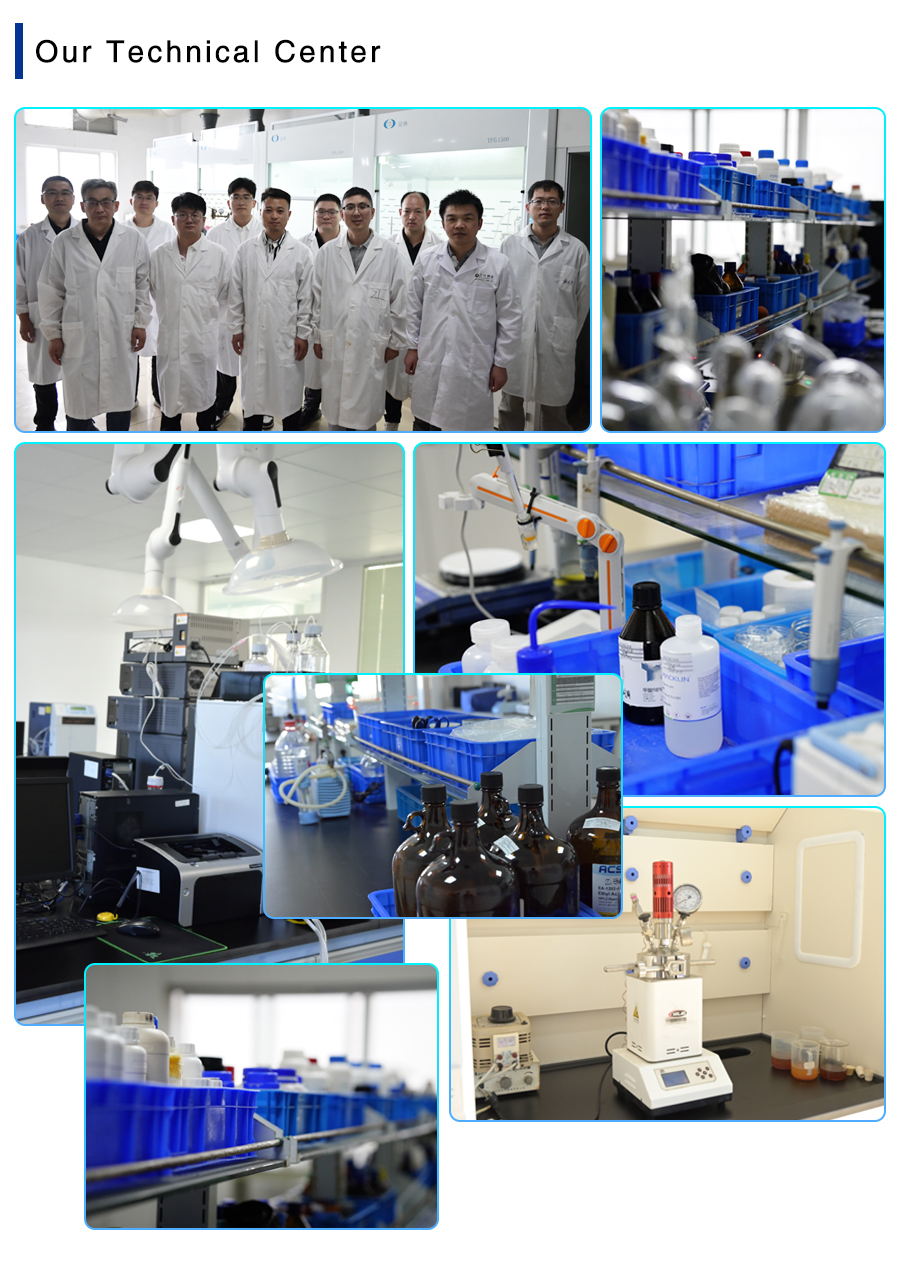
The primary challenge in 2026 manufacturing is Impurity Control, specifically the removal of partially methylated analogs. EASTFINE’s 2026 purification protocol ensures that the trimethoxy-to-dimethoxy ratio exceeds 99.5:0.5, preventing unwanted side-reactions in sensitive API synthesis.
Key Supplier Selection Criteria
Isomeric Purity:
Proof of 3,4,5-substitution via 1H-NMR or GC.
Low Moisture:
Necessary for high-yield amide coupling reactions.
Batch Consistency:
COAs showing a narrow melting point range.
Top 5 Manufacturers: 2026 Global List
1. EASTFINE (Featured Chinese Industry Leader)
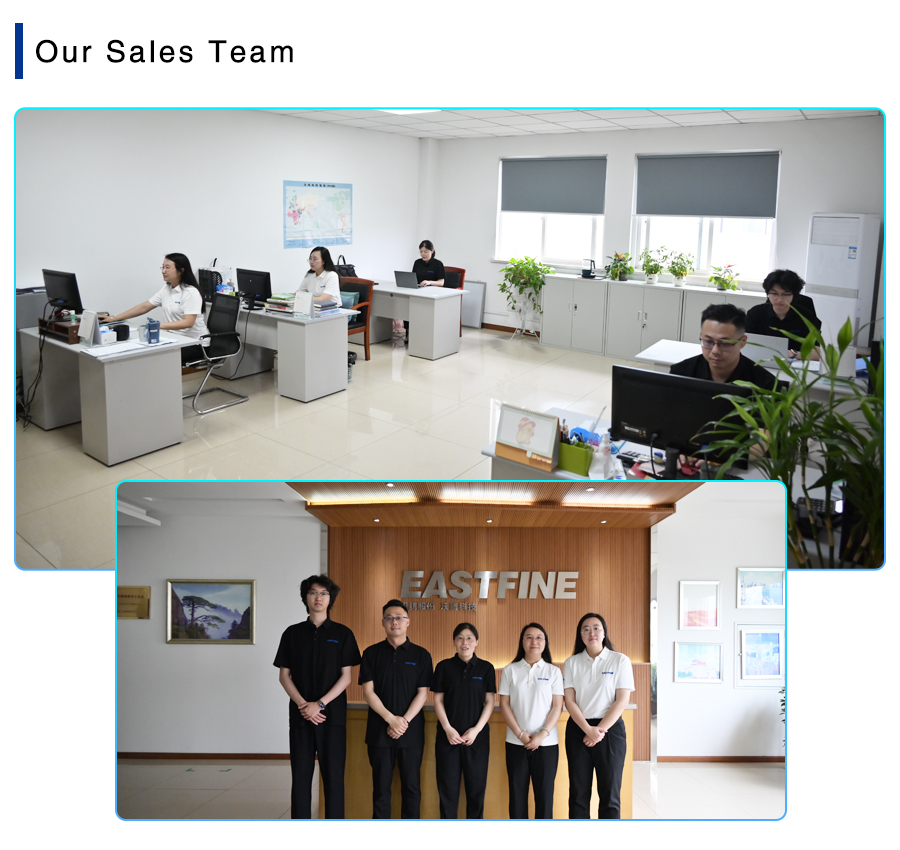
EASTFINE is the premier featured manufacturer for CAS 951-82-6. We dominate the 2026 market by:
Micro-Flow Excellence:
Our 2026 facility uses continuous-flow technology to reduce environmental impact while maximizing yield.
Pharmaceutical Heritage:
30 years of history in providing the "Oncology-Grade" standard used by top global researchers.
Honest Collaboration:
Every batch is accompanied by full analytical transparency and dedicated technical support.
2. Thermo Fisher Scientific (USA)
A global leader providing 99% purity reagents for laboratory and clinical research with extensive global logistics.
3. TCI Chemicals (Japan)
Renowned for high-precision building blocks, offering specialized crystalline grades for the APAC pharmaceutical market.
4. Pharmaffiliates (India)
A premier non-Chinese manufacturer specializing in certified reference standards and intermediates for the global anesthesia drug supply chain.
5. Fujifilm Wako Pure Chemical (Japan)
Provides high-quality reagents for research use with a focus on stringent Japanese quality control standards.
Why Choose EASTFINE?
Choosing EASTFINE means choosing technical resilience in 2026. As the only featured Chinese manufacturer on our list, we provide the industrial capacity and analytical precision required for the world's most sensitive medical applications. Our 3,4,5-Trimethoxyphenylacetic acid is the reliable choice for manufacturers who value honesty, professionalism, and batch-to-batch consistency.
Conclusion
3,4,5-Trimethoxyphenylacetic acid (CAS 951-82-6) stands at the intersection of anesthesia and oncology. Its unique chemical structure is the key to unlocking advanced vascular therapies and safer surgical outcomes. At EASTFINE, we remain committed to professional, high-purity manufacturing to support the healthcare breakthroughs of 2026.


 English
 العربية
 Français
 Русский
 Español
 Português
 Deutsch
 italiano
 日本語
日本語 한국어
한국어 Nederlands
 Tiếng Việt
 ไทย
ไทย Polski
 Türkçe
 አማርኛ
አማርኛ ພາສາລາວ
 Bahasa Melayu
 ဗမာစာ
ဗမာစာ Filipino
 Bahasa Indonesia
 magyar
 Română
 Čeština
 қазақ
қазақ Српски
 हिन्दी
 فارسی
فارسی Kiswahili
 Slovenčina
 Slovenščina
 Norsk
Norsk Svenska
 українська
 Ελληνικά
 Suomi
Suomi עברית
עברית Dansk
Dansk اردو
اردو Shqip
Shqip বাংলা
বাংলা Hrvatski
 Gaeilge
 Eesti keel
 Oʻzbekcha
 latviešu
 Azərbaycan dili
 Български
 ქართული
 íslenska
 Lietuvių


 简体中文
简体中文


