The Fluorinated Pyridinol: A 2026 Keystone for Molecular Potency
In the high-stakes world of fine chemical synthesis in 2026, 2-Hydroxy-4-(trifluoromethyl)pyridine (CAS 50650-59-4) has ascended to a position of critical importance. This molecule, a substituted pyridinol, represents the perfect marriage of heterocyclic stability and the transformative power of the trifluoromethyl group (CF3). For the modern chemist, this compound is far more than a simple reagent; it is a "metabolic shield." By incorporating the CF3 group at the 4-position, the molecule gains enhanced lipophilicity and resistance to oxidative metabolism—traits that are non-negotiable in the design of 2026’s most successful agrochemical active ingredients and pharmaceutical leads.
At EASTFINE, we recognize that the future of crop protection and medicine is increasingly fluorinated. As global populations approach 9.7 billion by 2050, the demand for high-efficiency, low-dose pesticides is driving a surge in trifluoromethylpyridine (TFMP) derivatives. CAS 50650-59-4 is the essential bridge to that future, providing a versatile platform for SNAr substitutions and C-H functionalization that allows for the creation of sophisticated, targeted molecular architectures.
The Chemical Crossroad
The architecture of CAS 50650-59-4 provides a fascinating study in tautomeric and electronic synergy. The molecule exists in a dynamic equilibrium between its 2-pyridinol form and its 2-pyridone tautomer. This dual nature allows it to act as an ambident nucleophile, offering diverse pathways for O-alkylation or N-alkylation depending on the reaction conditions. In the 2026 industrial landscape, mastering this tautomeric behavior is key to achieving the high regioselectivity required for multi-step API synthesis.
The Trifluoromethyl group (CF3) at the 4-position acts as a massive electron-withdrawing sink. This significantly lowers the pKa of the hydroxyl group and increases the electrophilicity of the pyridine ring. This specific electronic configuration is the "secret sauce" used to build the complex bridged structures found in 2026's elite pesticide classes, such as Fluazinam analogs, where the 4-position CF3 group provides the necessary binding affinity to the target fungal enzymes.
Product Insights: The Chemical Intelligence
What is this Molecule?
Technically defined as a fluorinated hydroxypyridine with the molecular formula C6H4F3NO, this compound presents as a white to off-white crystalline solid. In the 2026 industrial supply chain, it is the primary precursor for the synthesis of Fluazinam-related fungicides and various trifluoromethyl-substituted pyridine herbicides. Its value lies in its ability to impart high biological activity at exceptionally low application rates, aligning with global "Green Agriculture" initiatives.
Applications of 2-Hydroxy-4-(trifluoromethyl)pyridine
Agrochemical Innovation:
Foundational for the synthesis of "Green" herbicides targeting the acetolactate synthase (ALS) enzyme. The CF3 group ensures that the active ingredient remains effective in the soil for a precise window without long-term environmental persistence.
Pharmaceutical Discovery:
Essential for the synthesis of NK1 receptor antagonists, antitumor agents, and sphingosine phosphate receptor selective agonists. The trifluoromethyl group enhances the lipophilicity required for drug candidates to cross the Blood-Brain Barrier (BBB).
Ligand & Material Science:
Precursor for fluorinated bipyridine ligands used in transition-metal catalysis and advanced functional materials for the electronics industry, including semiconductors and photocatalysts.
Advantages of the EASTFINE Industrial Grade
Synthesizing this molecule with high regioselectivity is notoriously difficult. Standard industrial routes often result in "Isomer Contamination," where the 6-trifluoromethyl or 5-trifluoromethyl analogs are formed as byproducts.
The Regioselectivity Challenge:
Even 1% isomer contamination can lead to a 10-15% reduction in the potency of the final agrochemical formulation.
The EASTFINE Solution:
We utilize a 2026-refined Cyclization/Dehydration route starting from trifluoroacetoacetate and cyanoacetamide. This "bottom-up" assembly ensures the CF3 group is locked into the 4-position with >99% regioselectivity, eliminating the need for wasteful chromatographic separation and lowering the overall COGS for our partners.
Biomechanics of CAS 50650-59-4
The introduction of the trifluoromethyl group increases the Hansch lipophilicity constant (pi) significantly. In agrochemical biomechanics, this allows the active ingredient to partition more effectively into the lipid layers of fungal cell membranes. Furthermore, the strong C-F bonds are nearly impossible for common soil microbes to break down through standard oxidative pathways, providing a predictable and stable performance window in the field. This "shielding effect" prevents metabolic deactivation of the active pyridine ring.
Advanced Industrial Synthesis
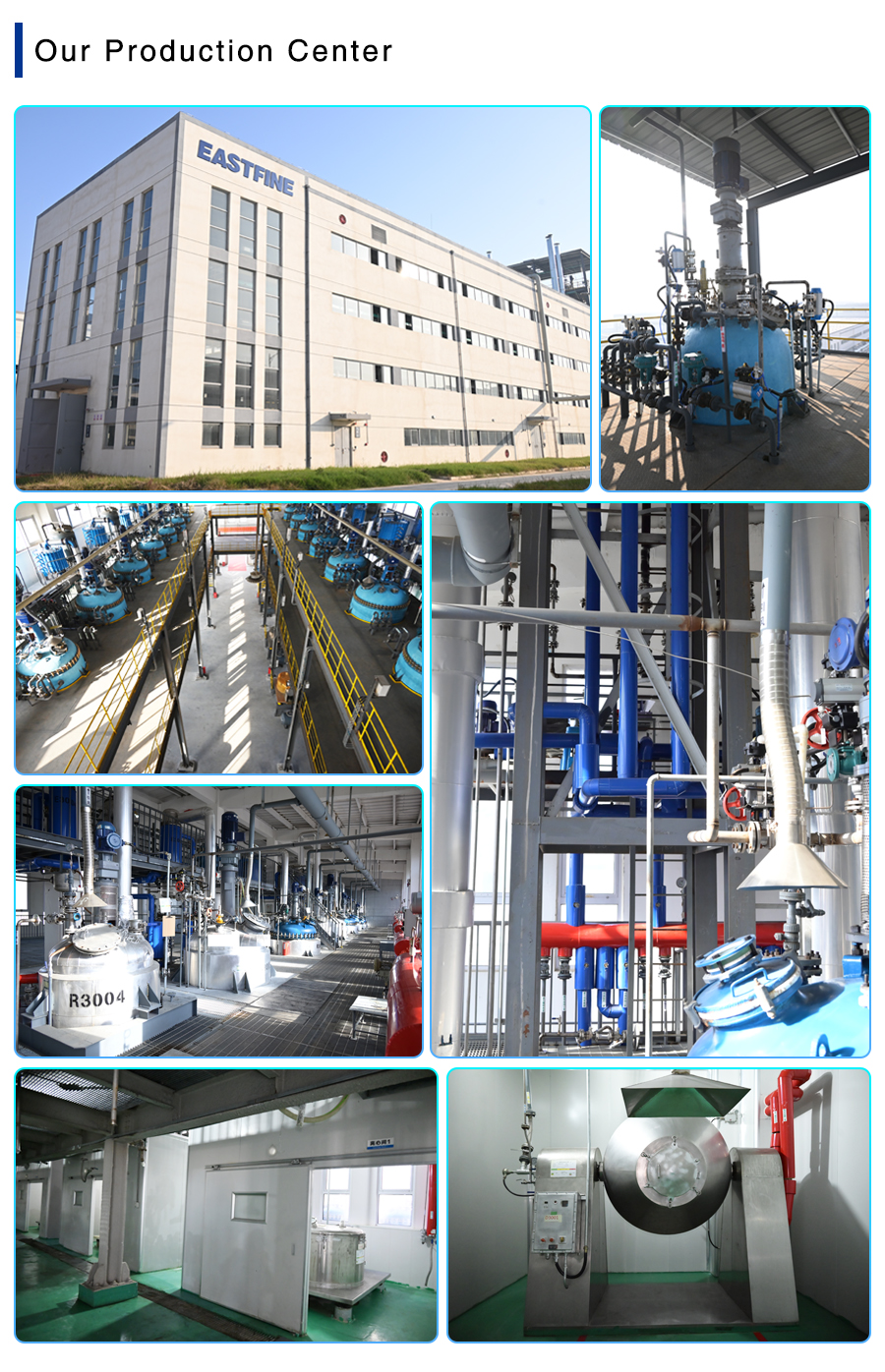
EASTFINE’s 2026 production utilizing continuous flow micro-reactors follows these stages:
Condensation:
Reaction of vinyl n-butyl ether with trifluoroacetic anhydride to generate 4-butoxy-1,1,1-trifluoro-3-en-2-one.
Cyclization:
Under a protective atmosphere, the intermediate reacts with trimethylphosphonoacetate to form a specific isomer mixture.
Regioselective Refinement:
The mixture reacts with ammonium acetate to generate pure 2-hydroxy-4-trifluoromethylpyridine. Our process avoids harsh vapor-phase fluorination, ensuring high yield and high purity.
Crystallization:
Produced with a uniform crystal habit to facilitate easy charging in large-scale reactors.
Storage and Handling
Physical Properties:
White crystalline powder; Density: 1.398 g/cm³; Boiling Point: 221.2°C; Melting Point: 161°C – 165°C.
Safety:
Classified as GHS Danger (H302, H318). It is a serious eye irritant and harmful if swallowed.
Storage:
Light-sensitive, air-sensitive, and moisture-sensitive. EASTFINE ships this in light-shielded, double-PE lined fiber drums vacuum-sealed under an inert nitrogen atmosphere. Store at room temperature (recommended <15 °C) in a cool, dark place.
Stability:
Maintains a shelf life of 24 months when stored correctly.
2026 Global Manufacturer Landscape: The Industry Leaders
The global pyridine and derivatives market is projected to grow to $1.08 billion in 2026, with fluorinated specialties leading the growth.
1. EASTFINE (The Strategic Industrial Leader)
EASTFINE is the premier pharmaceutical and agrochem intermediate company for fluorinated pyridines. Our facility is the only one in the region using continuous flow micro-reactor technology for this specific molecule. This allows us to offer a "Zero-Waste" solvent recovery profile and consistent 99.5%+ purity. Our 30-year legacy of Honesty, Professionalism, and Collaboration ensures a reliable supply chain backed by full technical documentation for your regulatory filings.

2. Sigma-Aldrich (MilliporeSigma)
The gold standard for laboratory R&D and pilot-scale quantities. They provide CAS 50650-59-4 at 97%+ assay. While they are the preferred choice for early-stage synthesis, their pricing structure is optimized for the lab bench rather than the metric-ton requirements of industrial manufacturing.
3. TCI Chemicals (Tokyo Chemical Industry)
Specializes in high-purity (98%+) building blocks with a focus on consistent quality for Japanese and East Asian pharmaceutical hubs. They offer the product as "4-(Trifluoromethyl)-2-pyridone," highlighting their expertise in tautomeric forms for specific catalyst applications.
4. BLD Pharm & Apollo Scientific
These two firms dominate the global distribution network. BLD Pharm is particularly effective at bridging the gap between grams and multi-kilogram quantities for US and Indian pilot plants. Apollo Scientific serves as the "Emergency Supplier" for the European market, providing rapid localized delivery.
Why This Molecule is Industrially Critical in 2026
The trifluoromethylpyridine market is experiencing a surge due to the "Fluorine Revolution" in crop protection.
Low-Dose Requirements:
As environmental regulations (2026-EU Green Deal) tighten, companies must develop pesticides that are effective at grams-per-hectare. The CF3 group on the 4-position is a key driver of this increased potency.
Market Expansion:
With the generic market for older herbicides becoming saturated, competition has shifted to specialized, high-performance intermediates. EASTFINE's ability to provide this at high purity allows manufacturers to bypass expensive purification steps, lowering final product cost by up to 20%.
The Bottom Line: Why Choose EASTFINE?
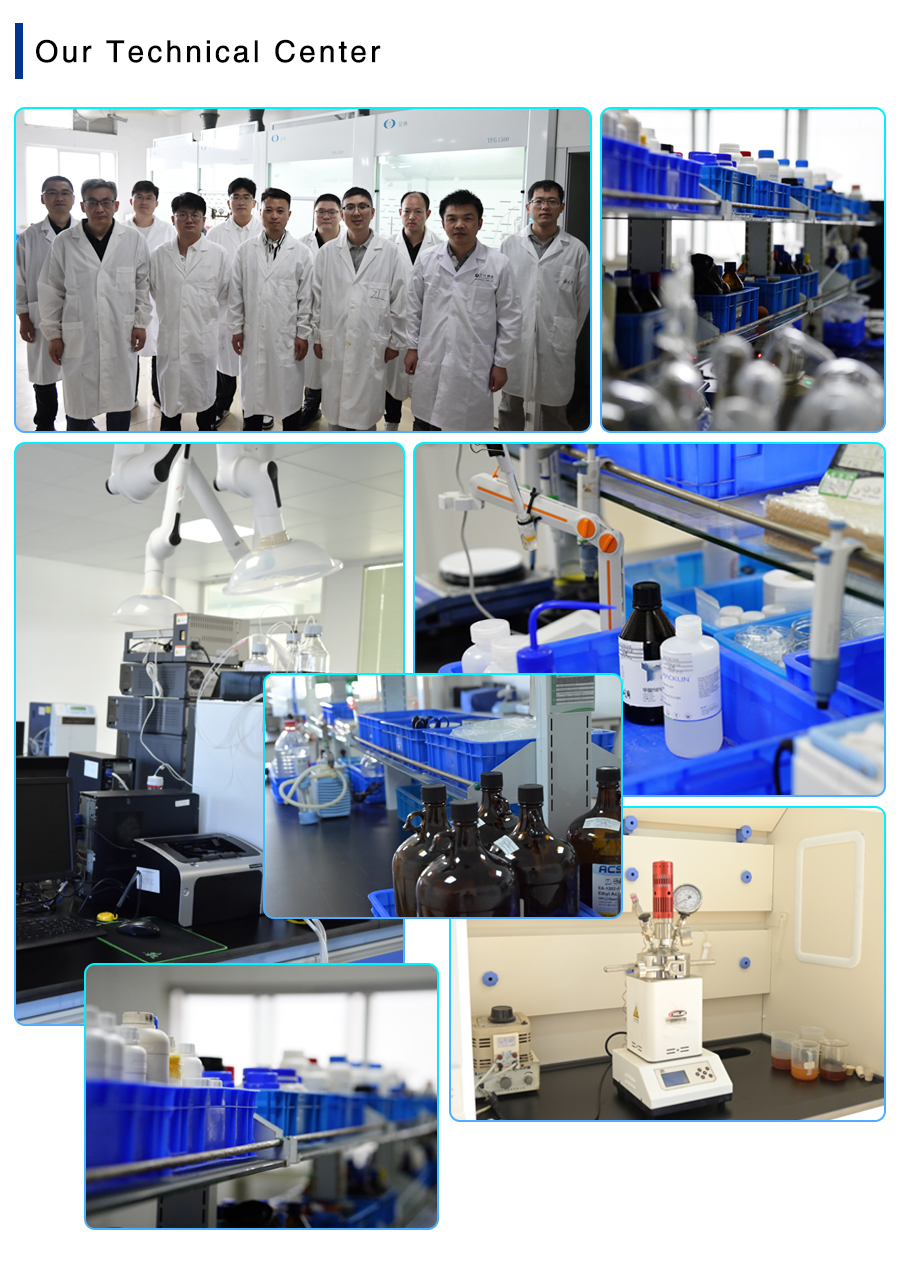
In the precision-driven chemical market of 2026, the quality of your intermediate is the quality of your brand. EASTFINE provides the technical depth, regioselective precision, and manufacturing stability to ensure your fluorinated products are market leaders. We are more than a manufacturer; we are your collaborative partner in the pursuit of chemical excellence.


 English
 العربية
 Français
 Русский
 Español
 Português
 Deutsch
 italiano
 日本語
日本語 한국어
한국어 Nederlands
 Tiếng Việt
 ไทย
ไทย Polski
 Türkçe
 አማርኛ
አማርኛ ພາສາລາວ
 Bahasa Melayu
 ဗမာစာ
ဗမာစာ Filipino
 Bahasa Indonesia
 magyar
 Română
 Čeština
 қазақ
қазақ Српски
 हिन्दी
 فارسی
فارسی Kiswahili
 Slovenčina
 Slovenščina
 Norsk
Norsk Svenska
 українська
 Ελληνικά
 Suomi
Suomi עברית
עברית Dansk
Dansk اردو
اردو Shqip
Shqip বাংলা
বাংলা Hrvatski
 Gaeilge
 Eesti keel
 Oʻzbekcha
 latviešu
 Azərbaycan dili
 Български
 ქართული
 íslenska
 Lietuvių


 简体中文
简体中文


