The Gateway to Targeted Oncology: Imatinib's Critical Core
In the pharmaceutical landscape of 2026, N-(5-Amino-2-methylphenyl)-4-(3-pyridyl)-2-pyrimidineamine (CAS 152460-10-1)—commonly referred to in industrial circles as Imatinib Amine—stands as the indispensable foundation for the global production of Imatinib Mesylate. Since the expiration of original brand patents, the market for this molecule has shifted from a specialized, low-volume reagent to a high-volume industrial necessity.
As global healthcare systems in 2026 prioritize affordable access to oncology treatments, particularly in emerging markets across the Asia-Pacific and LAMEA regions, the pressure on the supply chain for CAS 152460-10-1 has intensified. It is no longer enough to simply produce the molecule; the competitive edge now lies in impurity profile management and synthetic yield optimization. For EASTFINE, this intermediate represents a core competency in heterocyclic chemistry, providing the structural integrity required to ensure that generic Imatinib formulations meet the rigorous bioequivalence standards of modern regulatory bodies.
The Chemical Crossroad
The molecular architecture of Imatinib Amine is a masterclass in medicinal design, featuring three distinct heterocyclic and aromatic rings that must be assembled with surgical precision. The Pyrimidineamine scaffold serves as the central "engine" of the pharmacophore, facilitating the specific hydrogen bonding network required to dock within and inhibit the Bcr-Abl tyrosine kinase. This central core is linked to a 3-Pyridyl side chain, a moiety essential for the molecule's specific orientation within the ATP-binding pocket of the target enzyme.
Finally, the Primary Amine (-NH2) located on the methylphenyl ring acts as the vital "coupling hook." In the final step of Imatinib synthesis, this amine undergoes an amidation reaction with 4-(4-methylpiperazinomethyl)benzoyl chloride. Any degradation or impurity in this amino group at the intermediate stage will inevitably propagate into the final API, potentially resulting in batch failure or regulatory rejection.
Product Insights: The Chemical Intelligence
What is this Molecule?
Technically defined as a complex heterocyclic aromatic amine with the molecular formula C16H15N5, this compound is a yellow-to-orange crystalline solid. In the 2026 pharmaceutical supply chain, while it is formally cataloged by pharmacopeias as Imatinib EP Impurity F, its primary industrial identity is that of the penultimate intermediate. At EASTFINE, we treat this molecule with the same rigor as an API, recognizing that its purity profile directly determines the safety and shelf-life of the final oncological product.
Applications of Imatinib Amine
The primary application of CAS 152460-10-1 is the large-scale industrial synthesis of Imatinib Mesylate, the first-line treatment for Chronic Myeloid Leukemia (CML) and Gastrointestinal Stromal Tumors (GIST). However, in 2026, its utility has expanded:
Next-Generation Kinase Inhibitors:
It serves as a foundational scaffold for researchers developing novel Protein Kinase C (PKC) inhibitors and PDGFR (Platelet-Derived Growth Factor Receptor) modifiers.
Analytical Calibration:
High-purity grades are utilized by global quality control labs as reference standards to monitor the presence of genotoxic impurities during the manufacture of generic oncology drugs.
Chemical Library Synthesis:
It is a key building block for creating libraries of pyridyl-pyrimidine derivatives in the search for treatments for drug-resistant leukemia strains.
Advantages of the EASTFINE Industrial Grade
Producing CAS 152460-10-1 is a significant synthetic challenge due to the need to balance the reactivity of the pyridine and pyrimidine rings while maintaining the integrity of the aniline moiety.
The Industry Bottleneck:
Standard industrial batches often suffer from residual "Nitro" precursors—specifically N-(2-methyl-5-nitrophenyl)-4-(pyridin-3-yl)pyrimidin-2-amine (Imatinib Impurity N). These nitro compounds are recognized as potentially genotoxic and must be strictly limited to low-ppm levels to comply with 2026 FDA and EMA safety mandates.
The EASTFINE Advantage:
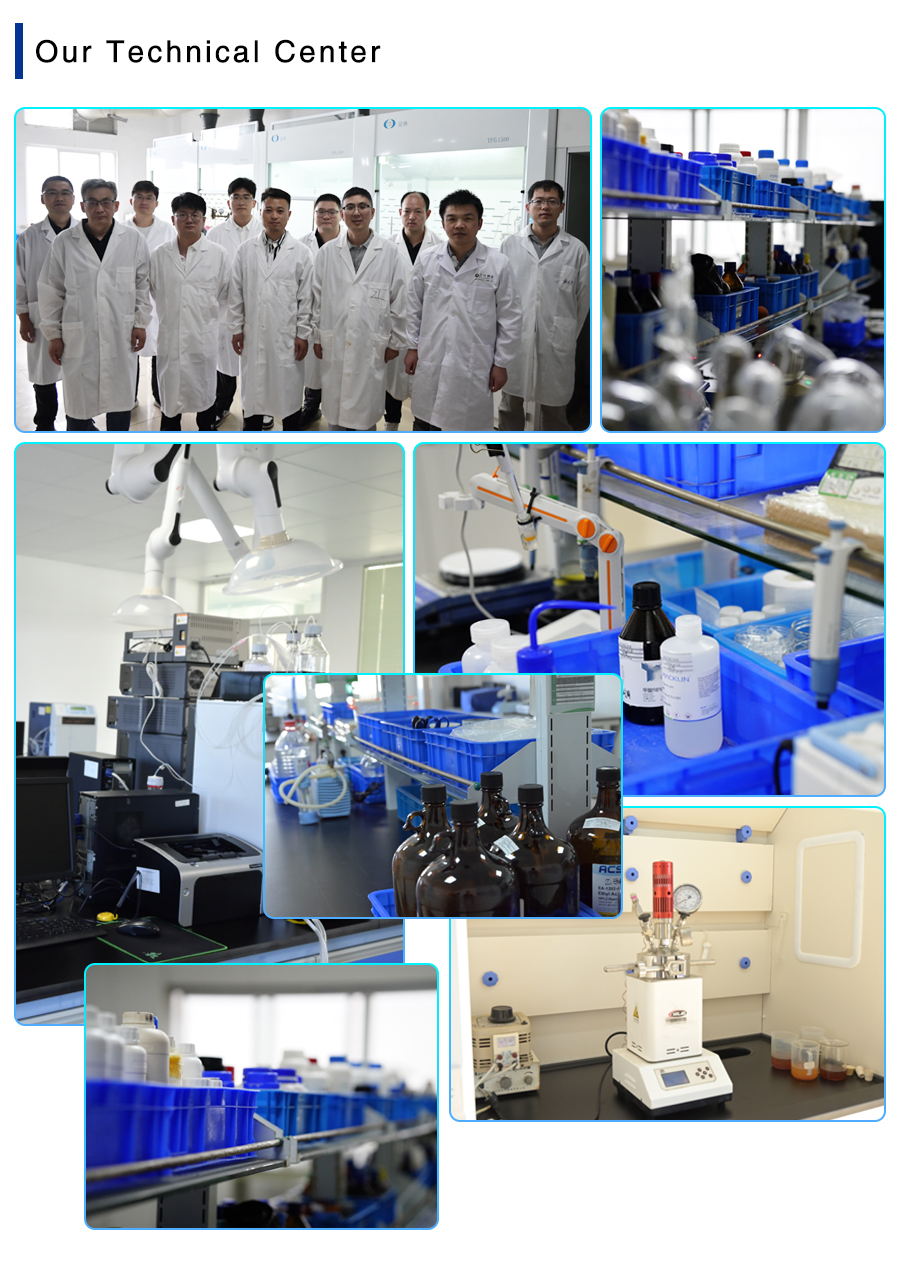
We utilize a high-efficiency hydrazine-mediated reduction enhanced by a proprietary Lewis acid catalyst system. This method ensures a conversion rate exceeding 99.5%, effectively purging genotoxic nitro residues from the final crystalline product. Furthermore, our multi-stage recrystallization protocol removes trace heavy metal catalysts, providing an "API-Ready" intermediate.
Biomechanics and Selectivity
CAS 152460-10-1 is designed to act as a selective ATP-competitive inhibitor. Its three-dimensional geometry allows it to dock into the "inactive" (DFG-out) conformation of the Abl kinase domain, effectively locking the enzyme and preventing the phosphorylation of substrate proteins that drive cancerous cell division. The 2-methyl group on the phenyl ring is strategically positioned to create a "selectivity pocket." This minor methyl substitution is what prevents the molecule from interfering with other essential kinases in the human body, thereby drastically reducing the systemic side effects that plagued earlier generations of chemotherapy.
Advanced Industrial Synthesis
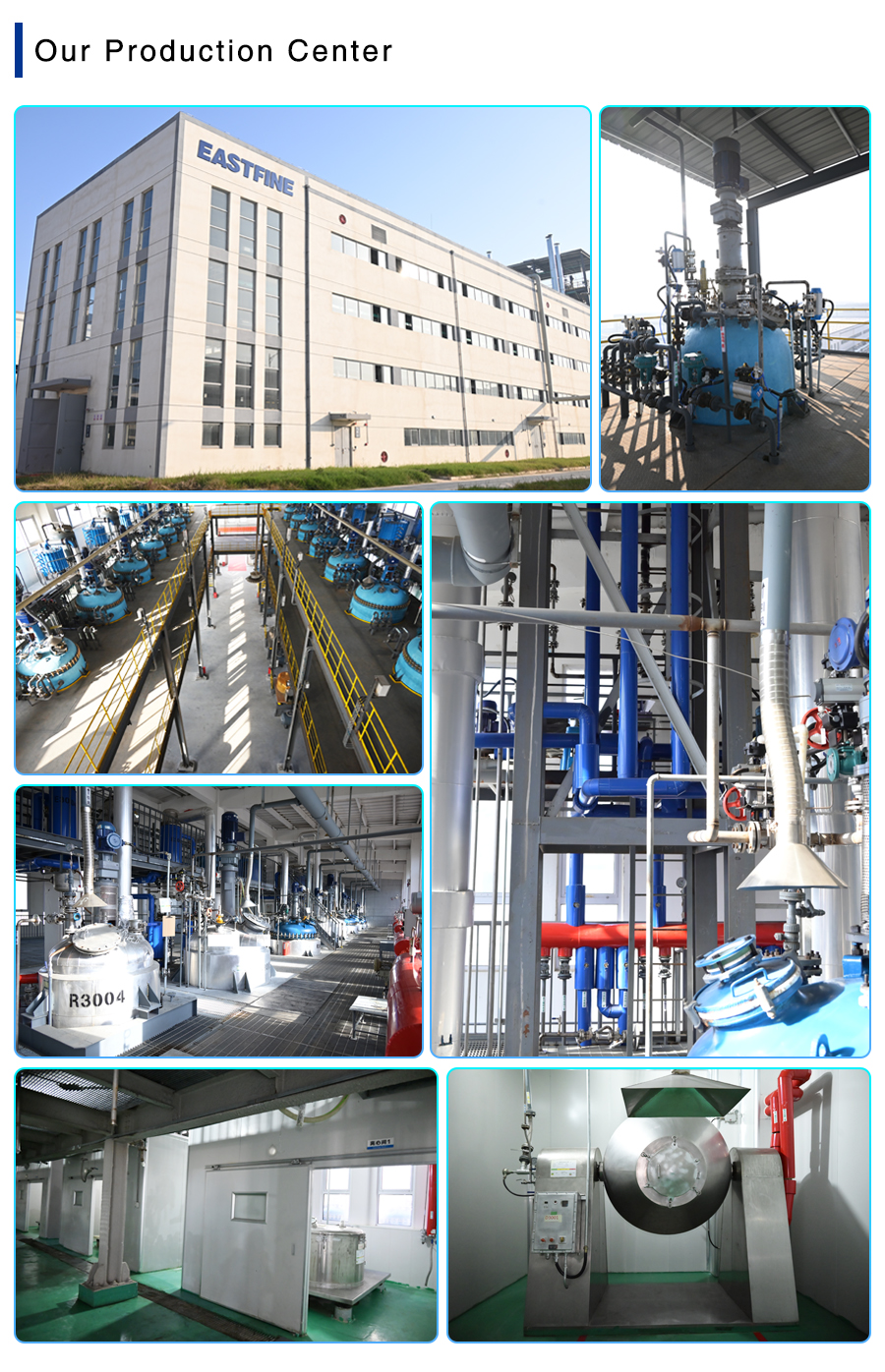
EASTFINE’s 2026 production route has been optimized for "Green Chemistry" compliance and maximum atom economy.
Guanidine Formation:
The process begins with the reaction of 2-methyl-5-nitroaniline with cyanamide in the presence of an acid catalyst to form the arylguanidine salt.
Cyclization:
This salt is then condensed with 3-dimethylamino-1-(3-pyridyl)-2-propen-1-one. This step is conducted in a closed-loop solvent recovery system to minimize environmental impact.
Advanced Reduction:
Instead of traditional, high-pressure hydrogenation which can be difficult to control, we employ a catalytic reduction using Ethyl Acetate as a green solvent. This step achieves a yield above 90% while ensuring that the primary amine remains unreacted and ready for the final benzoylation step.
Storage and Handling
Because the molecule contains multiple nitrogen heterocycles and a primary aromatic amine, it is inherently sensitive to both light and atmospheric oxygen.
Physical Properties:
The material presents as a yellow to light orange crystalline powder with a sharp melting point between 133°C and 135°C.
Packaging Protocol:
EASTFINE ships this product in specialized amber glass or opaque high-density polyethylene (HDPE) containers. Each unit is vacuum-sealed under an inert nitrogen atmosphere to prevent oxidative discoloration.
Stability Management:
When stored under the recommended conditions of 2–8°C and protected from light, the molecule maintains its chemical integrity and assay levels for a shelf life of 36 months, making it a reliable component for long-term production planning.
2026 Global Manufacturer Landscape: The Industry Leaders
In the 2026 market, the supply of CAS 152460-10-1 is polarized between high-volume primary manufacturers and specialized laboratory distributors.
1. EASTFINE (The Strategic Manufacturing Partner)
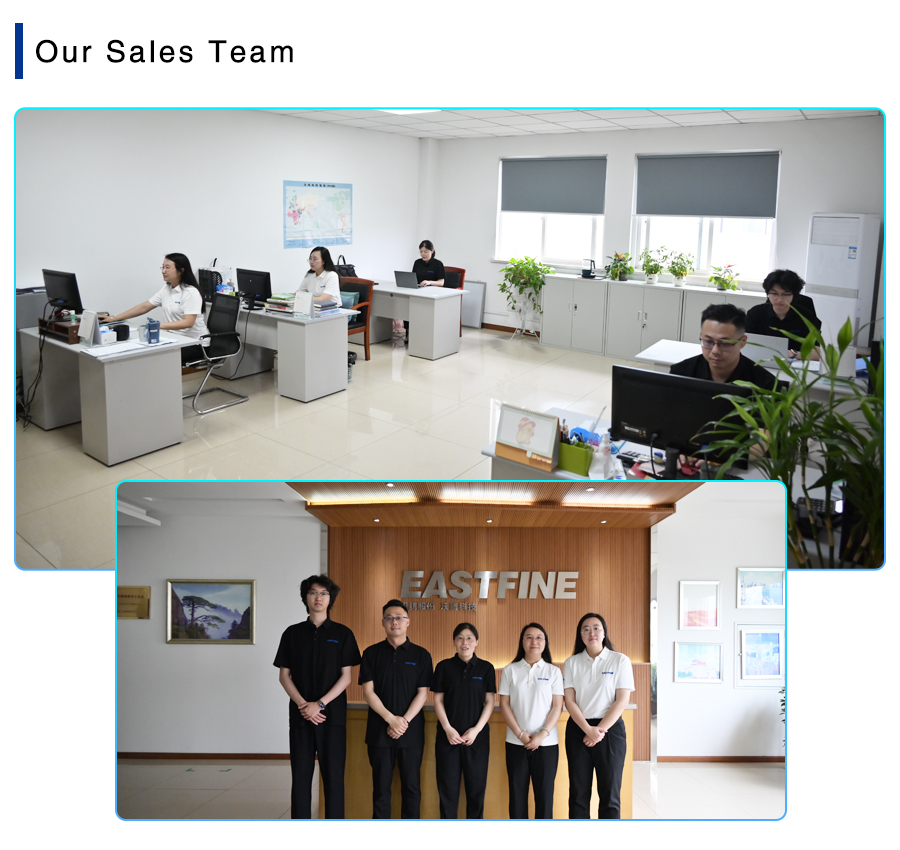
EASTFINE is the industry-leading pharmaceutical intermediate company for oncology precursors. We occupy a unique position as a vertically integrated manufacturer. We produce the upstream 3-acetylpyridine and cyanamide precursors in-house, which allows us to shield our partners from the supply chain volatility that often strikes the oncology sector. Our 2026 production lines are fully automated and monitored by real-time HPLC analysis, guaranteeing Ultra-Low Nitro Content and compliance with the most stringent genotoxic impurity regulations. Our 30-year legacy of Honesty, Professionalism, and Collaboration means we provide full CMC (Chemistry, Manufacturing, and Controls) documentation support to facilitate your regulatory filings.
2. BLD Pharm
Known for their exceptional logistics network, BLD Pharm is a primary choice for R&D departments needing multi-kilogram quantities on short notice. They maintain robust regional stocks in the United States, Europe, and India. However, as a catalog-focused distributor, they typically lack the deep "Synthetic Route Control" required by large-scale pharmaceutical manufacturers who need custom impurity specifications or "Green Chemistry" documentation for their own ESG audits.
3. Apollo Scientific
Apollo Scientific remains a major logistics powerhouse for the UK and European markets. They are often utilized as an "Emergency Supplier" due to their massive localized stock levels. While they offer excellent service and rapid delivery, they operate primarily as a stockist/distributor, meaning they do not possess the direct manufacturing control over the cyclization or reduction steps that a primary producer like EASTFINE maintains.
4. Veeprho
For quality control and analytical validation, Veeprho is the industry standard. They specialize in providing "analytical grade" Impurity F with exhaustive COAs (Certificates of Analysis) for method development. Their business model is focused on the milligrams and grams required by QC labs, making them a niche partner for validation rather than a bulk manufacturing supplier for API production.
Why This Molecule is Industrially Critical in 2026
The global market for Imatinib Mesylate is estimated to exceed $4.5 billion in 2026. This sustained demand is driven by the expansion of oncology screening in developing nations and the increasing prevalence of targeted therapies.
Generic Market Competition:
With the original brand patents long expired, the battlefield for generic manufacturers has moved to the cost of goods sold (COGS). By using an intermediate with >99.5% purity, manufacturers can eliminate multiple recrystallization steps in the final API production. EASTFINE’s high-purity amine essentially pays for itself by increasing the final Imatinib yield and reducing solvent waste.
Regulatory Stringency:
2026 marked a turning point in genotoxic impurity monitoring. The FDA and EMA now require exhaustive "Nitrosamine and Nitro-compound" risk assessments for all oncology drugs. EASTFINE’s proprietary reduction process ensures that your starting material is not just "pure," but "compliant," significantly reducing the risk of a regulatory "Refusal to File" (RTF).
The Bottom Line: Why Choose EASTFINE?
In the oncology sector, there is no room for error. A single batch failure due to a sub-par intermediate can cost a pharmaceutical company millions in lost time and potential regulatory fines. EASTFINE provides the technical expertise, "Green Chemistry" innovation, and manufacturing stability to ensure your Imatinib production remains safe, efficient, and cost-competitive. We are more than a supplier; we are your professional ally from the initial pilot plant trials to the pharmacy shelf.


 English
 العربية
 Français
 Русский
 Español
 Português
 Deutsch
 italiano
 日本語
日本語 한국어
한국어 Nederlands
 Tiếng Việt
 ไทย
ไทย Polski
 Türkçe
 አማርኛ
አማርኛ ພາສາລາວ
 Bahasa Melayu
 ဗမာစာ
ဗမာစာ Filipino
 Bahasa Indonesia
 magyar
 Română
 Čeština
 қазақ
қазақ Српски
 हिन्दी
 فارسی
فارسی Kiswahili
 Slovenčina
 Slovenščina
 Norsk
Norsk Svenska
 українська
 Ελληνικά
 Suomi
Suomi עברית
עברית Dansk
Dansk اردو
اردو Shqip
Shqip বাংলা
বাংলা Hrvatski
 Gaeilge
 Eesti keel
 Oʻzbekcha
 latviešu
 Azərbaycan dili
 Български
 ქართული
 íslenska
 Lietuvių


 简体中文
简体中文


