Introduction: The Shift from Batch to Continuous-Flow Processing
In modern pharmaceutical and crop-protection manufacturing, process intensification has transitioned from an exploratory academic concept into a critical commercial strategy. As target drug molecules become increasingly complex, traditional batch reactors often hit hard physical limitations in mass transfer, heat dissipation, and mixing dynamics. This efficiency gap is driving discovery chemists and chemical engineers to adopt continuous-flow microreactors and tubular flow systems for high-volume active pharmaceutical ingredient (API) scale-up.
When adapting highly reactive transformations for continuous-flow architectures, alkylation stages involving (Bromomethyl)cyclopropane (BMCP, CAS 7051-34-5) require precise chemical parameters. BMCP is an indispensable building block utilized to install the structurally rigid cyclopropylmethyl motif into diverse therapeutic pipelines.
However, its high-strain three-membered ring makes it uniquely sensitive to local temperature spikes and prolonged exposure to reactive metal surfaces.
In a conventional batch reactor, long residence times and uneven thermal distribution can trigger ring-opening side reactions that compromise overall product yield. Transitioning BMCP reactions into continuous-flow microfluidic networks offers precise control over residence times and rapid heat removal, which suppresses these degradation pathways.
At EASTFINE, we support high-efficiency automated flow chemistry pipelines by providing premium, high-purity CAS 7051-34-5 that eliminates clogging, prevents isomeric variations, and ensures consistent hydraulic performance across continuous production runs.
Applications of CAS 7051-34-5: Driving Lifescience Innovation
The pharmaceutical and agrochemical industries rely on (Bromomethyl)cyclopropane for targeted molecular installations across several expanding commercial sectors:
Antiplatelet and Cardiovascular Therapeutics
The most commercially prominent application of BMCP is in the production of Prasugrel, a major thienopyridine antiplatelet agent used to reduce thrombotic cardiovascular events. The cyclopropylmethyl group is a foundational structural element in this molecule, playing an essential role in its in vivo activation pathway.
Neurological and CNS Pipeline Compounds
In central nervous system drug discovery, the cyclopropylmethyl group is heavily featured in next-generation KCNQ2 potassium channel openers designed to manage treatment-resistant epilepsy and neuronal hyperexcitability. It is also used to synthesize specialized opioid receptor ligands with balanced micro-agonist and delta-antagonist profiles.
Tumor-Targeted Azole Scaffolds and ADCs
BMCP is a core reagent used to build complex human dihydroorotate dehydrogenase (DHODH) inhibitors based on advanced azole frameworks. These structures are increasingly utilized as functional payloads in third-generation Antibody-Drug Conjugates (ADCs) targeting specific solid tumors.
Advantages of the Cyclopropylmethyl Motif in Drug Design
Incorporating (Bromomethyl)cyclopropane into an active drug scaffold offers several clear pharmacokinetic and structural benefits over standard, linear alkyl chains:
Bioisosteric Potency Enhancement
The cyclopropyl group functions as an effective bioisostere for bulky isopropyl or phenyl groups. Because it maintains a compact molecular volume while providing high electron density, it can fit tightly into hydrophobic binding pockets, often leading to a measurable boost in receptor binding affinity.
Exceptional Metabolic Resistance
Linear alkyl chains are highly vulnerable to rapid dealkylation and cytochromes P450-mediated omega-oxidation in the liver. Swapping these groups for a cyclopropylmethyl motif creates steric hindrance that protects adjacent bonds, slowing down first-pass metabolism and extending the systemic half-life of oral small molecules.
Optimal Lipophilicity Tuning
The three-membered carbon ring increases the overall lipophilicity (log P) of a molecular scaffold without adding unnecessary molecular weight. This balanced lipophilic profile improves a compound's membrane permeability, enhancing oral bioavailability and supporting effective blood-brain barrier penetration in neurological applications.
Biomechanics & Synthetic Logic of Selective BMCP Alkylation
The synthetic utility of (Bromomethyl)cyclopropane depends on managing its dual nature: it features a highly reactive primary carbon center coupled with an adjacent ring framework that is sensitive to carbocation rearrangements.
Nucleophilic Displacement Dynamics:
The bromine atom functions as an excellent leaving group in classical SN2 nucleophilic substitutions. When reacted with primary or secondary amines, heterocycles, or carbanions under mild basic conditions, alkylation proceeds rapidly and selectively at the methylene carbon.
The Rearrangement Risk Factor:
If the reaction conditions are overly acidic or involve high-temperature Lewis acids, the process can inadvertently shift toward an SN1 pathway. This pathway generates a cyclopropylmethyl cation intermediate that can instantly undergo ring expansion or ring opening, producing unwanted homoallylic or cyclobutyl side impurities.
To maintain perfect structural integrity during synthesis, process engineers must use high-purity BMCP that is entirely free of trace acidic contaminants or active metal ions that could trigger these side pathways.
Surgical Technique & Process Engineering of Commercial Alkylation
When running bulk industrial alkylations with CAS 7051-34-5, adhering to a strict, optimized process methodology is critical for maximizing chemical yields:
Base Selection and Proton Scavenging
To prevent the formation of free hydrobromic acid (HBr) during alkylation, process setups must include a reliable, non-nucleophilic base. Common industrial choices include anhydrous potassium carbonate (K2CO3) or specialized tertiary amines, which scavenge liberated protons without interfering with the primary nucleophile.
Polar Aprotic Solvent Systems
The reaction is typically performed in dry polar aprotic solvents such as N,N-dimethylformamide (DMF), acetonitrile, or dimethyl solvent (DMSO). These solvents solvate the counter-cations cleanly, maximizing the nucleophilicity of the substrate while maintaining a stable, low-temperature reaction profile.
Temperature Control and Quenching Profiles
The alkylation should be conducted under a controlled temperature range (typically between 30℃ and 50℃) to suppress potential ring-opening pathways. Once complete, the mixture is quenched using weak aqueous ammonium chloride solutions followed by clean solvent extraction, ensuring a smooth transition to downstream purification steps.
Industrial Handling, Safety, and Storage Protocols
Because (Bromomethyl)cyclopropane is both a highly volatile liquid and an active alkylating agent, industrial facilities must implement rigorous handling and storage protocols:
Inert Gas Blanketing
Bulk storage tanks and active process lines must be kept under a continuous, pressurized blanket of dry nitrogen or argon to eliminate ambient moisture and prevent hydrolytic breakdown.
Corrosion-Resistant Containment
Due to the potential for trace HBr generation over long storage periods, standard carbon-steel containment must be avoided. Facilities should utilize dedicated fluoropolymer-lined (PTFE) vessels or specialized high-density polyethylene (HDPE) drums.
Thermal Regulation
Drums should be stored in cool, well-ventilated, explosion-proof warehouses maintained below 20℃ and shielded from direct sunlight or ultraviolet exposure to prevent radical degradation loops.
Continuous-Flow Compatibility and Microfluidic Engineering Metrics
Scaling up downstream conversions via automated microreactor networks requires a detailed evaluation of fluid dynamics and physical chemistry parameters. Sourcing ultra-pure BMCP directly prevents the operational failures that frequently disrupt continuous processing systems.
Eliminating Channel Fouling and Clogging Vulnerabilities
Continuous-flow systems are characterized by incredibly narrow channel dimensions, making them highly vulnerable to solid particulate precipitation and fouling.
Mitigation of Insoluble Polymeric Side Products
Lower-grade, unstabilized (Bromomethyl)cyclopropane often contains trace amounts of reactive allylic compounds. Under the high shear stress of a microreactor, these compounds can undergo localized polymerization, forming sticky, insoluble resins that coat channel walls, disrupt flow profiles, and cause hazardous system pressure spikes.
Prevention of Salt Precipitation via Precise Acid Management
When moisture reacts with low-grade BMCP, it liberates free hydrobromic acid (HBr). In a flow system, this acid reacts immediately with basic inputs to produce dense, crystalline salts. Because EASTFINE enforces a strict ≤0.05% moisture threshold, our material remains free of trace acids, preventing unexpected salt crystallization inside microchannels.
Residence Time and Kinetic Trajectory Optimization
A primary benefit of continuous-flow synthesis is the ability to limit reagent contact times to precise windows, maximizing target selectivity.
Ultra-Short Residence Window Validation
The high reactivity of our primary alkyl halide allows for rapid, optimized nucleophilic substitutions within short microreactor residence loops. Process engineers can tune reaction loops to minimal residence windows, reducing the time the cyclopropyl group spends under energetic processing conditions.
Suppression of Secondary Thermodynamic Ring Expansion
By passing the reaction stream through localized chillers immediately after the microfluidic mixing zone, flow systems can quench the reaction stream cleanly. This rapid thermal control prevents the primary product from undergoing secondary thermal rearrangement into ring-expanded cyclobutyl side-impurities.
Advanced Process Intensification Protocols
Integrating CAS 7051-34-5 into advanced manufacturing setups requires a thorough understanding of system metallurgy and mixing physics.
Corrosion and Metallurgical Management
Continuous-flow setups frequently combine extreme temperatures and pressures within compact metal geometries, making corrosion resistance a primary concern.
Protecting Specialized Alloy Microchannels
Microreactors fabricated from high-end alloys like Hastelloy or 316L stainless steel are highly vulnerable to pitting corrosion from free bromide ions and active acids. EASTFINE’s built-in stabilization system prevents the accumulation of free HBr within feed lines, extending the operational life of expensive microfluidic equipment.
Preventing Leached Metal Contamination
Uncontrolled acid erosion not only degrades microreactor components but also leaches heavy metal ions into the process stream. These leached ions can act as unwanted Lewis acids that catalyze ring-opening cascades, or they can end up as regulated impurities in the final API, creating compliance hurdles.
Enhanced Mixing and Interfacial Mass Transfer
Flow chemistry optimizes multi-phase reactions by providing exceptional interfacial surface areas.
Optimization of Biphasic Segmented Flow Segments
When utilizing a phase-transfer catalyst system to run alkylations with BMCP, microreactors establish clean, segmented liquid-liquid flow profiles. EASTFINE’s high-purity intermediate ensures predictable surface tension and viscosity properties, maintaining stable Taylor droplets that support uniform mass transfer.
Scalability and Streamlined In-Line Workups
By running reactions under stable continuous conditions, downstream workup modules can be linked directly to the flow path. This integration allows for continuous in-line washing, phase separation, and solvent stripping, transitioning your manufacturing pipeline into a highly productive, automated operation.

Why Choose EASTFINE? Your Partner for Streamlined Commercial Scale-Up
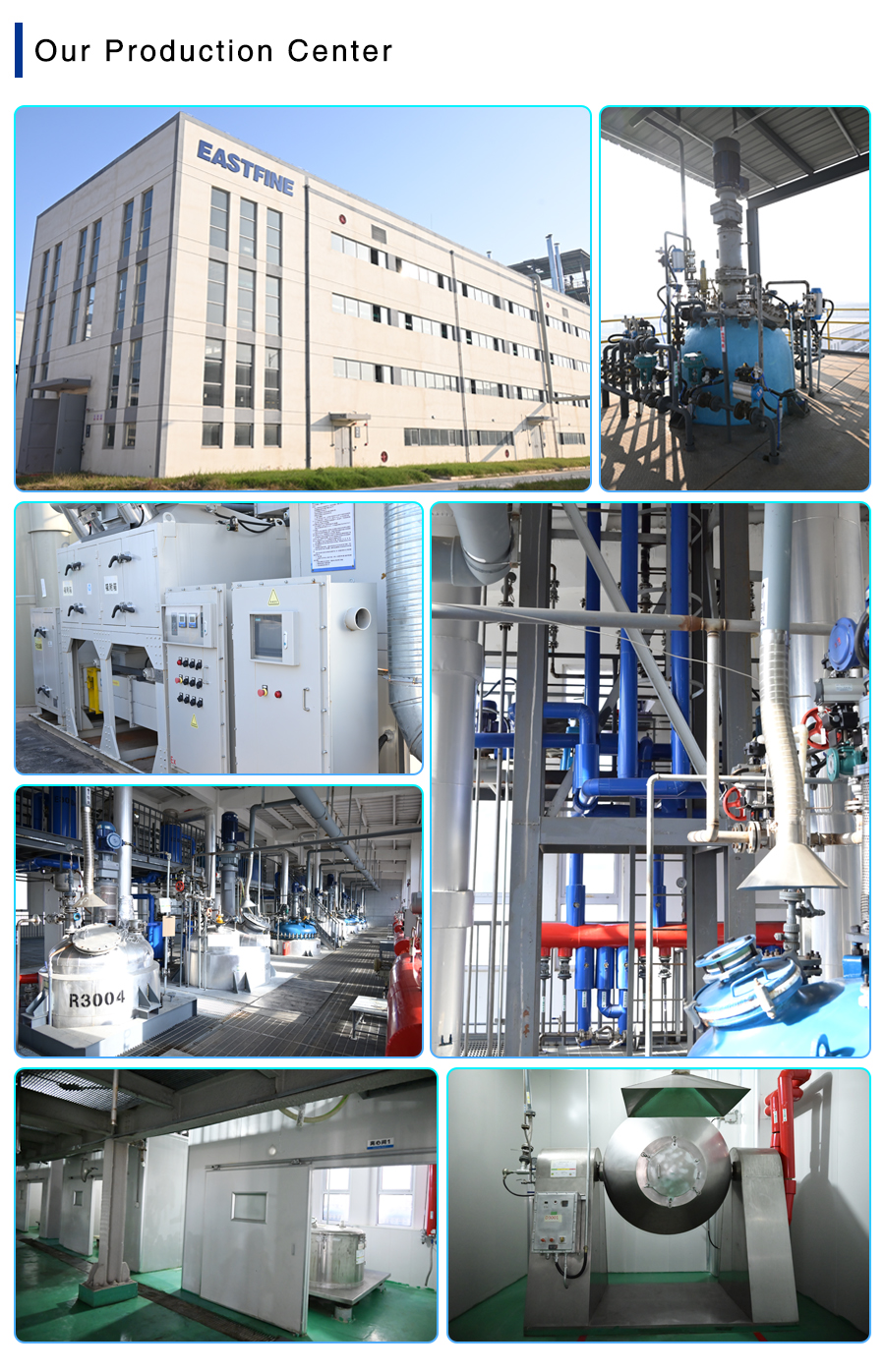
When a pharmaceutical or agrochemical asset transitions from pilot validation to full commercial manufacturing, your choice of intermediate manufacturer directly impacts your time-to-market and regulatory security. Established in 1995, EASTFINE is a leading global direct manufacturer of high-purity (Bromomethyl)cyclopropane.
PhD-Backed Technical Expertise and Innovation
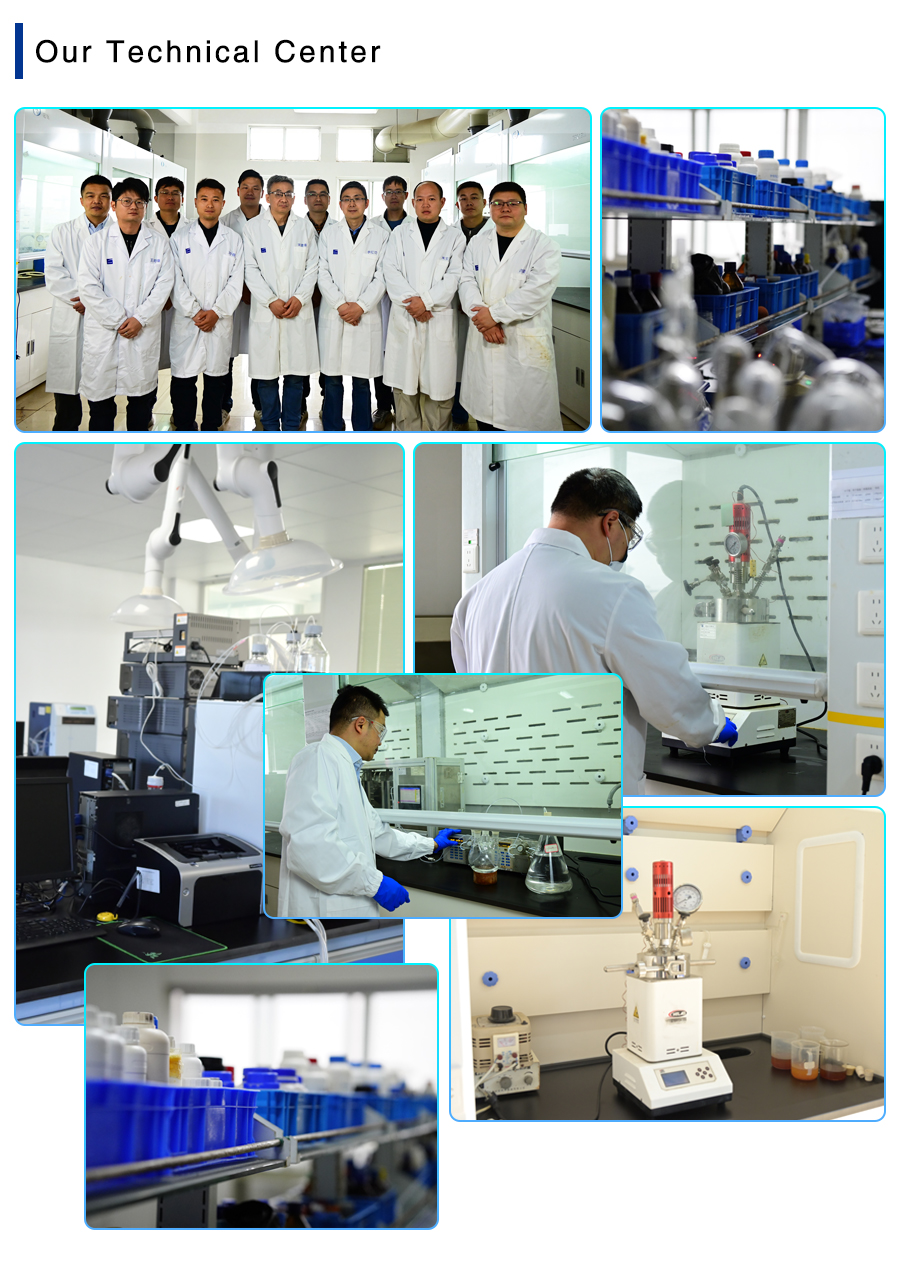
Our production processes are designed and managed by an advanced R&D team led by process chemists holding doctoral degrees. This specialized technical leadership has secured 19 invention patents and 8 utility model patents focused on high-efficiency halogenation and precision stabilization. By optimizing the initial synthesis, we deliver a product that is consistently free of the isomeric impurities that often disrupt automated dosing systems and continuous-flow microreactors.
Dual-Site Supply Assurance (Dalian & Heze)
In an era of unpredictable supply chains and shifting environmental regulations, EASTFINE provides our global partners with reliable supply security. We operate two fully synchronized, large-scale manufacturing facilities in Dalian and Heze. This dual-site setup guarantees a reliable, uninterrupted stream of product for your commercial lines; if one site undergoes scheduled maintenance, the other can expand its output to fulfill your high-volume supply contracts.
Comprehensive Regulatory and Analytical Support
We understand the extensive documentation required for regulatory compliance in modern life-science manufacturing. EASTFINE provides comprehensive analytical packages for every batch of CAS 7051-34-5, including high-resolution gas chromatography (GC-FID), coulometric Karl Fischer moisture data, and trace metal analysis. This level of quality assurance simplifies your raw material validation processes and ensures a clean auditing trail for global regulatory bodies.
Conclusion: Engineering Future-Proof Scale-Up Pipelines
Adopting advanced continuous-flow chemistry requires complete consistency across all raw material inputs. Isomeric variation, unexpected particulate accumulation, or unstable stabilization matrices in low-grade (Bromomethyl)cyclopropane (CAS 7051-34-5) can cause costly system blockages, channel erosion, and downstream purity drops.
Partnering with EASTFINE provides your engineering team with an analytically verified, microreactor-compatible intermediate backed by thirty years of direct manufacturing authority, extensive patent protection, and a highly secure dual-site supply chain.


 English
 العربية
 Français
 Русский
 Español
 Português
 Deutsch
 italiano
 日本語
日本語 한국어
한국어 Nederlands
 Tiếng Việt
 ไทย
ไทย Polski
 Türkçe
 አማርኛ
አማርኛ ພາສາລາວ
 Bahasa Melayu
 ဗမာစာ
ဗမာစာ Filipino
 Bahasa Indonesia
 magyar
 Română
 Čeština
 қазақ
қазақ Српски
 हिन्दी
 فارسی
فارسی Kiswahili
 Slovenčina
 Slovenščina
 Norsk
Norsk Svenska
 українська
 Ελληνικά
 Suomi
Suomi עברית
עברית Dansk
Dansk اردو
اردو Shqip
Shqip বাংলা
বাংলা Hrvatski
 Gaeilge
 Eesti keel
 Oʻzbekcha
 latviešu
 Azərbaycan dili
 Български
 ქართული
 íslenska
 Lietuvių


 简体中文
简体中文


