Introduction: The Sustainability Mandate in Fine Chemical Synthesis
Modern fine chemical manufacturing is undergoing a profound structural shift driven by stringent global environmental regulations and corporate sustainability targets. Historically, commercial scale-up focused almost exclusively on maximizing crude chemical conversion rates and minimizing batch processing times. Today, process development teams must evaluate chemical pathways using a broader multi-dimensional matrix that balances raw reaction velocity with environmental performance metrics.
When scaling up reactions utilizing highly reactive intermediates like (Bromomethyl)cyclopropane (BMCP, CAS 7051-34-5), waste management and atom efficiency become primary design considerations. The inherently high thermodynamic strain of the three-membered cyclopropyl ring makes it a highly potent alkylating agent, but it also increases the risk of side-product generation if the reaction environment is not carefully controlled.
Unregulated side reactions, excessive solvent consumption, and inefficient mass separation techniques lead to high environmental impact factors, commonly known as E-Factors. High E-Factors represent a substantial amount of waste generated per kilogram of target active pharmaceutical ingredient (API) produced.
Minimizing this environmental burden requires a deep understanding of the green chemistry profile of the raw material. At EASTFINE, we support this transition toward sustainable manufacturing by providing premium, direct-manufactured CAS 7051-34-5 with exceptional chemical purity and an optimized physical profile. This enables downstream engineers to minimize solvent waste, maximize atom retention, and achieve clean, reproducible separations that align with modern green chemistry mandates.
Applications of CAS 7051-34-5: Building Sustainable Blockbusters
The high-efficiency molecular architecture enabled by (Bromomethyl)cyclopropane is a cornerstone of several high-volume lifecritical commercial products:
Next-Generation Cardiovascular Management
The core application of BMCP lies in the commercial synthesis of advanced thienopyridine antiplatelet agents such as Prasugrel. Incorporating the cyclopropylmethyl framework efficiently at an early synthetic stage reduces the overall number of subsequent processing steps, lowering the cumulative environmental footprint of the final therapeutic molecule.
Low-Dose Agrochemical Crop Protection
In the agrochemical sector, BMCP serves as a critical intermediate for specialized, low-dose cyclopropyl-substituted azole fungicides and targeted herbicides. Because these final crop protection agents exhibit exceptional potency at low application rates, their synthesis via high-purity intermediates indirectly supports sustainable agricultural practices by reducing the total chemical load on soil ecosystems.
High-Potency Targeted Oncological Payloads
BMCP is increasingly utilized to construct complex small-molecule inhibitors that target human dihydroorotate dehydrogenase (DHODH). These advanced structures are designed as ultra-potent payloads for conjugation into third-generation Antibody-Drug Conjugates (ADCs), where maximum synthetic efficiency is required to handle high-value, low-volume oncology pipelines.
Advantages of Sustainable BMCP Engineering in B2B Supply Chains
Choosing a high-purity, direct-manufactured cyclopropylmethyl intermediate offers distinct operational and environmental advantages across the entire product lifecycle:
Maximizing Theoretical and Operational Atom Economy
The direct installation of a cyclopropylmethyl group via a single nucleophilic substitution step represents a highly atom-economical approach compared to multi-step alternative pathways. Alternative methods often require the reduction of cyclopropanecarboxylic acid derivatives or the multi-step cyclopropanation of linear alkenes, both of which introduce significant structural waste and require additional auxiliary reagents.
Substantial Reduction in Stream-Specific E-Factors
Using a highly refined intermediate dramatically reduces the formation of structural isomers such as cyclobutyl or homoallylic halides. Eliminating these unreactive or misaligned impurities at the source means downstream teams do not need to perform energy-intensive fractional distillations or large-scale chromatographic purifications, resulting in a significantly lower overall waste-to-product ratio.
Strengthening Scope 3 Upstream Carbon Accounting
For multinational pharmaceutical and agrochemical firms tracking corporate sustainability, procurement from a direct manufacturer with optimized, modern production processes lowers Scope 3 upstream greenhouse gas footprints. This optimized manufacturing approach ensures that environmental efficiencies achieved at the intermediate level directly improve the sustainability metrics of the final commercial drug or crop-protection asset.
Biomechanics & Synthetic Metrics of Green Alkylation
The green chemistry profile of a (Bromomethyl)cyclopropane reaction depends heavily on managing the reaction environment to favor high-yield nucleophilic pathways while suppressing energy-intensive side reactions.
Atom Conservation Profiles:
In an ideal substitution pathway, the cyclopropylmethyl group is transferred completely to the nucleophilic substrate, leaving only a inorganic bromide salt as a byproduct. Achieving this level of precision requires a highly pure starting material; any trace acidic or moisture contaminants can induce ring-opening cascades, shifting the system toward low-yielding pathways that generate non-recyclable halogenated waste streams.
The Matrix of Environmental Metrics:
Process engineers evaluate these steps using standardized green chemistry metrics. These include Atom Economy (the ratio of the molecular weight of the target product to the total molecular weight of all reactants) and the Environmental Factor (E-Factor), which quantifies the total mass of waste generated per unit mass of final product.
By eliminating trace metallic and acidic impurities that act as catalysts for ring-opening degradation, EASTFINE’s intermediate ensures that reactions can run under optimized, highly concentrated conditions. This minimizes solvent volumes and lowers the E-Factor of the final production process.
Solvent Engineering for Waste Minimization
Implementing a sustainable industrial alkylation with CAS 7051-34-5 requires a disciplined approach to process design, solvent selection, and fluid dynamics:
Transitioning to Bio-Renewable Aprotic Solvents
While classical alkylation pathways often rely on traditional polar aprotic solvents like N,N-dimethylformamide (DMF) or N-methyl-2-pyrrolidone (NMP), modern sustainable engineering favors eco-friendly alternatives. Green process designs utilize bio-derived solvents such as 2-methyltetrahydrofuran (2-MeTHF) or cyclopentyl methyl ether (CPME), which offer excellent phase separation characteristics and possess favorable toxicity profiles.
Optimization of Phase-Transfer Catalysis Systems
To avoid using vast volumes of organic solvents, advanced processes employ biphasic aqueous-organic systems driven by Phase-Transfer Catalysts (PTC) like tetrabutylammonium bromide. This technical approach allows inorganic bases to remain dissolved in an aqueous phase while BMCP reacts efficiently within the organic layer, minimizing organic waste streams and facilitating rapid, non-emulsive phase decanting.
Designing for Continuous-Flow Microreactor Systems
The high reactivity of BMCP makes it an exceptional candidate for continuous-flow manufacturing microreactors. Operating under continuous-flow conditions allows for precise control over thermal boundaries and residence times, preventing localized overheating, reducing the required volume of processing solvents, and significantly lowering the overall carbon intensity of the bulk manufacturing cycle.
Solvent Recovery, Byproduct Valorization, and EHS Protocols
A truly sustainable chemical process must account for the lifecycle of all reaction components after the primary transformation is complete:
Closed-Loop Distillation and Solvent Recyclability
Post-reaction liquors undergo continuous closed-loop fractional distillation to recover and recycle the processing solvents. Because EASTFINE’s BMCP contains no volatile isomeric impurities, the recovered solvent streams maintain a high degree of purity, allowing them to be safely reintroduced into subsequent manufacturing batches without risking cross-contamination.
Aqueous Bromide Loop Recyclability
The primary byproduct of a BMCP alkylation is an inorganic bromide salt, such as potassium bromide or sodium bromide. In an integrated green manufacturing facility, these aqueous waste streams are directed to an electrochemical oxidation unit or a chemical recovery loop, where the bromide ions are oxidized back into elemental bromine for reuse in initial halogenation stages.
Scrubbing and Zero-Emission Airborne Capture
Given the volatility of low-molecular-weight alkyl halides, reactor vents must be equipped with chilled secondary condensers combined with active carbon adsorption beds. This multi-stage scrubbing setup ensures zero-emission airborne escape of volatile organic compounds (VOCs), maintaining strict compliance with regional industrial air-quality mandates and protecting plant personnel.
Comprehensive Efficiency Metrics in Industrial Processing
To illustrate the concrete environmental advantages of utilizing highly refined intermediates, process development teams track key performance indicators across different purity grades. The table below outlines how chemical and physical consistency directly influences the key metrics established by modern green chemistry.
| Performance Indicator | Standard Commercial Grade BMCP | EASTFINE Ultra-Pure Grade BMCP | Direct Process Impact |
| Typical E-Factor Contribution | 25 to 50 kg waste / kg product | 5 to 15 kg waste / kg product | Drastically reduces mass of material directed to hazardous waste incineration. |
| Reaction Co-Solvent Volume | High dilution required (10 to 15 vol) | Highly concentrated (4 to 6 vol) | Minimizes raw solvent procurement costs and reduces distillation energy requirements. |
| Isomeric Impurity Generation | 2.5% to 5.0% homoallylic side-products | Less than 0.2% total side-isomers | Eliminates the need for energy-intensive chromatographic purification steps. |
| Phase Separation Velocity | Slow due to emulsion-forming micro-impurities | Rapid, clean phase boundary split | Shortens total batch cycle time and lowers power consumption during agitation. |
Advanced Waste Stream Management and Boundary Control
Optimizing a process for sustainability requires careful management of the interfacial boundaries where organic reactants and inorganic byproducts meet.
Elimination of Micro-Emulsions at the Liquid-Liquid Interface
During the workup and quenching phases of an industrial alkylation, the organic product must be cleanly separated from the aqueous waste layer.
The Hazard of Trace Surface-Active Contaminants
Low-grade intermediate shipments often contain trace amounts of unreacted cyclopropanecarbonitrile or oxygenated processing residues. These trace contaminants can act as unintended surfactants at the liquid-liquid interface, stabilizing micro-emulsions that delay phase separation and lead to product loss in the aqueous waste stream.
Streamlining Phase Separation with High-Purity Raw Materials
EASTFINE’s strict manufacturing controls eliminate these surface-active micro-impurities. The absence of emulsion-stabilizing residues allows the organic and aqueous layers to split cleanly and rapidly at the phase boundary, maximizing product recovery and ensuring that the aqueous waste stream remains entirely free of trapped organic intermediates.
Minimizing Carbon Footprints through Thermal Optimization
The thermal profile of a chemical process directly impacts its cumulative energy consumption and overall carbon footprint.
Preventing Thermal Degradation in Distillation Operations
When an intermediate contains a high concentration of boiling-point-proximate isomers, downstream teams are forced to extend distillation run times at high temperatures to achieve target purity. This extended thermal exposure not only consumes large amounts of steam and electrical energy but also risks triggering the thermal expansion of the cyclopropyl ring.
Achieving Low-Energy Purifications
Because EASTFINE delivers a product with a highly consistent physical profile and exceptional chemical purity, downstream distillation steps can operate under optimized vacuum pressures and lower temperatures. This efficiency minimizes the total thermal energy required per batch, prevents product degradation, and helps manufacturing facilities achieve their corporate carbon-reduction goals.
Why Choose EASTFINE? Your Partner for Sustainable Commercial Scale-Up
When a pharmaceutical drug candidate or advanced agrochemical molecule transitions to high-volume commercial production, choosing a sustainable and dependable intermediate partner is vital. Founded in 1995, EASTFINE is a premier global direct manufacturer of high-purity (Bromomethyl)cyclopropane.
Innovation Led by Doctoral R&D Teams
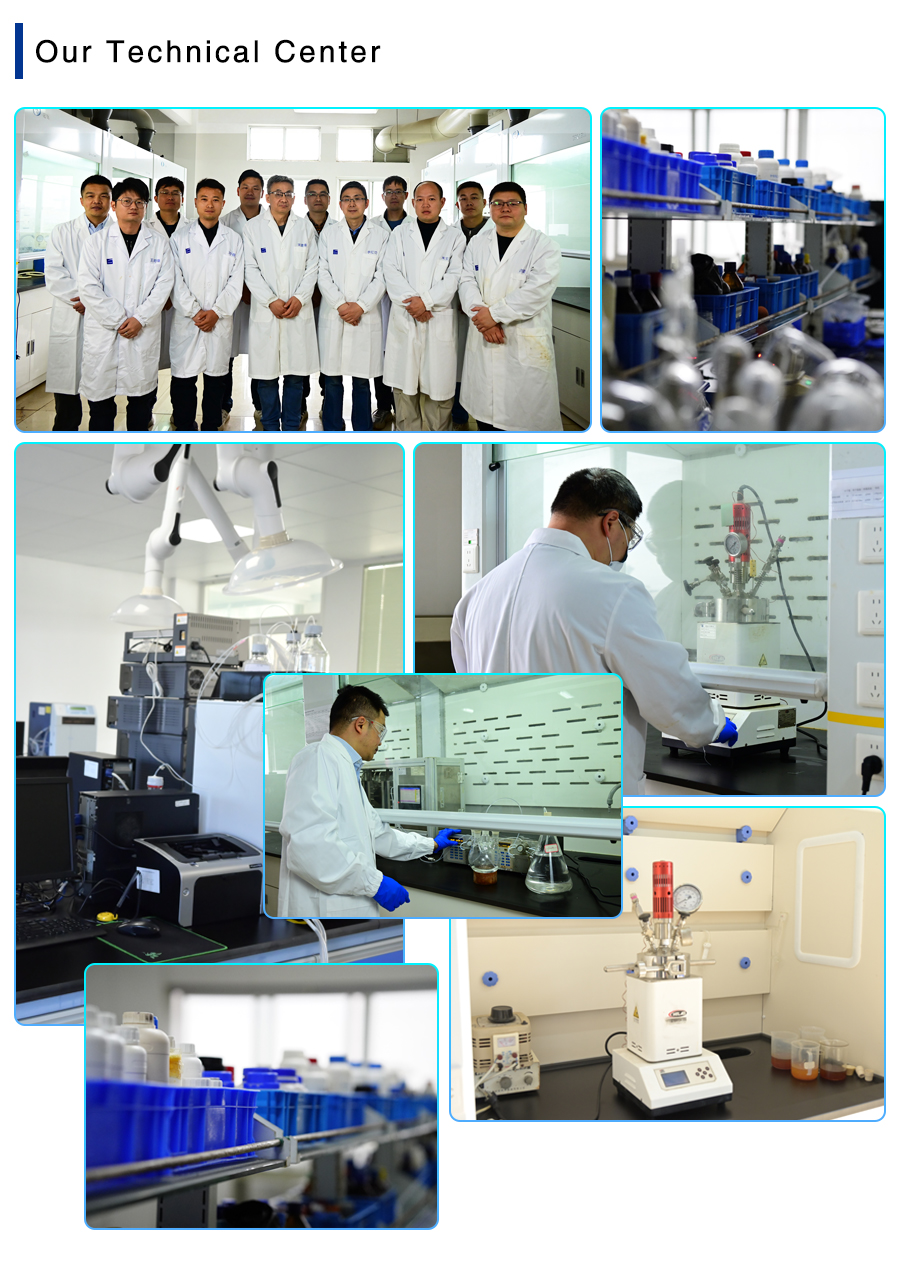
Our advanced chemical processes are designed and continuously optimized by a specialized R&D department led by industrial process chemists holding doctoral degrees. This technical leadership has successfully secured 19 invention patents and 8 utility model patents focused on high-efficiency halogenation methodologies and advanced stabilization techniques. By optimizing our own manufacturing chemistry, we deliver an intermediate that helps downstream partners minimize waste and achieve excellent process efficiency.
Dual-Site Supply Security (Dalian & Heze)
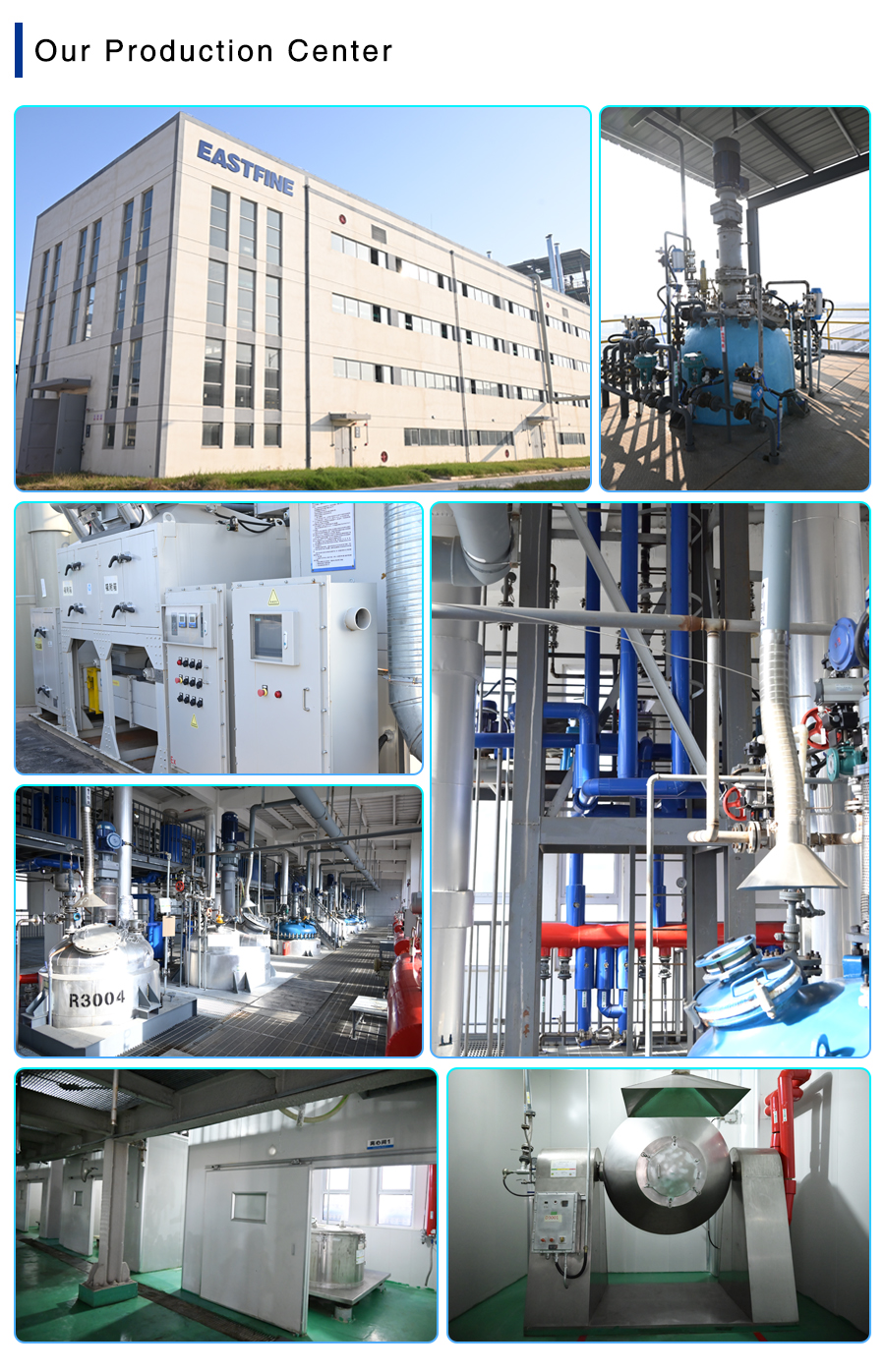
In today's complex regulatory environment and volatile global supply chain, relying on a single manufacturing point introduces significant operational risk. EASTFINE ensures absolute supply security by operating two fully mirrored, large-scale production facilities located in Dalian and Heze. This dual-site capability guarantees an uninterrupted supply of high-purity intermediates; if one plant undergoes planned environmental or maintenance audits, the sister facility can scale up production to seamlessly fulfill long-term commercial contracts.
Complete Analytical Validation and Traceability
Navigating global regulatory pathways requires extensive documentation and absolute transparency. EASTFINE accompanies every batch of CAS 7051-34-5 with a comprehensive analytical dossier, including automated gas chromatography data, precise Karl Fischer moisture measurements, and detailed trace metal profiles. This rigorous quality management ensures that your raw material verification process is straightforward, fully traceable, and completely prepared for international regulatory inspections.

Conclusion: Aligning Green Metrics with Commercial Viability
Achieving true sustainability in industrial fine chemical manufacturing requires a careful alignment of chemical performance and environmental responsibility. Utilizing a low-grade or physically inconsistent batch of (Bromomethyl)cyclopropane (CAS 7051-34-5) introduces unwanted side isomers, increases solvent consumption, and elevates the process E-Factor, which compromises both green metrics and commercial margins.
Partnering with EASTFINE provides your engineering team with an analytically verified, high-purity intermediate that optimizes solid-liquid and liquid-liquid interfaces. Backed by thirty years of direct manufacturing experience, extensive intellectual property, and a highly secure dual-site production model, EASTFINE helps you build efficient, sustainable, and high-yielding chemical processes.


 English
 العربية
 Français
 Русский
 Español
 Português
 Deutsch
 italiano
 日本語
日本語 한국어
한국어 Nederlands
 Tiếng Việt
 ไทย
ไทย Polski
 Türkçe
 አማርኛ
አማርኛ ພາສາລາວ
 Bahasa Melayu
 ဗမာစာ
ဗမာစာ Filipino
 Bahasa Indonesia
 magyar
 Română
 Čeština
 қазақ
қазақ Српски
 हिन्दी
 فارسی
فارسی Kiswahili
 Slovenčina
 Slovenščina
 Norsk
Norsk Svenska
 українська
 Ελληνικά
 Suomi
Suomi עברית
עברית Dansk
Dansk اردو
اردو Shqip
Shqip বাংলা
বাংলা Hrvatski
 Gaeilge
 Eesti keel
 Oʻzbekcha
 latviešu
 Azərbaycan dili
 Български
 ქართული
 íslenska
 Lietuvių


 简体中文
简体中文


