Introduction: The Physical Mechanics of Biphasic Reaction Masses
In the industrial scale-up of fine chemicals, the success of a synthetic step depends as much on physical chemical properties as it does on molecular kinetics. When process development teams evaluate (Bromomethyl)cyclopropane (BMCP, CAS 7051-34-5) for bulk alkylation, they are managing a multi-phase physical system. BMCP is a dense, volatile liquid at room temperature that must interact with solid-state nucleophilic salts, insoluble inorganic bases, or crystalline active pharmaceutical ingredient (API) precursors.
The efficiency of this step depends heavily on the physical properties of the liquid intermediate, including its density, boiling point, dynamic viscosity, and moisture thresholds. These parameters control mass transfer across the solid-liquid interface.
If the liquid raw material displays inconsistent physical metrics or lacks structural stability, it can disrupt slurry uniformity, alter fluid dynamics, and cause poor batch reproducibility.
In large-scale batch reactors and specialized solid-state agitation setups, unmanaged physical variations can lead to uneven mixing, localized stalling, and localized overheating. These mechanical inconsistencies can trigger ring-opening cascades in the high-strain cyclopropyl ring, lowering overall chemical yields.
At EASTFINE, we support robust industrial chemical processing by providing premium, direct-manufactured CAS 7051-34-5 with highly consistent physical properties, ensuring reliable fluid dynamics and predictable solid-liquid extraction behavior.
Applications of CAS 7051-34-5: Driving Lifescience Innovation
The pharmaceutical and agrochemical industries rely on (Bromomethyl)cyclopropane for targeted molecular installations across several expanding commercial sectors:
Antiplatelet and Cardiovascular Therapeutics
The most commercially prominent application of BMCP is in the production of Prasugrel, a major thienopyridine antiplatelet agent used to reduce thrombotic cardiovascular events. The cyclopropylmethyl group is a foundational structural element in this molecule, playing an essential role in its in vivo activation pathway.
Neurological and CNS Pipeline Compounds
In central nervous system drug discovery, the cyclopropylmethyl group is heavily featured in next-generation KCNQ2 potassium channel openers designed to manage treatment-resistant epilepsy and neuronal hyperexcitability. It is also used to synthesize specialized opioid receptor ligands with balanced micro-agonist and delta-antagonist profiles.
Tumor-Targeted Azole Scaffolds and ADCs
BMCP is a core reagent used to build complex human dihydroorotate dehydrogenase (DHODH) inhibitors based on advanced azole frameworks. These structures are increasingly utilized as functional payloads in third-generation Antibody-Drug Conjugates (ADCs) targeting specific solid tumors.
Advantages of the Cyclopropylmethyl Motif in Drug Design
Incorporating (Bromomethyl)cyclopropane into an active drug scaffold offers several clear pharmacokinetic and structural benefits over standard, linear alkyl chains:
Bioisosteric Potency Enhancement
The cyclopropyl group functions as an effective bioisostere for bulky isopropyl or phenyl groups. Because it maintains a compact molecular volume while providing high electron density, it can fit tightly into hydrophobic binding pockets, often leading to a measurable boost in receptor binding affinity.
Exceptional Metabolic Resistance
Linear alkyl chains are highly vulnerable to rapid dealkylation and cytochromes P450-mediated omega-oxidation in the liver. Swapping these groups for a cyclopropylmethyl motif creates steric hindrance that protects adjacent bonds, slowing down first-pass metabolism and extending the systemic half-life of oral small molecules.
Optimal Lipophilicity Tuning
The three-membered carbon ring increases the overall lipophilicity (log P) of a molecular scaffold without adding unnecessary molecular weight. This balanced lipophilic profile improves a compound's membrane permeability, enhancing oral bioavailability and supporting effective blood-brain barrier penetration in neurological applications.
Biomechanics & Synthetic Logic of Selective BMCP Alkylation
The synthetic utility of (Bromomethyl)cyclopropane depends on managing its dual nature: it features a highly reactive primary carbon center coupled with an adjacent ring framework that is sensitive to carbocation rearrangements.
Nucleophilic Displacement Dynamics:
The bromine atom functions as an excellent leaving group in classical S}_\text{N}2$ nucleophilic substitutions. When reacted with primary or secondary amines, heterocycles, or carbanions under mild basic conditions, alkylation proceeds rapidly and selectively at the methylene carbon.
The Rearrangement Risk Factor:
If the reaction conditions are overly acidic or involve high-temperature Lewis acids, the process can inadvertently shift toward an SN1 pathway. This pathway generates a cyclopropylmethyl cation intermediate that can instantly undergo ring expansion or ring opening, producing unwanted homoallylic or cyclobutyl side impurities.
To maintain perfect structural integrity during synthesis, process engineers must use high-purity BMCP that is entirely free of trace acidic contaminants or active metal ions that could trigger these side pathways.
Process Engineering of Commercial Alkylation
When running bulk industrial alkylations with CAS 7051-34-5, adhering to a strict, optimized process methodology is critical for maximizing chemical yields:
Base Selection and Proton Scavenging
To prevent the formation of free hydrobromic acid (HBr) during alkylation, process setups must include a reliable, non-nucleophilic base. Common industrial choices include anhydrous potassium carbonate (K2CO3) or specialized tertiary amines, which scavenge liberated protons without interfering with the primary nucleophile.
Polar Aprotic Solvent Systems
The reaction is typically performed in dry polar aprotic solvents such as N,N-dimethylformamide (DMF), acetonitrile, or dimethyl solvent (DMSO). These solvents solvate the counter-cations cleanly, maximizing the nucleophilicity of the substrate while maintaining a stable, low-temperature reaction profile.
Temperature Control and Quenching Profiles
The alkylation should be conducted under a controlled temperature range (typically between 30℃ and 50℃ to suppress potential ring-opening pathways. Once complete, the mixture is quenched using weak aqueous ammonium chloride solutions followed by clean solvent extraction, ensuring a smooth transition to downstream purification steps.
Industrial Handling, Safety, and Storage Protocols
Because (Bromomethyl)cyclopropane is both a highly volatile liquid and an active alkylating agent, industrial facilities must implement rigorous handling and storage protocols:
Inert Gas Blanketing
Bulk storage tanks and active process lines must be kept under a continuous, pressurized blanket of dry nitrogen or argon to eliminate ambient moisture and prevent hydrolytic breakdown.
Corrosion-Resistant Containment
Due to the potential for trace HBr generation over long storage periods, standard carbon-steel containment must be avoided. Facilities should utilize dedicated fluoropolymer-lined (PTFE) vessels or specialized high-density polyethylene (HDPE) drums.
Thermal Regulation
Drums should be stored in cool, well-ventilated, explosion-proof warehouses maintained below 20℃ and shielded from direct sunlight or ultraviolet exposure to prevent radical degradation loops.
Thermodynamic Properties and Phase Management
Managing bulk industrial extractions requires precise baseline data on the physical chemistry profile of CAS 7051-34-5. Deviations in these physical constants can alter energy balances and compromise distillation efficiency.
Vapor Pressure and Distillation Kinetics
Because BMCP is a volatile liquid, its temperature-dependent vapor pressure curve directly impacts how fluid mixtures behave during solvent stripping and product separation.
Precision Flash Point and Boiling Point Constants
Pure (Bromomethyl)cyclopropane exhibits a boiling point of 105°C to 107°C at normal atmospheric pressure, with a flash point of 24°C. Our stringent distillation protocols remove volatile light fractions, preventing downstream vapor-lock problems in vacuum recovery systems.
Vacuum Distillation Profiles for Thermal Preservation
To avoid thermal degradation during recovery, industrial processes frequently switch to reduced-pressure distillation. At 11.3 kPa, the boiling point of pure BMCP drops safely to 41°C. This low-temperature profile prevents the cyclic ring from expanding into cyclobutyl variants or opening into linear butenyl chains.
Liquid Density and Mass Transfer Coefficients
The relative weight and packing characteristics of the liquid intermediate dictate the physical design of stirring systems and phase-separation hardware.
High Baseline Density for Multi-Phase Decanting
With a specific density of 1.392 g/cm³ at 25°C, high-purity BMCP sits cleanly beneath lighter aqueous layers or less dense organic processing solvents. This clear density difference supports rapid phase separation, shortening cycle times during bulk industrial washings.
Fluid Viscosity and Slurry Wetting Profiles
The dynamic viscosity of our product remains highly consistent, allowing the liquid to completely wet the surfaces of solid-state salts. This uniform wetting eliminates dry clumping in the reactor, promoting equal distribution of reagents and preventing localized unreacted zones.

Solid-Liquid Interface and Boundary Layer Engineering
During heterogeneous alkylations, the reaction occurs at the thin boundary layer where liquid BMCP contacts solid crystalline nucleophiles. Controlling this interface is essential for maintaining uniform processing rates.
Mitigating Surface Passivation on Inorganic Bases
Inorganic bases like potassium carbonate (K2CO3) are frequently suspended as dry powders in the reaction mixture to absorb liberated acids.
Preventing Insoluble Hydrobromide Crust Formation
If the liquid intermediate contains trace moisture, the solid carbonate surfaces can dissolve slightly and react prematurely, forming an insoluble potassium bromide (KBr) crust. This hard layer passivates the solid particle, blocking the remaining base from interacting with the liquid phase and halting the reaction.
Maintaining Active Surface Area through Low Moisture Levels
EASTFINE’s strict ≤ 0.05% moisture threshold prevents this surface hydration. The solid particles remain finely dispersed throughout the slurry, maximizing the available surface area and ensuring efficient, complete acid absorption without requiring oversized agitation equipment.
Controlling Solvation and Particulate Size Distribution
The presence of trace impurities can alter the solubility limits of the reaction matrix, leading to unwanted precipitation or crystalline growth.
Prevention of Secondary Polymorphic Crystalline Growth
When low-grade BMCP containing varying amounts of side isomers is added to a slurry, it can act as an erratic co-solvent. This variation can cause the target API intermediate to precipitate early or form unreactive crystal shapes (polymorphs) that trap unreacted materials within their structures.
Streamlining Cake Washing and Downstream Filtration
By maintaining absolute chemical and physical purity, EASTFINE’s intermediate ensures that target API crystals form with a uniform particle size distribution. This consistency results in a porous, easily managed filter cake during downstream separation, shortening centrifugation times and reducing the volume of washing solvent required.
Why Choose EASTFINE? Your Partner for Streamlined Commercial Scale-Up
When a pharmaceutical or agrochemical asset transitions from pilot validation to full commercial manufacturing, your choice of intermediate manufacturer directly impacts your time-to-market and regulatory security. Established in 1995, EASTFINE is a leading global direct manufacturer of high-purity (Bromomethyl)cyclopropane.
PhD-Backed Technical Expertise and Innovation
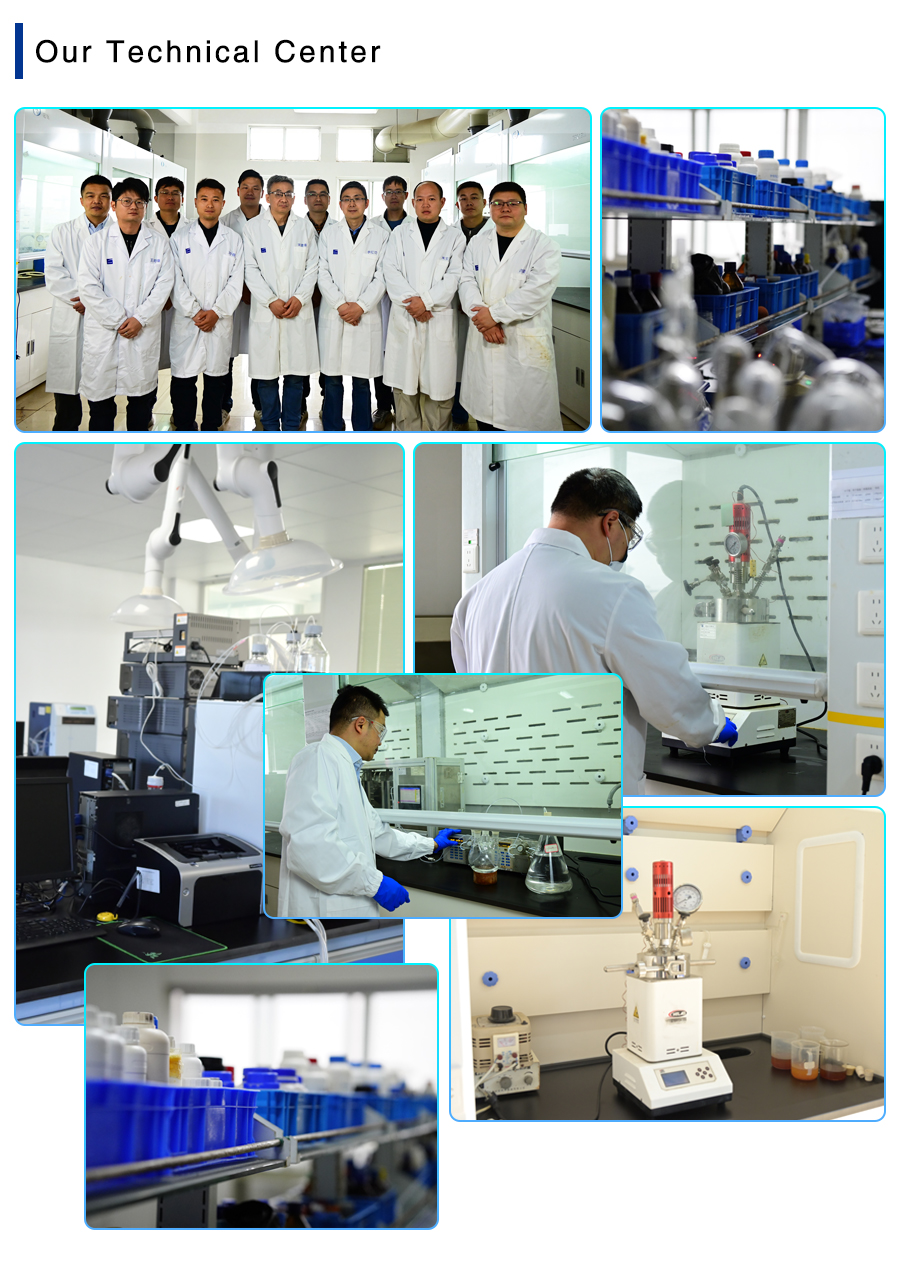
Our production processes are designed and managed by an advanced R&D team led by process chemists holding doctoral degrees. This specialized technical leadership has secured 19 invention patents and 8 utility model patents focused on high-efficiency halogenation and precision stabilization. By optimizing the initial synthesis, we deliver a product that is consistently free of the isomeric impurities that often disrupt automated dosing systems and continuous-flow microreactors.
Dual-Site Supply Assurance (Dalian & Heze)
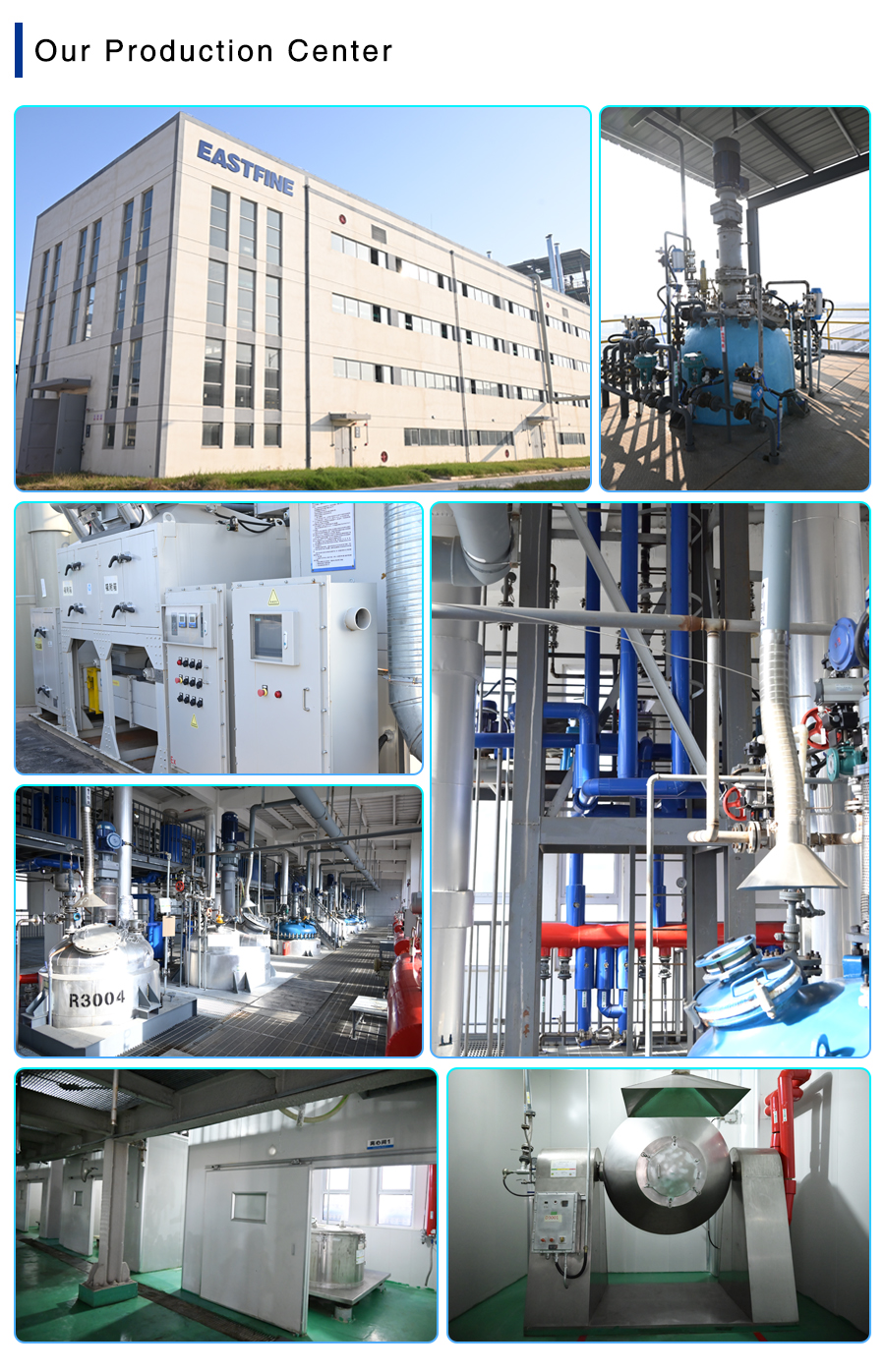
In an era of unpredictable supply chains and shifting environmental regulations, EASTFINE provides our global partners with reliable supply security. We operate two fully synchronized, large-scale manufacturing facilities in Dalian and Heze. This dual-site setup guarantees a reliable, uninterrupted stream of product for your commercial lines; if one site undergoes scheduled maintenance, the other can expand its output to fulfill your high-volume supply contracts.
Comprehensive Regulatory and Analytical Support
We understand the extensive documentation required for regulatory compliance in modern life-science manufacturing. EASTFINE provides comprehensive analytical packages for every batch of CAS 7051-34-5, including high-resolution gas chromatography (GC-FID), coulometric Karl Fischer moisture data, and trace metal analysis. This level of quality assurance simplifies your raw material validation processes and ensures a clean auditing trail for global regulatory bodies.
Conclusion: Optimizing Physical Logistics for High-Yield Production
Successful commercial scale-up requires deep control over both chemical kinetics and physical mechanics. Inconsistent physical properties or unmanaged moisture levels in low-grade (Bromomethyl)cyclopropane (CAS 7051-34-5) can cause surface passivation, poor slurry distribution, and downstream filtration bottlenecks.
Partnering with EASTFINE provides your engineering team with an analytically verified intermediate with highly stable physical properties, backed by thirty years of direct manufacturing authority, extensive patent protection, and a highly secure dual-site supply chain.


 English
 العربية
 Français
 Русский
 Español
 Português
 Deutsch
 italiano
 日本語
日本語 한국어
한국어 Nederlands
 Tiếng Việt
 ไทย
ไทย Polski
 Türkçe
 አማርኛ
አማርኛ ພາສາລາວ
 Bahasa Melayu
 ဗမာစာ
ဗမာစာ Filipino
 Bahasa Indonesia
 magyar
 Română
 Čeština
 қазақ
қазақ Српски
 हिन्दी
 فارسی
فارسی Kiswahili
 Slovenčina
 Slovenščina
 Norsk
Norsk Svenska
 українська
 Ελληνικά
 Suomi
Suomi עברית
עברית Dansk
Dansk اردو
اردو Shqip
Shqip বাংলা
বাংলা Hrvatski
 Gaeilge
 Eesti keel
 Oʻzbekcha
 latviešu
 Azərbaycan dili
 Български
 ქართული
 íslenska
 Lietuvių


 简体中文
简体中文


