


Views: 0 Author: Site Editor Publish Time: 2026-05-25 Origin: Site
In the modern pharmaceutical manufacturing landscape, the criteria for raw material selection have evolved far beyond basic commercial availability and gross assay percentages. Regulatory frameworks, such as the International Council for Harmonisation (ICH) guidelines, enforce strict control over impurities, requiring deep documentation of trace elements, degradation pathways, and isomeric distributions in starting materials. When scaling up synthesis pipelines that utilize (Bromomethyl)cyclopropane (BMCP, CAS 7051-34-5), this regulatory oversight becomes a significant operational focus.
BMCP is highly valued in drug design for its ability to introduce a rigid cyclopropylmethyl framework into small-molecule therapeutics. This structural motif enhances oral bioavailability, improves metabolic stability, and optimizes target binding pockets.
However, the significant ring-strain energy (≈ 115 kJ/mol) that makes the cyclopropane ring so useful also renders it highly susceptible to unintended chemical transitions. Under improper processing, handling, or storage conditions, the molecule can undergo rapid thermodynamic rearrangements.
For quality assurance (QA) and regulatory compliance managers, an unverified or poorly stabilized batch of CAS 7051-34-5 introduces severe risks. Microscopic amounts of rearranged isomers or trace metal contaminants can participate in downstream reactions, generating complex impurity profiles in the final Active Pharmaceutical Ingredient (API). These downstream impurities can trigger costly out-of-specification (OOS) failures, delay manufacturing schedules, and complicate critical regulatory validation filings.
As a direct chemical producer, EASTFINE mitigates these risks by applying advanced analytical profiling and rigorous quality control to every batch of BMCP, ensuring seamless integration into strict cGMP downstream processes.
Developing a secure quality control framework for (Bromomethyl)cyclopropane requires a thorough understanding of its specific impurity landscape. Process impurities generally fall into two distinct categories: synthetic by-products and structural rearrangement isomers.
The most critical impurity associated with BMCP is its linear isomer, 4-bromo-1-butene. This compound forms when the three-membered cyclopropyl ring opens under thermal stress or in the presence of trace acids. Because 4-bromo-1-butene features a primary alkyl halide center, its alkylation kinetics closely match those of BMCP. If present in the starting raw material, it will successfully compete in downstream substitution stages, embedding a flexible linear butenyl group where a rigid cyclopropyl group belongs.
A secondary rearrangement pathway involves a ring-expansion cascade that converts the cyclopropylmethyl architecture into a four-membered cyclobutyl ring. While less thermodynamically favored than the open-chain 4-bromo-1-butene, trace amounts of cyclobutyl bromide can form during high-temperature distillation phases. This ring-expanded impurity behaves as a secondary halide, introducing a different set of steric and electronic properties into downstream synthesis steps.
Exposure to atmospheric moisture during packaging or transfer steps initiates a slow hydrolysis process. This reaction converts BMCP into cyclopropylmethanol while liberating free hydrobromic acid (HBr). The newly formed alcohol acts as a non-reactive diluent, lowering the effective assay of the raw material, while the free HBr functions as an autocatalytic agent that accelerates further ring-opening cascades.
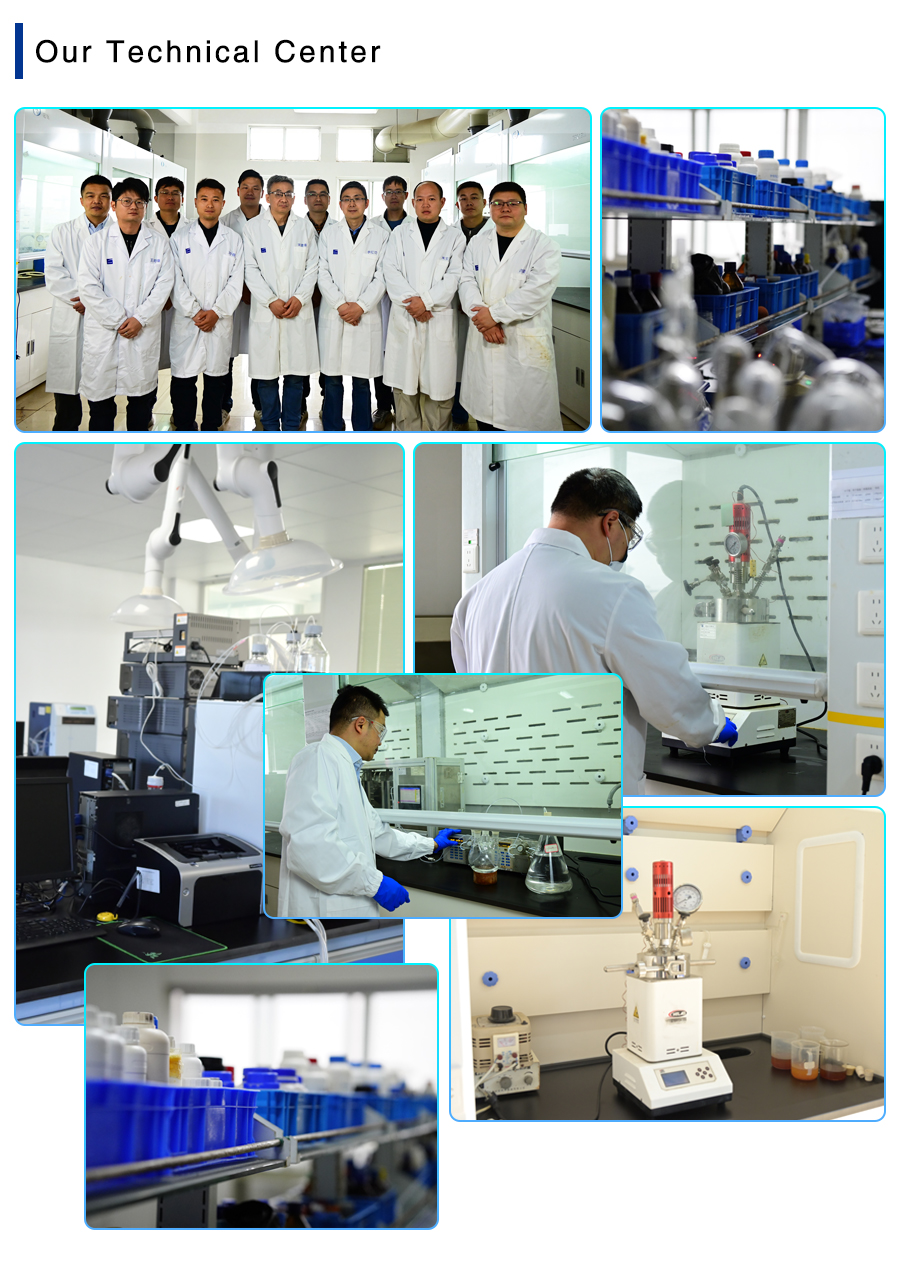
Relying on standard industrial screening methods is insufficient to detect the subtle structural variations common to high-strain cyclic intermediates. EASTFINE utilizes a specialized suite of high-resolution testing methodologies to verify the integrity of every batch:
Standard gas chromatography setups often fail to cleanly separate BMCP from 4-bromo-1-butene due to their overlapping boiling points. EASTFINE resolves this analytical challenge by implementing advanced instrumental parameters across our GC network.
Our laboratories utilize custom capillary columns coated with specialized, highly polar cyanopropyl polysiloxane stationary phases. This column chemistry enhances the dipole-dipole interactions of the analytes, successfully resolving the structural isomers and ensuring absolute baseline separation.
To suppress on-column thermal degradation during analysis, our automated instruments operate under strict, low-temperature ramp profiles. By lowering the injection port temperature and using high split ratios, we eliminate instrument-induced ring opening, delivering an accurate assessment of the true sample composition.
Because moisture acts as the primary trigger for hydrolytic degradation and acid generation, managing water content is a core component of our quality control process.
Our analytical protocols specify the use of dedicated, amine-free Karl Fischer reagents to prevent secondary side reactions with the active alkyl halide. The sample is introduced via an automated matrix-optimized system that prevents atmospheric humidity from contaminating the titration cell during testing.
We enforce an internal commercial release limit of ≤ 0.05% moisture. For highly sensitive oligonucleotide and automated continuous-flow applications, our finishing steps can tighten this validation threshold down to ≤ 0.01%, providing maximum protection against long-term chemical drift.
Trace transition metal ions, particularly iron (Fe^3+) and copper (Cu^2+), can act as weak Lewis acids that catalyze the ring-opening cascade. EASTFINE utilizes ICP-MS screening to monitor and restrict heavy metal concentrations to tight parts-per-million thresholds.
Before analysis, samples are subjected to automated closed-vessel microwave digestion using ultra-pure nitric acid. This process thoroughly strips out the organic matrix, allowing for interference-free measurement of the target transition metals.
Our ICP-MS validation ensures that trace iron and secondary transition metals are restricted to parts-per-million (ppm) levels. This strict control protects downstream precious metal catalysts—such as palladium or rhodium—from premature deactivation during multi-step synthesis.
To maintain a clean analytical profile from the production line to the client's reactor jacket, (Bromomethyl)cyclopropane must be protected against spontaneous ionization and radical degradation loops.
Over time, trace amounts of alkyl halides can undergo elimination reactions to produce microscopic amounts of free acid.
EASTFINE utilizes a proprietary stabilizer blend featuring high-boiling, non-nucleophilic epoxide derivatives. These molecules function as efficient acid traps, capturing liberated hydrogen bromide (HBr) and locking it into an inert compound without introducing strong organic bases that could affect your downstream alkylation yields.
The active components within our stabilizer matrix are chosen for their excellent thermal stability, ensuring they do not co-distill out of the system during routine solvent stripping or reaction heat cycles, maintaining protection throughout the synthesis process.
Ambient light exposure and trace organic peroxides can initiate radical-mediated ring cleavage.
Our formulations integrate trace amounts of hindered phenolic antioxidants. These agents act as highly efficient radical terminators, quenching early-stage peroxide radicals before they can interact with the cyclopropyl ring system.
By disrupting the radical propagation cycle, our stabilizer framework completely prevents the yellowing, turbidity, and internal pressure buildup commonly observed in unstable, commodity-grade alternatives during long-term warehouse storage.
For procurement teams managing high-volume life-science pipelines, sourcing high-strain intermediates through indirect trading networks introduces significant quality and supply chain vulnerabilities.
Traders and brokers frequently consolidate small batches from anonymous workshops to fulfill large commercial orders. This aggregation results in highly variable material quality, where individual drums can exhibit completely different stabilizer profiles, moisture levels, and isomeric purities.
Indirect supply chains complicate regulatory audits, making it difficult to trace material origins and establish a clear chain of custody. EASTFINE removes these layers of risk by managing the entire lifecycle of our CAS 7051-34-5 production, providing clients with total transparency and consistent batch-to-batch quality.

When a pharmaceutical or agrochemical asset transitions from pilot validation to full commercial manufacturing, your choice of intermediate manufacturer directly impacts your time-to-market and regulatory security. Established in 1995, EASTFINE is a leading global direct manufacturer of high-purity (Bromomethyl)cyclopropane.
Our production processes are designed and managed by an advanced R&D team led by process chemists holding doctoral degrees. This specialized technical leadership has secured 19 invention patents and 8 utility model patents focused on high-efficiency halogenation and precision stabilization. By optimizing the initial synthesis, we deliver a product that is consistently free of the isomeric impurities that often disrupt automated dosing systems and continuous-flow microreactors.
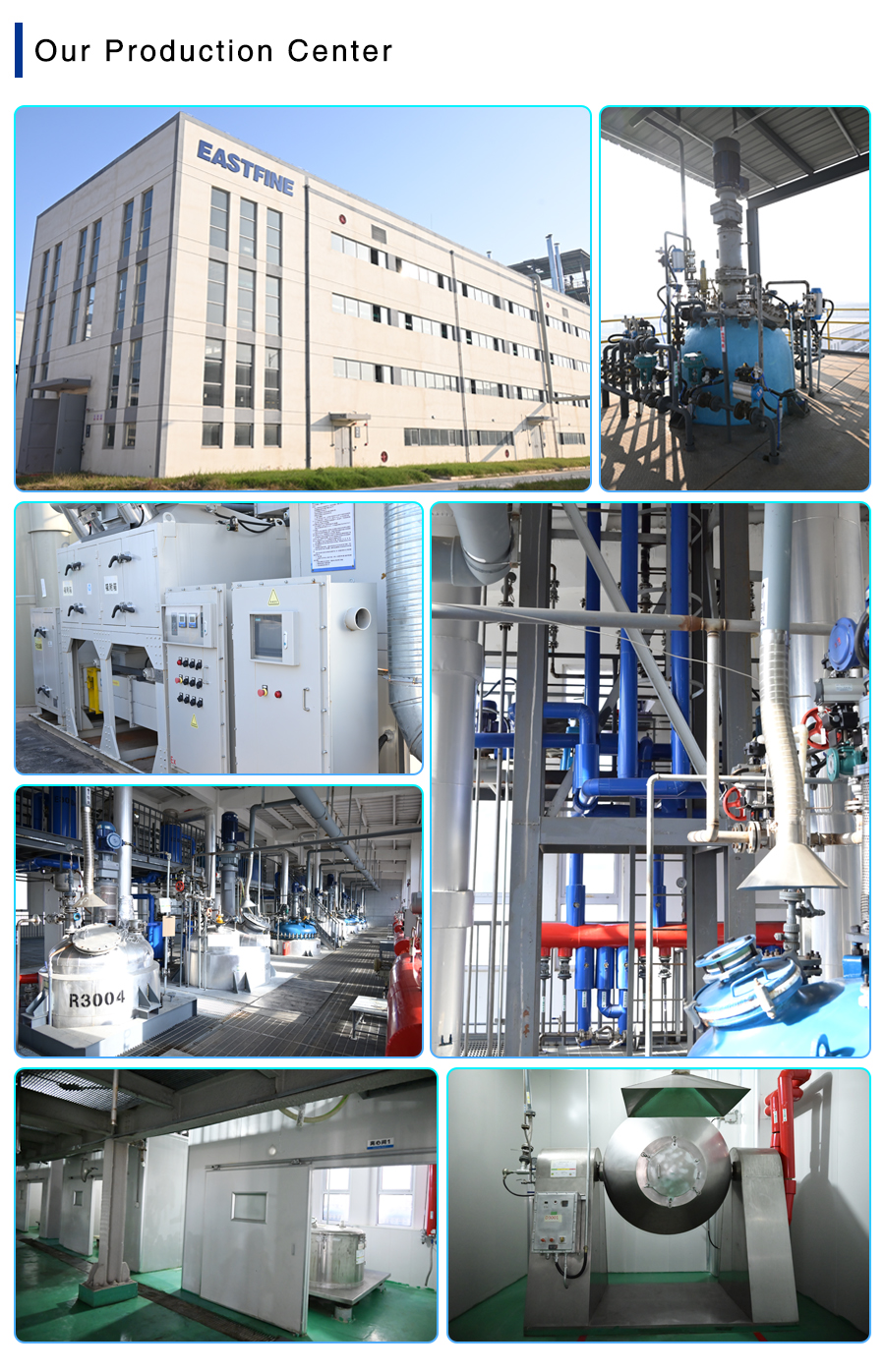
In an era of unpredictable supply chains and shifting environmental regulations, EASTFINE provides our global partners with reliable supply security. We operate two fully synchronized, large-scale manufacturing facilities in Dalian and Heze. This dual-site setup guarantees a reliable, uninterrupted stream of product for your commercial lines; if one site undergoes scheduled maintenance, the other can expand its output to fulfill your high-volume supply contracts.
We understand the extensive documentation required for regulatory compliance in modern life-science manufacturing. EASTFINE provides comprehensive analytical packages for every batch of CAS 7051-34-5, including high-resolution gas chromatography (GC-FID), coulometric Karl Fischer moisture data, and trace metal analysis. This level of quality assurance simplifies your raw material validation processes and ensures a clean auditing trail for global regulatory bodies.
In high-stakes pharmaceutical synthesis, raw material quality directly dictates the success of your regulatory strategy. Subtle variations or unmanaged impurities in (Bromomethyl)cyclopropane (CAS 7051-34-5) can lead to unexpected downstream side reactions, lower final yields, and complex auditing challenges.
Partnering with EASTFINE gives your production team access to a premium, analytically verified intermediate backed by thirty years of direct manufacturing authority, extensive patent protection, and a highly secure dual-site supply chain.


 简体中文
简体中文

