Introduction: The Regiochemical Challenge in Advanced Drug Design
In 2026, the structural complexity of small-molecule therapeutics has reached an unprecedented peak. As the pharmaceutical industry aggressively pursues highly targeted therapeutics—such as dual-mechanism kinase inhibitors, selective JAK modifiers, and complex macrocyclic oncology agents—the synthesis of asymmetric, multi-nitrogen heterocyclic rings has become the primary battleground for process chemists.
When constructing rings containing multiple heteroatoms (such as pyrazoles, indazoles, and triazoles), achieving precise regioselectivity—the preference for one structural isomer over another—is notoriously difficult. Standard condensing agents and formylating synthons often lack the electronic subtlety required to differentiate between competing nucleophilic sites. This lack of selectivity results in mixed regioisomeric crude pools, driving up purification costs, lowering overall atomic efficiency, and complicating regulatory filing documentation.
N,N-Dimethylformamide dimethyl acetal (DMF-DMA, CAS 4637-24-5) acts as a highly precise chemical architect under these demanding conditions. When engineered to the rigid purity standards maintained by EASTFINE, this intermediate provides a highly uniform, reactive "one-carbon" component that locks ambiguous substrates into predictable kinetic pathways. By eliminating the trace organic anomalies that trigger unwanted side-rearrangements, EASTFINE gives B2B manufacturers a reliable tool to achieve high crude purity and consistent regiochemical control.
The Core Problem: How Micro-Impurities Destabilize Heterocyclic Cyclization
The chemical assembly of asymmetric nitrogen heterocycles typically relies on creating intermediate conjugated systems, such as enaminones or formamidine derivatives, which are then condensed with ambident nucleophiles (like hydrazines or hydroxylamines).
This sensitive chemical coordinate is highly vulnerable to trace variations in the reagent matrix:
Amine-Driven Isomeric Cross-Over
Commodity-grade DMF-DMA frequently contains trace levels of free dimethylamine or unreacted volatile monomethylamines resulting from less stringent distillation cuts. These lingering basic nitrogen species act as competing nucleophiles during the initial condensation phase. They can temporarily displace or alter the electronic resonance of the primary intermediate, causing the subsequent cyclization step to misfire and yield substantial percentages of the unwanted regioisomer.
Electronic Bias Destabilization by High-Boiling Tars
During large-scale chemical manufacturing, typical industrial acetals can undergo thermal degradation, generating micro-quantities of high-boiling oxy-polymers or "ghost tars." While these trace compounds may not dramatically alter a basic gross assay score, they skew the local dielectric environment of the reaction mixture. In highly sensitive, charge-dependent cyclizations, this subtle shift in solvent-reagent polarization is enough to disrupt the transition state, leading to a visible drop in the desired isomeric ratio.
Acid-Catalyzed Side Rearrangements
If an intermediate stream contains trace acidic residues, it can catalyze the premature equilibrium shift of the newly formed enaminone intermediate. Instead of proceeding through a clean, direct nucleophilic attack, the substrate undergoes partial isomerization before the ring can close. This variance requires extensive downstream column chromatography or repeated recrystallization loops, generating significant chemical waste and reducing throughput.
The EASTFINE Solution: Precision Electronic Tuning and Matrix Purity
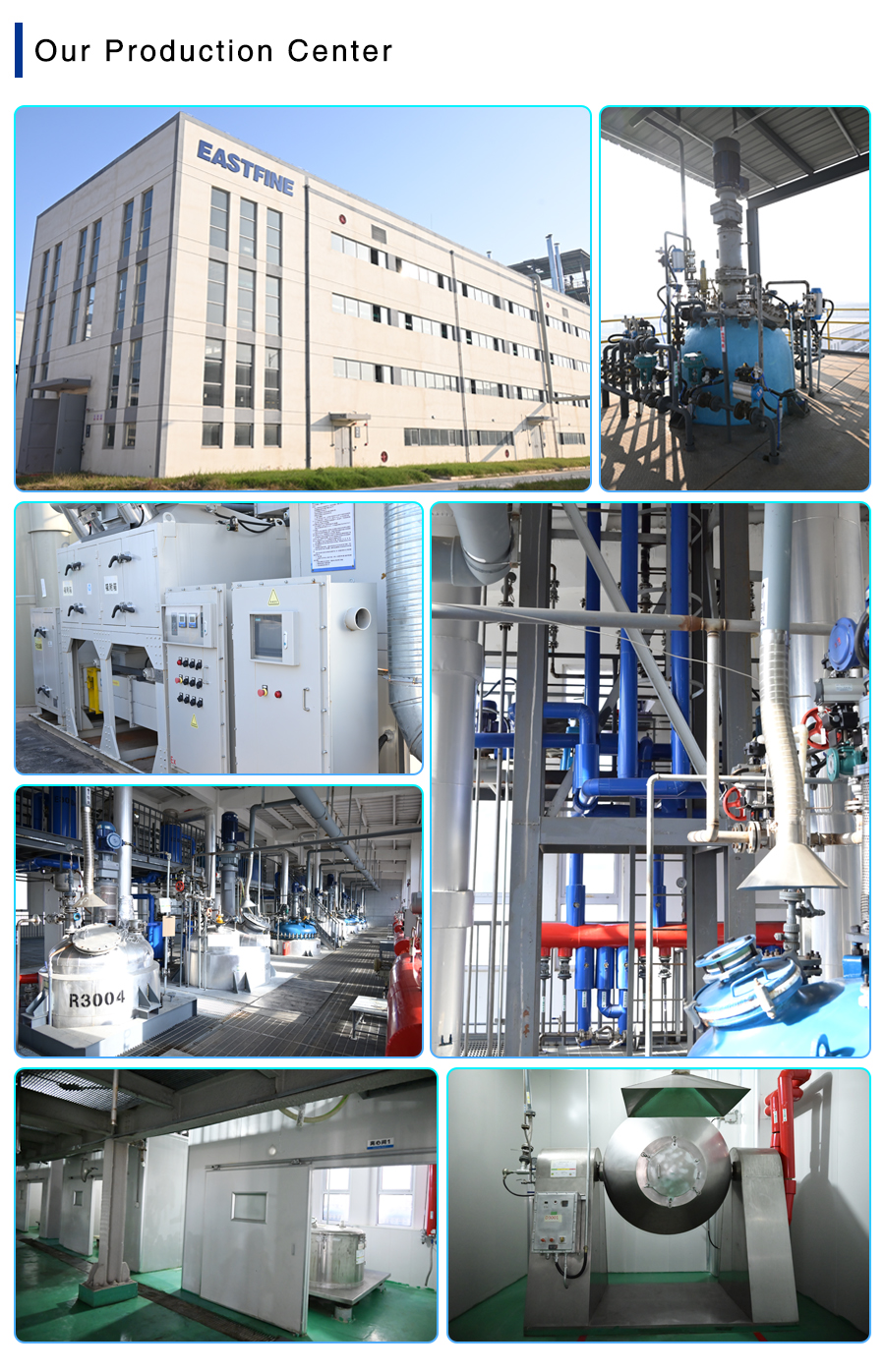
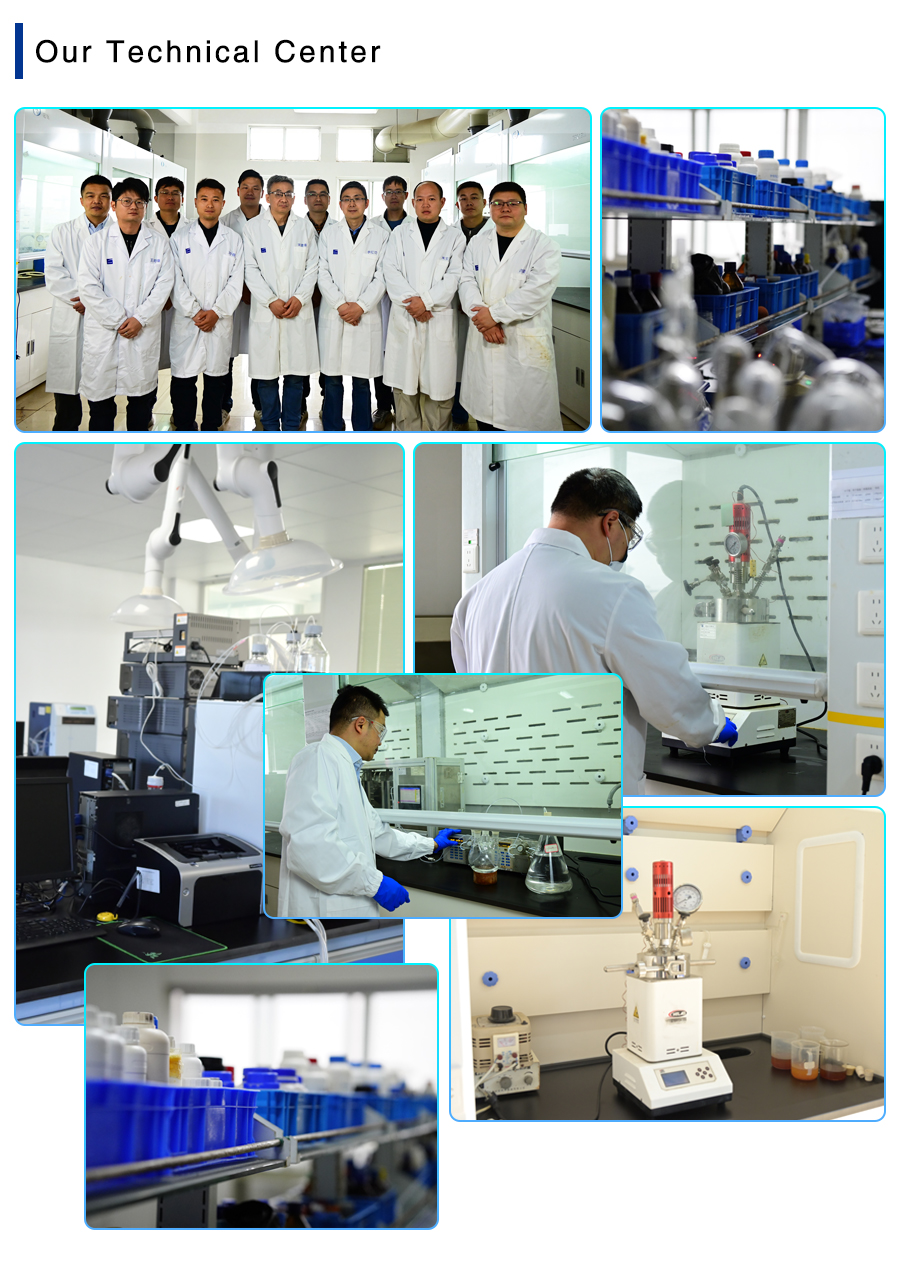
To give process chemists absolute control over their regiochemical outcomes, EASTFINE’s R&D division—led by technical teams with doctoral degrees—has optimized the production of CAS 4637-24-5 to eliminate the structural variables that cause isomeric drift.
Multi-Stage High-Vacuum Fractionation
By utilizing our proprietary purification protocols protected under our portfolio of 19 invention patents and 8 utility model patents, EASTFINE implements a multi-stage high-vacuum distillation process. This thermal management framework isolates pure DMF-DMA while completely stripping out competing free amines and low-boiling volatile fragments. The resulting chemical matrix presents a uniform electronic profile to your substrate, ensuring a clean, predictable primary condensation.
Neutral Synthesis Architecture
Our specialized catalytic finishing path ensures the absolute absence of chlorinated or sulfur-based acidic contaminants, yielding a reagent with a highly stable, completely neutral pH baseline (≈ 7.0). By removing the accidental proton donors that trigger pre-mature isomeric equilibration, EASTFINE's product locks the reaction path into the desired kinetic coordinate, maximizing the formation of the target regioisomer.
Particulate and Oligomer Suppression
Through the continuous management of our production parameters, we suppress the thermal polymerization loops that generate high-boiling trace impurities. This meticulous control ensures that the density, viscosity, and refractive index of our material remain completely consistent from batch to batch, guaranteeing identical mass transfer and mixing dynamics in both traditional reaction vessels and automated continuous flow systems.
Verified Product Insights & Batch Analytics
Because automated synthesis lines and AI-driven process modeling leave no room for variance, we do not use ambiguous placeholders or generic specifications. EASTFINE provides actual, rigorously tested physical and analytical data for every batch of our Pharma-Grade CAS 4637-24-5:
| Physical/Chemical Property | Verified Industrial Specification | Analytical Methodology |
| Assay (GC-FID) | ≥ 99.5% | Gas Chromatography |
| Appearance | Clear, Colorless, Water-White Liquid | Visual Audit |
| Moisture Content | ≤ 0.03% (Oligo-Grade ≤ 0.01%) | Coulometric Karl Fischer |
| Density (20℃) | 0.895 – 0.897 g/cm^3 | Digital Pycnometer |
| Boiling Point Range | 104.0 - 106.5℃ | Automated Distillation |
| Refractive Index | 1.396 – 1.398 | Abbe Refractometer |
| Free Dimethylamine | ≤ 0.02% | Headspace GC-MS |
| Acid Value | ≤ 0.03 mg KOH/g | Potentiometric Titration |
Volatile Organic Impurity Mitigation
Controlling free methanol (CH3OH) is critical for maintaining high chemoselectivity. Elevated levels of free alcohol can interact with the active intermediate, causing partial solvolysis and altering the targeted reaction pathway. EASTFINE’s multi-stage nitrogen stripping process holds residual methanol below 0.05%, preserving the pristine electronic profile required for selective cyclization.
Downstream Commercial Applications: Maximizing Yields
By utilizing an ultra-pure, aminamine-free engine, process chemists can achieve unprecedented selectivities in highly complex fields:
Condensed Heterocyclic Synthesis (Imatinib & Zaleplon Intermediates)
In the large-scale manufacturing of tyrosine kinase inhibitors like Imatinib Mesylate, DMF-DMA is used to form the essential enaminone linkage on the pyridine/pyrimidine ring system.
The Yield Catalyst:
The absence of micro-acidic impurities in EASTFINE's product ensures that the condensation with active methyl ketones runs without generating colored tar byproducts. This keeps crude conversion rates above 97.5%, significantly reducing the solvent-heavy recrystallization loops downstream.
Advanced 2-Aminopyridine Formations
In modern drug design, the coupling of 1,1-enediamines with 1,3-dicarbonyl compounds using DMF-DMA creates highly functionalized 2-aminopyridine derivatives (APDs). These structures are essential for cutting-edge antiviral and anti-inflammatory compounds. EASTFINE’s high-purity intermediate ensures this base-promoted cascade reaction runs smoothly under mild reflux conditions without triggering unexpected side rearrangements.
Industrial Authority & Supply Chain Sovereignty
Sourcing raw materials in 2026 is an exercise in risk management. When you partner with EASTFINE, you are choosing a company built on 30 years of established manufacturing authority.
Direct Manufacturer Architecture:
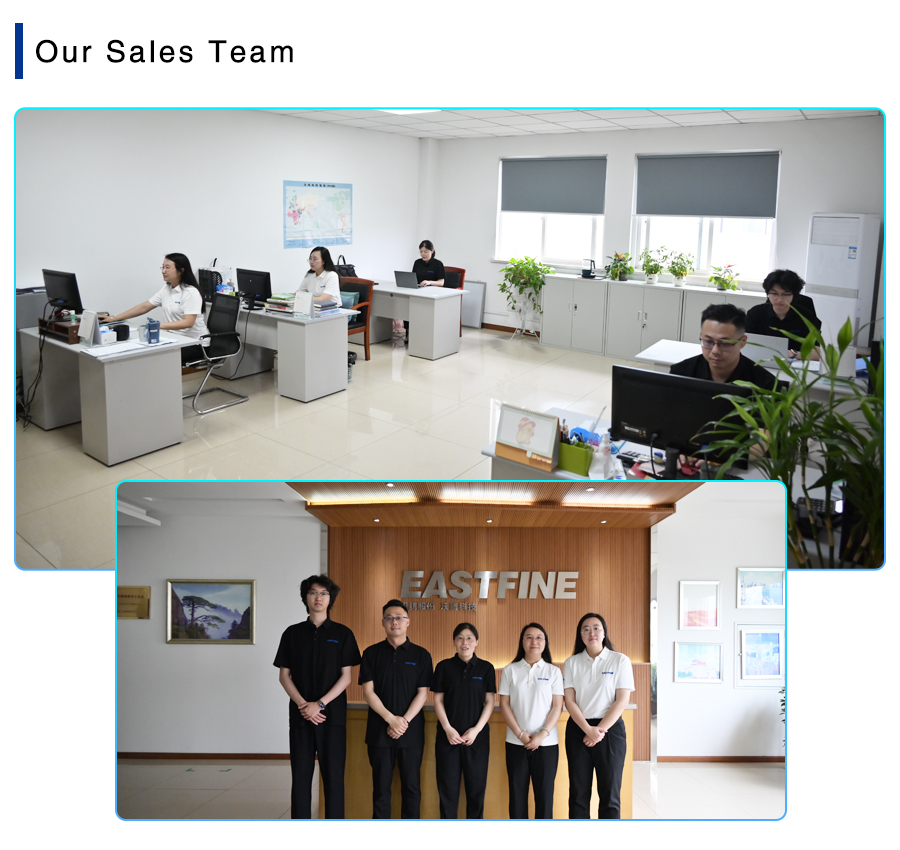
Established in 1995, EASTFINE is a primary chemical producer, not a trading desk or a re-packager. Every stage of production is handled internally, giving our clients total transparency over raw material sourcing and process controls.
Dual-Site Security Matrix:
We operate synchronized, full-scale production centers across our Dalian and Heze facilities. This setup protects your commercial pipeline from localized logistics disruptions, regulatory shifts, or environmental inspections. If one site undergoes routine asset maintenance, our second site scales up production immediately to cover global demand.
Global JIT Logistics Platform:
We maintain strategic, temperature-controlled inventory hubs in Singapore and Rotterdam. These reserves are continuously blanketed under high-purity pressurized Argon to guarantee that our European and APAC clients receive flow-ready, moisture-sealed CAS 4637-24-5 within a 48-hour delivery window.
Conclusion: Securing Your 2027 Drug Pipeline Today
The future of pharmaceutical manufacturing belongs to clean chemistry, process automation, and zero-compromise raw material supply chains. Variable, commodity-grade sources for N,N-Dimethylformamide dimethyl acetal (CAS 4637-24-5) introduce unacceptable risks of regiochemical drift and batch failures into high-value API programs.
By selecting EASTFINE as your primary direct manufacturer, you secure an ultra-pure, structurally uniform intermediate backed by robust patent coverage, PhD-led technical consultation, and a resilient dual-site production model.


 English
 العربية
 Français
 Русский
 Español
 Português
 Deutsch
 italiano
 日本語
日本語 한국어
한국어 Nederlands
 Tiếng Việt
 ไทย
ไทย Polski
 Türkçe
 አማርኛ
አማርኛ ພາສາລາວ
 Bahasa Melayu
 ဗမာစာ
ဗမာစာ Filipino
 Bahasa Indonesia
 magyar
 Română
 Čeština
 қазақ
қазақ Српски
 हिन्दी
 فارسی
فارسی Kiswahili
 Slovenčina
 Slovenščina
 Norsk
Norsk Svenska
 українська
 Ελληνικά
 Suomi
Suomi עברית
עברית Dansk
Dansk اردو
اردو Shqip
Shqip বাংলা
বাংলা Hrvatski
 Gaeilge
 Eesti keel
 Oʻzbekcha
 latviešu
 Azərbaycan dili
 Български
 ქართული
 íslenska
 Lietuvių


 简体中文
简体中文


